
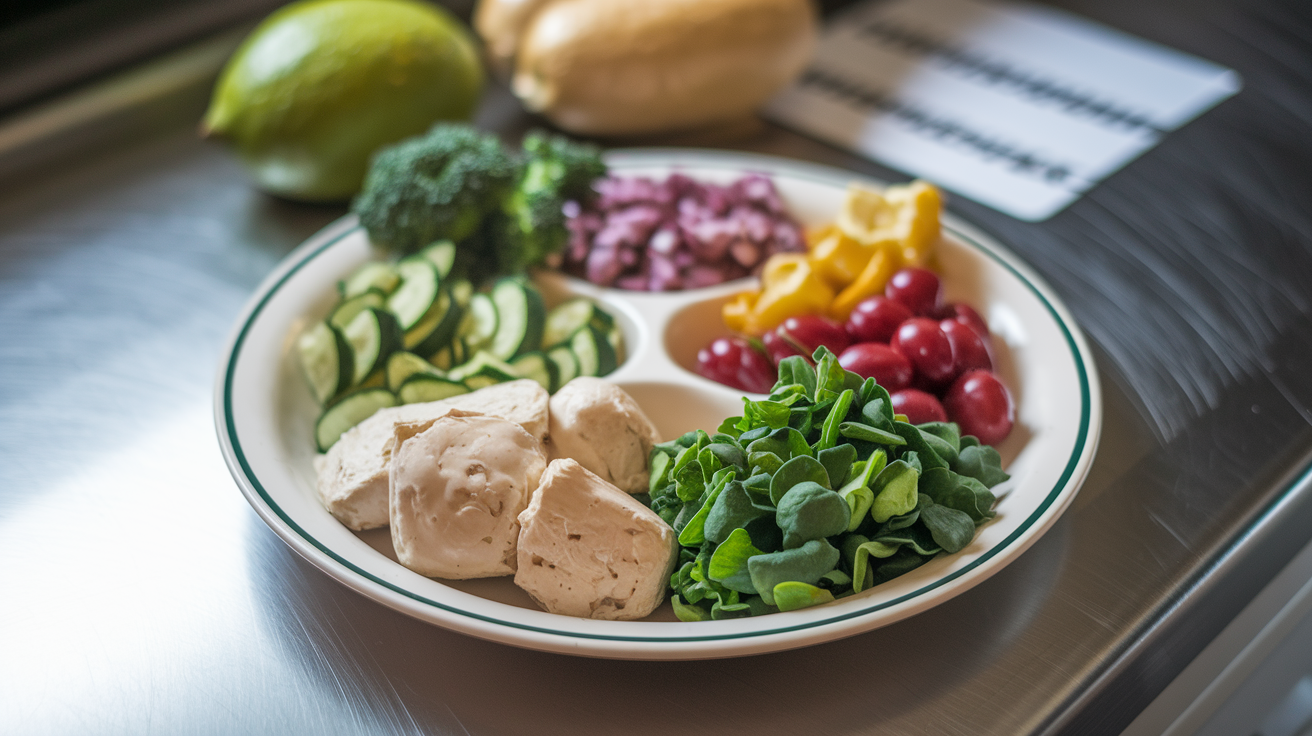
What if cutting a few hidden ingredients could stop the bloating and cramps that mess up your day? If you’re tired of gas, a puffy belly after meals, or unpredictable bathroom trips, a low FODMAP meal plan can help you feel better without giving up real food. This post gives a clear, beginner-friendly 7-day meal plan, a simple grocery list, and portion tips so you stop guessing and start eating with confidence. Try the swaps and one-week routine here to see if FODMAPs are behind your symptoms.
Beginner-Friendly Overview of the Low FODMAP Meal Plan
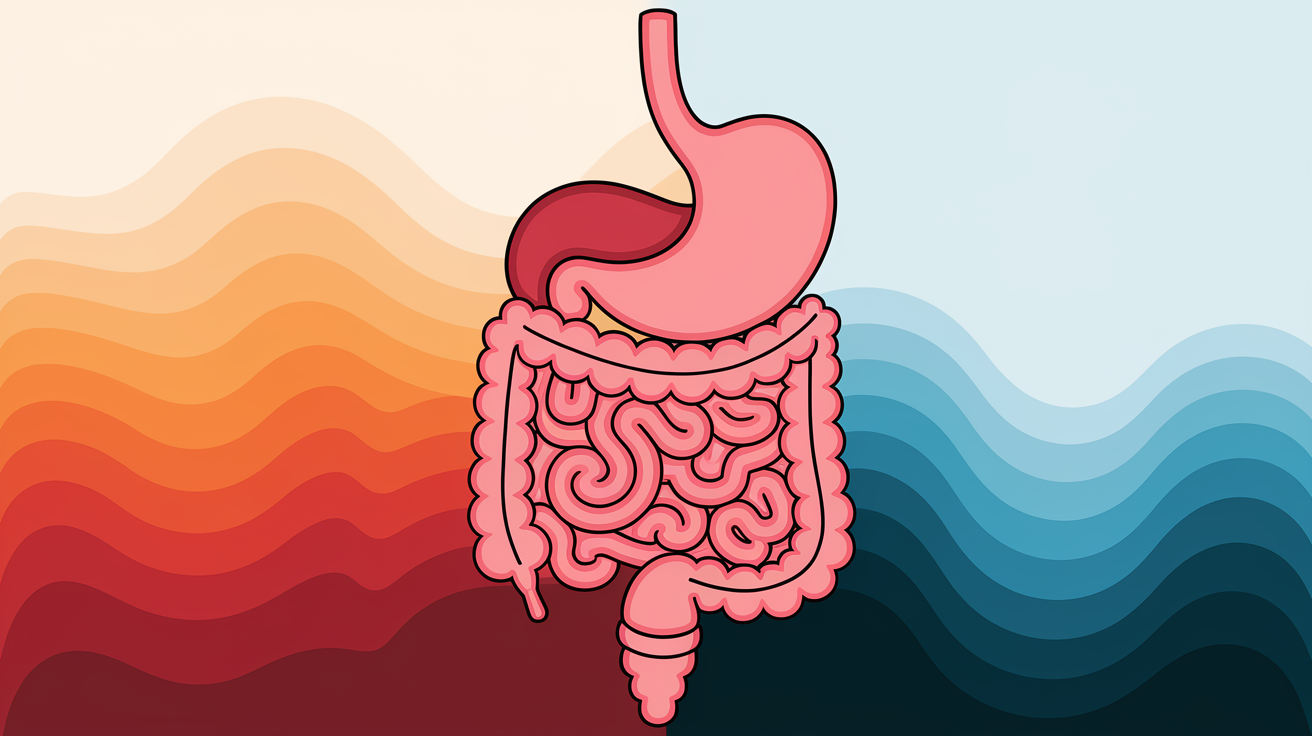
FODMAPs are carbs that ferment in your gut and trigger bloating, cramps, gas, and unpredictable bathroom trips. The term stands for Fermentable Oligosaccharides, Disaccharides, Monosaccharides, and Polyols, but you don’t need to memorize that. What you need to know is that a low FODMAP meal plan helps you dodge these triggers while still eating real food you actually enjoy.
Most beginners feel overwhelmed because high FODMAP ingredients hide in everyday staples. Bread, yogurt, sauces, even “healthy” fruits and vegetables. A structured 7 day plan takes the guesswork out by giving you clear breakfast, lunch, dinner, and snack ideas built around safe staples like rice, gluten-free breads, lactose-free dairy, plain proteins, and garlic infused oils. You’re not reinventing your cooking style. You’re swapping a few ingredients and watching portion sizes.
Using a FODMAP app like the one from Monash University helps you feel prepared instead of anxious. Many vegetables and fruits are low FODMAP only at certain serving sizes. Broccoli heads are safe at ¾ cup, but not if you pile your plate high. The app shows you what “safe” looks like in grams, cups, and whole pieces.
Elimination phase lasts 2 to 6 weeks. This short window helps you identify whether FODMAPs are actually driving your symptoms. A FODMAP app confirms serving sizes because foods like bananas, avocado, and chickpeas change from safe to risky based on portion. Common beginner staples are simple and familiar. Rice, eggs, firm cheeses, plain chicken, kiwi, pineapple, and garlic infused oil appear in almost every meal. The upcoming 7 day plan removes guesswork. Each day includes measured breakfast, lunch, dinner, and snacks with no unclear ingredient lists.
Practical Low FODMAP Food Reference Guide for New Meal Planners
High FODMAP foods are the ones that commonly trigger symptoms during elimination. The biggest culprits are garlic, onion (including onion powder in packaged foods), wheat based breads and pasta, large servings of apples and mango, honey, and many legumes like kidney beans and black beans. If you see bulbs like garlic or onion in a recipe, or stone fruits like peaches and plums in your fruit bowl, they’re likely high FODMAP. Pre-marinated meats, crumbed proteins, and packaged sauces often contain hidden garlic or onion, so plain, unseasoned options are safer.
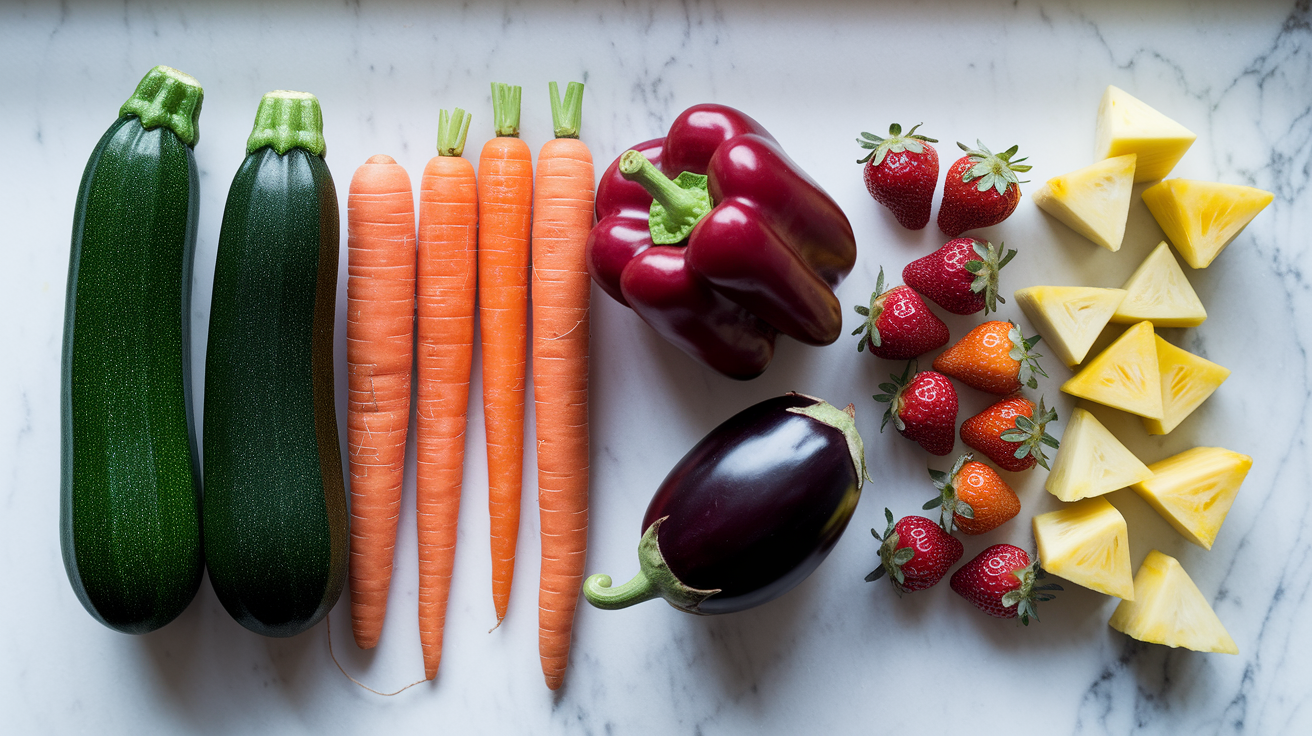
Low FODMAP staples give you a foundation to build meals without constant label checking. Reliable vegetables include eggplant, green beans, zucchini, broccoli heads (not stems), carrots, potatoes, and bell peppers. Safe fruits are kiwi, pineapple, oranges, firm bananas, cantaloupe, and small servings of strawberries and blueberries. Grains that work include rice, rice noodles, gluten-free pasta, spelt sourdough, quinoa, and oats. Lactose-free dairy and firm cheeses like aged cheddar and mozzarella are your go-to dairy choices.
Common high FODMAP items to avoid during elimination include garlic, onion, wheat breads, pasta made from wheat, apples, pears, mango, milk, yogurt (regular), honey, and most dried legumes like chickpeas and lentils in large amounts. Reliable low FODMAP fruits are kiwi, pineapple, oranges, firm (unripe) bananas, cantaloupe, strawberries (5 medium), blueberries, and raspberries. Reliable low FODMAP vegetables are eggplant, green beans, bok choy, broccoli (heads only), carrots, cucumber, lettuce, spinach, potatoes, tomatoes, and zucchini.
Safe grains and starches are rice, rice noodles, gluten-free pasta, gluten-free or spelt sourdough bread, quinoa, and oats. Hidden ingredient label traps include garlic powder, onion powder, wheat as a thickener, honey, high fructose corn syrup, inulin, chicory root fiber, and “natural flavors” that may contain onion or garlic extracts. Visually recognizable high FODMAP foods are bulbs (garlic, onion, shallots), stone fruits (peaches, plums, cherries), wheat based baked goods, large servings of legumes, and dairy products containing lactose (milk, soft cheeses, ice cream).
Seven-Day Low FODMAP Meal Plan With Simple Recipes
Day 1
Start with two poached eggs on spelt sourdough toast, topped with a handful of wilted spinach and 3 cherry tomatoes. For lunch, build a quinoa bowl with ½ cup cooked quinoa, a fried egg on top, and roasted sweet potato (½ cup cubes) seasoned with olive oil and paprika. Add a side of 15 steamed green beans. Dinner is grilled salmon brushed with soy sauce, served over brown rice with a mix of steamed bok choy and carrot ribbons. Snack on ½ cup fresh pineapple chunks and 10 whole walnuts. This day introduces gentle flavors and easy to digest proteins while keeping vegetable portions measured and safe.
Day 2
Make a bowl of oatmeal (½ cup dry oats) cooked with lactose-free milk, then top it with 5 medium strawberries and a sprinkle of cinnamon. Lunch is a wrap made with a gluten-free tortilla, sliced turkey, 40 grams aged cheddar, lettuce, and mustard, with a side of ¾ cup cantaloupe cubes. For dinner, stir-fry extra firm tofu (1 cup cubed) with carrot slices, broccoli heads (¾ cup), and green beans (15 beans) in garlic infused olive oil and soy sauce, served over rice noodles. Snack on a string cheese stick (30 grams) and 1 cup grapes (about 150 grams). Day 2 balances plant based protein with dairy and grains, showing how simple swaps keep meals familiar.
Day 3
Prepare oat and banana pancakes using gluten-free oats, one firm (unripe) banana, eggs, and lactose-free milk. Serve with a drizzle of pure maple syrup. Lunch is an Asian chicken salad. Grilled chicken breast over mixed greens, shredded carrot, cucumber slices, and a dressing made from soy sauce, rice vinegar, and a touch of sesame oil. Add a side of rice crackers. Dinner is a vegan coconut curry made with firm tofu (1 cup), eggplant (1 cup roasted), zucchini (⅓ cup), red bell pepper (⅓ cup), and canned coconut milk, served over jasmine rice. Snack on 1 tablespoon peanut butter with 2 rice cakes. This day highlights batch friendly recipes and dairy-free options.
Day 4
Toast two slices of gluten-free bread and top with mashed avocado (1/8 medium avocado) and a sprinkle of salt and pepper. Add a side of lactose-free yogurt (plain) with a handful of blueberries. For lunch, enjoy leftover vegan coconut curry reheated and served over fresh rice. Dinner is grilled chicken breast seasoned with herbs, roasted zucchini (⅓ cup), and a baked potato with a dollop of lactose-free sour cream or butter. Snack on 1 ounce dark chocolate and 1 navel orange. Day 4 leans on leftovers to save time and introduces simple baked sides that require minimal hands-on effort.
Day 5
Make a spinach, feta, and pine nut omelette using two eggs, a handful of fresh spinach, 3 tablespoons crumbled feta, and a sprinkle of pine nuts cooked in olive oil. Serve with one slice of spelt sourdough toast. Lunch is a vegetable frittata (pre-made and portioned from batch cooking) with a side green salad dressed in olive oil and balsamic vinegar. Dinner is a stir-fry with prawns or shrimp, broccoli heads (¾ cup), snow peas (5 pods), and carrot slices, tossed in garlic infused oil and soy sauce, served over rice. Snack on 10 whole almonds and 1 cup grapes. Day 5 shows how eggs and batch cooked frittata simplify weekday lunches.
Day 6
Prepare a smoothie bowl by blending lactose-free milk, 5 medium strawberries, ½ firm banana, and a handful of spinach, then top with gluten-free granola and a few blueberries. Lunch is tuna salad made with canned tuna, lactose-free mayo, diced cucumber, and a pinch of salt, served in a gluten-free wrap with lettuce. Add a side of baby carrots. Dinner is a rice bowl topped with grilled salmon, 1/8 medium avocado, steamed green beans (15 beans), and a drizzle of soy sauce. Snack on 2 gluten-free pretzel rods with 1 tablespoon hummus. Day 6 balances quick assembly meals with pre-prepped components like canned tuna and frozen fish fillets.
Day 7
Toast gluten-free bread and spread with 1 tablespoon almond butter, then top with banana slices (firm banana only). Serve with a side of lactose-free yogurt. Lunch is a Mediterranean pasta made with gluten-free pasta, ¼ cup drained canned chickpeas, roasted eggplant (1 cup), zucchini (⅓ cup), red bell pepper (⅓ cup), 3 tablespoons feta, and olive oil. Dinner is meatballs in tomato sauce (homemade with plain ground beef, gluten-free breadcrumbs, and herbs) served over gluten-free spaghetti with a side of steamed carrots. Snack on 3 cherry tomatoes with two hard boiled eggs. Day 7 wraps up the week with comfort food adapted to low FODMAP portions, proving familiar meals still fit.
| Recipe | Freezes Well? |
|---|---|
| Vegetable Frittata | Yes, portion into squares and freeze individually |
| Vegan Coconut Curry | Yes, store in single-serve containers for quick lunches |
| Tuna & Sweet Potato Patties | Yes, freeze cooked patties on a tray, then bag |
| Carrot Fritters | Yes, reheat in the oven to keep texture crisp |
| Meatballs in Tomato Sauce | Yes, freeze with sauce in portions for easy weeknight dinners |
Low FODMAP Grocery List and Pantry Staples for Beginners
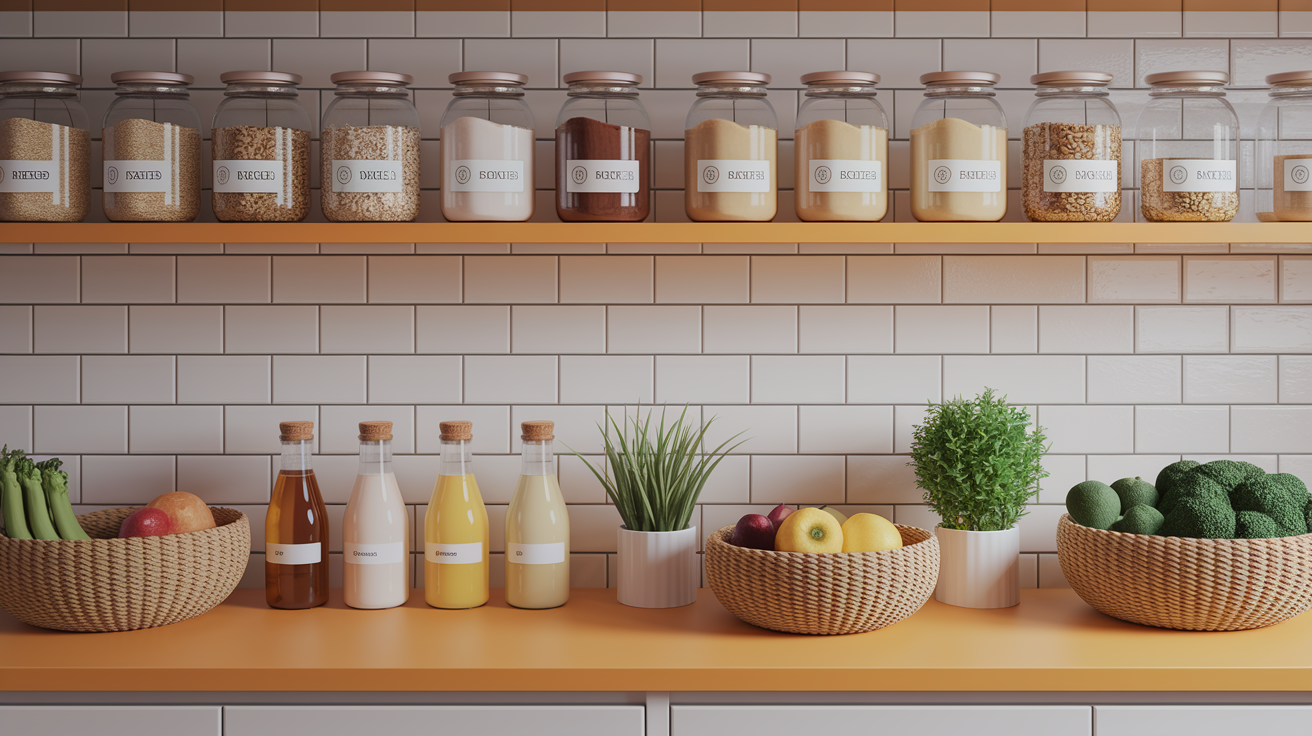
| Category | Beginner Staples | Notes |
|---|---|---|
| Grains & Breads | Rice, rice noodles, gluten-free pasta, spelt sourdough, quinoa, oats, gluten-free wraps | Check labels on gluten-free breads for added inulin or chicory root |
| Dairy & Alternatives | Lactose-free milk, lactose-free yogurt, firm cheeses (aged cheddar, mozzarella, feta), lactose-free sour cream, almond milk (calcium-fortified), soy milk (soy protein based) | Firm cheeses are naturally low in lactose, avoid soft fresh cheeses like ricotta |
| Proteins | Plain chicken, beef, pork, fish, eggs, firm tofu, canned tuna, canned chickpeas (¼ cup max), peanut butter | Buy unseasoned, unmarinated proteins, avoid pre-crumbed or marinated meats |
| Vegetables | Eggplant, green beans, bok choy, broccoli (heads), carrot, cucumber, lettuce, potato, tomato, zucchini, bell peppers, spinach | Many vegetables are safe only at measured portions, use a FODMAP app |
| Fruits | Kiwi, pineapple, oranges, firm bananas, cantaloupe, strawberries (5 medium), blueberries, raspberries | Portion size determines tolerance, ripe bananas are higher FODMAP than firm ones |
| Condiments & Oils | Garlic-infused olive oil, olive oil, butter, mustard, soy sauce, miso paste, tahini, vinegars (balsamic, rice, white), Worcestershire sauce, tomato sauce | Garlic-infused oil is safe because FODMAPs don’t dissolve in oil, avoid garlic powder |
Choose unseasoned proteins like plain chicken breasts, fresh fish fillets, and unprocessed beef or pork. Marinated meats almost always contain garlic or onion, and crumbed proteins use wheat breadcrumbs that aren’t low FODMAP unless labeled gluten-free. Read ingredient lists on packaged foods carefully. Ingredients are listed by weight, so if garlic powder or onion powder appears near the end, some people tolerate small amounts, but during strict elimination it’s safer to avoid them entirely.
Low FODMAP Portion Guidelines and Serving Size Essentials
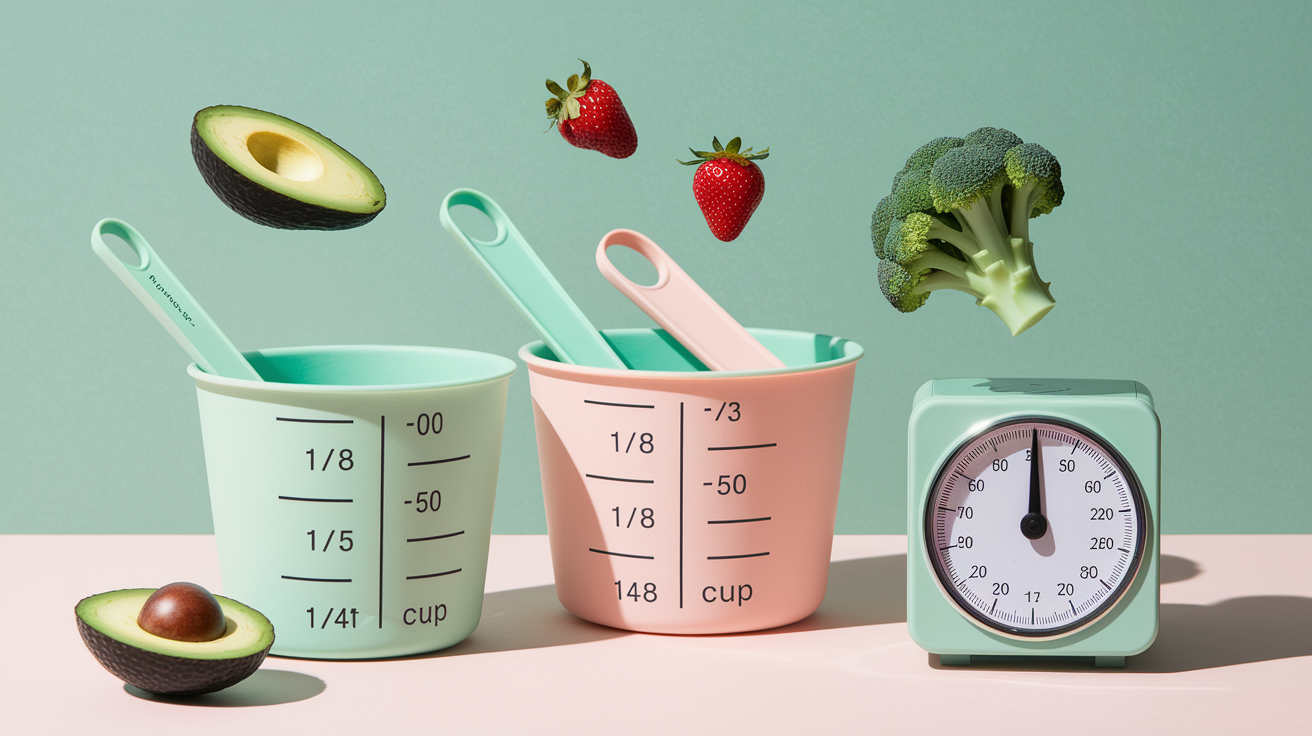
Many foods shift from low FODMAP to high FODMAP when you eat too much in one sitting. Portion size determines whether a food triggers symptoms or stays safe. Avocado is a classic example. 1/8 of a medium avocado is low FODMAP, but half an avocado crosses into high FODMAP territory. The same logic applies to vegetables like broccoli (¾ cup of heads is safe, but a full cup of florets is not) and fruits like strawberries (5 medium berries are fine, but a large handful might cause bloating).
Using measured portions during elimination gives your gut a fair test. If you’re eyeballing servings or eating “a little extra,” you might accidentally consume high FODMAP amounts and assume the food itself is the problem when it was really the portion. A FODMAP app shows you exactly what a safe serve looks like in grams, cups, and whole pieces.
5 medium strawberries are low FODMAP. Larger servings increase fructose and may trigger symptoms. ¾ cup broccoli heads (not stems) is safe. A full cup of florets moves into moderate FODMAP levels. 1/8 medium avocado is low FODMAP. ½ avocado is high FODMAP due to polyol content. 10 whole almonds plus 1 cup grapes (about 150 grams) makes a balanced low FODMAP snack with protein and natural sweetness. 3 cherry tomatoes are safe for most people. Larger servings of tomatoes can increase fructose load depending on ripeness.
Low FODMAP Meal Prep Strategies for Busy Beginners
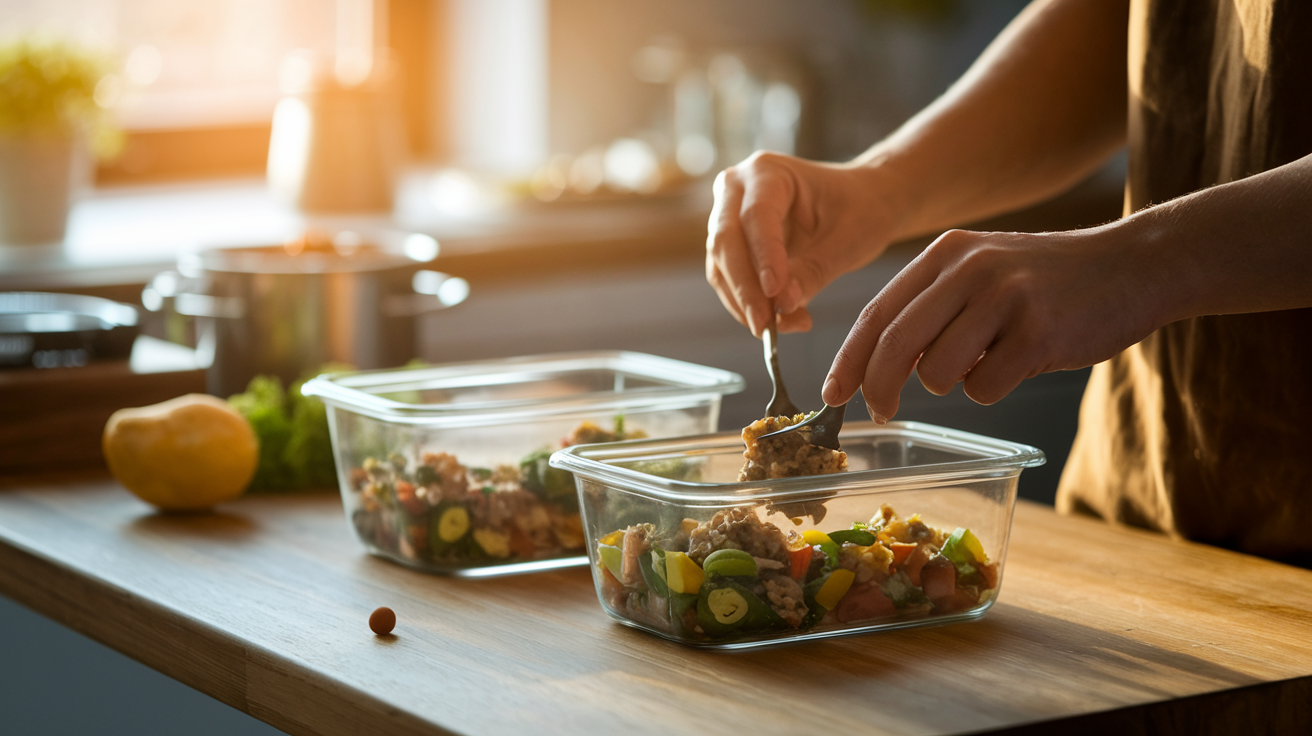
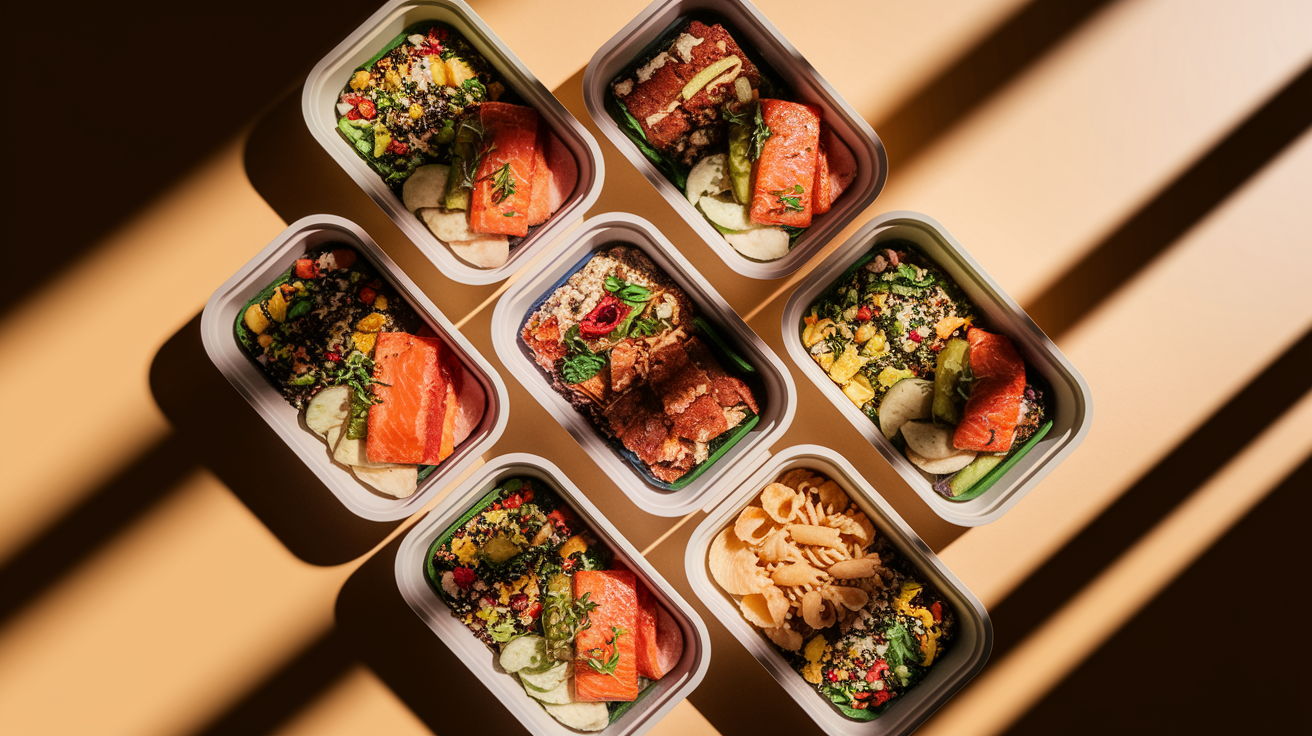
Meal prep removes daily decision fatigue and keeps you from reaching for high FODMAP convenience foods when you’re tired or rushed. The goal isn’t to cook every meal from scratch seven days a week. It’s to batch cook two or three core components on the weekend and assemble quick meals throughout the week. Think of it as building a low FODMAP toolkit in your fridge and freezer.
Most people find Sunday afternoons work best for prep. Spend 90 minutes cooking a large batch of protein (grilled chicken breasts, baked salmon, or roasted tofu), a grain base (rice, quinoa, or gluten-free pasta), and one or two vegetable sides (roasted zucchini, steamed green beans, or carrot ribbons). Portion these into individual containers so you can grab lunch in under two minutes. Soups, curries, and frittatas freeze beautifully. Make a double batch, freeze half in single-serve portions, and you’ve built a backup meal plan for the weeks ahead.
Pre-cut and frozen vegetables save time and maintain nutrients. Frozen broccoli, green beans, and bell peppers are just as nutritious as fresh and require no chopping. If a recipe calls for fresh produce you don’t have on hand, swap in frozen without guilt. Portioning meals early in the week also prevents accidental overeating of portion sensitive foods like avocado or chickpeas. You’ve already measured the safe amount into the container.
Sunday afternoon prep session works well. Set aside 90 minutes to batch cook proteins, grains, and two vegetable sides. Portion into labeled containers for the week. Cook one freezer friendly recipe like a double batch of soup, curry, or frittata. Freeze half in single-serve portions for backup lunches or dinners. Pre-portion snacks by dividing nuts, cheese sticks, fruit, and crackers into small containers or bags so you grab the right amount without measuring daily.
Prep breakfast components the night before. Assemble overnight oats, portion out granola and yogurt, or set out ingredients for quick scrambled eggs to speed up mornings. Use frozen and pre-cut produce by stocking your freezer with low FODMAP vegetables like green beans, bell peppers, and broccoli to reduce chopping and waste.
Dining Out and Real-World Tips for Staying Low FODMAP
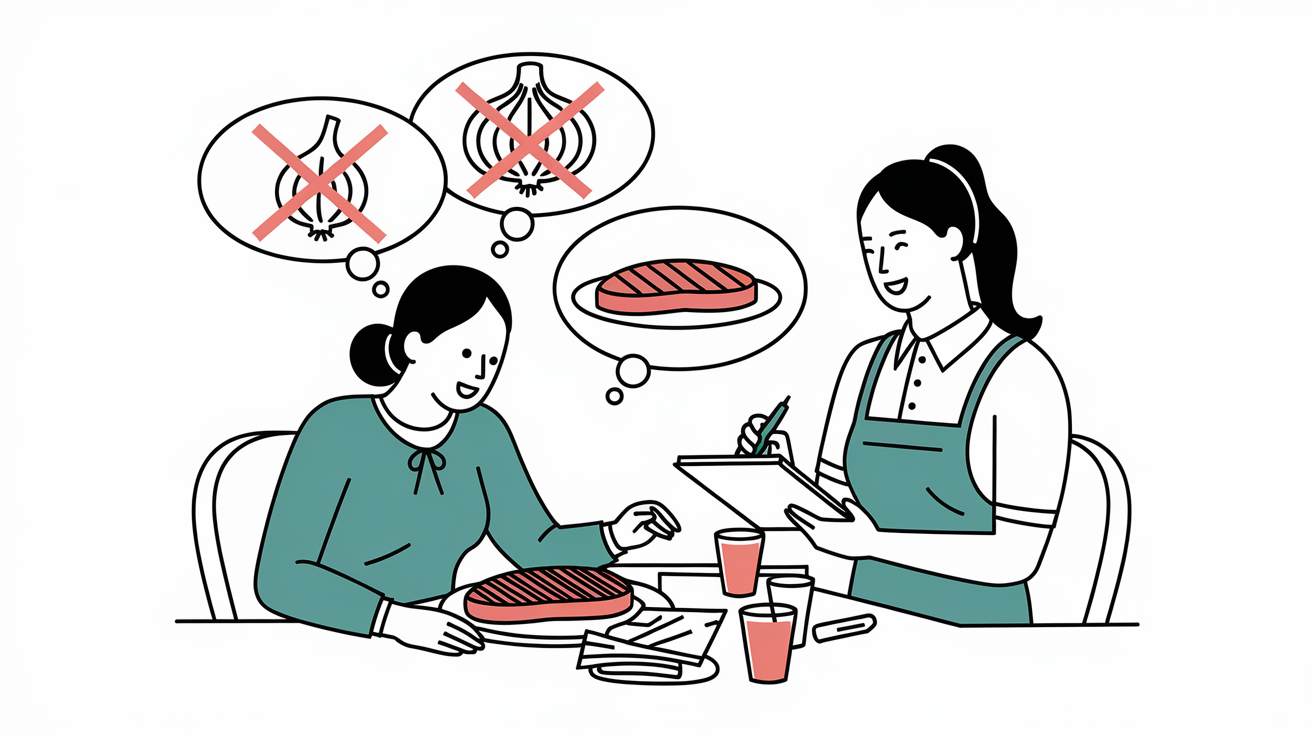
Dining out on a low FODMAP plan is easier when you know what to ask for and which menu sections to scan first. The biggest hidden triggers are garlic, onion, marinades, wheat based sauces, and dairy heavy dressings. Most restaurants are willing to accommodate requests if you’re specific and polite. Instead of saying “I have food allergies,” try “I can’t have garlic or onion. Could the kitchen prepare my chicken plain with olive oil and herbs instead?” That clarity helps the cook understand what to skip.
Grilled proteins are your safest bet. Plain steak, grilled chicken, baked fish, and shrimp are naturally low FODMAP as long as they’re not marinated or breaded. Pair them with simple sides like steamed vegetables (ask which ones are available), baked potato, or plain rice. Salads work if you bring your own dressing or request olive oil and vinegar on the side. Avoid creamy dressings, croutons, and anything labeled “honey mustard” or “balsamic glaze” unless you can confirm the ingredients.
Ask for plain grilled meats with no marinade or seasoning blends. Request olive oil, salt, and pepper only. Avoid garlic butter or pre-mixed rubs. Request steamed or roasted vegetables with no sauce. Confirm which vegetables are available and ask the server to check portion sizes if you’re unsure (like “Is that a small side of broccoli or a large serving?”). Bring portable snacks for long days or travel. Pack rice cakes with peanut butter, a firm banana, a small bag of almonds, or lactose-free cheese sticks to avoid hunger driven compromises.
Specify “no onion, no garlic” when ordering soups, sauces, or stir-fries. Many kitchens use onion and garlic as base flavors. Asking early prevents last minute surprises and ensures your meal is safe.
Understanding the Low FODMAP Elimination & Reintroduction Phases

The low FODMAP diet is not a permanent way of eating. It’s a structured, three phase process designed to identify your personal triggers and build a customized maintenance diet that’s as flexible as possible. The elimination phase lasts 2 to 6 weeks and removes all high FODMAP foods to give your gut a symptom free baseline. This phase is intentionally short because long term restriction can reduce beneficial gut bacteria and limit your nutrient intake. You’re not trying to eat this way forever. You’re gathering data.
After elimination, the reintroduction phase tests one FODMAP group at a time (lactose, fructose, fructans, GOS, polyols, and sorbitol) in measured amounts over several days. You eat a small serving of a single high FODMAP food, track symptoms for 2 to 3 days, then return to the elimination baseline before testing the next group. This process shows you which FODMAPs you tolerate and in what amounts. Some people can eat small portions of garlic containing foods without issue. Others find fructans trigger bloating every time. Reintroduction personalizes your plan and expands your food list safely.
The maintenance phase is where you live long term. You avoid only the FODMAPs that consistently cause symptoms and reintroduce everything else in portions that work for your body. Stress, sleep, and hydration still affect digestion, so symptom tracking remains helpful even after reintroduction. Working with a registered dietitian trained in the low FODMAP approach ensures you don’t restrict unnecessarily and helps you troubleshoot when symptoms return unexpectedly.
Elimination (2 to 6 weeks) removes all high FODMAP foods to establish a symptom free baseline. Track daily symptoms in a food and symptom diary. This phase is short term only to protect gut bacteria diversity. Reintroduction (6 to 8 weeks) tests one FODMAP group at a time in small, measured portions. Wait 2 to 3 days between tests to observe delayed symptoms. Record which foods and portions you tolerate to build your personalized safe list.
Maintenance (long term) means you avoid only the specific FODMAPs that triggered symptoms during reintroduction. Reintroduce all tolerated foods in safe portions. Adjust based on stress, sleep, and other lifestyle factors that affect digestion.
Low FODMAP Ingredient Swaps and Flavor Boosters
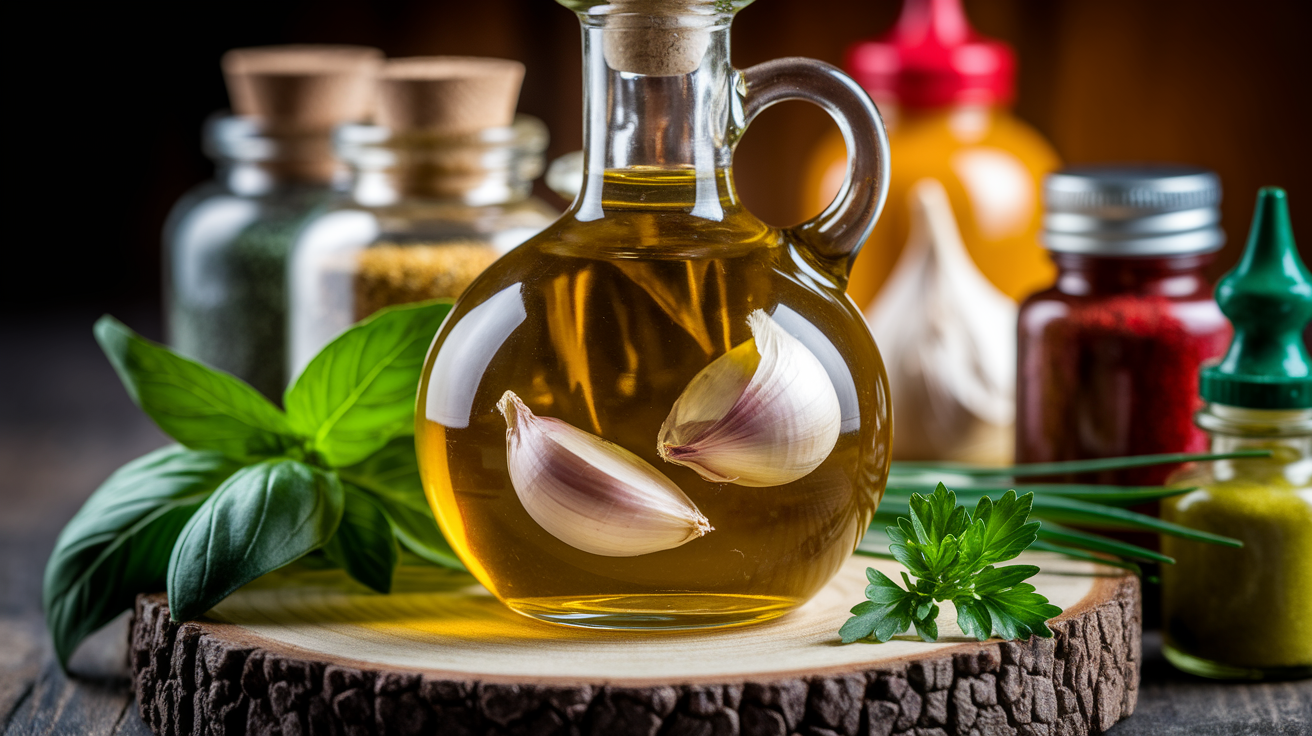
Removing garlic and onion feels like losing the foundation of flavor, but low FODMAP cooking offers simple, effective swaps that deliver taste without triggering symptoms. Garlic infused olive oil is the most useful ingredient in a low FODMAP kitchen. FODMAPs are water soluble, not fat soluble, so when you infuse olive oil with whole garlic cloves and then remove the cloves, the oil carries garlic flavor without the fructans that cause bloating. Use it in stir-fries, salad dressings, marinades, and roasted vegetables.
Green onion tops (the green part only, not the white bulb) and fresh chives add a mild onion like flavor that’s low FODMAP in small amounts. Fresh herbs like basil, cilantro, parsley, and dill bring brightness and complexity to simple dishes. Spices such as cumin, paprika, turmeric, ginger, and black pepper add depth without FODMAPs. Many store bought condiments are safe. Mustard, soy sauce, rice vinegar, balsamic vinegar, Worcestershire sauce, and miso paste. Just check labels to confirm no garlic or onion powder is listed.
Garlic infused olive oil replaces fresh garlic in sautés, dressings, and marinades. Make your own by heating olive oil with whole garlic cloves, then strain and discard the cloves. Green onion tops and fresh chives provide a mild onion flavor. Use only the green parts and avoid the white bulbs. Fresh herbs (basil, cilantro, parsley, dill, thyme, rosemary) add layers of flavor without FODMAPs. Grow a small herb pot on your windowsill for easy access.
Ground spices (cumin, paprika, turmeric, ginger, black pepper, coriander) build complex flavor profiles in curries, stir-fries, and roasted vegetables. Safe condiments (mustard, soy sauce, miso paste, tahini, vinegars, Worcestershire sauce) simplify meal prep. Check ingredient lists to avoid hidden onion or garlic powder.
Sample Print-Friendly Low FODMAP Meal Plan Template
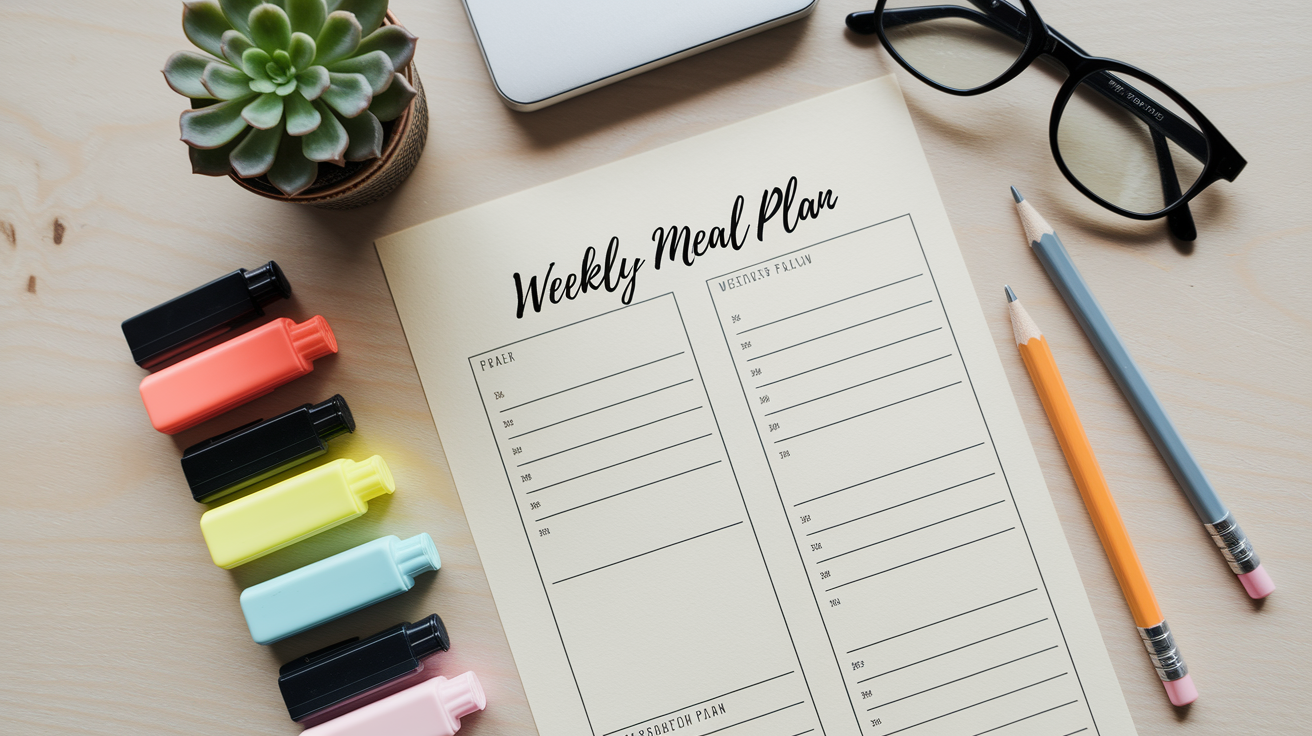
A print friendly meal plan template helps you organize weekly meals, track portion sizes, and build grocery lists in one place. The best templates include daily meal slots (breakfast, lunch, dinner, snacks), a categorized shopping checklist, and space to note batch cooked items and freezer meals. You can customize the template each week by swapping meals based on what’s in season, what’s on sale, or what you’re craving, while still following low FODMAP guidelines.
| Day | Breakfast | Lunch | Dinner |
|---|---|---|---|
| Monday | Poached eggs on spelt toast with spinach | Quinoa bowl with fried egg and sweet potato | Grilled salmon with bok choy and rice |
| Tuesday | Oatmeal with strawberries and lactose-free milk | Turkey & cheddar wrap with cantaloupe | Tofu stir-fry with rice noodles |
| Wednesday | Oat & banana pancakes | Asian chicken salad with rice crackers | Vegan coconut curry with tofu and rice |
| Thursday | Avocado toast (1/8 avocado) with yogurt | Leftover coconut curry | Grilled chicken with zucchini and baked potato |
| Friday | Spinach & feta omelette with spelt toast | Vegetable frittata with green salad | Shrimp stir-fry with broccoli and rice |
| Saturday | Smoothie bowl with granola and berries | Tuna salad wrap with carrots | Salmon rice bowl with avocado and green beans |
| Sunday | Gluten-free toast with almond butter and banana | Mediterranean pasta with chickpeas and feta | Meatballs in tomato sauce with gluten-free pasta |
You can adapt this template by adding your favorite batch cooked recipes to multiple days, swapping proteins based on what’s on sale, or adjusting vegetable portions using your FODMAP app. Print a fresh copy each week, fill in meals as you plan them, and use the shopping checklist section to ensure you have every ingredient before you start cooking. This reduces mid week grocery trips, prevents decision fatigue, and keeps you consistent during the elimination phase.
Final Words
You’ve got a clear, doable setup: a 7‑day plan, simple ingredient lists, portion rules, and flavor swaps so meals don’t feel boring.
There are practical tips for shopping, batch‑cooking, dining out, and using a FODMAP app to check portions during the 2–6 week elimination and later reintroduction.
Try one small change this week—swap garlic for garlic‑infused oil or batch‑cook a freezer-friendly dinner. This low fodmap meal plan for beginners removes guesswork so you can eat with more ease and feel better soon.
FAQ
Q: What are some easy low FODMAP meal plans?
A: Easy low FODMAP meal plans include simple swaps: porridge with lactose‑free milk or boiled eggs for breakfast; quinoa or chicken salad bowls for lunch; grilled salmon or tofu stir‑fries for dinner.
Q: How to start FODMAP diet for beginners?
A: To start the FODMAP diet, begin with a 2–6 week elimination, use a FODMAP app for servings, stock staples like rice and lactose‑free dairy, and track symptoms daily.
Q: What is the most common FODMAP trigger?
A: The most common FODMAP triggers are garlic and onion, often hidden in sauces and packaged foods; use garlic‑infused oil, green onion tops, and read labels to avoid them.
Q: Are scrambled eggs high in FODMAP?
A: Scrambled eggs are low‑FODMAP and generally safe; watch what you add—use lactose‑free milk or water and avoid mixing in onion, garlic, or high‑FODMAP condiments.