

Wondering how much water will actually help your headache?
If it feels like dehydration, start by drinking 17 to 34 ounces (about 500 to 1000 mL) over the next 30 to 60 minutes, with 8 to 16 ounces in the first 10 to 20 minutes to jump-start rehydration.
This steady-sip approach often eases pain within an hour, and this article shows why pacing matters, when to add electrolytes, and what to try next if the ache doesn’t budge.
You’re not imagining it — the right amount, at the right pace, can change everything.
Immediate Water Intake Guidance for Fast Headache Relief
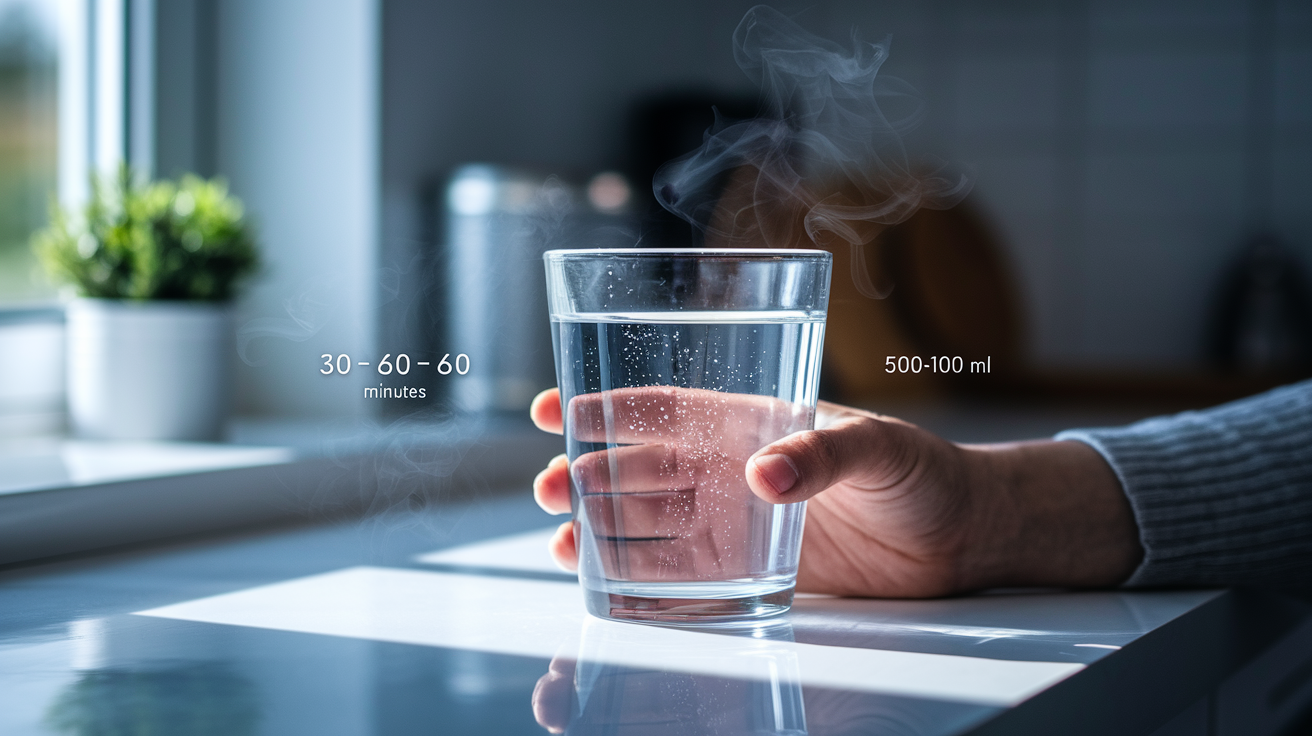
When a headache feels like it’s coming from dehydration, your first move is to drink 500 to 1,000 mL of water over the next 30 to 60 minutes. That’s roughly 17 to 34 ounces. A bit more than two standard cups on the low end, or about three to four cups on the high end. Start with 8 to 16 ounces in the first 10 to 20 minutes to jump start rehydration, then continue sipping steadily to reach your total. The goal is consistent intake, not a single big gulp all at once.
Many people notice some headache relief within 30 to 60 minutes of starting rehydration. Full improvement usually takes several hours, depending on how dehydrated you were to begin with and how your body responds. If your headache eases within the first hour, keep sipping to maintain the momentum. If nothing changes after an hour or two of steady drinking, the headache may have a different cause.
If you’ve been sweating heavily, exercising outdoors, or dealing with vomiting or diarrhea, skip plain water at first and reach for an electrolyte drink or oral rehydration solution instead. Your body has lost sodium, potassium, and other minerals, not just water. Plain water alone can dilute what’s left, which sometimes makes symptoms worse. Once you’ve replaced some electrolytes, you can switch to plain water to continue rehydration. Pace yourself. Small sips every few minutes work better than forcing down large amounts quickly.
First 10–20 minutes: Drink 8 to 16 oz slowly to begin rehydration.
Next 30–60 minutes: Continue sipping to reach 17 to 34 oz total. Aim for a small mouthful every couple of minutes.
Monitor urine color: It should lighten from dark yellow toward pale straw within an hour or two.
Watch for improvement: Reduced headache intensity, clearer thinking, and less dizziness are good signs.
Stop or slow if: You feel bloated, nauseous, or your stomach feels uncomfortably full. Switch to tiny sips until discomfort passes.
Hydration and Headache Mechanisms: Why Not Drinking Enough Triggers Pain

When you lose more water than you take in, your body tries to protect vital organs by pulling fluid from less critical tissues, including the brain. Even a slight drop in brain tissue volume can tug on pain sensitive membranes around the brain, activating receptors that register as a headache. At the same time, your blood volume shrinks. Less blood means less oxygen and fewer nutrients delivered to brain cells, which can trigger pain signals. Blood also thickens when you’re dehydrated, slowing circulation and reducing the efficiency of every pump from your heart.
Dehydration doesn’t just drain water. It disrupts the balance of sodium, potassium, and magnesium in your cells and bloodstream. These minerals, called electrolytes, control nerve signaling and muscle contraction, including the tiny muscles in blood vessel walls. When their levels drop or become imbalanced, nerve cells can misfire, vessels can constrict unevenly, and the result often shows up as head pain. Low sodium affects how water moves in and out of cells. Low potassium and magnesium can make nerves more excitable and prone to pain transmission.
Fluid Loss Pathways
Your body loses water constantly, even when you’re sitting still. Urine carries out waste and excess minerals, but diuretics (including caffeine, alcohol, and some medications) force your kidneys to flush more than usual. Sweat cools you down during exercise or heat exposure, but it also drains both water and salt. Every breath you exhale releases a small puff of moisture into the air. Over a full day, breathing alone accounts for noticeable fluid loss. Vomiting and diarrhea can empty your system rapidly, sometimes triggered by the headache itself in people prone to migraine. Even saliva, tears, and mucus production pull from your body’s water reserves, and all these pathways add up quickly when you’re not replacing what you lose.
Recognizing When Your Headache Is from Dehydration
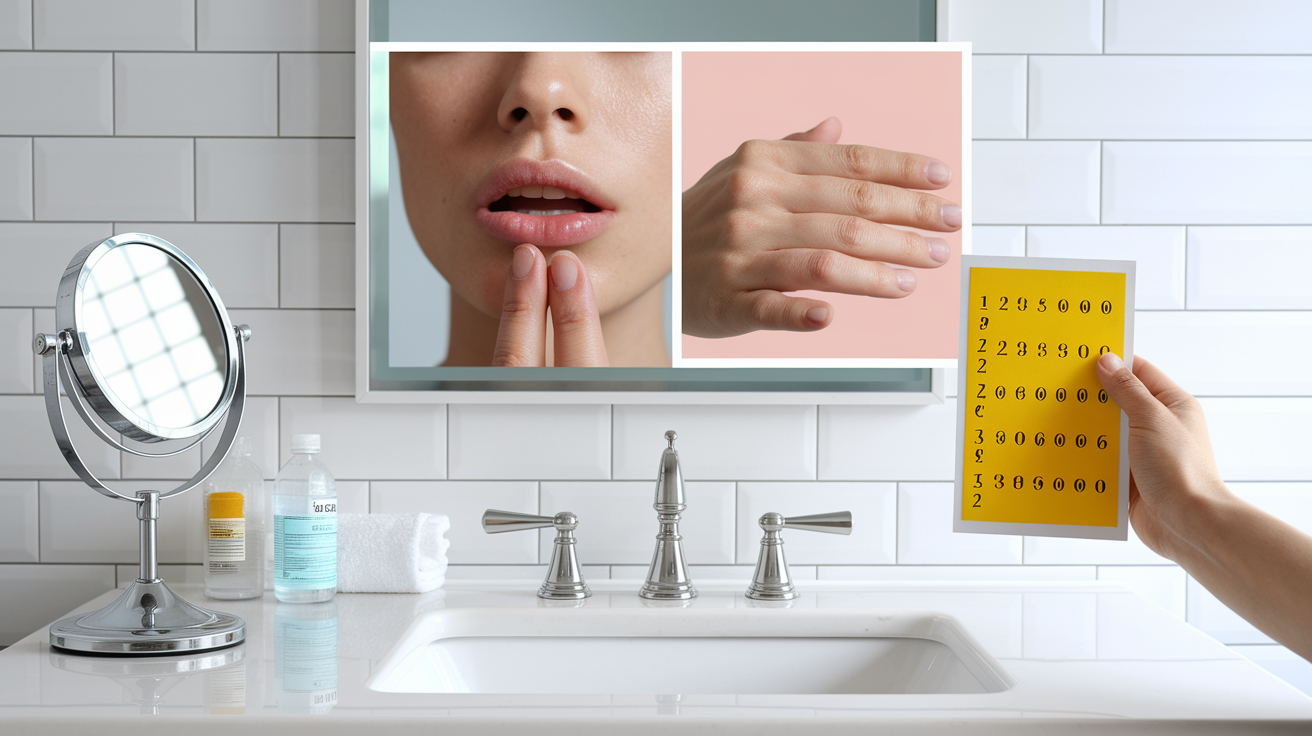
A dehydration headache often arrives with a cluster of other signs that point to low fluid levels. You might notice a dry or sticky feeling in your mouth, increased thirst, or a sense of tiredness that doesn’t match how much sleep you got. Dizziness or lightheadedness when you stand up is common, and your skin may look or feel drier than usual. These symptoms together suggest your body is running low on water and trying to conserve what’s left.
Urine color is one of the fastest, most reliable checks you can do at home. Pale straw or light yellow means you’re well hydrated. Darker yellow or amber is a clear sign you need to drink more. If your urine looks closer to apple juice than lemonade, dehydration is likely contributing to how you feel. Low urine output (going several hours without needing to use the bathroom) also signals that your kidneys are holding onto every drop they can.
These signs correlate with headache because they all reflect the same underlying problem. Your cells, blood, and brain don’t have the fluid volume they need to function smoothly. When your mouth is dry, your brain is probably a bit dry too. When your blood is concentrated enough to make your kidneys slow down urine production, it’s concentrated enough to reduce oxygen delivery and activate pain pathways. The headache is often your body’s loudest alarm that the whole system needs more water.
Thirst level: Noticeable thirst, especially if it feels urgent or you’ve ignored it for hours.
Mouth and lip dryness: Sticky saliva, chapped or tight feeling lips.
Skin turgor test: Pinch the skin on the back of your hand. If it stays tented for a second instead of flattening immediately, hydration is low.
Capillary refill: Press your fingernail bed until it blanches, then release. Color should return in under two seconds.
Dizziness or lightheadedness: Especially when standing up quickly.
Urine output: Longer gaps between bathroom visits than usual.
Energy level: Unexplained fatigue, brain fog, or difficulty concentrating.
Step-by-Step Rehydration Strategy for Headache Relief
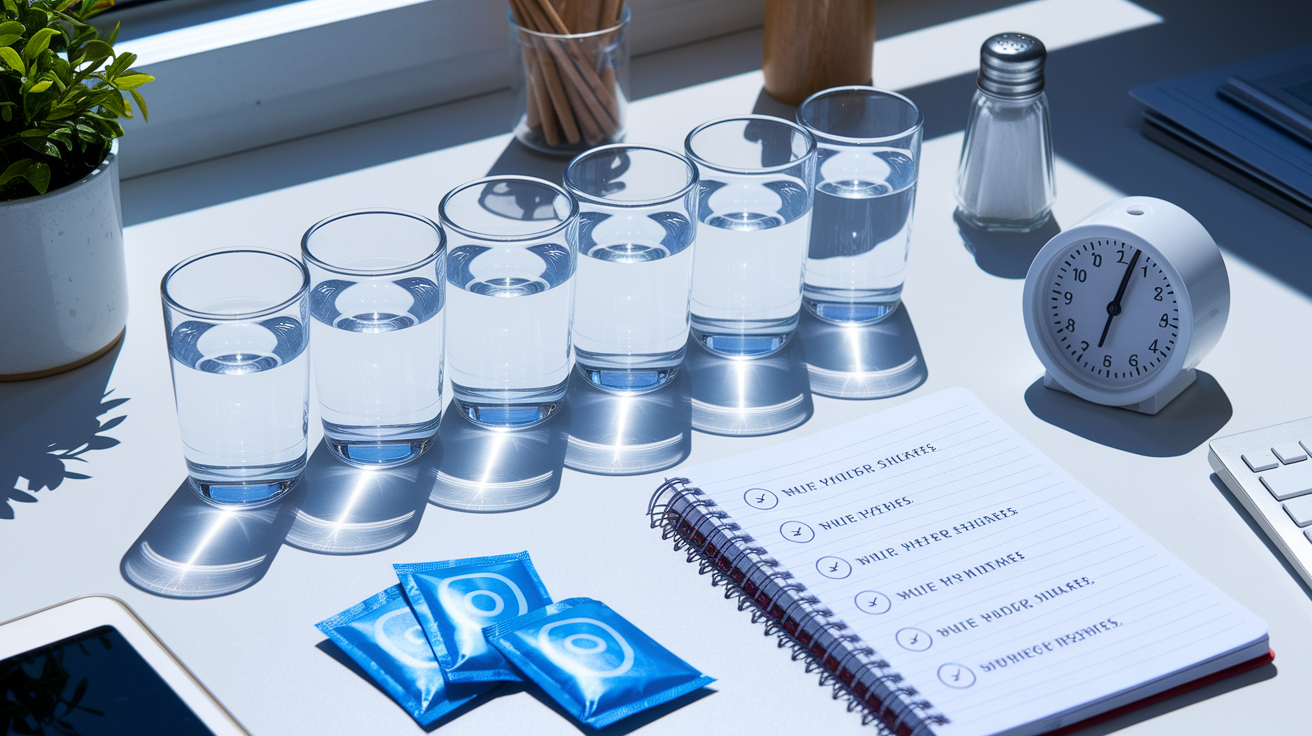
Once you’ve started drinking, aim to take a small sip every one to two minutes rather than waiting five or ten minutes between larger swallows. Steady, frequent sips keep your stomach from becoming overwhelmed and help your intestines absorb water more efficiently. If you gulp down a full glass in one go, much of it may sit in your stomach, causing bloating or nausea, while your body slowly processes the load. Small, regular sips mean a smoother, faster rise in your hydration level and less chance of discomfort.
Water temperature matters more for comfort than for hydration speed, but comfort keeps you drinking. Cool or room temperature water tends to be easiest on the stomach, especially if you’re already feeling queasy or lightheaded. Ice cold water can feel refreshing, but some people find it causes cramping or makes them drink more slowly. If you’ve been exercising or you’re overheated, slightly cool water may feel best. At rest, room temperature often wins. Let your body guide you. If one temperature feels better, stick with it. Activity level also influences how quickly you absorb fluids. Resting while you rehydrate gives your digestive system a chance to focus on the job without competing with muscles for blood flow.
After the first 30 to 60 minutes, check in with your symptoms and adjust your intake. If your headache is easing and your urine is lightening, keep sipping at a maintenance pace (maybe 4 to 8 ounces every 30 minutes). If you’re still feeling rough and your mouth is dry, continue the more aggressive pace for another hour. Add electrolytes if you’ve been sweating, if plain water isn’t helping, or if you feel shaky or unusually weak. A pinch of salt in your water or a few sips of an electrolyte drink can make a noticeable difference. Fine tuning means listening to your body’s feedback loop. Thirst, energy, urine color, and headache intensity all tell you whether to keep pushing fluids or ease off.
- Start with 8 to 16 oz over the first 10 to 20 minutes, taking a small mouthful every minute or two.
- Adjust sip size based on comfort. If your stomach feels full, switch to smaller, more frequent sips.
- Choose cool or room temperature water unless you strongly prefer something different.
- Pair water with a pinch of salt, an electrolyte tablet, or coconut water if you’ve been sweating or if plain water feels like it’s not helping.
- Sit or lie down while rehydrating to give your body a chance to absorb fluids without the demands of movement.
- After 30 to 60 minutes, reassess. If symptoms improve, shift to a slower maintenance pace. If not, continue steady intake and consider electrolytes or medical advice.
Daily Water Targets to Prevent Future Headaches
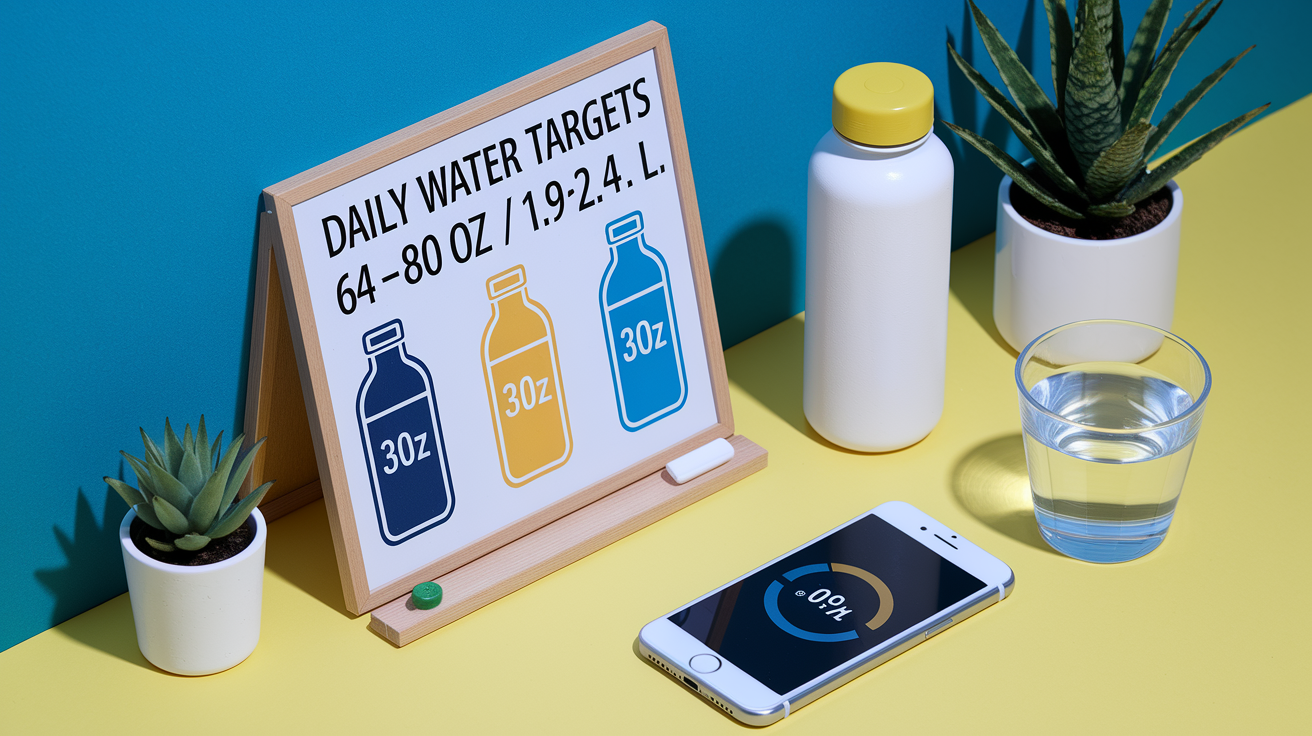
A simple starting point is 64 to 80 ounces of water per day, which covers the needs of many adults under typical conditions. That range is roughly 8 to 10 standard cups, or about 1.9 to 2.4 liters. If you prefer a more personalized target, try drinking half your body weight in ounces each day. For example, someone who weighs 160 pounds would aim for 80 ounces. This method adjusts automatically as your weight changes and tends to match individual needs better than a one size number.
Bottle sizes make planning easier. A 32 ounce bottle filled twice gives you 64 ounces. A 24 ounce bottle filled three times gets you to 72 ounces. An 18 ounce bottle filled four times lands at 72 ounces as well. Knowing how many refills you need removes the guesswork and turns hydration into a countable task. Spread those refills across your waking hours (one bottle mid morning, one mid afternoon, one evening) and you’ve hit your target without thinking too hard about it.
Timing your water intake around daily routines helps you stay consistent. Drink a glass first thing in the morning to replace what you lost overnight through breathing and any early morning urine. Have another glass 20 to 30 minutes before each meal. It supports digestion and often reduces the chance of mistaking thirst for hunger. Drink during and after exercise, even if it’s just a walk. A light sip an hour before bed keeps you from waking up dehydrated, though don’t overdo it if nighttime bathroom trips disrupt your sleep. Small amounts at these regular touchpoints add up to steady, preventive hydration.
| Method | Daily Amount | Best Use Case |
|---|---|---|
| Standard guideline | 64–80 oz (≈1.9–2.4 L) | General adult baseline, moderate activity |
| Half body weight in ounces | Varies (e.g., 160 lb = 80 oz) | Personalized target, adjusts with weight changes |
| 8 oz every 2 hours (8 waking hours) | 64 oz | Structured routine, office or home schedule |
| Bottle-based (e.g., 32 oz × 2.5) | 80 oz | Visual tracking, on-the-go hydration |
Electrolytes, Hydrating Foods, and Alternatives to Plain Water
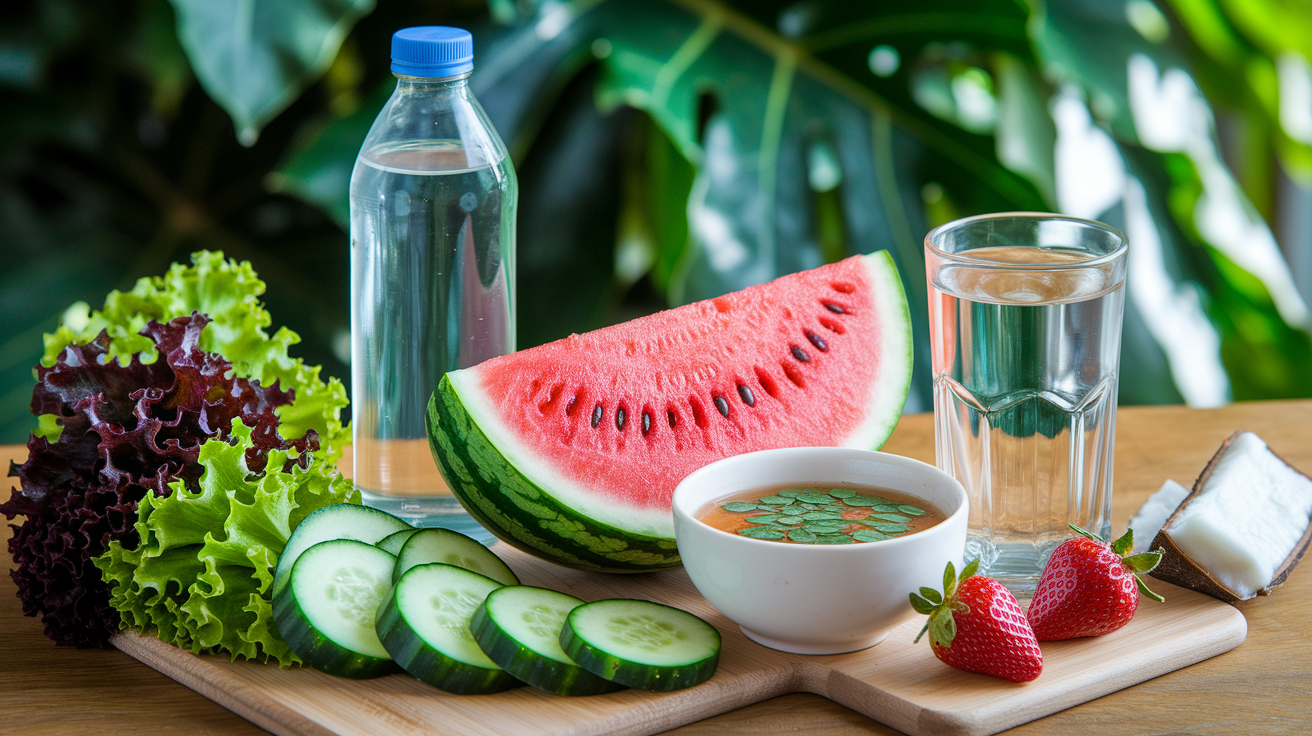
Electrolytes (sodium, potassium, magnesium, and others) do more than flavor your drink. They help your cells hold onto water, regulate nerve signals, and keep muscles contracting smoothly. When you lose electrolytes through sweat, vomiting, or diarrhea, plain water alone can dilute what’s left in your bloodstream, sometimes making you feel worse before you feel better. An oral rehydration solution, sports drink, or coconut water replaces both fluid and minerals. Coconut water is naturally high in potassium and lower in sugar than most sports drinks, making it a solid middle ground choice. If you’re using a commercial sports drink, check the label. Many pack as much sugar as soda. Use them when you need the electrolytes, not as an all day beverage.
Hydrating foods contribute a surprising amount of your daily fluid intake. Cucumbers are 96 percent water, leafy greens like spinach and lettuce sit around 95 percent, watermelon clocks in at 92 percent, and strawberries are 91 percent. A large salad with cucumbers, greens, bell peppers, and tomatoes can deliver a full cup of water or more. Snacking on melon, berries, or citrus adds fluid along with fiber and vitamins. Broths and soups count too, though watch the sodium content. High salt broths can increase your water needs rather than reduce them. Herbal teas like peppermint or chamomile hydrate just as well as plain water and add variety if you’re bored of drinking glass after glass.
Electrolyte drinks: Oral rehydration solutions, low sugar sports drinks, or DIY mixes (water plus pinch of salt plus squeeze of citrus).
Coconut water: Natural source of potassium, moderate calories, light flavor.
Herbal teas: Chamomile, peppermint, or ginger. Caffeine free and hydrating (avoid diuretic herbs like dandelion or hibiscus).
Water rich foods: Cucumber, lettuce, celery, watermelon, strawberries, oranges, zucchini.
Low sugar alternatives: Infused water with lemon, mint, or cucumber for flavor without added sugar or artificial sweeteners.
Broths: Bone broth or vegetable broth can hydrate and provide minerals, but balance with plain water if sodium is high.
Factors That Increase Water Needs and Raise Headache Risk

Heat and physical activity are the two biggest drivers of increased fluid loss. When the temperature climbs or you’re moving your body, sweat production ramps up to cool you down. In hot weather, especially between noon and 4 p.m. when the sun is strongest, you can lose a liter or more of sweat in an hour even without intense exercise. If you know you’ll be outside or working out, start drinking extra water the day before. Pre hydration gives your body a buffer so you’re not starting from a deficit. During the activity itself, sip every 15 to 20 minutes rather than waiting until you feel thirsty.
Medications and substances like caffeine and alcohol also push your water needs higher. Diuretics prescribed for blood pressure or fluid retention make your kidneys excrete more urine. Caffeine has a mild diuretic effect, and while moderate coffee or tea intake usually doesn’t cause dehydration in regular users, high doses or sudden increases can tip the balance. Alcohol suppresses the hormone that tells your kidneys to hold onto water, which is why a night of drinking often ends with a dehydration headache the next morning. If you take any regular medication, ask your doctor or pharmacist whether it affects fluid balance. Knowing lets you adjust your intake before a headache starts.
Travel (especially by plane) and time spent at higher altitudes both dry you out faster than you might expect. Airplane cabins have extremely low humidity, and you lose moisture with every breath. Altitude increases your breathing rate and urine output as your body adapts to lower oxygen levels. Even a weekend camping trip in the mountains or a long flight can leave you dehydrated if you’re not intentionally drinking more than usual. Dry indoor air from heating or air conditioning has a similar effect over time, so if you spend all day in a climate controlled office, keep a water bottle within reach and sip regularly.
Avoiding Overhydration While Treating Headaches
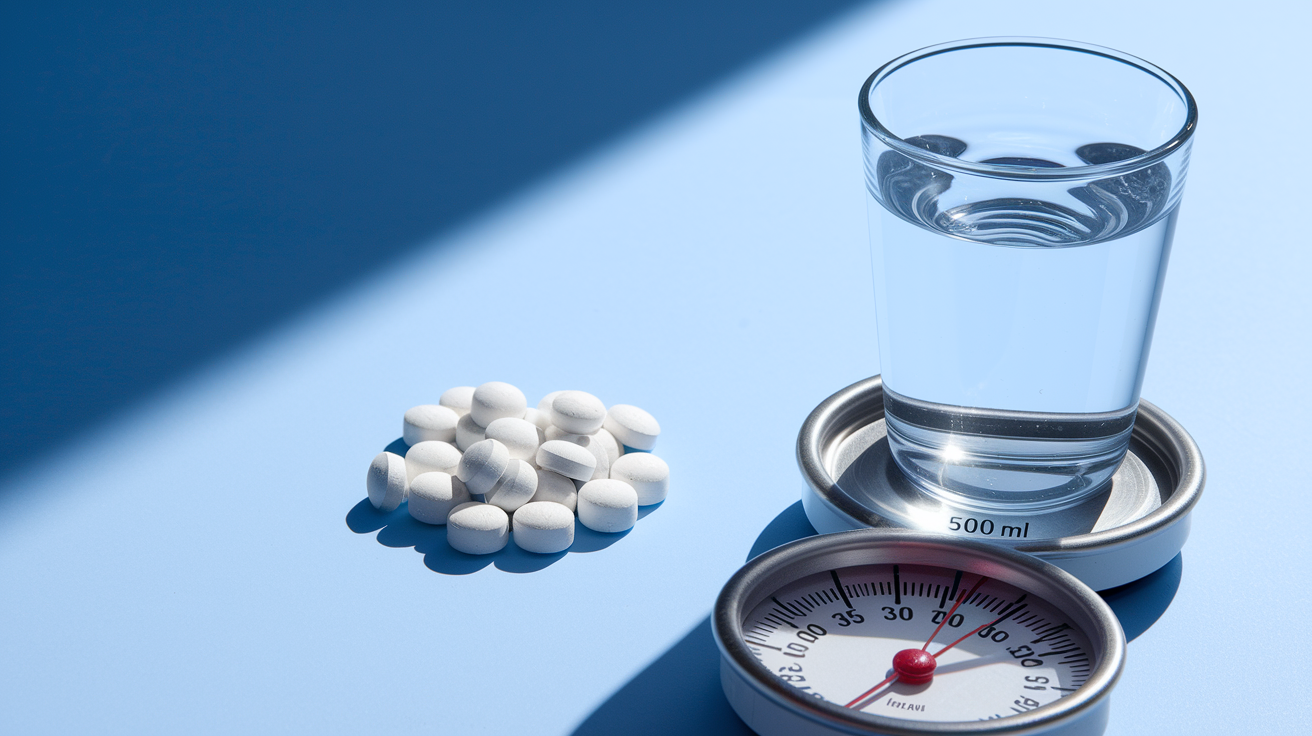
Drinking too much water too fast can create its own problems. When you flood your system with more water than your kidneys can process (typically more than about one liter per hour), you risk diluting the sodium in your blood. Low sodium, called hyponatremia, can cause headaches, nausea, confusion, and in severe cases, seizures or loss of consciousness. The symptoms can look a lot like dehydration, which makes it confusing. The key difference is that overhydration headaches usually come with bloating, frequent urination of very pale or clear urine, and a sense of water sloshing in your stomach.
To stay safe, pace your intake and listen to your body’s signals. If you’re not thirsty, your urine is pale, and you’re urinating every hour, you’ve probably had enough. Drinking beyond that point doesn’t speed up headache relief. If you’re rehydrating after heavy sweating or illness, pair your water with electrolytes so you’re replacing sodium as you replace fluid. A pinch of salt in your water or a low sugar electrolyte drink keeps your mineral balance steady and lowers the risk of dilution.
Limit intake to roughly 500 to 1,000 mL per hour during active rehydration.
Stop or slow down if your urine becomes completely clear and you’re urinating very frequently.
Pair large water intake with electrolytes, especially after sweating, vomiting, or diarrhea.
Watch for signs of overhydration: Bloating, nausea, confusion, or a feeling of fullness that doesn’t go away. If these occur, stop drinking and let your body catch up.
When to Seek Medical Care if Your Headache Persists Despite Drinking Water

If rehydration doesn’t ease your headache within a few hours, or if your headache is sudden and severe (often described as the worst headache of your life), seek medical attention immediately. A thunderclap headache that peaks within seconds to minutes can signal a serious problem like bleeding in the brain. Any new neurological symptoms alongside your headache (weakness, numbness, vision changes, slurred speech, confusion, or difficulty walking) require urgent evaluation. These are not dehydration symptoms.
Fever combined with a stiff neck, persistent vomiting that prevents you from keeping any fluids down, or signs of severe dehydration such as very low urine output, extreme dizziness, fainting, or a racing heart all warrant a trip to urgent care or the emergency department. If you’ve been drinking steadily for several hours and your symptoms are getting worse instead of better, something else is going on. Dehydration related headaches respond to fluids. If yours doesn’t, it’s time to get a professional assessment.
Sudden, severe headache that feels unlike any headache you’ve had before.
New weakness, numbness, vision loss, or slurred speech.
High fever with stiff neck, which can indicate meningitis.
Persistent vomiting or inability to keep fluids down for more than a few hours.
Very low urine output, extreme lightheadedness, fainting, or confusion.
No improvement or worsening symptoms after several hours of steady rehydration.
Final Words
Start by drinking 500–1,000 mL over 30–60 minutes, beginning with 8–16 oz in the first 10–20 minutes. That’s the quick prescription many try for dehydration headaches.
You may notice partial relief in 30–60 minutes and fuller improvement over a few hours. Use an electrolyte drink if you’ve been sweating heavily or vomiting, and pace sips to avoid stomach upset.
If you’re asking how much water to drink for headache relief, that 500–1,000 mL plan is a simple, practical place to start, and it often helps you feel better fast.
FAQ
Q: How much water should I drink to get rid of a headache?
A: The amount of water you should drink to get rid of a headache is about 500–1,000 mL (17–34 oz) over 30–60 minutes—begin with 8–16 oz now. Expect some relief within an hour; use electrolytes if you’ve been sweating or vomiting.