

Tired of the 3 p.m. crash? Here’s a slightly controversial idea: neither constant grazing nor skipping meals is the fix.
If you feel foggy in the morning, shaky before lunch, or find yourself overeating at night, your meal timing is probably part of the problem.
A steady rhythm, aiming to eat every 3 to 4 hours, helps keep blood sugar steady, calms stress hormones, and gives more reliable focus and mood.
Read on to see why that window works and one simple plan you can try this week.
How Eating Frequency Directly Influences Daily Energy Stability
Eating every 3 to 4 hours hits the sweet spot if you want steady energy all day. Space your meals and snacks at this rhythm, and your blood sugar stays balanced, your brain gets a steady glucose drip, and you skip the hormonal mess that happens when you go too long without eating. Skip a meal or wait five or six hours? You’re looking at a metabolic scramble. Blood sugar drops, cortisol spikes, ghrelin floods in, and suddenly you’re shaky, cranky, and hunting for sugar or caffeine.
But grazing nonstop isn’t the answer either. Eating every hour or two in little unplanned bites means your body never finishes digesting one thing before the next shows up. Insulin stays high, and you don’t ever feel satisfied or truly energized. What you’re after isn’t constant snacking or long fasts. It’s rhythm. A pattern that lets your digestive system process food, release energy steadily, and tell you when it’s hungry at predictable times. That’s how you support consistent ATP production from carbs, protein, and fats without the peaks and crashes that wreck your focus and mood.
If you get brain fog mid morning, hit a 3 p.m. wall that sends you to the vending machine, or binge at night after skipping lunch, your eating frequency is probably the culprit. Regular intervals give your metabolism a predictable workload, ease the pressure on your adrenal glands, and stop you from overeating later to make up for gaps. It’s not about watching the clock like a hawk. It’s about recognizing your body runs better when fuel arrives in a steady, manageable flow.
Scientific Mechanisms Linking Meal Timing and Energy Production
Your body runs on ATP. That’s the energy currency your cells make when they break down carbs, fats, and protein. Carbs turn into glucose fastest, giving immediate fuel to your brain and muscles. Protein delivers amino acids that help repair muscle and keep glucose steady through gluconeogenesis when carb stores dip. Fats digest slower but offer sustained energy and help you absorb fat soluble vitamins that support your cells. Eat at regular intervals and you give your metabolism a constant supply of all three, so ATP production stays consistent instead of spiking and crashing based on sporadic intake.
Meal timing also taps into your circadian rhythm, the internal clock running your digestion, hormones, and metabolic efficiency. Eat earlier in the day when insulin sensitivity is naturally higher and you’ll improve glucose tolerance and nutrient absorption. A protein heavy breakfast within an hour of waking, ideally around 30 grams, can sharpen morning focus, tame mid morning hunger, and set a stable metabolic baseline for the rest of the day. The thermic effect of food, the small metabolic lift from digestion, works better after meals eaten in daylight. Your body burns slightly more calories processing food when you eat aligned with your biological clock.
Skip meals or push eating until late afternoon and your body shifts into conservation mode. Metabolism slows, TEF drops, and you might start breaking down lean muscle for fuel if protein intake gets inconsistent. That’s why people who skip breakfast often feel foggy and low on energy by mid morning. Their brains are running on fumes and stress hormones, not steady glucose.
Role of Blood Sugar and Hormones
When blood sugar drops after a long stretch without food, your adrenal glands pump out cortisol to mobilize stored glucose and keep you upright. At the same time, your stomach releases ghrelin, the hunger hormone driving cravings and ramping up appetite. High cortisol plus high ghrelin creates the perfect recipe for irritability, trouble concentrating, and intense cravings for quick carbs. Eat at regular intervals and blood sugar stays moderate. Cortisol keeps quiet, ghrelin rises gently to signal natural hunger instead of panic, and you dodge the mood swings and energy crashes that make clear thinking or productivity feel impossible.
Comparing Eating Patterns for Energy Stability
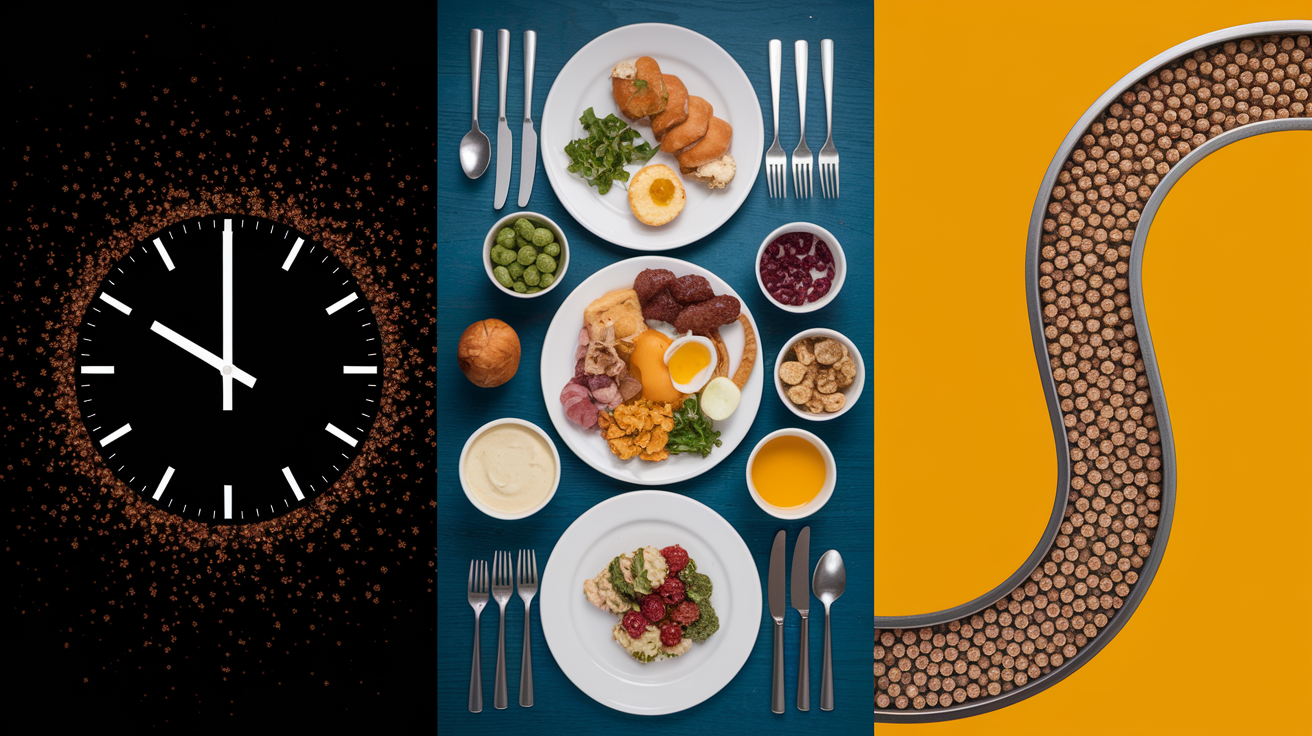
Three patterns show up most often. Traditional three meals a day, small frequent meals or grazing, and intermittent fasting or time restricted eating. Each has upsides and downsides depending on your activity level, health status, and what works for your life. Traditional three meal eating with one or two planned snacks tends to suit people with moderate activity who want predictable hunger signals and straightforward meal planning. Grazing, five or six small meals spread through the day, can help people with low appetite, digestive trouble, or high calorie needs keep intake steady without feeling overly full. Intermittent fasting, like eating only during an 8 hour window from 11 a.m. to 7 p.m., might boost metabolic flexibility and insulin sensitivity for some, but it can backfire for others. Especially women in reproductive years, people prone to disordered eating, and anyone whose schedule demands high cognitive or physical output in the morning.
The difference in energy stability comes down to how each pattern hits blood sugar, digestion, and hormone balance. Grazing can keep glucose steady if every mini meal is balanced, but it often leads to mindless snacking, insulin elevated all day, and difficulty recognizing real hunger. Intermittent fasting pushes your body to burn stored glycogen and fat during the fasting stretch, which might sharpen focus for some but leave others shaky, foggy, and irritable. Especially if the eating window is too short or poorly timed. Traditional three meals with strategic snacks offer middle ground. Long enough gaps to allow digestion and metabolic rest, but short enough to prevent blood sugar crashes and cortisol surges.
| Pattern | Typical Timing | Energy Impact |
|---|---|---|
| Traditional 3 meals + 1–2 snacks | Every 3–4 hours, e.g., 7 a.m., 10 a.m., 1 p.m., 4 p.m., 7 p.m. | Steady blood sugar, predictable hunger, supports focus and productivity |
| Grazing (5–6 small meals) | Every 2–3 hours | Can stabilize glucose if balanced; risks constant elevated insulin and overeating if unstructured |
| Intermittent fasting (e.g., 16:8) | Eating window 11 a.m.–7 p.m., fasting 7 p.m.–11 a.m. | May improve metabolic flexibility; can cause morning fatigue, irritability, and difficulty concentrating if poorly matched to individual needs |
Meal composition beats meal count. A meta analysis found no real difference in body weight or metabolic markers between high and low eating frequencies when total calories and macronutrient intake were controlled. That means the quality and balance of what you eat, carbs, protein, and fat, matters more for energy than whether you eat three times or six. The key is finding a rhythm that keeps you satisfied, energized, and free from wild cravings or post meal crashes.
Practical Daily Timing: Structuring Meals for Consistent Energy
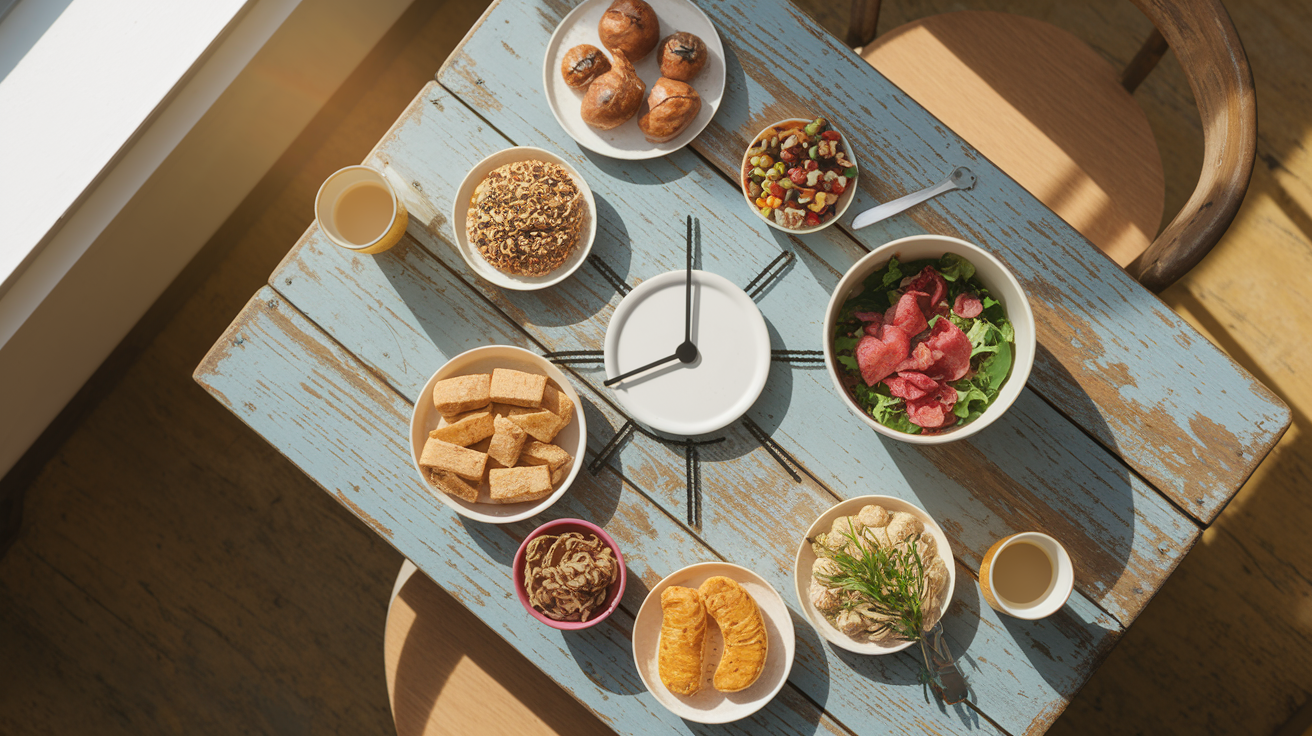
A practical starting point is three balanced meals plus one or two snacks, spaced roughly 3 to 4 hours apart. That might look like breakfast at 7 a.m., a mid morning snack at 10 a.m., lunch at 1 p.m., an afternoon snack at 4 p.m., and dinner at 7 p.m. Each meal should include some carbohydrate for quick fuel, a protein source to keep energy going and support muscle repair, and a healthy fat to slow digestion and keep you full. Portion control counts. Meals that are too big cause post meal fatigue as blood rushes to your gut, while meals that are too small leave you empty within an hour or two.
Breakfast sets the tone. Eat within the first hour of waking, ideally with around 30 grams of protein, and you’ll stabilize morning blood sugar, improve focus, and cut the chances of mid morning crashes. If you’re not hungry first thing, start small. Greek yogurt with nuts, or a couple of eggs with a slice of whole grain toast. Then notice how your energy and hunger cues shift over a week or two. Lunch and dinner should follow the same balance. Aim for a fist sized portion of protein, a cupped handful of carbs like rice or potatoes, and plenty of non starchy vegetables for fiber and micronutrients.
Snacks aren’t afterthoughts. They’re strategic fuel stops that prevent long gaps and the energy dips that follow. A well timed snack between breakfast and lunch, and another between lunch and dinner, keeps your metabolism humming and your brain supplied with glucose. Here are six simple snack combos that deliver protein, fiber, and healthy fat.
Apple slices with almond butter. Greek yogurt with a handful of berries and a sprinkle of granola. Hummus with carrot sticks and a few whole grain crackers. Cheese stick with a small piece of fruit. A small handful of mixed nuts with dried chickpeas. Rice cake with a nut butter packet and banana slices.
Snacking Strategies to Prevent Midday Energy Crashes

The 3 p.m. slump is real. It’s usually caused by either too long a gap since lunch or a lunch that was heavy on refined carbs and light on protein and fat. A balanced mid afternoon snack, eaten around 3 to 4 hours after lunch, can restore focus, stop irritability, and keep you from spiraling toward the vending machine or coffee pot. The trick is choosing snacks that combine protein, fiber, and healthy fat to slow glucose absorption and deliver steady fuel instead of a quick spike and crash.
Low glycemic snacks are your best defense. Think whole foods that digest slowly and keep blood sugar stable. Skip standalone sugary snacks like a granola bar with 15 grams of added sugar or a handful of candy. The quick glucose rush gets followed by an equally quick drop, leaving you more tired and hungry than before. Timing also matters for sleep quality. Eating high sugar or heavy snacks late in the evening can mess with your blood sugar overnight and leave you groggy the next morning. If you need an evening snack, go light and protein forward. A small bowl of cottage cheese with berries or veggie sticks with a tablespoon of hummus.
Here are five snack ideas that prevent crashes and support sustained energy.
Whole grain crackers with cheese and cucumber slices. Hard boiled egg with a small handful of cherry tomatoes. Edamame, steamed soybeans, lightly salted. Plain popcorn drizzled with a teaspoon of olive oil and nutritional yeast. Sliced bell pepper with guacamole.
Activity-Based Adjustments to Eating Frequency

If you exercise regularly or have a physically demanding job, your eating frequency needs to adjust to support energy output and recovery. The goal is to fuel your body before activity, replenish glycogen and protein after, and avoid long gaps that leave you depleted. For general moderate workouts under an hour, a small pre workout snack 30 to 60 minutes before, like half a banana with a tablespoon of almond butter or a coffee with nut milk, provides quick carbs and a little protein without sitting heavy in your stomach. If you’re exercising later in the day, a balanced meal 2 to 3 hours before, grilled chicken with quinoa and vegetables for example, gives you sustained fuel without the risk of cramping or nausea.
Post workout nutrition is where recovery happens. Try to eat within 30 to 60 minutes after intense or prolonged exercise to restore glycogen, support muscle repair, and reduce inflammation. For athletes or people training hard, that might mean a dedicated recovery snack. A protein shake with a banana, or chocolate milk, followed by a full meal within 1 to 2 hours. For lighter activity, a regular meal within 1 to 2 hours works fine. Women may benefit from eating some carbs and around 15 grams of protein before training to manage the cortisol response and support energy. And around 35 grams of high quality protein within 45 minutes post training to aid recovery, especially during reproductive years when hormonal shifts affect metabolism.
On sedentary days, you can often reduce portion sizes slightly or stretch the gap between meals to 4 to 5 hours without trouble. On active days, tighten the intervals, add an extra snack, and focus on pre and post workout timing to keep energy stable and performance strong. Walking after meals, even just 10 to 15 minutes, improves glucose uptake by your muscles and helps prevent the post meal energy dip that comes from sitting too long.
Timing Examples for Workouts
| Timing | What to Eat | Energy Purpose |
|---|---|---|
| 1–2 hours before exercise | Carbs + moderate protein (e.g., oatmeal with berries and a scoop of protein powder) | Fuel glycogen stores, provide steady energy, prevent stomach discomfort |
| 30–60 minutes before exercise | Quick carbs + small amount of protein (e.g., banana with nut butter, rice cake with honey) | Provide immediate glucose, light enough to avoid GI issues |
| Within 30–60 minutes after exercise | Carbs + protein (e.g., smoothie with fruit and protein powder, Greek yogurt with granola) | Replenish glycogen, support muscle repair, reduce inflammation and cortisol |
Identifying Signs Your Eating Frequency Isn’t Working

If your eating schedule isn’t supporting your energy, your body will tell you. Common signs include feeling shaky, dizzy, or lightheaded between meals, which points to low blood sugar. You might notice irritability, anxiety, or that “hangry” feeling that makes it hard to focus or interact calmly. Intense cravings, especially for sugar or salty snacks, signal that your body is trying to fix an energy deficit fast, often leading to overeating and guilt later. Trouble concentrating, brain fog, and the inability to focus on tasks for more than a few minutes are all red flags that your brain isn’t getting the steady glucose it needs.
If you’re overeating at dinner or snacking uncontrollably in the evening, it’s often because you waited too long between meals earlier. Your body compensates by cranking up hunger hormones and pushing you toward calorie dense foods. Bloating, indigestion, or feeling uncomfortably full after meals can also point to poor timing. Either you’re eating too much at once because you’re ravenous, or you’re grazing so constantly that your digestive system never gets a break.
Here are five symptoms that suggest your eating frequency needs work.
Frequent mid morning or mid afternoon energy crashes. Waking up tired even after a full night’s sleep, often tied to late night eating. Mood swings, irritability, or difficulty managing stress between meals. Intense cravings that feel out of your control. Overeating at one meal because you’re starving from skipping or delaying an earlier one.
Late-Night Eating Patterns and Their Impact on Morning Energy

Eating too close to bedtime messes with sleep quality and leaves you groggy the next morning. The general advice is to stop eating 2 to 3 hours before bed, giving your body time to digest and your blood sugar time to stabilize before you lie down. Insulin sensitivity naturally decreases in the evening, meaning your body is less efficient at processing carbs and more likely to store them as fat instead of burning them for energy. Late night eating, especially large or high carb meals, keeps insulin elevated, interferes with the overnight fasting period that supports cellular repair, and can cause blood sugar swings that wake you up or leave you feeling unrested.
If you’re genuinely hungry in the evening, choose a light snack that won’t spike your blood sugar or sit heavy. The goal is to take the edge off hunger without disrupting your sleep or metabolism. Avoid spicy, acidic, caffeinated, or hard to digest foods in the hours before bed. They raise the risk of acid reflux, gastric distress, and restless sleep. If you’re waking up tired and low on energy despite sleeping seven or eight hours, review what and when you ate the night before. It’s often a bigger factor than people expect.
Here are three nighttime snacks if you need something light before bed.
Plain Greek yogurt with a few berries. Veggie sticks like cucumber or celery with a tablespoon of hummus. A small handful of raw almonds or walnuts.
Personalized Eating Schedules and Long-Term Energy Management

There’s no universal eating schedule that works for everyone. Your ideal frequency depends on your activity level, metabolic rate, circadian rhythm, digestive comfort, health conditions, and personal goals. Someone training for a marathon needs more frequent fueling than someone at a desk job. A person managing diabetes or PCOS may need more structured timing to keep blood sugar stable, while someone recovering from disordered eating may need to rebuild trust in hunger cues before putting any schedule in place. Pregnancy, breastfeeding, thyroid issues, and hormonal shifts all influence how often and how much you need to eat.
The best way to find your optimal pattern is to experiment and track how you feel. Spend one to two weeks eating at consistent intervals, say every 3 to 4 hours, and note your energy levels, hunger cues, mood, and focus at different times of day. If you notice a pattern, like consistent fatigue at 10 a.m. or intense cravings at 4 p.m., adjust your timing or meal makeup and watch what changes. Portable snack prep is your best tool for consistency. Spend 30 minutes a few times a week packing grab and go options like cut veggies, portioned nuts, hard boiled eggs, or homemade energy bites so you’re never caught without a healthy choice.
Making big changes to your eating schedule all at once can backfire. If you’re used to skipping breakfast and eating one big meal at night, jumping to three meals and two snacks overnight may feel overwhelming and impossible to stick with. Break the transition into smaller steps. Start by adding a small breakfast for a week, then add a mid morning snack the next week, and so on. This gradual approach gives your body time to adjust, your hunger hormones time to reset, and your routine time to stick without feeling like a total overhaul.
Simple 7-Day Self-Test
Choose a consistent eating pattern for one week, like three meals plus two snacks spaced every 3 to 4 hours, and stick to it as closely as you can. Keep a simple log each day noting your energy level, low, moderate, or high, at mid morning, mid afternoon, and evening, along with any cravings, mood changes, or trouble concentrating. At the end of the week, review your notes and look for patterns. Do you crash at the same time each day? Do you feel best on days when you eat breakfast early or skip your afternoon snack? Adjust one thing for the next week based on what you learned, like adding more protein to breakfast, moving your snack earlier, or eating a lighter dinner, and repeat the tracking to see if your energy improves.
Final Words
Start spacing meals every 3–4 hours to steady blood sugar, prevent crashes, and calm cortisol spikes. Balanced carbs, protein, and healthy fats keep fuel steady; long gaps or constant grazing both disrupt energy.
We covered why timing affects hormones and focus, compared three common patterns, offered simple daily timing and snack ideas, and shared activity tweaks plus a short self-test to personalize your plan.
Try a 3–4 hour rhythm for a few days to test eating frequency for energy levels. Small tweaks add up — you can find a routine that fits your day and keeps you steadier.
FAQ
Q: What is the 3 3 3 rule for eating?
A: The 3 3 3 rule for eating is an informal timing guide many people use: it emphasizes roughly three-hour spacing to steady hunger and energy, often paired with three balanced meals and small fuelings.
Q: What is the 2 2 2 rule for food?
A: The 2 2 2 rule for food is a simple spacing approach suggesting about two-hour intervals or two meals plus two small fuelings to help manage hunger and avoid mid-day energy drops.
Q: What is the 5 4 3 2 1 eating rule?
A: The 5 4 3 2 1 eating rule is a layered template some use to structure portions and timing across the day, guiding how many items or servings to include at different meals for steady energy.
Q: How often should you eat for energy?
A: You should eat every 3–4 hours to keep energy steady and prevent blood sugar dips; include protein, fiber, and healthy fat at each meal to support focus and avoid crashes.