

What if your bloating, brain fog, and sudden food reactions are actually signs your gut bacteria are out of balance?
Gut dysbiosis is when the helpful and harmful bacteria in your digestive tract get mixed up, and it often shows up as gas, fatigue, or cravings.
The good news is you can start restoring balance naturally with small, everyday moves like food swaps, one fermented bite a day, steady hydration, better sleep timing, and short walks.
This post gives simple steps you can try today and a 3 to 7 day plan to build momentum.
Immediate Strategies to Start Fixing Gut Dysbiosis Today

Gut dysbiosis is when the bacteria in your digestive tract get out of balance. A healthy gut usually hosts between 500 and 1,000 different bacterial types working together to digest food, make vitamins, and keep your immune system running. When that balance tips (poor diet, stress, sitting too much, antibiotics), you can end up with anything from bloating and brain fog to chronic fatigue and foods that suddenly don’t agree with you.
You don’t need to wait for test results or a specialist appointment to start fixing this. Small changes can begin shifting your microbiome back toward balance within days.
Cut added sugars and refined carbs starting with your next meal. Bad bacteria thrive on sugar, and reducing their fuel source is the fastest dietary move you can make. Add one fermented food daily. Plain yogurt, sauerkraut, or kimchi introduce live beneficial bacteria. Drink water consistently throughout the day. Hydration supports mucus production in the gut lining and helps fiber do its job. Eat a different vegetable with each meal to increase the variety of fibers and plant compounds feeding your microbiome. Go to bed and wake up at the same time every day to support your gut’s circadian rhythm, which directly affects bacterial populations. Take a 15 minute walk after lunch or dinner to stimulate digestion and improve microbial diversity.
Understanding Gut Dysbiosis and Microbial Imbalance
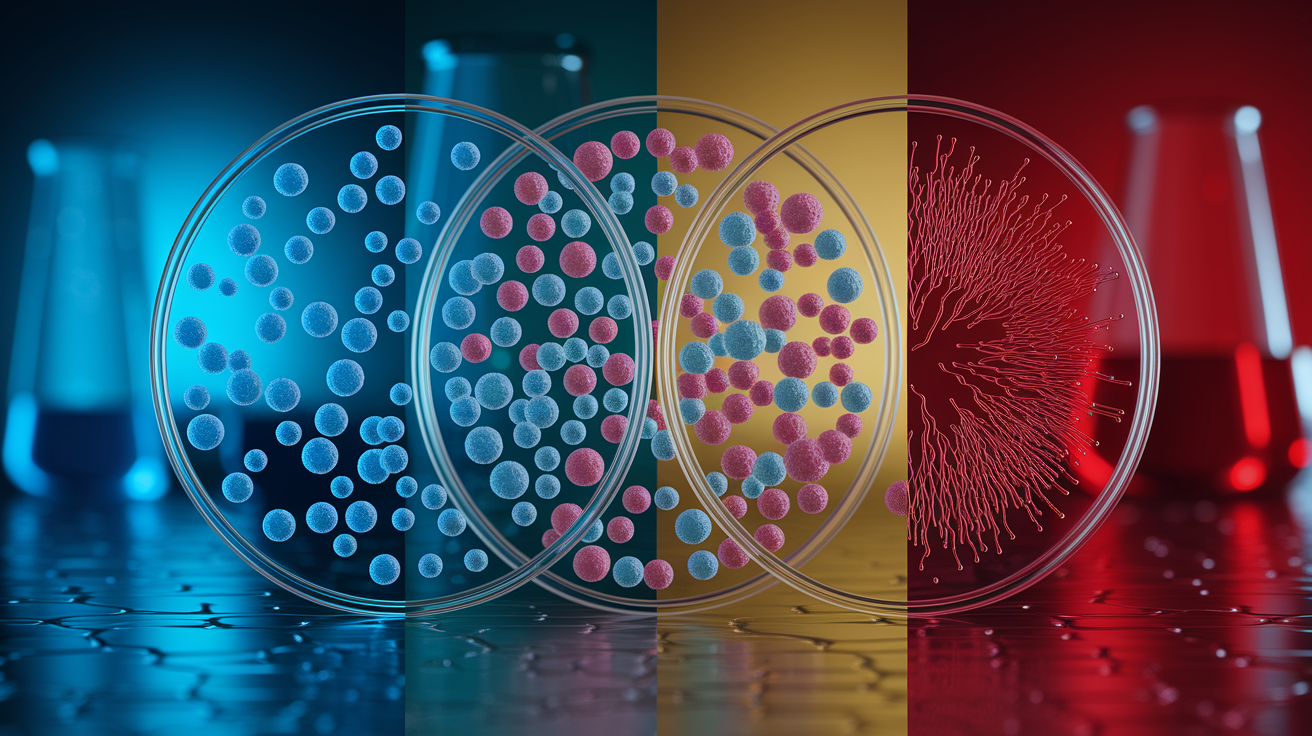
Your gut is home to more than 100 trillion bacteria, along with fungi, viruses, and other microorganisms that form a complex ecosystem. When this ecosystem is balanced, beneficial bacteria outnumber harmful ones, diversity is high, and metabolic activity supports your health. Dysbiosis happens when that balance shifts in one of three ways: you lose beneficial bacteria, overall bacterial diversity drops, or pathogenic bacteria begin to overgrow. Each pattern creates different problems, but all three disrupt normal digestion, immune function, and even mood regulation.
Loss of beneficial bacteria often happens after antibiotic treatment, which kills both harmful and helpful strains indiscriminately. Loss of diversity is typically driven by repetitive, low fiber diets that fail to feed a wide range of bacterial species. Pathogenic overgrowth can result from diets high in saturated fats, processed foods, and refined sugars, which create an environment where harmful bacteria outcompete beneficial ones.
The most common triggers include Western dietary patterns (high in red meat, sugar, and processed ingredients) along with medications like proton pump inhibitors, laxatives, and repeated antibiotic courses. Chronic stress alters gut-brain signaling and shifts bacterial communities toward inflammatory profiles. Sleep deprivation has been directly linked to dysbiosis in recent research. Even short term sleep loss changes the composition of gut flora. Understanding which pattern you’re dealing with helps target the right interventions.
Symptoms of Gut Dysbiosis and How They Present
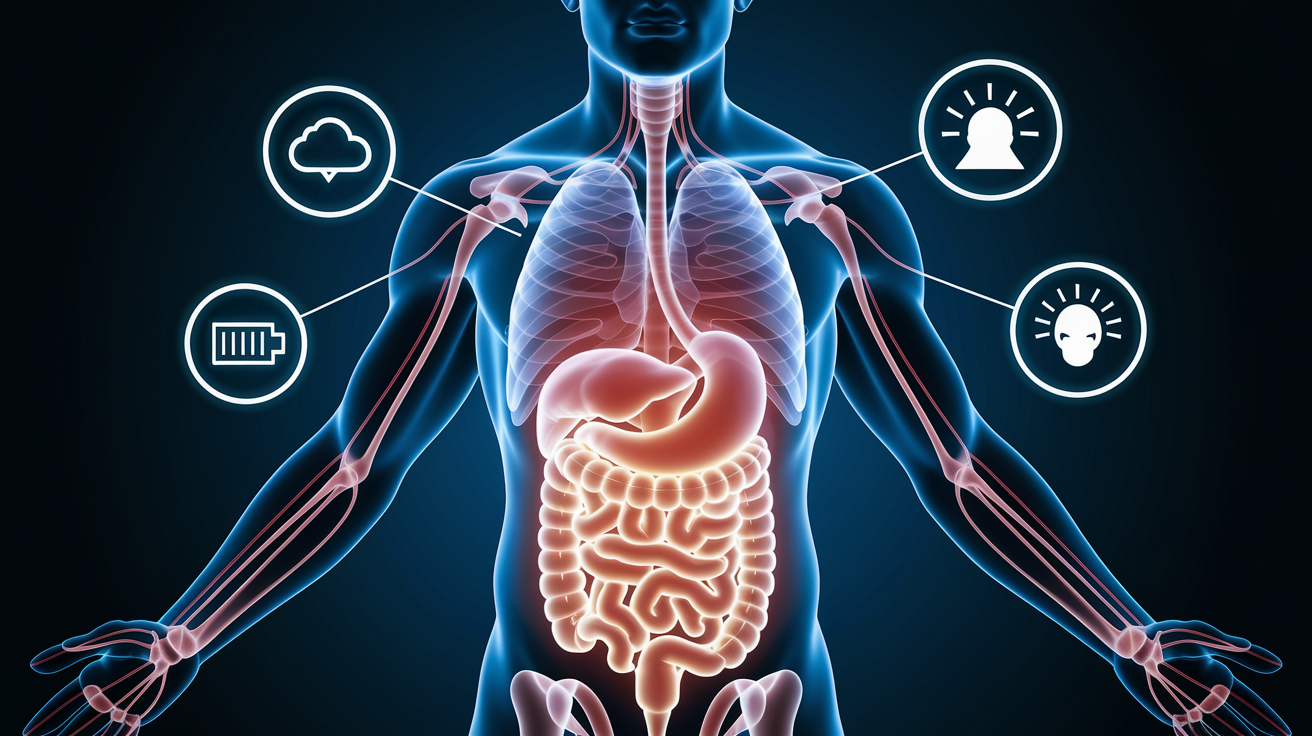
Dysbiosis symptoms fall into two broad categories: digestive and systemic. Digestive symptoms are the most obvious. Frequent gas, bloating, burping, abdominal cramping, constipation, diarrhea, or alternating between the two. You might also notice mucus in your stool, undigested food particles, fatty or greasy stools, or persistent nausea. These symptoms often worsen after meals, especially meals high in sugar, fat, or hard to digest fibers.
Systemic symptoms are less intuitive but equally common. Many people with dysbiosis experience brain fog, fatigue after eating, persistent sugar and carbohydrate cravings, skin issues like rashes or rosacea, recurrent hives, or food sensitivities that seem to multiply over time. Chronic dysbiosis is also associated with nutrient malabsorption, which can lead to deficiencies in B vitamins, iron, magnesium, and vitamin D. Over the long term, untreated imbalance is linked to anxiety, depression, autoimmune conditions, metabolic syndrome, cardiovascular disease, and inflammatory bowel diseases.
Common symptoms to watch for:
Gas, bloating, and belching after most meals. Constipation, diarrhea, or unpredictable bowel movements. Abdominal pain or cramping unrelated to your menstrual cycle. Mucus, blood, or undigested food in stool. Brain fog or difficulty concentrating, especially after eating. Persistent fatigue or low energy despite adequate sleep. Skin breakouts, rashes, or rosacea flare ups. Food sensitivities or intolerances that develop suddenly or worsen over time.
Diagnostic Testing to Confirm Gut Dysbiosis
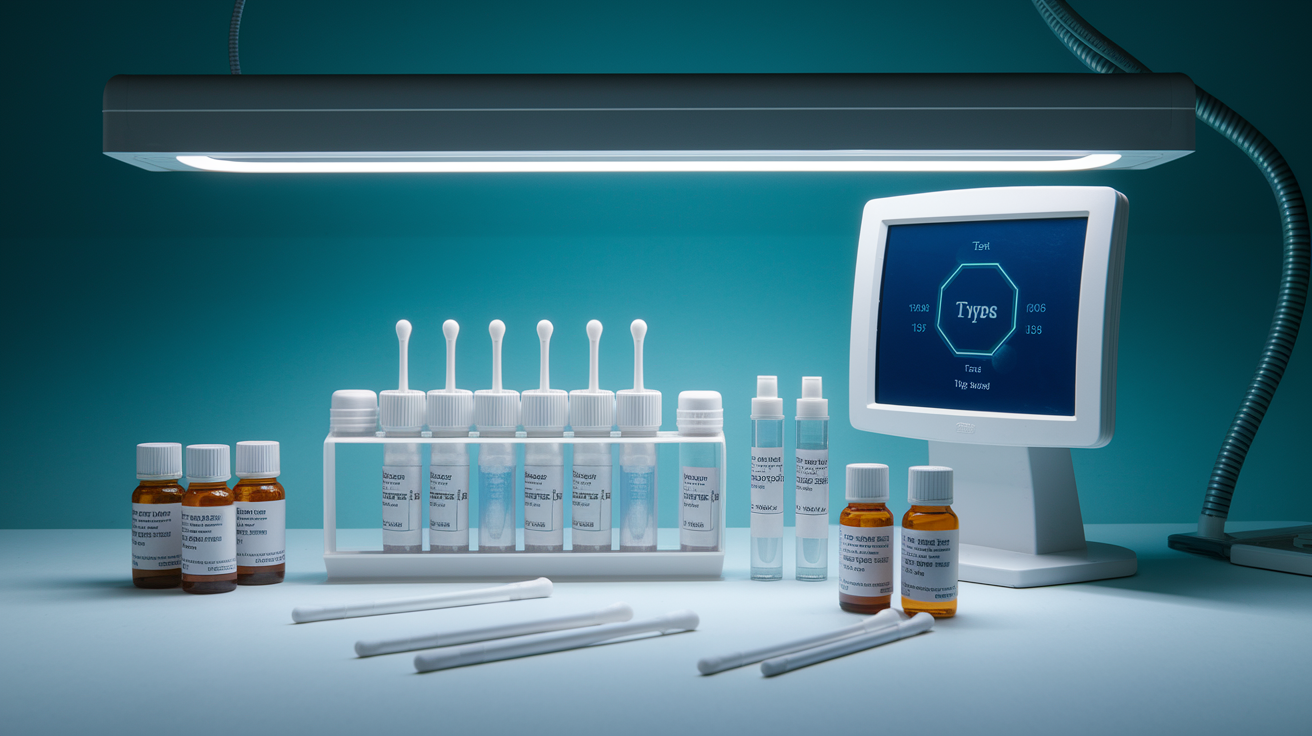
Testing for dysbiosis gives you a clearer picture of what’s happening in your gut and helps tailor your treatment plan. The most common option is a comprehensive digestive stool analysis, which screens for gastrointestinal pathogens, measures levels of beneficial and pathogenic bacteria, assesses markers of intestinal inflammation and immune function, and evaluates metabolic byproducts like short chain fatty acids. These tests are typically at home kits that require a small stool sample sent to a lab for analysis.
If you suspect small intestinal bacterial overgrowth (SIBO), a breath test measures hydrogen, methane, and hydrogen sulfide gas produced by bacteria in the small intestine. Elevated levels of these gases after drinking a sugar solution indicate bacterial overgrowth in the wrong part of your digestive tract. Food sensitivity testing is also useful if you’re dealing with multiple reactive foods. IgE tests identify true allergies, while IgG and IgA panels measure delayed immune reactions to specific foods. Some panels test reactivity to over 200 foods, helping you identify patterns and plan elimination diets more strategically.
Despite how common digestive symptoms are (43% of people in the UK report them), only 59% seek professional help. Many assume bloating or irregular bowel movements are normal. Testing removes guesswork and provides a baseline to measure progress.
| Test Type | What It Measures | When It’s Useful |
|---|---|---|
| Comprehensive Stool Analysis | Bacterial balance, pathogens, inflammation, immune markers, SCFA levels | General dysbiosis, chronic digestive symptoms, post antibiotic imbalance |
| SIBO Breath Test | Hydrogen, methane, hydrogen sulfide gases | Suspected small intestine bacterial overgrowth, bloating after meals, constipation |
| Food Sensitivity Panel (IgG/IgA) | Immune reactivity to 200+ foods | Multiple food intolerances, unexplained inflammation, skin or joint symptoms |
| Blood Panels | Nutrient deficiencies, inflammation markers (CRP), thyroid, vitamin D | Systemic symptoms, fatigue, suspected malabsorption |
Dietary Changes to Fix Gut Dysbiosis at the Root
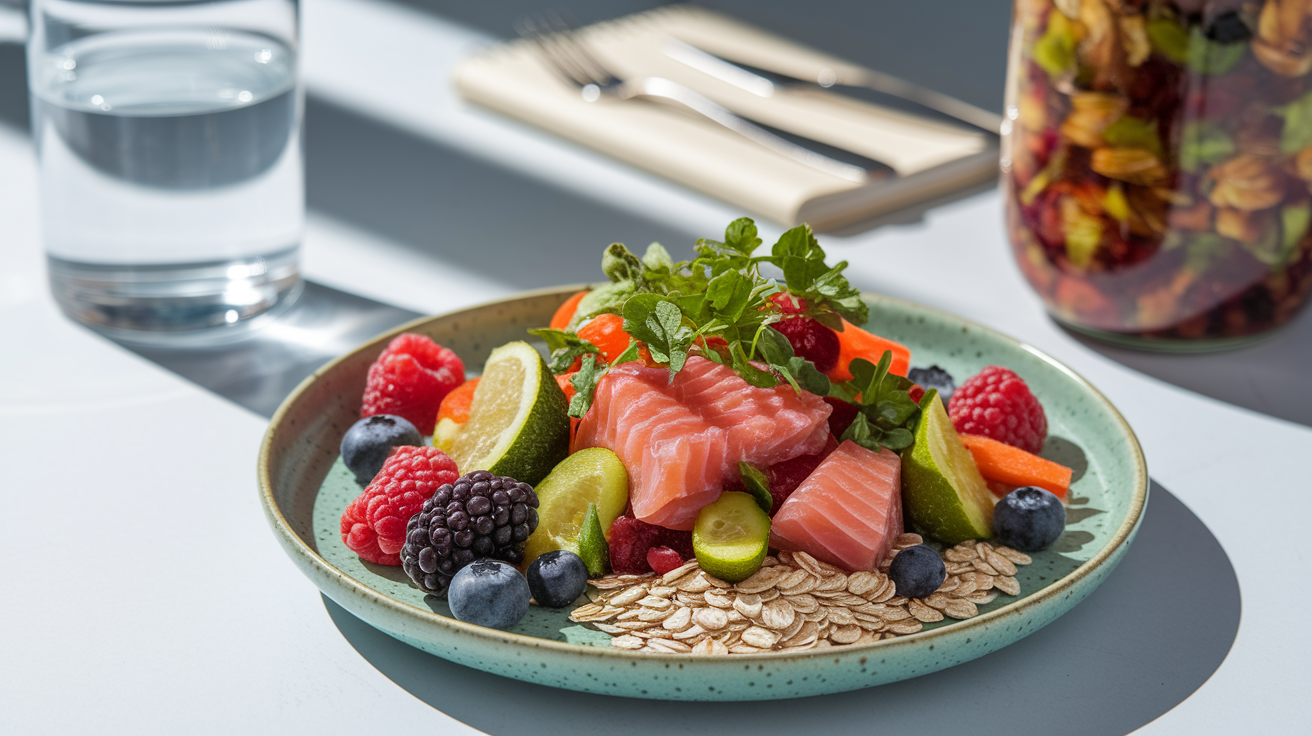
Diet is the most powerful tool for reshaping your microbiome. The bacteria in your gut eat what you eat, so changing your plate changes their environment. The goal is to starve pathogenic bacteria, feed beneficial strains, and increase overall diversity. That means prioritizing whole, fiber rich, plant forward foods while reducing the processed, high sugar, high fat foods that promote inflammation and intestinal permeability (often called “leaky gut”).
Start by adding fermented and probiotic rich foods daily. Kombucha, plain yogurt, sauerkraut, and kimchi introduce live bacteria directly into your system. Prebiotic foods (like onions, garlic, leeks, asparagus, bananas, oats, and flaxseeds) provide the fiber that beneficial bacteria ferment into short chain fatty acids (SCFAs), which heal the gut lining and reduce inflammation. Polyphenol rich foods, including berries, dark leafy greens, green tea, and extra virgin olive oil, also support beneficial bacteria. Aim for variety. Eating the same five vegetables every week won’t build diversity. Rotate your produce, try new whole grains, and include nuts, seeds, and fatty fish like salmon or mackerel for omega 3 fats.
On the other side, typical Western diets high in red meat, refined sugars, saturated fats, and processed foods create the opposite effect. These foods feed pathogenic bacteria, increase gut permeability, and reduce the production of protective SCFAs. Cutting back doesn’t mean perfection, but it does mean being intentional about where your carbohydrates and fats come from.
Foods to increase:
Fermented foods: yogurt, kefir, sauerkraut, kimchi, miso, tempeh. Prebiotic rich vegetables: onions, garlic, leeks, asparagus, artichokes, chicory root. High fiber foods: oats, lentils, beans, flaxseeds, chia seeds, whole grains. Polyphenol rich foods: berries, leafy greens, green tea, dark chocolate (85%+), olive oil. Fatty fish: salmon, sardines, mackerel for omega 3 anti inflammatory support. Colorful vegetables and fruits to maximize plant compound diversity.
Foods to reduce or avoid:
Refined sugars and sweetened beverages. White flour products: white bread, pastries, most packaged snacks. Processed meats: bacon, sausage, deli meats high in preservatives. Fried foods and trans fats. Artificial sweeteners (especially aspartame and sucralose, which alter gut bacteria). Excess alcohol, particularly beer and sugary mixed drinks.
Probiotics, Prebiotics, Synbiotics, and Postbiotics for Dysbiosis Recovery
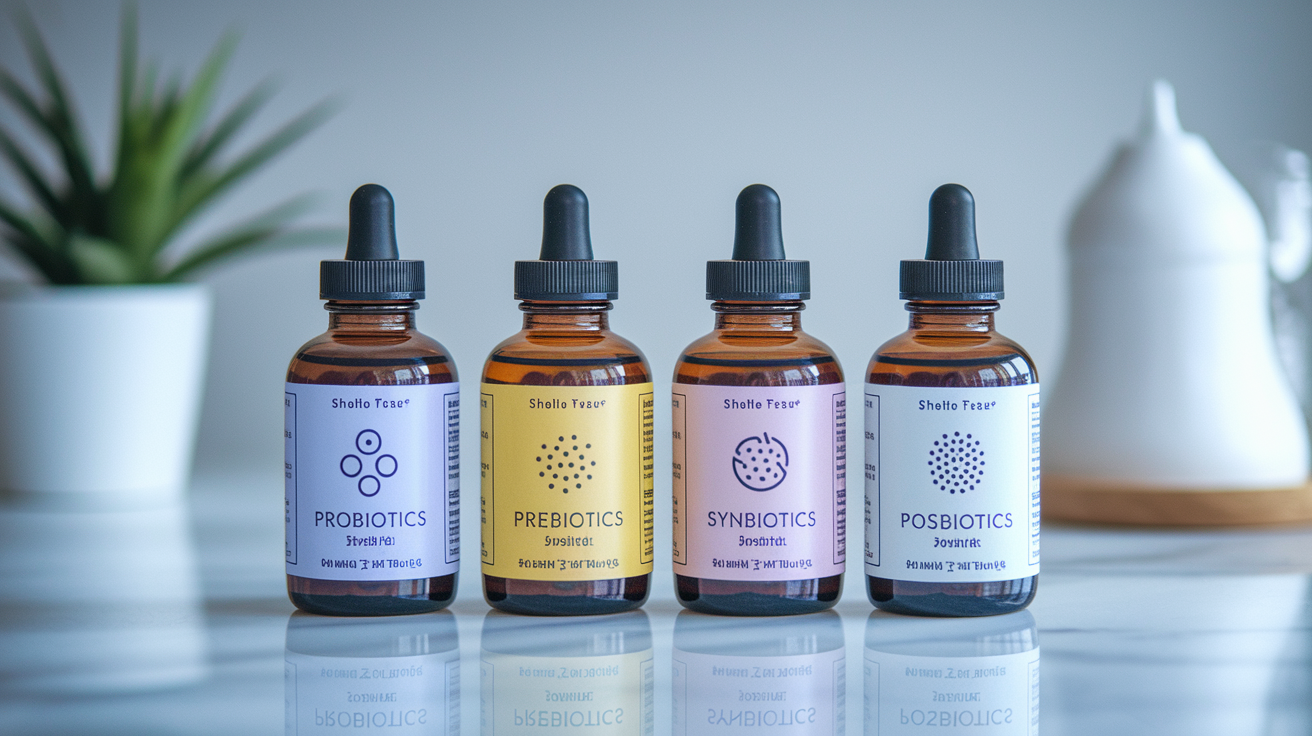
Supplementing with targeted bacteria and their food sources accelerates recovery when diet alone isn’t enough. Understanding the difference between probiotics, prebiotics, synbiotics, and postbiotics helps you choose the right product for your situation.
Probiotics
Probiotics are live bacteria and yeast strains that repopulate your gut with beneficial microbes. The minimum effective dose cited in research is at least 8.5 billion CFUs (colony forming units) per day, though many therapeutic protocols use 25 to 100 billion CFUs during active treatment. Multi strain formulas tend to work better than single strain products because they support diversity. Look for products that list specific strains (such as Lactobacillus acidophilus, Bifidobacterium longum, or Saccharomyces boulardii) and check whether they require refrigeration. Some people experience temporary bloating or mild digestive upset when starting probiotics. Start with a lower dose and increase gradually over one to two weeks.
Prebiotics
Prebiotics are non digestible fibers that feed the beneficial bacteria already in your gut. Inulin powder is one of the most studied and widely available prebiotic supplements. It’s derived from chicory root and can be mixed into water, smoothies, or oatmeal. Start with a small dose (around 2 to 5 grams per day) because too much too soon can cause gas and bloating. Prebiotics work synergistically with dietary fiber, so don’t rely on a supplement alone. Whole food sources like onions, garlic, bananas, and oats provide a range of fibers that support different bacterial species.
Synbiotics
Synbiotics combine probiotics and prebiotics in one formula, delivering both the bacteria and the fuel they need to colonize effectively. These products are especially useful after antibiotic courses or during active dysbiosis treatment, when you’re trying to rebuild bacterial populations quickly. They’re more expensive than standalone probiotics or prebiotics, but the combined effect can shorten recovery time if you’re starting from a depleted baseline.
Postbiotics
Postbiotics are the metabolic byproducts of bacterial fermentation, primarily short chain fatty acids like butyrate, acetate, and propionate. These compounds support the gut lining, reduce inflammation, and regulate immune function. Some supplements now contain butyrate directly, which can be helpful if your gut isn’t producing enough SCFAs on its own due to low fiber intake or reduced bacterial diversity. Postbiotics are particularly useful for people who can’t tolerate probiotics due to histamine sensitivity or SIBO.
Lifestyle Factors That Influence Dysbiosis and How to Address Them

Gut health doesn’t exist in isolation. Stress, sleep, movement, and even your oral hygiene all influence the composition and function of your microbiome. Chronic stress disrupts the gut brain axis, shifting bacterial populations toward inflammatory profiles and increasing intestinal permeability. Sleep deprivation has been directly linked to dysbiosis in recent studies, with effects showing up after just a few nights of poor sleep. Exercise, on the other hand, consistently improves microbial diversity and supports beneficial bacterial strains.
To support gut healing, aim for two to five exercise sessions per week. These can range from 15 minute walks to 60 minute resistance or cardio sessions. Movement stimulates gut motility, reduces inflammation, and increases the production of SCFAs. Stress reduction practices (such as yoga, meditation, journaling, or simply spending time with people you trust) directly improve gut brain communication. Even a 10 minute evening mindfulness session before bed can reduce cortisol and protect your microbiome. Sleep hygiene matters more than most people realize. Aim for seven to nine hours per night and try to go to bed and wake up at the same time every day. Morning sunlight exposure within the first hour of waking helps reset your circadian rhythm, which in turn regulates bacterial activity in your gut.
Daily habits to integrate:
Walk for 15 to 30 minutes after at least one meal each day. Practice a stress reduction technique (breathing, meditation, stretching) for 10 minutes before bed. Get morning sunlight within an hour of waking to support circadian rhythm. Prioritize consistent sleep and wake times, aiming for 7 to 9 hours per night. Brush and floss daily. Oral bacteria can migrate to the gut and contribute to dysbiosis.
Targeted Medical and Natural Therapies for Gut Dysbiosis
In some cases, dietary and lifestyle changes aren’t enough to clear pathogenic bacteria or restore balance. This is where targeted antimicrobial therapies (both medical and botanical) come into play. Prescription antibiotics like rifaximin are sometimes used to treat small intestinal bacterial overgrowth (SIBO), especially when breath tests confirm methane or hydrogen dominance. Rifaximin works locally in the gut with minimal systemic absorption, making it a relatively safe option when medically indicated. However, antibiotics should be used cautiously because they can further reduce diversity if not paired with probiotic and prebiotic support during and after treatment.
Herbal antimicrobials offer a gentler alternative and are often used in functional medicine protocols. Oregano oil, berberine, and garlic extract have broad spectrum antimicrobial properties that target pathogenic bacteria, yeast, and parasites without wiping out beneficial strains as aggressively as prescription antibiotics. Ginger acts as a natural prokinetic, speeding up gut motility and preventing bacterial overgrowth in the small intestine. These botanicals are typically cycled over two to four weeks, followed by a rest period and re evaluation. Some people combine herbal protocols with probiotics to repopulate beneficial bacteria as pathogens are cleared.
When Antimicrobials Are Appropriate
Antimicrobial therapy is appropriate when testing confirms a pathogenic overgrowth (such as Candida, H. pylori, or specific bacterial strains) or when symptoms are severe and unresponsive to diet alone. It’s not appropriate as a first line intervention for mild bloating or occasional digestive discomfort. Antimicrobials, whether pharmaceutical or herbal, should always be supervised by a healthcare provider trained in gut health. Unsupervised use can worsen dysbiosis, create resistant strains, or cause side effects like nausea, diarrhea, or die off reactions (Herxheimer response). If you’re considering antimicrobial treatment, request testing first and work with a practitioner who will monitor your progress and adjust the protocol based on your response.
Healing the Gut Lining and Reducing Inflammation
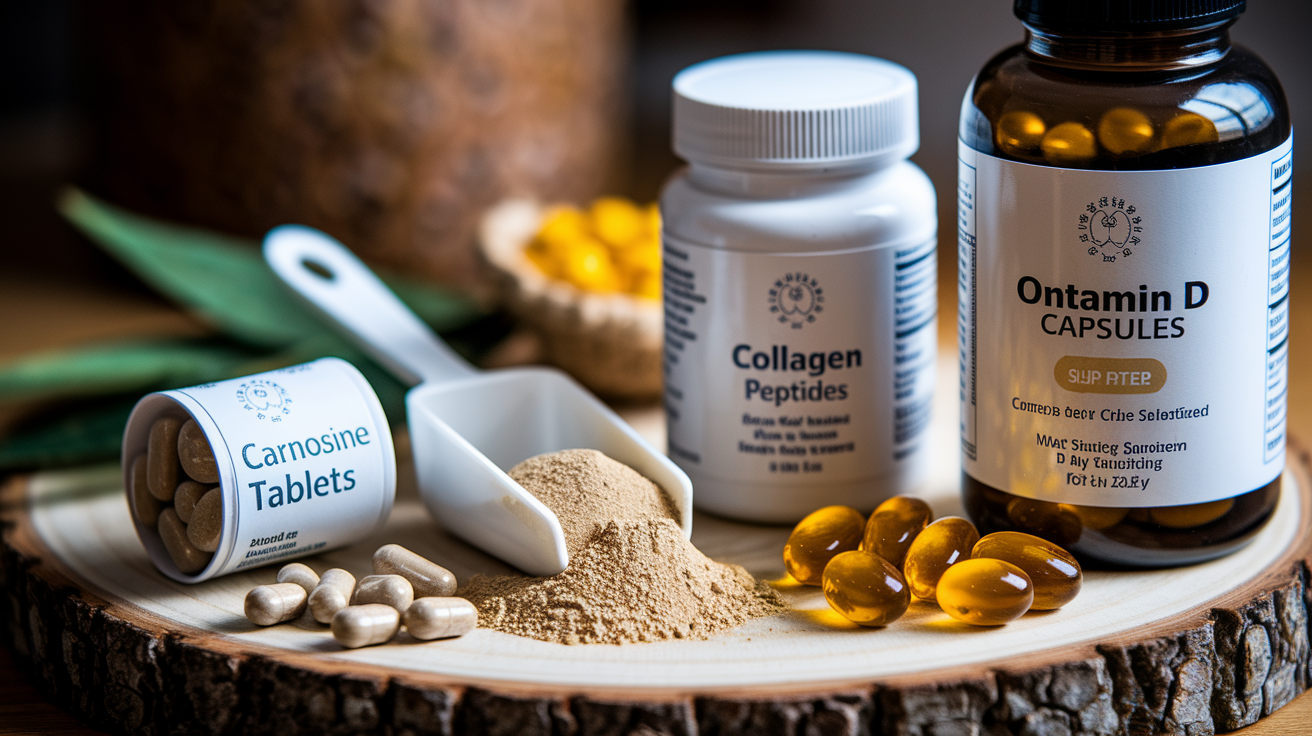
Even after you’ve addressed bacterial imbalance, your gut lining may still be compromised. Chronic dysbiosis increases intestinal permeability, allowing partially digested food particles, toxins, and bacteria to cross into the bloodstream. This triggers systemic inflammation and immune activation, which perpetuates symptoms even after microbial balance improves. Healing the gut lining is a separate but essential step in full recovery.
Zinc carnosine is one of the most studied mucosal repair agents. It supports the integrity of tight junctions between intestinal cells and reduces inflammation in the stomach and intestinal lining. L glutamine is an amino acid that serves as primary fuel for enterocytes, the cells lining your gut. It’s particularly useful during active inflammation or after antibiotic treatment. Collagen peptides provide the building blocks for connective tissue repair throughout the digestive tract. Omega 3 fatty acids from fish oil or algae reduce inflammatory signaling and support the production of anti inflammatory compounds. Vitamin D deficiency is strongly linked to dysbiosis and impaired mucosal immunity. Supplementing with vitamin D3 (typically 2,000 to 5,000 IU daily, depending on blood levels) has shown benefits across diverse populations.
These interventions work best when combined with an anti inflammatory diet low in processed foods, refined sugars, and excess saturated fats. Western dietary patterns high in these ingredients actively damage the gut lining and counteract even the best supplements. Think of gut lining repair as a rebuilding project. You can’t renovate a house while it’s still being torn down. Remove the damage first, then add the repair materials.
Stepwise Plan to Restore Microbiome Balance Over Time
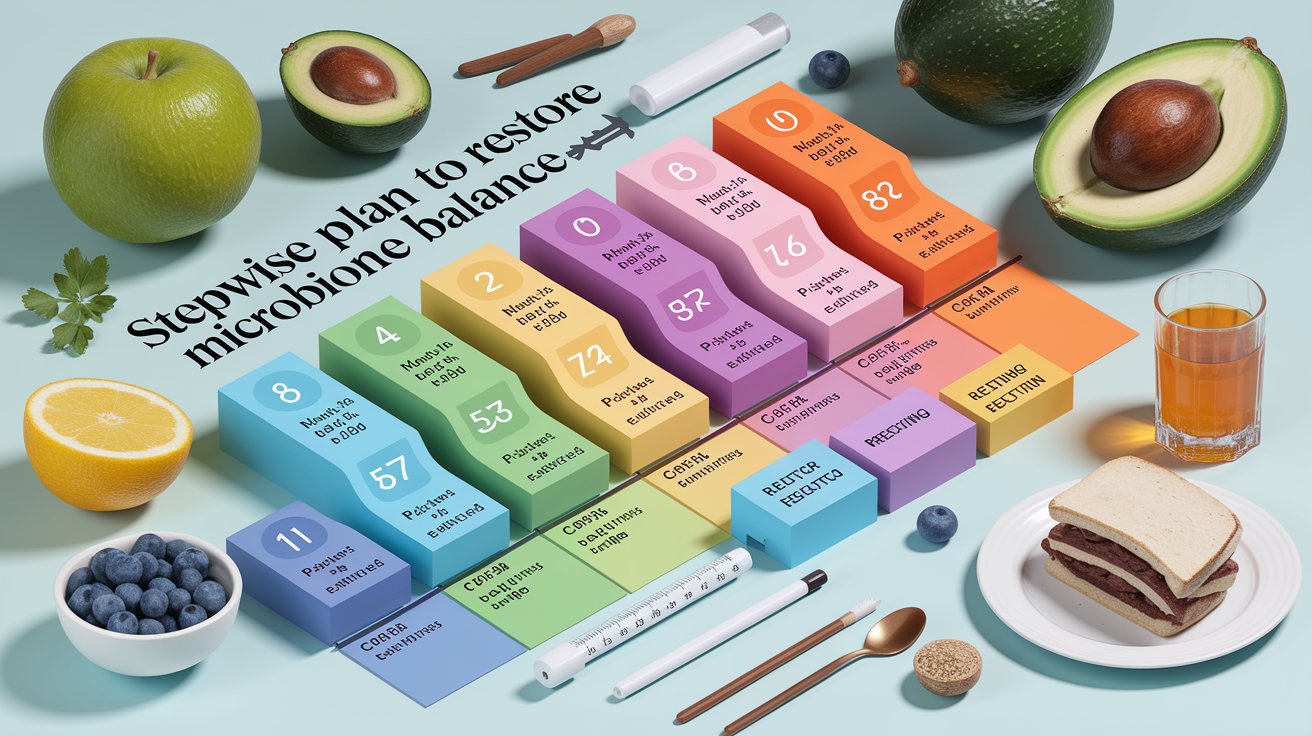
Restoring gut balance is a process, not an event. Recovery timelines vary based on the severity of dysbiosis, your starting diet, stress levels, and whether you’ve had recent antibiotic exposure. Most people see noticeable improvement within two to four weeks of consistent dietary and lifestyle changes, but full recovery (including symptom resolution and stable microbial diversity) can take three to six months or longer.
Week 1: Remove and reduce. Cut added sugars, refined carbohydrates, and processed foods. Start a food and symptom journal to track patterns.
Week 2: Add fermented foods and increase fiber. Introduce one serving of yogurt, sauerkraut, or kimchi daily. Add one new high fiber food (oats, lentils, flaxseeds) to your routine.
Week 3: Start a probiotic supplement. Choose a multi strain formula with at least 8.5 billion CFUs. Take it consistently, ideally with food.
Week 4: Optimize sleep and stress. Set a consistent sleep schedule, aim for 7 to 9 hours per night, and add a 10 minute stress reduction practice before bed.
Weeks 5–8: Increase vegetable variety and movement. Rotate your vegetables weekly to maximize fiber diversity. Add 2 to 5 exercise sessions per week, starting with short walks if needed.
Weeks 9–12: Consider targeted supplements. Based on symptoms and testing, add prebiotics, zinc carnosine, omega 3s, or vitamin D as needed. Monitor symptom changes and adjust accordingly.
Month 4 and beyond: Maintain and monitor. Continue daily probiotics, high fiber eating, and lifestyle habits. Retest stool or breath markers if symptoms plateau or return.
Most people notice digestive symptoms improving first. Less bloating, more regular bowel movements, reduced cramping. Systemic symptoms like brain fog, fatigue, and skin issues typically take longer to resolve because they depend on reducing systemic inflammation and repairing nutrient absorption. Patience and consistency matter more than perfection.
When to Seek Professional Guidance for Dysbiosis
Some symptoms require immediate medical evaluation, and some patterns of dysbiosis won’t resolve without professional testing and oversight. If you’re experiencing any red flags, schedule an appointment with a gastroenterologist or functional medicine practitioner trained in gut health before attempting self treatment.
Red flags that warrant professional care:
Blood in your stool (bright red, dark, or black tarry stool). Severe, persistent abdominal pain that wakes you at night or limits daily activity. Unintentional weight loss of more than 5% of body weight over three months. Chronic diarrhea lasting more than two weeks despite dietary changes. Persistent vomiting or inability to keep food or liquids down. New or worsening symptoms after age 50, especially with a family history of inflammatory bowel disease or colorectal cancer.
Even without red flags, professional guidance is recommended if symptoms don’t improve after four to six weeks of consistent dietary and lifestyle changes, if you’ve had multiple rounds of antibiotics in the past year, or if you’re dealing with complex medical conditions like autoimmune disease, diabetes, or chronic fatigue syndrome. A clinician trained in functional or integrative medicine can order comprehensive stool testing, interpret results in the context of your full health history, and create a personalized treatment plan that combines diet, targeted supplements, and (when necessary) prescription therapies. Lab tests also help track progress objectively, so you’re not guessing whether your interventions are working.
Final Words
Start with one immediate step—swap a sugary snack for something with fiber, take a short walk after meals, or try a simple probiotic. Small moves add up fast.
This post walked you through what dysbiosis can feel like, quick tests, diet tweaks, supplements, lifestyle fixes, lining repair, and a stepwise plan to follow.
Try one change this week and track how you feel. That steady approach shows how to fix gut dysbiosis and rebuild balance—slow, doable progress leads to real results.
FAQ
Q: How can I heal my gut dysbiosis naturally?
A: The best way to heal gut dysbiosis naturally is to reduce sugar and processed carbs, eat more fiber and fermented foods, try pre/probiotics, improve sleep, manage stress, and move daily.
Q: How long does it take to fix gut dysbiosis?
A: Fixing gut dysbiosis takes anywhere from a few weeks to several months; some symptoms improve in days, but restoring diversity and resilience often needs consistent diet, probiotics, lifestyle changes, and monitoring over months.
Q: What are signs of gut dysbiosis?
A: Signs of gut dysbiosis include persistent gas and bloating, constipation or diarrhea, mucus or undigested food in stool, fatigue after meals, brain fog, skin rashes, and new food sensitivities or strong cravings.