

Think chugging water is all you need for a headache? Not always.
If you often get a dull, persistent ache after sweating, vomiting, or skipping meals, low electrolytes may be the real cause.
Magnesium, sodium, and potassium each play a different role, calming nerves, helping hold onto fluid, and keeping muscles and nerves working.
This post explains how those minerals affect headaches, when each one helps most, and simple food-based steps you can try in the next 3–7 days to feel better fast.
Key Electrolytes That Help Relieve Headaches
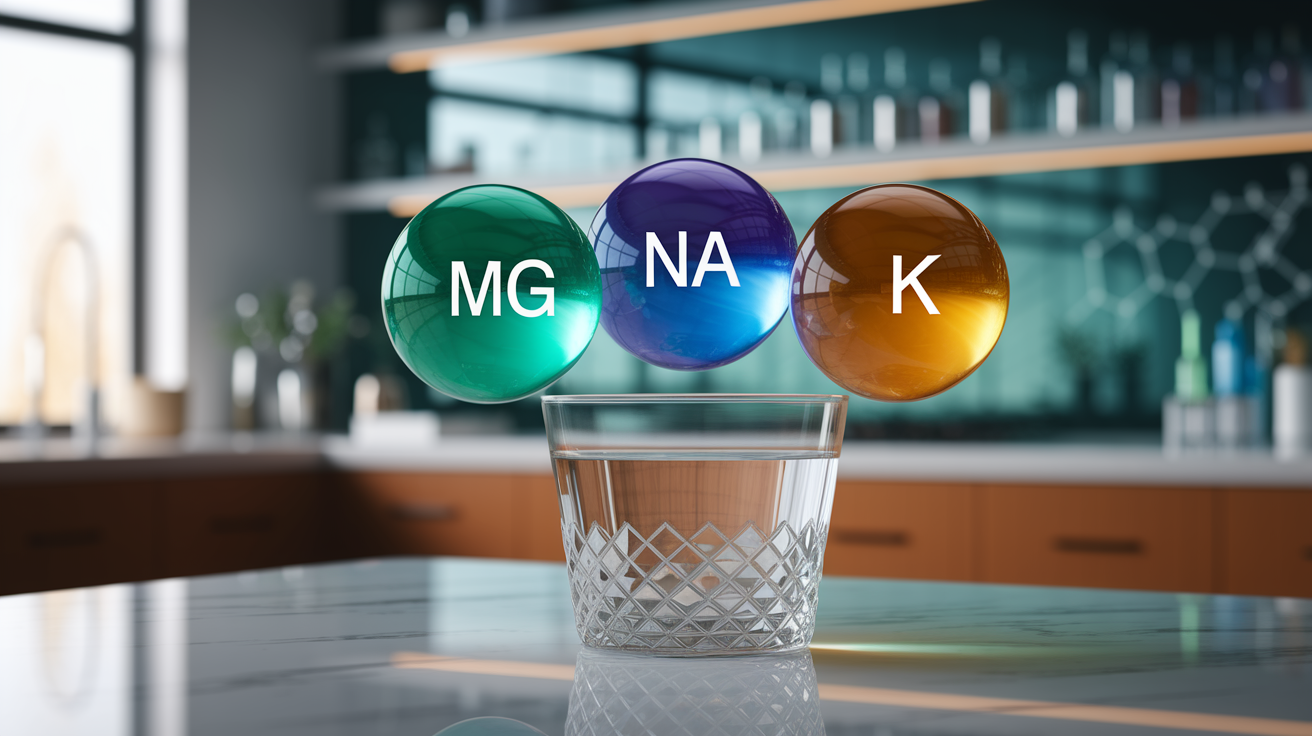
Three electrolytes stand out when it comes to headache relief: magnesium, sodium, and potassium. Magnesium deficiency is strongly linked to both tension headaches and migraines because it helps regulate nerve signaling and blood vessel function. Sodium and potassium work together to control fluid balance throughout your body, including in your brain tissue. When these minerals are out of balance, you’re more likely to experience dehydration headaches or worsen existing head pain.
Each of these electrolytes supports a different part of the headache prevention picture. Magnesium keeps your nerves calm and your blood vessels stable, which matters because erratic blood vessel contraction and dilation can trigger migraines. Sodium helps your body hold onto water. Potassium supports proper nerve transmission and muscle relaxation. When you’re well hydrated and these three minerals are balanced, your brain tissue maintains healthy fluid levels and your nerves communicate smoothly.
Electrolyte headaches usually happen after heavy sweating, during illness with vomiting or diarrhea, or when you’re not eating enough mineral rich foods over several days. You might notice a dull, persistent ache that feels worse when you stand up or move quickly.
Here’s when each electrolyte is most helpful:
Magnesium works best for preventing frequent migraines and tension headaches, especially if you notice muscle tightness in your neck and shoulders. Sodium helps most when you’ve been sweating heavily or losing fluids through illness and your headache comes with dizziness or unusual thirst. Potassium is key after prolonged exercise or when you’ve had digestive upset that depletes minerals, particularly if you feel weak or crampy alongside the headache.
How Electrolytes Influence Headache Mechanisms
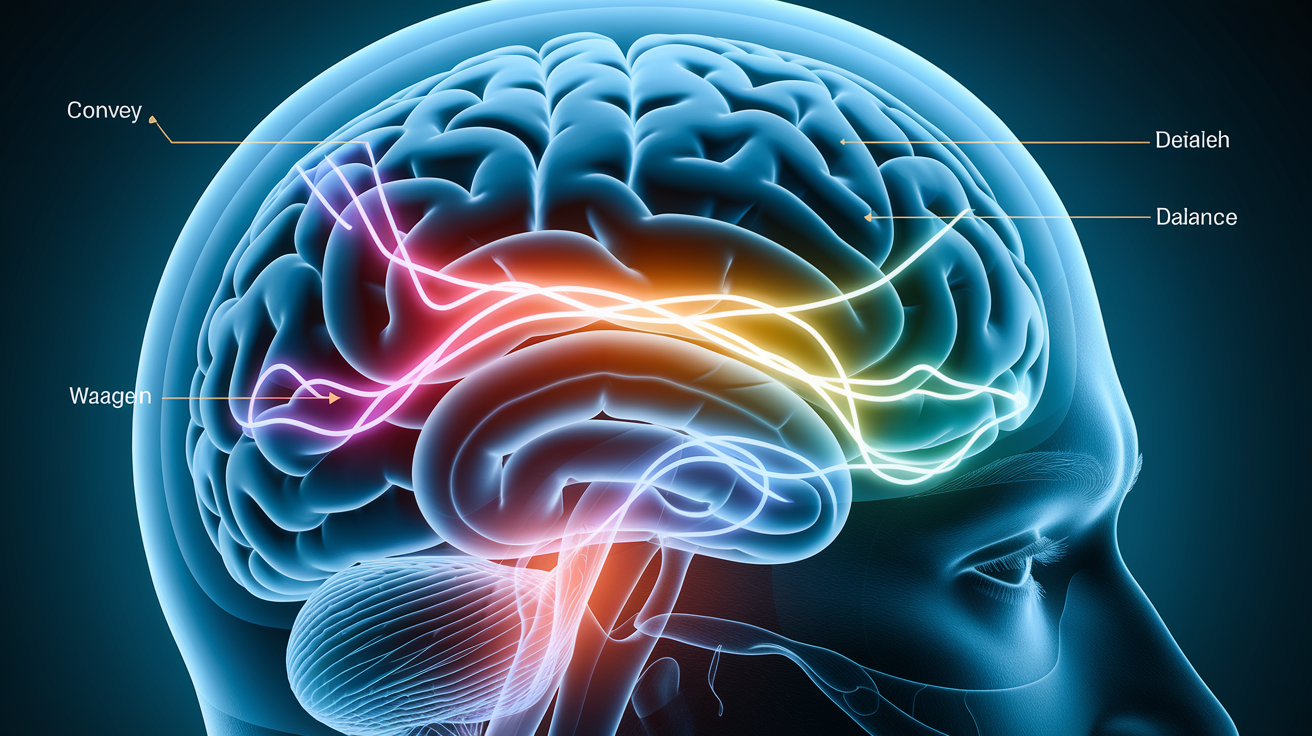
Dehydration headaches happen when your body loses more fluid than it takes in. Blood volume drops and blood vessels in your brain narrow slightly. That constriction cuts down oxygen and nutrient delivery to brain tissue, which registers as pain. At the same time, mild dehydration causes the brain to pull away slightly from the skull. It’s a protective response that creates tension on the membranes around your brain and triggers a headache. Sodium and potassium are the two minerals that regulate how much water stays inside and outside your cells. When those levels drop, your cells can’t hold onto water properly, and dehydration symptoms show up faster even if you’ve been drinking plain water.
Magnesium influences headache mechanisms in a different way. It stabilizes nerve cells and prevents them from becoming overly excitable, which is important because migraines often start with waves of abnormal electrical activity in the brain. Magnesium also helps relax blood vessel walls, reducing the rapid constriction and dilation cycle that drives migraine pain. Potassium supports muscle and nerve function by maintaining the electrical charge across cell membranes. When potassium is low, nerve signals can misfire. Muscles, including the smooth muscle in blood vessel walls, may cramp or contract unevenly. That instability can turn a mild headache into a more persistent or severe one, especially if you’re already prone to tension or migraine.
Recommended Intake Levels for Key Electrolytes
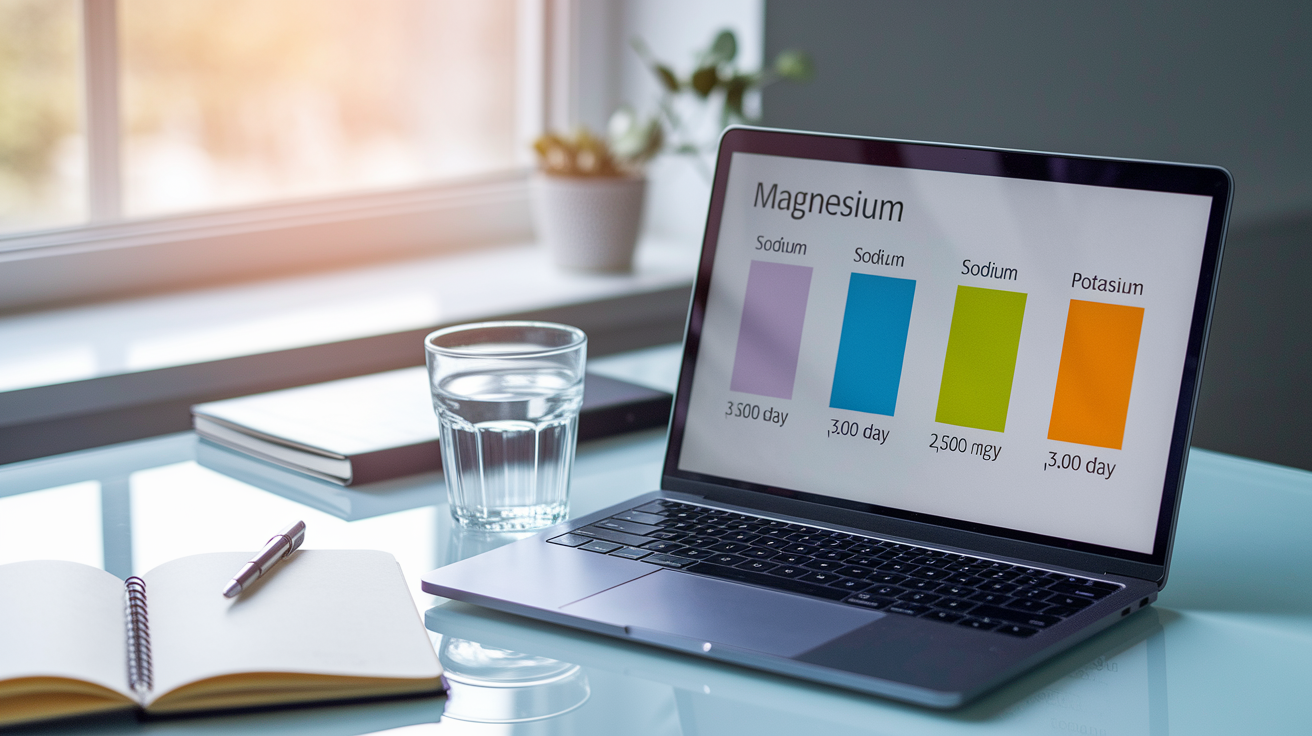
Most adults need consistent daily intake of magnesium, sodium, and potassium to prevent deficiency headaches. These levels vary slightly by age and sex, and your individual needs may be higher if you exercise heavily, sweat often, or have a condition that affects mineral absorption. The table below outlines general adult guidelines, but always talk to a healthcare provider if you’re considering supplements or have symptoms that suggest imbalance.
| Electrolyte | Recommended Intake | Notes |
|---|---|---|
| Magnesium | 310–420 mg/day | Women typically need 310–320 mg; men 400–420 mg. Higher doses (up to 600 mg) are sometimes used for migraine prevention under medical guidance. |
| Sodium | 1,500–2,300 mg/day | Needs increase with heavy sweating or fluid loss. Excess sodium can raise blood pressure, so balance matters. |
| Potassium | 2,600–3,400 mg/day | Women need about 2,600 mg; men around 3,400 mg. Most people fall short of this target through diet alone. |
It’s common to undershoot magnesium and potassium while overshooting sodium if you eat a lot of processed food. Aim to meet these targets through whole foods first. Consider an electrolyte powder or supplement only if your diet or activity level makes it hard to keep up.
Food and Supplement Sources of Helpful Electrolytes
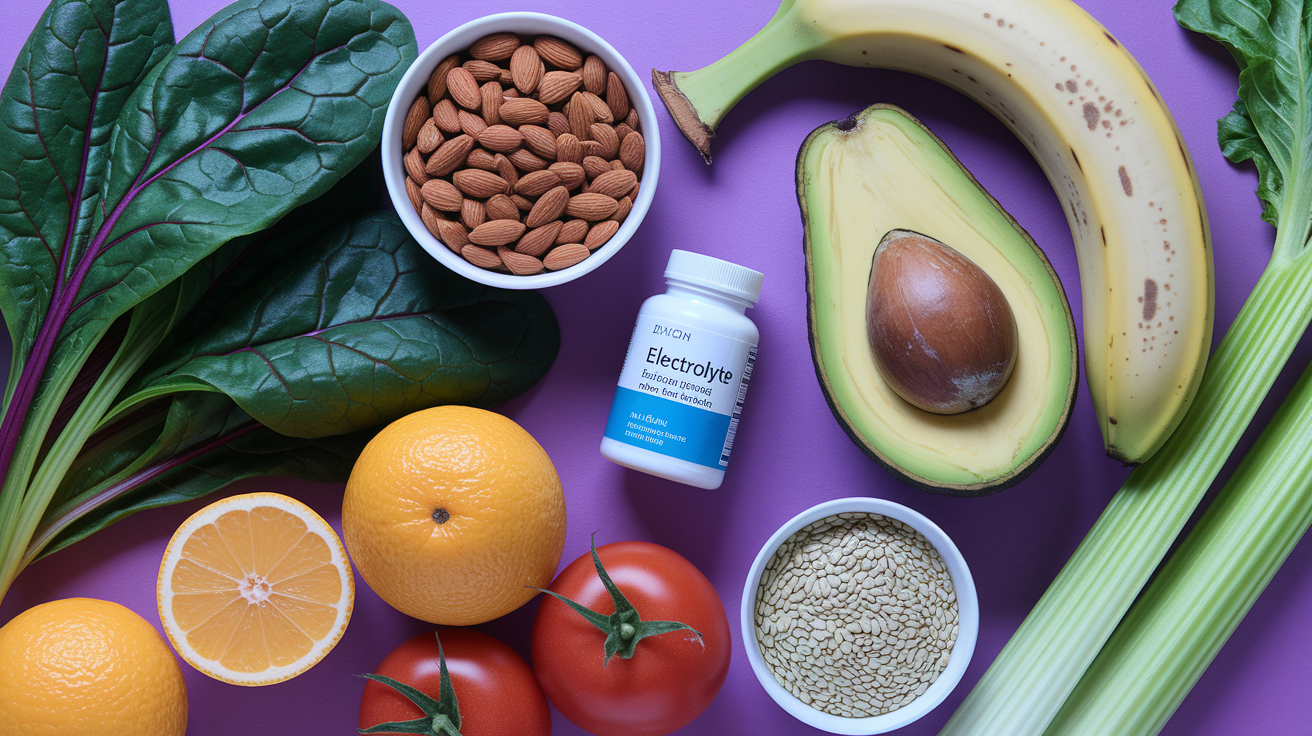
Getting magnesium, sodium, and potassium from food is usually the easiest and safest route. Leafy greens like spinach and Swiss chard are packed with magnesium, and nuts, seeds, and legumes add even more. Bananas, avocados, and potatoes are classic potassium sources, while citrus fruits and tomatoes also contribute solid amounts. Sodium is easy to get from table salt, but you can also find it naturally in celery, beets, and even some dairy products. Eating a variety of whole foods every day usually covers your bases without strict tracking.
If your diet is limited, you exercise intensely, or you have a condition that affects absorption, a supplement or electrolyte powder may help fill the gaps. Look for magnesium glycinate or citrate for better absorption. Choose formulas that balance all three key electrolytes without added sugar or artificial ingredients. Electrolyte powders can be especially useful after illness or long workouts, but they’re not a replacement for consistent, nutrient dense eating. If you’re unsure whether you need extra support, ask your doctor or a dietitian to review your intake and symptoms.
Top natural food sources for each electrolyte:
Magnesium: pumpkin seeds, almonds, black beans, dark chocolate, spinach, whole grains. Sodium: sea salt, pickles, olives, cottage cheese, canned soup, celery. Potassium: sweet potatoes, white beans, bananas, avocados, oranges, yogurt.
Preventing Headaches with Better Hydration and Electrolyte Balance

Consistent hydration is one of the simplest ways to reduce headache frequency, but plain water alone isn’t always enough if you’re losing minerals through sweat or stress. Aim to sip water throughout the day rather than chugging large amounts all at once. A good starting point is about 8 to 10 cups daily for most adults, and more if you’re active or it’s hot outside. If you notice your urine is darker than pale yellow or you feel thirsty often, bump up your intake. Pair your water with meals that include magnesium, sodium, and potassium so your body has the minerals it needs to actually use that hydration.
Balancing electrolytes in your daily routine doesn’t have to be complicated. Start your morning with a glass of water and a magnesium rich breakfast like oatmeal with almonds and banana. Add a pinch of sea salt to your meals if you sweat heavily or feel lightheaded during the day. Keep potassium rich snacks like avocado or a handful of nuts within reach, especially on days when you skip meals or push through long work stretches. If you exercise or spend time outside in the heat, sip an electrolyte drink during or right after activity to replace what you’ve lost. Small, steady habits beat scrambling to rehydrate once a headache has already started.
When Electrolyte Related Headaches Require Medical Attention
Most electrolyte imbalances are mild and improve with better hydration and food choices. But severe deficiency or excess can be dangerous. If your headache is accompanied by confusion, extreme dizziness, muscle spasms that won’t stop, or an irregular heartbeat, get medical help right away. These symptoms suggest a serious imbalance that needs lab testing and targeted treatment. You can’t diagnose an electrolyte problem at home, and adding supplements without knowing your levels can make things worse.
See a doctor if your headaches are persistent, getting worse, or not responding to hydration and rest. Certain conditions like kidney disease, heart disease, or eating disorders increase your risk of electrolyte trouble. Some medications like diuretics, laxatives, corticosteroids can disrupt mineral balance even when taken as prescribed. A simple blood panel can show exactly which electrolytes are off and guide the safest next steps.
Warning signs that need medical evaluation:
Severe or sudden headache with confusion, slurred speech, or vision changes. Muscle weakness, spasms, or loss of muscle control that persists. Rapid or irregular heartbeat, chest pain, or trouble breathing. Persistent vomiting, diarrhea, or extreme thirst that doesn’t improve with fluids.
Final Words
Reach for a magnesium-rich snack or a small salty sip when a headache starts — this post showed magnesium, sodium, and potassium are the key electrolytes that often ease headaches. We explained how they help nerve signals and fluid balance, gave intake ranges, shared food and supplement sources, suggested hydration habits, and flagged when to see a clinician.
If you’re asking what electrolytes help with headaches, start with magnesium and keep sodium and potassium steady through food and regular fluids. Try small changes for a few days and see what helps.
FAQ
Q: What electrolytes are good for headaches?
A: The electrolytes good for headaches are magnesium, sodium, and potassium. Magnesium supports nerve signaling and can lower migraine or tension risk, while sodium and potassium help fluid balance to prevent dehydration headaches.