

What if snacking all day is the reason you crash at 3 p.m.?
You’re not imagining the sugar swings, and it’s more common than you think.
When you eat too close together, insulin stays high and glucose waves stack, leaving you wired then low.
A practical sweet spot is about 3 to 5 hours between full meals.
This gives your body time to digest, use the glucose, and let insulin settle back so energy stays steady.
In this post I’ll show simple timing tips and small swaps that work for busy days.
Optimal Timing Between Meals for Stable Blood Sugar
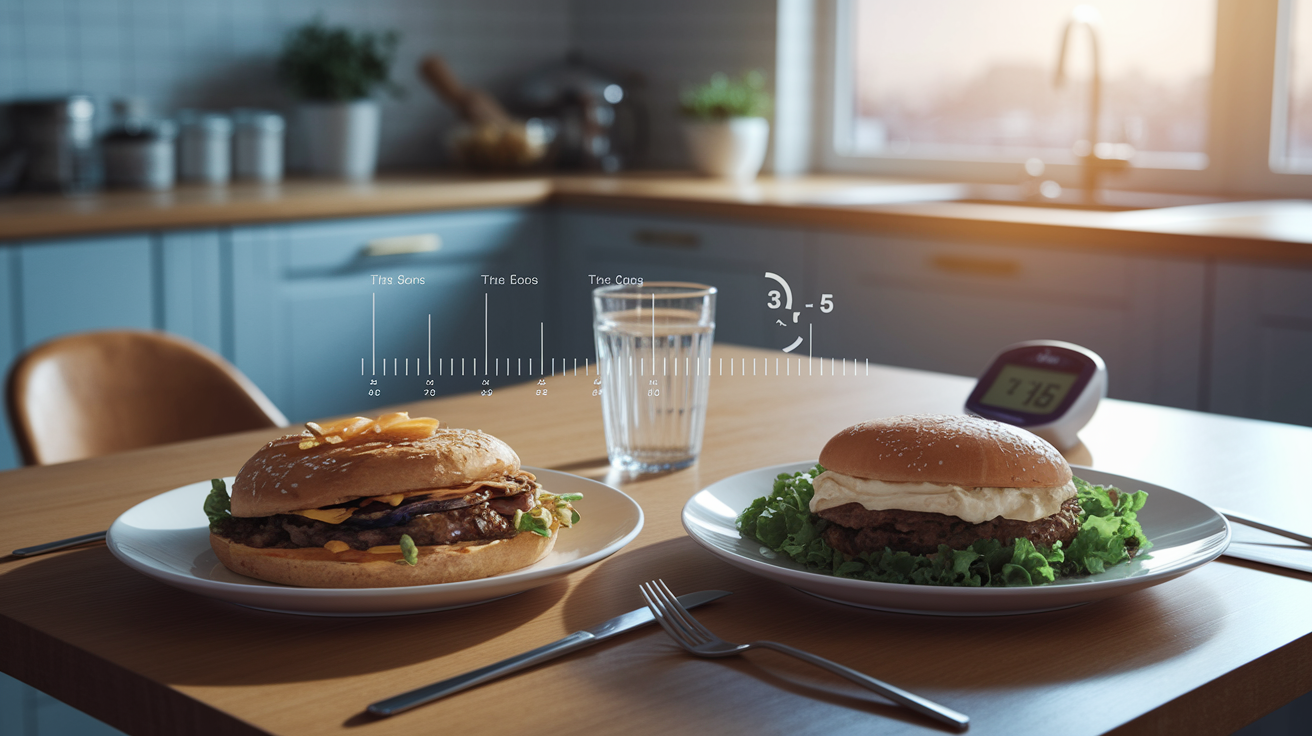
The sweet spot for meal spacing? About 3 to 5 hours between full meals. That window gives your body enough time to digest, use the glucose from what you just ate, and bring insulin back toward baseline before you eat again.
Here’s what happens when you eat. Blood sugar climbs as carbs break down into glucose. Your pancreas sends out insulin to move that glucose into cells. Glucose peaks around 90 minutes, then starts to fall. By the 3 hour mark, most people see blood sugar settling back close to where it started. If you eat again before that window closes, you’re stacking one glucose wave on top of another. Insulin never gets a break, and high blood sugar lingers longer than it should.
Waiting longer than 5 hours can backfire. Blood sugar might drop too low, especially if you’re on certain medications or your body doesn’t regulate glucose dips well. You’ll feel shaky, irritable, maybe suddenly starving. Then you overeat at the next meal and send glucose soaring anyway.
Consistent 3 to 5 hour spacing keeps blood sugar steady because it lets insulin return to a lower baseline between meals, which improves insulin sensitivity over time. You avoid the crashes and cravings that come from erratic dips and spikes. Your digestive system gets a predictable rhythm, which lines up with the natural circadian patterns that regulate metabolism. And if you need medication, it’s easier to match timing to predictable glucose rises.
How Meal Timing Influences Glucose Regulation
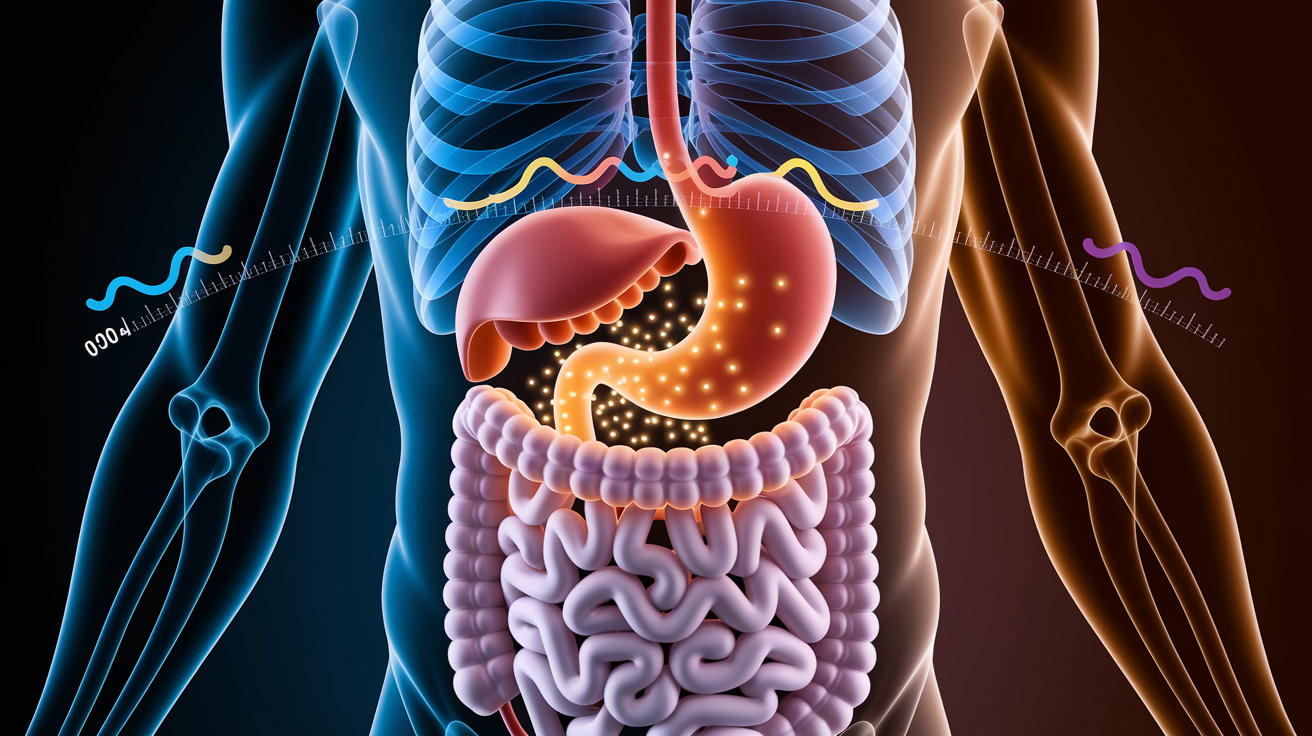
Every time you eat, your body runs a carefully timed sequence. Carbs start breaking down in your mouth, keep going in your stomach, and finish absorbing in your small intestine. That takes 1 to 3 hours depending on what and how much you ate. Simple carbs like white bread, candy, or juice digest fast and flood your bloodstream quickly. Protein, fat, and fiber slow everything down, spreading glucose entry over a longer window.
Insulin mirrors that glucose curve. Your pancreas releases a first wave as soon as it senses rising blood sugar, then keeps pumping out more until glucose drops back into range. In a healthy system, insulin peaks around the same time as glucose, usually 30 to 90 minutes after you start eating, then falls over the next 2 to 3 hours. If you eat again while insulin’s still elevated, you force your pancreas to release even more. Over time, cells become less responsive to that constant insulin signal. That’s insulin resistance.
Gastric emptying plays a quiet but crucial role. Your stomach releases food into your intestines in controlled pulses, not all at once. A mixed meal with protein, fat, and fiber alongside carbs empties slowly, which keeps glucose trickling into your blood rather than flooding it. When meals are spaced too close together, your stomach might still be working on the previous meal when the next one arrives. That backup can cause bloating, unpredictable glucose patterns, and a sense that your energy never quite stabilizes. Giving your gut 3 to 5 hours to clear one meal before starting another respects your body’s natural pacing and keeps glucose regulation smooth.
Meal Spacing for Individuals with Diabetes
If you’ve got diabetes, meal timing isn’t just about comfort. It’s a tool that can prevent dangerous swings. Consistent spacing helps you predict when glucose will rise and when it’ll fall, which makes it easier to dose insulin or plan activity.
People with Type 2 diabetes who eat at roughly the same times each day often see more stable fasting and post meal glucose levels. A study in Diabetes Care found that participants who ate three evenly spaced meals, about 4 to 5 hours apart, with consistent carb portions at each meal had significantly lower average blood sugar and less glucose variability than those who skipped meals or ate erratically. Predictability also reduces the risk of reactive overeating, which happens when you go too long without food and then consume a large carb load all at once.
For anyone using insulin or medications that increase insulin release like sulfonylureas or meglitinides, spacing becomes even more important.
Type 2 diabetes with medication: Aim for three meals spaced 4 to 5 hours apart, with consistent carb amounts at each meal. If you take a glucose lowering medication, eating at the same times daily helps you match drug peaks to food intake and avoid late afternoon or overnight lows.
Gestational diabetes: Many guidelines recommend three meals plus 2 to 3 small snacks to keep glucose steady and prevent ketone production, which can happen if you go too long without eating. A common schedule is breakfast, mid morning snack about 2 to 3 hours later, lunch, afternoon snack, dinner, and optional bedtime snack if more than 10 hours will pass before breakfast.
Type 1 diabetes or insulin users: Consistent meal timing makes carb counting and insulin to carb ratios more predictable. Eating every 3 to 4 hours and pre bolusing insulin, giving it 10 to 20 minutes before you eat, can prevent post meal spikes and reduce the chance of insulin stacking, which happens when you dose again before the previous insulin dose has finished working.
Meal Timing for Fitness, Training, and Energy Levels

Athletes and active people have different glucose demands. During moderate to high intensity exercise, your muscles pull glucose from the bloodstream much faster than usual. If you train on an empty stomach or too soon after a large meal, you might feel sluggish, lightheaded, or unable to sustain effort.
A balanced meal eaten 2 to 3 hours before exercise gives your body time to digest and stabilize blood sugar before the workout begins. That meal should include some carbs for quick fuel, protein to support muscle, and a moderate amount of fat and fiber to prevent a mid workout crash. Think a bowl of oatmeal with a scoop of protein powder, a handful of berries, and a tablespoon of almond butter. You get sustained energy without the heavy, bloated feeling that comes from eating too close to training.
If you can’t eat a full meal that far in advance, a small snack 30 to 60 minutes before exercise can work. Think 20 to 50 grams of carbs depending on workout intensity and duration. A banana with a tablespoon of peanut butter, a slice of whole grain toast with honey, or a small smoothie.
After training, aim to eat within 30 to 60 minutes. Your muscles are primed to take up glucose and amino acids during this window, which helps replenish glycogen stores and kickstart recovery. A post workout meal or snack with 20 to 40 grams of protein and a portion of carbs, about 0.5 to 1.0 grams per kilogram of body weight, supports muscle repair and brings blood sugar back to a stable baseline so you don’t experience a delayed crash hours later.
How Snacks Fit Into a Stable Blood Sugar Routine
Snacks are optional. If your meals are balanced and spaced 3 to 5 hours apart, you probably won’t need them. But life isn’t always that tidy.
A snack becomes useful when more than 5 hours will pass between meals, when you’re very active and burning through glucose quickly, or when you feel symptoms of low blood sugar like shakiness, confusion, or sweating and need to bring levels back up safely. The key is making snacks small enough that they don’t interfere with your next meal’s timing or glucose pattern.
For steady blood sugar, aim for snacks that contain protein or fiber plus a source of healthy fat. This combination slows digestion and prevents the quick spike and crash cycle that comes from eating carbs alone. A sensible snack portion is about 150 to 300 calories or 15 to 30 grams of carbs if you’re counting. Think of it as a mini version of your meal plate. A little protein, a little fat, and ideally some fiber or color.
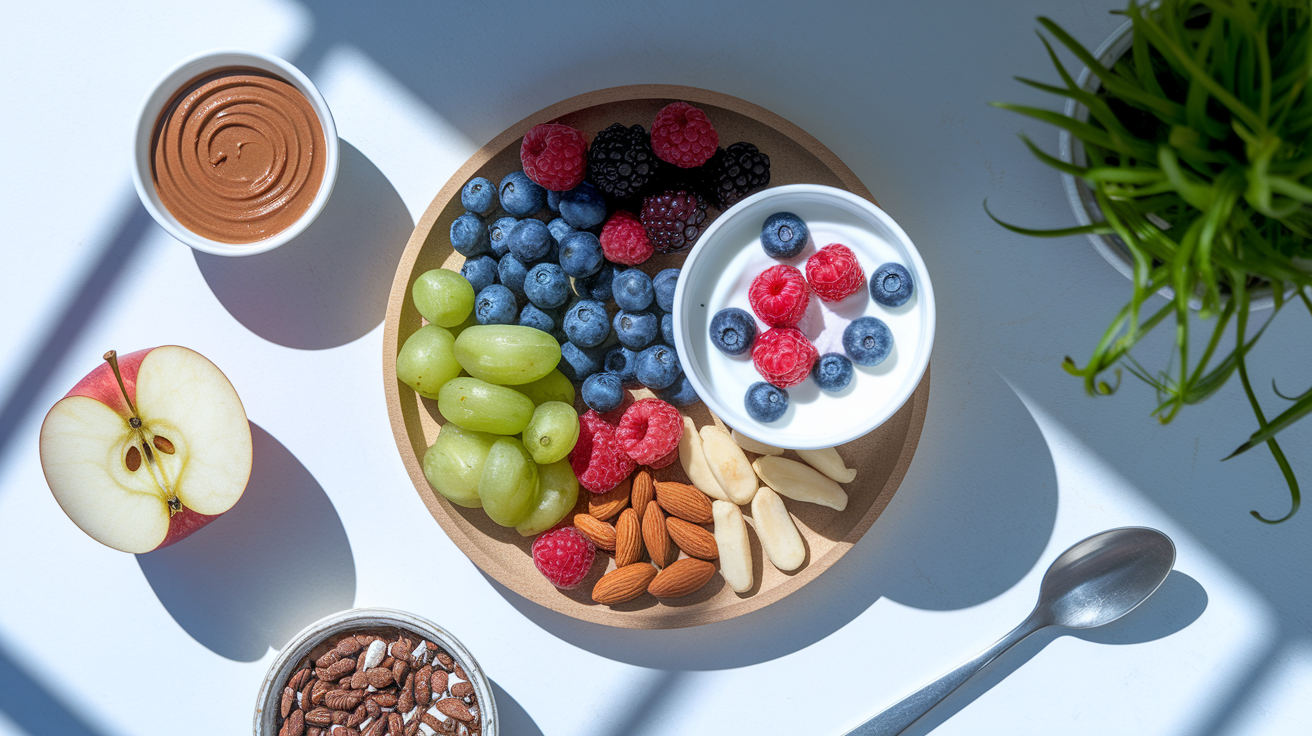
Practical snack ideas: pair carbs with protein or fat. Apple slices with 1 tablespoon peanut butter, 6 ounces plain Greek yogurt with a handful of berries, a small handful of almonds with a piece of fruit. Keep portions controlled. Measure or use visual cues like a cupped palm for nuts or a tennis ball sized piece of fruit. Time snacks about 2 to 3 hours after a meal if needed, so they don’t run into your next eating window. And avoid snacking out of habit or boredom. Check in with actual hunger and blood sugar readings to decide if a snack’s truly needed.
Comparing Common Eating Patterns and Their Impact on Blood Sugar
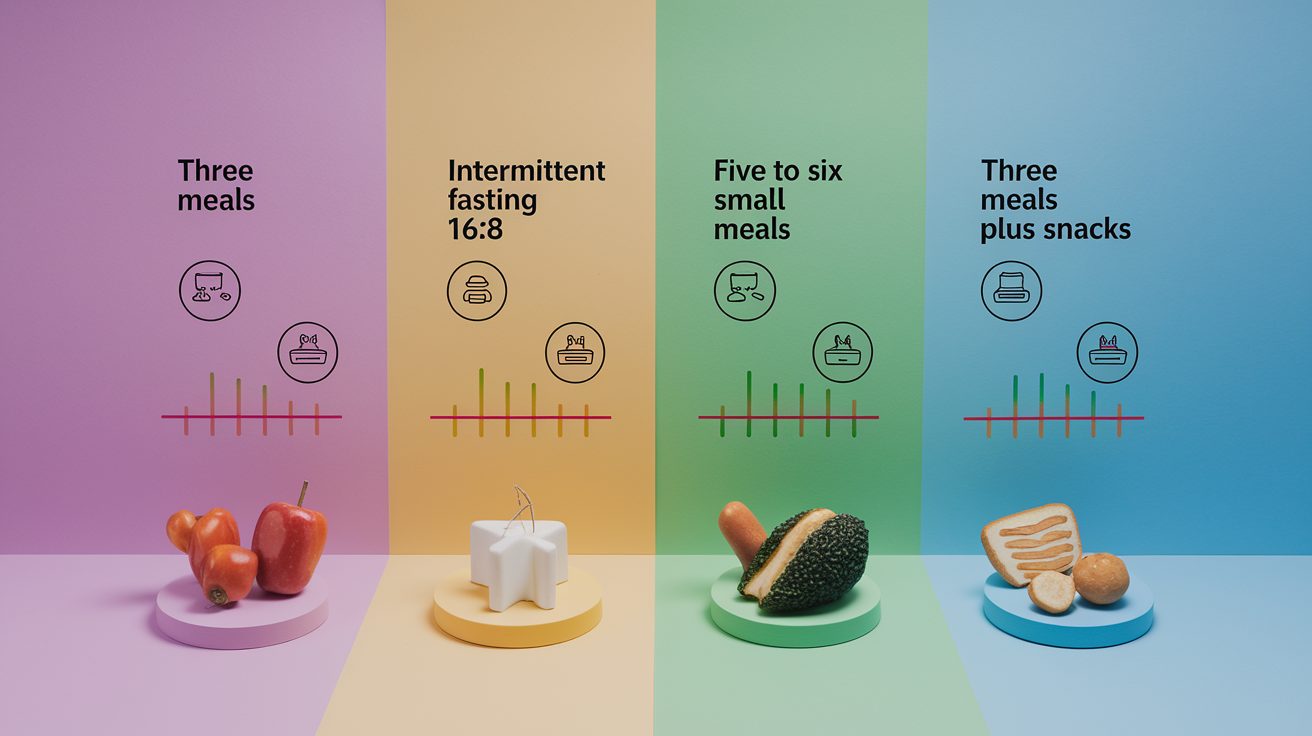
Different eating schedules work for different bodies and goals. The pattern that keeps your blood sugar steady is the one you can follow consistently while meeting your nutrition and medication needs.
Traditional three meals a day spacing, like breakfast around 7:00 a.m., lunch around 12:00 p.m., dinner around 6:00 p.m., creates natural 4 to 6 hour gaps. For many people, this rhythm aligns well with work schedules, social meals, and circadian insulin sensitivity, which tends to be highest in the morning and lower at night. Research shows that when total calories and macronutrients are matched, three evenly spaced meals produce similar or better glucose control compared to grazing on five or six mini meals throughout the day. The advantage of fewer, larger meals? Simplicity. Fewer decisions, less insulin dosing if applicable, and clear windows when your digestive system rests.
Intermittent fasting patterns like 16:8, where you eat all meals within an 8 hour window, have grown popular for weight loss and metabolic health. A 16:8 schedule might look like eating from 12:00 p.m. to 8:00 p.m., with meals at 12:00, 3:30, and 7:30. Studies show that time restricted eating can improve fasting glucose and insulin sensitivity in some adults, particularly those with insulin resistance or prediabetes. But intermittent fasting doesn’t guarantee better post meal glucose stability. What you eat and how you space meals within that window still matters. If you cram two very large meals into a short eating window, you may see bigger glucose spikes than you would with three moderate meals spread across the day. Intermittent fasting also requires careful coordination if you take glucose lowering medications, since fasting periods can increase hypoglycemia risk.
Frequent small meals, five to six eating occasions spaced every 2 to 3 hours, are sometimes recommended for people with reactive hypoglycemia or gastroparesis, which is delayed stomach emptying. Eating small amounts more often can prevent the deep glucose dips that trigger shakiness and irritability. However, randomized trials and meta analyses generally show no consistent advantage for very frequent meals when total daily calories and macros are held equal. Some people find that constant grazing makes it harder to recognize true hunger, increases total calorie intake, and complicates insulin or medication timing. If you do choose this pattern, keep each mini meal balanced and track portion sizes carefully.
| Pattern | Typical Timing | Blood Sugar Impact |
|---|---|---|
| Three meals per day | Breakfast 7:00 a.m., Lunch 12:00 p.m., Dinner 6:00 p.m. (4 to 6 hour spacing) | Supports stable glucose with clear insulin recovery windows; aligns with circadian rhythms; simplifies medication timing |
| Intermittent fasting (16:8) | Eating window 12:00 p.m. to 8:00 p.m.; meals at 12:00, 3:30, 7:30 (3 to 4 hour spacing within window) | Can improve fasting glucose and insulin sensitivity; risk of large glucose spikes if meals are too big or too close; requires medication adjustment |
| Five to six small meals | Every 2 to 3 hours (e.g., 7:00, 10:00, 1:00, 4:00, 7:00, optional 9:00 p.m.) | May prevent reactive hypoglycemia; can increase total calorie intake and complicate insulin dosing; no clear glucose advantage over three meals when calories match |
| Three meals plus snacks | Meals at 7:00 a.m., 12:30 p.m., 6:30 p.m.; snacks at 10:00 a.m. and 3:30 p.m. (2 to 3 hour gaps) | Prevents long fasting gaps; useful for gestational diabetes or high activity; keeps glucose steady if snacks are balanced and portioned |
Final Words
Aim to space meals about 3–5 hours apart — that’s the simple window this post recommends to steady blood sugar.
We covered why that timing helps insulin settle, how snacks and workouts change your schedule, and extra tips for people on glucose‑lowering meds.
Try this rhythm for a week with balanced meals and timely snacks. Thinking about the best meal spacing for steady blood sugar gives you an easy rule to test, and you may notice steadier energy and fewer crashes.
FAQ
Q: What is the 3 3 3 rule for eating?
A: The 3 3 3 rule for eating means spacing intake roughly every three hours, aiming for three main meals and up to three small snacks to help prevent big blood sugar swings and steady energy.
Q: What to eat to keep blood sugar stable through the night?
A: To keep blood sugar stable through the night, eat a balanced dinner with protein, fiber, and healthy fats, and consider a small bedtime snack pairing protein with a low‑glycemic carb to prevent overnight dips.
Q: What is the 40 30 30 diet for diabetics?
A: The 40 30 30 diet for diabetics is a macronutrient split of about 40% carbs, 30% protein, and 30% fat, designed to moderate carbs and support steadier blood glucose between meals.
Q: What is the 15 15 15 rule for blood sugar?
A: The 15 15 15 rule for blood sugar is treating low glucose by consuming 15 grams of fast‑acting carbs, waiting 15 minutes, then rechecking and repeating if glucose remains low.