

What if sudden tiredness is a red flag, not just a bad night?
It can hit like someone pulled the plug: brain fog, heavy limbs, and a sudden urge to lie down.
You’re not imagining it — sudden fatigue feels different from normal tiredness.
In this post you’ll learn the everyday triggers (like low blood sugar, poor sleep, or dehydration), when fatigue may mean a medical problem, and simple, small steps you can try today and over the next week to start feeling more like yourself.
Understanding Sudden Fatigue and What It Means for Your Body

Sudden fatigue isn’t the same as feeling tired at the end of a long day. It hits fast, sometimes within minutes. You might feel like someone yanked the plug on your energy. Unlike gradual tiredness that builds as the hours pass, sudden fatigue arrives out of nowhere and leaves you unable to think straight or move like you normally would.
When it strikes, there are a few telltale signs. Brain fog makes finishing sentences hard. Your muscles feel heavy, even if you haven’t done anything physical. Sitting down for ten minutes doesn’t help much. The exhaustion feels way too big for what you’ve actually done that day, and it can mess with work, conversations, or even simple tasks like making dinner.
The most common quick triggers? Disrupted sleep, blood sugar crashes, and dehydration. You can spend eight hours in bed but still wake up drained if you’re tossing and turning all night. Blood sugar crashes often happen two to four hours after eating something carb-heavy, when your insulin spikes and then drops your glucose too low. Dehydration thickens your blood, forcing your heart to work harder. That drains energy fast. Cortisol crashes after a stressful peak can also cause abrupt tiredness as your body tries to recover.
Here’s what most people notice during a sudden fatigue episode:
- Heavy limbs or muscle weakness that makes moving feel like work
- Mental fog or trouble concentrating on easy tasks
- A strong urge to lie down right away
- Physical exhaustion that doesn’t match your recent activity
- Slowed responses or trouble finding words mid-conversation
Common Everyday Causes Behind Sudden Fatigue Episodes

A lot of sudden fatigue comes from fixable patterns in your day. Poor sleep is one of the biggest culprits. Even if you spent eight hours in bed, fragmented sleep leaves your body without deep recovery. Alcohol makes it worse. It might help you fall asleep faster, but it messes with REM sleep, so you wake up less restored. Shift work and inconsistent sleep schedules confuse your circadian rhythm, making it harder for your body to know when it should be alert.
Dehydration sneaks up on people. Your body is roughly 60 percent water, and when you lose fluid through heat, exercise, or just forgetting to drink, your blood thickens. That forces your heart to pump harder. High-carb meals can trigger a crash two to four hours later. After you eat white bread, pastries, or sugary snacks, your insulin spikes to handle the glucose rush, then overcorrects and drops your blood sugar too low. That post-meal slump isn’t laziness. It’s your body reacting to a metabolic swing.
Extreme workouts or overtraining can backfire, especially if you’re not giving yourself enough recovery days. Stress and burnout pile on top of that. When you’re under chronic pressure, your body releases stress hormones like cortisol. After a spike, there’s often a crash. Long work hours, emotional strain, and lack of downtime all add up.
Diet triggers also play a role. Low levels of vitamin D or B12 can cause severe tiredness, and you won’t necessarily feel it building. It can hit suddenly once stores get critically low. People following very low-carb or ketogenic diets may experience “keto flu,” which includes fatigue, dizziness, and brain fog. If you’re eating too few calories overall, your body doesn’t have enough fuel. Women generally need between 1,600 and 2,400 calories per day depending on age and activity level. Men need 2,000 to 3,000. Dropping below 1,200 calories for women or 1,500 for men can cause serious energy problems.
Common patterns that set up sudden fatigue:
- Skipping meals or eating mostly refined carbs without protein or fat
- Disrupted or inconsistent sleep schedules
- Not drinking enough water throughout the day
- Overtraining without adequate rest days
- Regular alcohol consumption, especially in the evening
- Working night shifts or rotating shifts
- Chronic stress or burnout without recovery time
When Sudden Fatigue Signals a Medical Condition

Sudden fatigue can be your body’s way of telling you an infection or illness is taking hold. Viral infections like mononucleosis or Lyme disease often start with overwhelming tiredness before other symptoms appear. Bacterial infections (urinary tract infections, bacterial pneumonia, dental abscesses, or sinus infections) can also cause rapid exhaustion, usually with fever, chills, or localized pain. If you notice fatigue paired with a fever or discomfort in a specific area, an infection is a likely cause.
Autoimmune diseases are another common driver. There are more than 100 autoimmune conditions, including lupus, multiple sclerosis, ulcerative colitis, and type 1 diabetes. Fatigue is often the most prominent symptom. Inflammation is the key. When your immune system is overactive, it drains your energy reserves constantly. Autoimmune conditions can be difficult to diagnose because symptoms often come and go, and they tend to run in families. If you have unexplained fatigue and a family history of autoimmune disease, it’s worth investigating.
Anemia, particularly iron-deficiency anemia, is another frequent cause of sudden lethargy. Iron helps your red blood cells carry oxygen throughout your body. When stores run low, you feel weak and tired. Menstruating women, endurance athletes, and people with kidney or digestive diseases are at higher risk. A physical exam and blood tests can diagnose anemia by measuring your iron levels, ferritin (stored iron), and red blood cell counts. Treatment usually involves iron supplements and dietary changes to include more iron-rich foods like lean meat, beans, and dark leafy greens.
Blood tests are often the first step in identifying nutrient deficiencies or underlying conditions. Iron studies check ferritin and total iron-binding capacity. Vitamin B12 and vitamin D levels can be measured directly. If your fatigue started after a change in diet or you’ve been eating very low calories, these tests help pinpoint what’s missing.
Serious and Emergency Causes of Sudden Fatigue to Know

Sudden fatigue can sometimes be an early warning sign of a heart attack or stroke. If you feel overwhelming tiredness along with chest pressure, upper-back pain, or discomfort radiating into your arm, those are cardiac red flags. Stroke-related fatigue may come with a severe headache, trouble speaking or walking, sudden arm or leg weakness, vision changes, or facial drooping. These symptoms require immediate emergency care. Call for help right away if you or someone near you experiences them.
Cardiac arrhythmias (irregular heart rhythms) can cause episodes of sudden fatigue because your heart isn’t pumping blood efficiently. You might also notice palpitations, dizziness, or a racing or very slow heartbeat. Pulmonary embolism, a blood clot in the lungs, can present with sudden exhaustion, sharp chest pain, and severe shortness of breath. Neurological conditions that cause rapid cognitive decline or confusion, especially when paired with fatigue, also need urgent evaluation.
If you experience sudden fatigue along with any of the following, seek emergency medical attention:
- Chest pain, pressure, or discomfort that doesn’t go away
- Severe shortness of breath or inability to catch your breath
- Fainting, loss of consciousness, or near-fainting spells
- Sudden confusion, slurred speech, or difficulty understanding others
- Arm or leg weakness on one side of your body, facial drooping, or vision loss
Sudden Fatigue Linked to Nervous System and Sleep Disorders
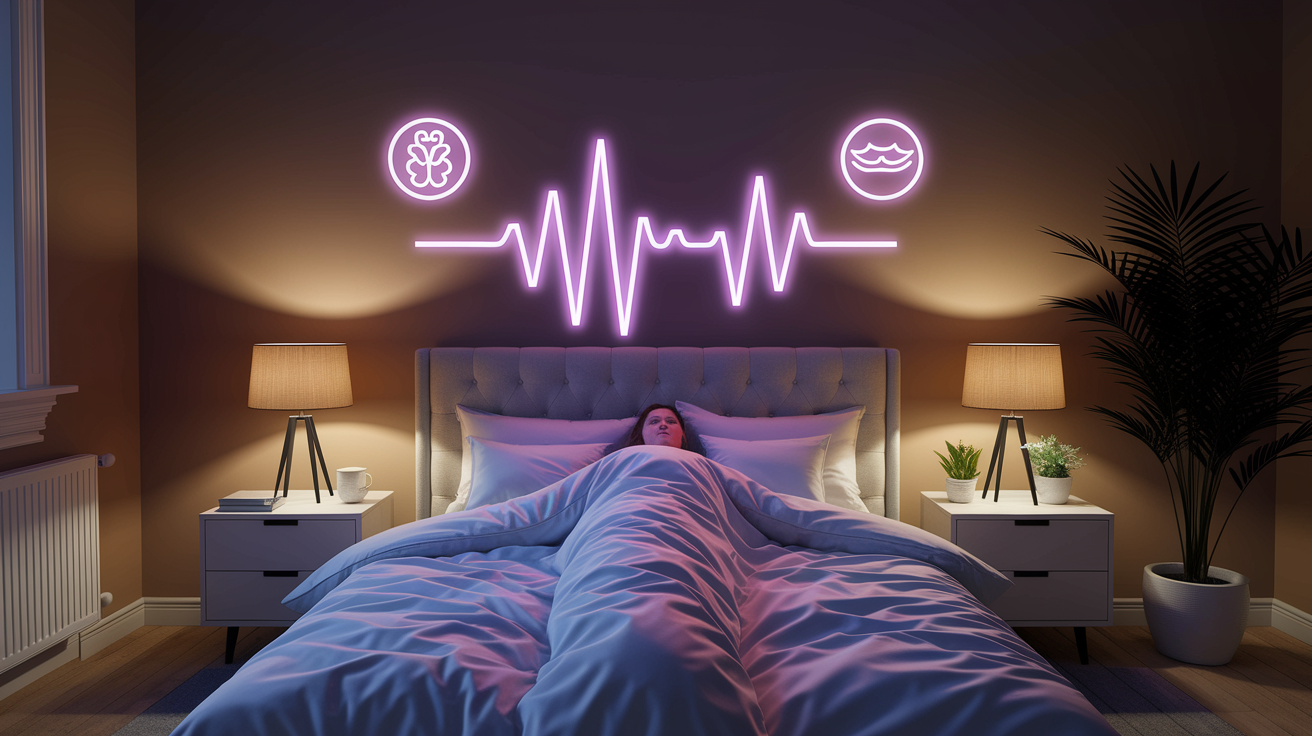
Sleep disorders are a major but often undiagnosed cause of sudden daytime exhaustion. Sleep apnea affects roughly 10 percent of women and 25 percent of men. It causes repeated pauses in breathing during the night, which fragments your sleep and prevents deep, restorative rest. Even if you’re in bed for eight or nine hours, you wake up feeling unrefreshed and may experience sudden waves of tiredness during the day. You might not even realize you’re waking up multiple times. Your brain rouses briefly to restart breathing, but you don’t remember it in the morning.
Narcolepsy and idiopathic hypersomnia are neurological conditions that cause severe, uncontrollable sleepiness. Narcolepsy comes in two types. Type 1 includes sudden muscle weakness (cataplexy) triggered by emotions. Type 2 does not. Both cause sudden sleep attacks where you feel an overwhelming urge to sleep and may nod off in the middle of a conversation or activity. Idiopathic hypersomnia involves excessive daytime sleepiness and severe sleep inertia (feeling groggy and disoriented for a long time after waking, even after sleeping for eight hours or more). These conditions require clinical diagnosis and often involve overnight sleep studies.
Migraine-related fatigue is another neurological trigger. Fatigue can appear before a migraine (prodrome phase) or linger for days after the headache ends (postdrome). Some people experience debilitating tiredness as their primary migraine symptom, even without severe head pain. The brain’s energy demands during and after a migraine episode can leave you feeling wiped out.
Post-Exertional Malaise (PEM)
Post-exertional malaise is the hallmark feature of Chronic Fatigue Syndrome (also called Myalgic Encephalomyelitis or CFS/ME). PEM describes a sudden worsening of fatigue and other symptoms after physical, mental, or emotional exertion. The key difference from regular overtraining is timing and severity. PEM typically begins within zero to 48 hours after the triggering activity and can last for days or even weeks. The level of exertion required to trigger PEM can be surprisingly low. Sometimes just a short walk, a stressful conversation, or a busy afternoon is enough.
Recovery from PEM isn’t quick. Rest helps, but it doesn’t resolve the episode in a few hours the way it might after a hard workout. People with CFS/ME often need to carefully manage their activity levels and plan rest breaks to avoid triggering severe crashes. This isn’t about being out of shape. It’s a dysfunction in how the body produces and uses energy at a cellular level.
Hormonal, Metabolic, and Blood Sugar Triggers Behind Abrupt Energy Loss

Blood sugar swings are one of the most common metabolic causes of sudden fatigue. Reactive hypoglycemia happens when your blood sugar drops sharply after a spike, usually two to four hours after eating a meal high in refined carbohydrates. Your pancreas releases insulin to manage the glucose rush, but sometimes it overcompensates, pulling your blood sugar down too low. That crash leaves you shaky, irritable, foggy, and exhausted. Extended fasting (skipping meals or going too long without eating) can also drop your glucose and trigger sudden tiredness.
Hormonal imbalances, particularly involving cortisol and thyroid hormones, can cause abrupt energy loss. Cortisol is your body’s primary stress hormone. When you’re under pressure, cortisol spikes to keep you alert and energized. But after the stressor passes, cortisol crashes, and you feel suddenly drained. This pattern is especially common in people dealing with chronic stress, anxiety, or burnout. Your body can’t sustain high cortisol indefinitely.
Dehydration compounds these issues. When you lose fluid (through sweating, heat, exercise, or simply not drinking enough), your blood volume decreases and your blood thickens. That forces your heart to work harder to circulate oxygen and nutrients. The extra cardiac workload drains energy fast, and you may feel fatigued, lightheaded, and weak. In hot or sunny climates, fluid loss happens faster, so dehydration-related fatigue can strike quickly if you’re not drinking consistently throughout the day.
| Trigger | Typical Onset Window | Common Accompanying Symptoms |
|---|---|---|
| Reactive blood sugar crash | 2–4 hours after a high-carb meal | Shakiness, irritability, brain fog, hunger |
| Cortisol crash after stress | Minutes to hours after a stressful event | Mood drop, difficulty concentrating, muscle heaviness |
| Dehydration | Variable; faster in heat or after exercise | Dry mouth, dizziness, headache, dark urine |
| Extended fasting | Several hours after last meal | Weakness, nausea, lightheadedness, poor focus |
Medication and Substance-Related Causes of Sudden Fatigue

Starting a new medication is a common but often overlooked trigger for sudden fatigue. Many drugs list tiredness as a side effect, and the effect can be dose-dependent or cumulative (meaning it builds up over days or weeks). If your fatigue began shortly after starting a new prescription, that timing is an important clue. Don’t stop taking prescribed medication on your own, but do talk to your prescriber. They may be able to adjust the dose, switch you to a different drug, or change the timing of when you take it to reduce daytime drowsiness.
Alcohol is another substance that disrupts energy in ways people don’t always connect. While it can help you fall asleep faster, alcohol suppresses REM sleep, which is the restorative phase your brain needs. You might sleep through the night but wake up feeling unrefreshed and experience sudden fatigue during the day. Even moderate drinking in the evening can degrade sleep quality enough to cause noticeable tiredness the next day.
Four medication classes that commonly cause or worsen fatigue:
- Beta-blockers (used for high blood pressure and heart conditions)
- Benzodiazepines (prescribed for anxiety or sleep disorders)
- Antihistamines (including over-the-counter allergy and cold medications)
- Some antidepressants and mood stabilizers (especially at higher doses)
Diagnostic Tests Used to Evaluate Sudden Fatigue
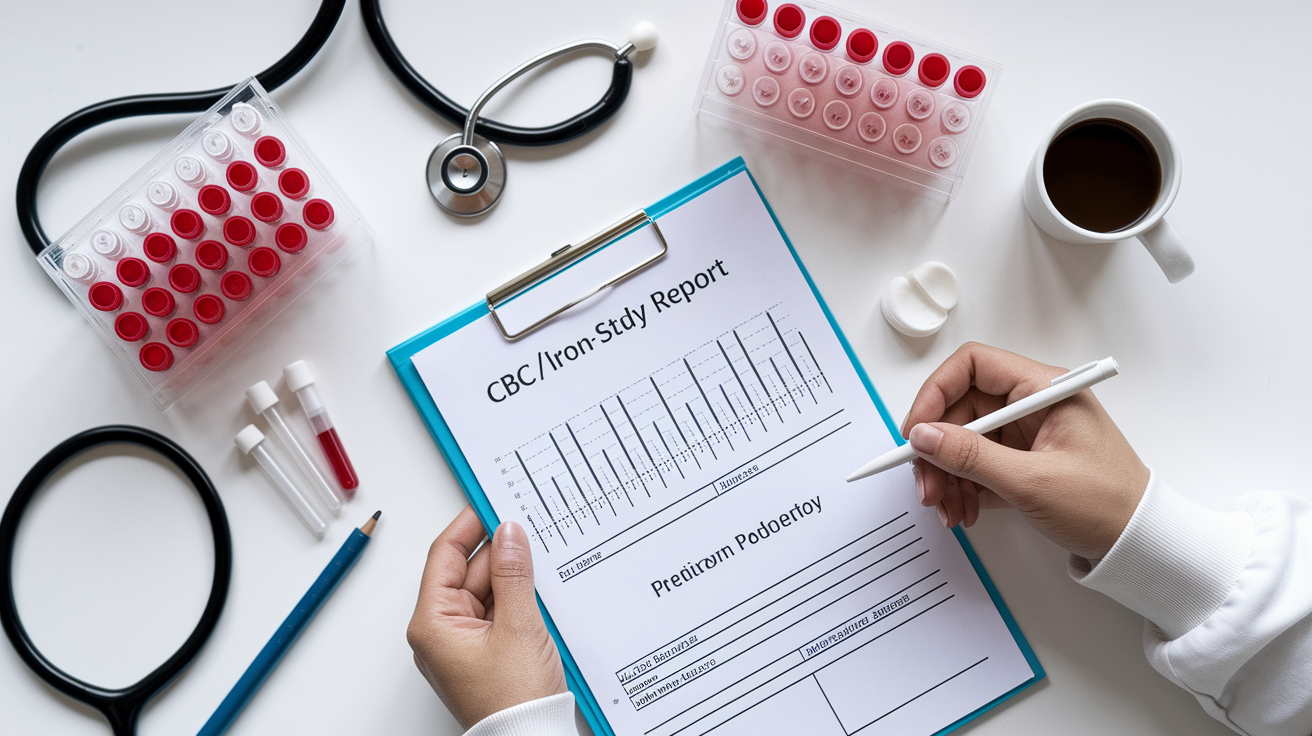
Standard diagnostic tests are helpful, but they have limitations when it comes to episodic fatigue. A single blood draw captures only a snapshot of your body’s status at that moment. If your fatigue comes in waves or is tied to specific triggers like meals or stress, a one-time test may miss the fluctuations. Typical GP appointments last 10 to 15 minutes, which often isn’t enough time to investigate the full pattern of your symptoms or order comprehensive testing. That’s why tracking your symptoms over time is so important. It gives your doctor much better information to work with.
Blood tests commonly used to evaluate sudden fatigue include ferritin to measure iron stores, C-reactive protein (CRP) and erythrocyte sedimentation rate (ESR) to check for inflammation, and a thyroid panel (TSH, T3, and T4) to assess thyroid function. Thyroid hormones regulate metabolism, so even small imbalances can cause significant fatigue. Glucose testing (ideally continuous glucose monitoring or CGM) can detect real-time blood sugar spikes and crashes that a single fasting glucose test would miss. Serial testing, where labs are repeated over weeks or months, helps identify trends and fluctuations that might explain episodic exhaustion.
If you have autoimmune symptoms or a family history of autoimmune disease, your doctor may also order an antinuclear antibody (ANA) test or other autoimmune markers. For suspected anemia, a complete blood count (CBC) along with iron studies will show whether your red blood cells are carrying enough oxygen. If sleep disorders are suspected, an overnight sleep study (polysomnography) can diagnose conditions like sleep apnea or narcolepsy.
What to Track Before Testing
Before seeing your doctor, spend at least one to two weeks tracking the details around your fatigue episodes. This data helps pinpoint patterns and triggers that labs alone can’t reveal. Keep a daily diary that includes your energy levels (rate them on a scale of 1 to 10), sleep quality (how many times you woke up, how rested you felt in the morning), and the exact timing of fatigue episodes. Note the time of day and how long each episode lasted.
Track your meals and snacks, particularly in the four to six hours before a fatigue episode. Write down what you ate, portion sizes, and whether the meal was high in refined carbs, protein, or fat. This helps identify post-meal blood sugar crashes. Also log your activities in the zero to 48-hour window before each episode. Physical exertion, mental tasks, stressful events, or emotional strain all matter. For women, tracking menstrual cycle phases can reveal hormonal patterns tied to fatigue. Finally, note any medications you’re taking, including over-the-counter drugs and supplements, and when you take them each day.
Immediate Steps to Take When Sudden Fatigue Hits

When sudden fatigue strikes, your first priority is to stop and rest if it’s safe to do so. Pushing through can make the episode worse, especially if the fatigue is tied to a blood sugar drop, dehydration, or post-exertional malaise. If you’re at work or in public, find a quiet place to sit down, close your eyes, and take slow, deep breaths. Let someone know you need a break if you’re feeling unsteady or confused. Sudden fatigue can affect your coordination and judgment.
Rehydrate immediately. Drink a full glass of water, and if you suspect dehydration or have been sweating, add a pinch of salt or use an electrolyte drink to help your body retain the fluid. If you think a blood sugar crash might be the cause (especially if your last meal was more than three hours ago or was very high in refined carbs), eat a small snack that combines protein and complex carbs. A handful of nuts, a piece of fruit with nut butter, or whole-grain crackers with cheese can stabilize your glucose without triggering another spike and crash.
Six immediate steps to take when sudden fatigue hits:
- Stop what you’re doing and sit or lie down in a safe, comfortable place.
- Drink a glass of water. Add electrolytes if you’ve been active or it’s hot outside.
- Eat a small, balanced snack with protein and complex carbs if it’s been several hours since your last meal.
- Check in with your body. Note any other symptoms like chest pain, dizziness, or confusion that might need urgent care.
- Avoid caffeine or sugar-only snacks, which can worsen the crash after a temporary boost.
- Log the episode with the time, what you were doing beforehand, and what you ate in the past few hours.
When to See a Doctor for Sudden Fatigue

You should see a doctor if sudden fatigue is interfering with your ability to work, go to school, maintain social connections, or take care of yourself at home. Fatigue that’s unexplained, persistent, or getting worse over time deserves medical evaluation. If you’ve tried improving sleep, hydration, and diet for a few weeks and still feel sudden crashes, it’s time to get tested. Your doctor can screen for nutrient deficiencies, thyroid problems, diabetes, infections, anemia, and other conditions that cause fatigue but have specific treatments.
Seek urgent medical care or call emergency services if sudden fatigue occurs alongside chest pain, severe shortness of breath, fainting or near-fainting, confusion, slurred speech, vision changes, sudden weakness on one side of your body, or unexplained rapid weight loss. These are red-flag symptoms that can signal heart attack, stroke, pulmonary embolism, or other serious conditions. Even if the fatigue itself feels manageable, the combination of symptoms requires immediate attention. Don’t wait to see if it passes.
Long-Term Prevention of Sudden Fatigue Episodes
Preventing sudden fatigue starts with stabilizing the daily rhythms your body relies on. A consistent sleep schedule is one of the most powerful tools. Go to bed and wake up at the same time every day, even on weekends. Remove screens from your bedroom, keep the room cool and dark, and avoid caffeine after early afternoon. Quality sleep reduces the likelihood of daytime crashes and helps your body recover from stress and exertion.
Hydration is another foundational habit. Your body is roughly 60 percent water, and even mild dehydration can drain energy and slow your thinking. Keep a water bottle with you and sip throughout the day rather than trying to catch up all at once. If you exercise, work outdoors, or live in a hot climate, you’ll need more fluid. Adding a pinch of salt or an electrolyte drink can help your body hold onto that water.
Your diet plays a major role in preventing blood sugar swings. Aim for meals that include protein, fiber, healthy fats, and complex carbohydrates. Follow the general guideline that carbohydrates should make up 45 to 65 percent of your daily calories, but focus on whole grains, vegetables, and fruits rather than refined sugars and white flour. Eating at regular intervals (roughly every three to four hours) keeps your glucose stable and reduces the risk of reactive crashes. Women generally need 1,600 to 2,400 calories per day depending on age and activity level. Men need 2,000 to 3,000. Eating below 1,200 calories for women or 1,500 for men can trigger fatigue and other health problems.
Five practical habits to prevent sudden fatigue:
- Keep a consistent sleep and wake time, even on days off
- Drink water steadily throughout the day, not just when you’re thirsty
- Eat balanced meals every 3 to 4 hours with protein, fiber, and healthy fats
- Include regular moderate exercise, but schedule rest days to avoid overtraining
- Review your medications with your doctor if you notice fatigue started after starting a new prescription
Final Words
You’re mid-afternoon when energy drops — brain fog, heavy limbs, sudden tiredness. This post explained what sudden fatigue feels like, common lifestyle and medical causes, and risky emergency signs.
It also gave quick fixes to try now — hydrate, eat a balanced snack, rest briefly — and what to track or test before you see a clinician.
If sudden fatigue keeps happening, that’s a sign to act. Start with one small change this week and ask for help if symptoms persist. You can build steadier energy, one easy habit at a time.
FAQ
Q: Why am I feeling fatigued all of a sudden?
A: You’re feeling fatigued suddenly because of quick triggers like poor or fragmented sleep, a blood-sugar crash after a high‑carb meal, dehydration, stress hormones, new medications, or a recent infection; hydrate and rest.
Q: How to know if fatigue is serious and what are the red flags for fatigue?
A: Fatigue is serious when it makes daily tasks hard or appears with chest pain, fainting, severe shortness of breath, sudden weakness or confusion, high fever, or unexplained weight loss—seek urgent care for these.
Q: What are some signs that tell you are fatigued?
A: Some signs that tell you are fatigued are constant tiredness, trouble concentrating or brain fog, muscle weakness or heavy limbs, low motivation, falling asleep easily, mood shifts, and energy crashes after meals.