

Think being tired is just part of modern life?
Sometimes it’s not.
It’s a warning your body is sending.
Fatigue shows up as heavy legs, shortness of breath, headaches, or a mind that won’t focus no matter how much sleep you get.
You’re not imagining it.
This post names the physical and mental red flags so you can self-check, spot patterns, and try simple next steps that actually help, or know when to get medical help.
Key Fatigue Symptoms Explained Clearly for Self‑Assessment

Fatigue is that stubborn, lingering exhaustion that won’t quit, no matter how much you rest. It drains both your body and your mind. Physical fatigue might mean your legs feel like lead on the stairs or lifting a bag of groceries takes way more effort than it should. Mental fatigue shows up when you can’t focus, when simple decisions feel impossible, or when your brain just won’t cooperate.
Here’s the difference: normal tiredness? It disappears after a decent night’s sleep or a lazy Sunday. Fatigue sticks around for days, even weeks. You can sleep eight hours and still wake up feeling like you ran a marathon. If you’re wondering “Why am I still this tired?” you’re probably dealing with real fatigue, not just a rough week.
Physical signs pile up fast. Muscle aches that didn’t come from a workout. Joint pain without twisting anything. Headaches. Dizziness. Getting winded walking to your car. Waking up feeling like you barely slept at all. On the mental side, brain fog creeps in. Memory slips. Slower thinking. Irritability that surprises even you. Motivation tanks.
Some people hit what’s called post‑exertional malaise. You do something routine, maybe run errands or sit through a long meeting, and the next day you’re flattened. That wave of exhaustion lasts more than 24 hours and feels way out of proportion to what you actually did. These symptoms can show up alone or stack together until daily life feels overwhelming.
How long you’ve felt this way matters. Acute fatigue lasts under four weeks and usually ties back to a recent bug, a stressful stretch, or not enough sleep. Subacute fatigue runs four to twelve weeks, often pointing to something that hasn’t fully resolved or a habit that needs fixing. Chronic fatigue goes beyond twelve weeks. When it reaches six months and comes with other specific features, it might meet criteria for myalgic encephalomyelitis/chronic fatigue syndrome (ME/CFS). Tracking duration helps you and your doctor narrow things down.
Six hallmark fatigue symptoms for quick self‑check:
- Persistent tiredness most days that doesn’t lift with sleep
- Heavy muscles or needing extra effort for normal activities
- Trouble concentrating, memory problems, or “brain fog”
- Headaches or dizziness that weren’t there before
- Shortness of breath with light effort like climbing stairs
- Symptoms get worse after physical or mental activity
Physical Fatigue Symptoms and How They Typically Present

Physical fatigue sneaks in as a vague heaviness. Your body just feels harder to move. Legs weak on the stairs. Arms tired from carrying groceries. You sit down more often, and you’re not sure why. This isn’t muscle weakness where something fails to work. The muscles can work. Everything just takes more effort and leaves you drained.
Common signs include muscle aches with no workout to blame, joint pain without an obvious injury, new headaches or ones that won’t quit, lightheadedness when you stand, and getting short of breath during stuff that used to be easy.
Certain conditions leave their own fingerprints. Anemia often adds pale skin, a racing heartbeat, and breathlessness even when you’re sitting still. Hypothyroidism can bring cold intolerance, constipation, and weight gain you didn’t see coming. Diabetes‑related fatigue might pair with constant thirst, peeing all the time, and blurry vision. Sleep apnea usually includes loud snoring, waking up gasping, and daytime drowsiness no matter how long you were in bed. Spotting these clusters helps point toward what’s going on.
Physical fatigue becomes a red flag when it hits suddenly, gets worse fast, or comes with chest pain, fainting, fever over 101.3°F, or major unintentional weight loss (more than 5% of your body weight over six to twelve months). If you’re exhausted after walking from your car to your front door, that level of limitation needs a doctor’s attention soon. Physical symptoms don’t always mean something serious, but the pattern and severity tell you what to do next.
Mental Fatigue Symptoms and Cognitive Impairment

Mental fatigue messes with how your brain handles information and manages emotions. You reread the same sentence three times. Forget why you walked into a room. Can’t follow a conversation that shouldn’t be hard. Decisions feel impossible, even small ones like what to eat for lunch. Reaction times slow. Multitasking becomes a disaster. Tasks that used to be automatic now need deliberate focus.
Irritability shows up. Apathy. Emotions flatten out. It’s harder to care about work, family, hobbies you usually love.
People call this brain fog, and it fits. Poor sleep quality drives it. So do untreated sleep disorders like sleep apnea, depression, anxiety, thyroid problems, or lingering effects after a virus like COVID‑19 or mono. Chronic stress and nutrient gaps (especially low B12, iron, or vitamin D) all contribute. If your cognitive symptoms get noticeably worse after physical or mental effort and take more than a day to bounce back, that’s post‑exertional malaise. Talk to your doctor about that pattern.
Five cognitive symptoms that signal mental fatigue:
- Trouble concentrating or staying focused on tasks
- Memory lapses, especially short‑term stuff
- Slowed thinking or can’t find the right words
- Poor decision‑making or feeling mentally stuck
- Reduced motivation, lost interest, or emotional numbness
Common Causes Behind Fatigue Symptoms
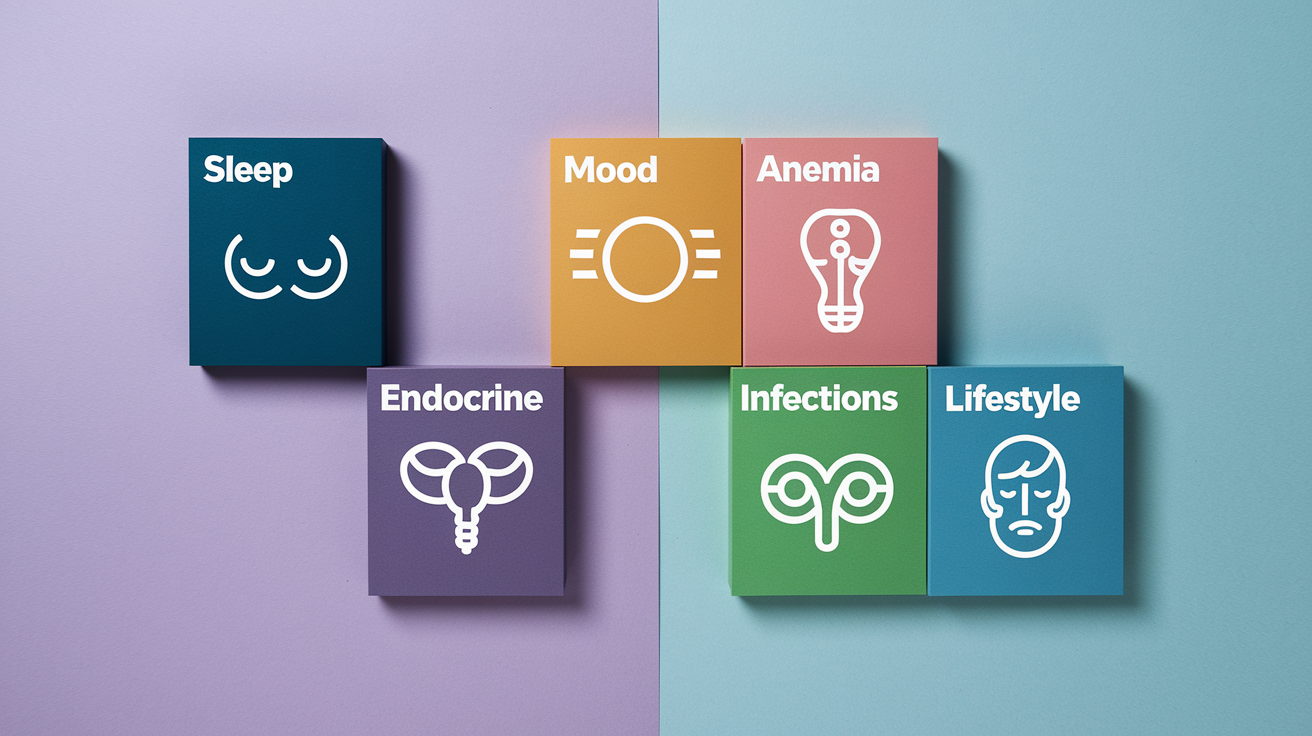
Fatigue has dozens of possible causes, and they often tangle together. Roughly a third of people with ongoing fatigue never pin down one clear reason. Frustrating? Yes. But it also shows how complicated energy regulation really is. The good part is many causes respond to treatment once you identify them.
Sleep disorders, mental health issues, anemia, endocrine problems, infections, autoimmune diseases, medication side effects, and lifestyle habits all play a role. Understanding the main categories helps you and your clinician work through them systematically.
The most common culprits fall into a few groups. Sleep issues top the list, whether from poor sleep habits, insomnia, or obstructive sleep apnea. Often fixable with targeted changes. Mood disorders like depression and anxiety frequently cause or worsen fatigue, sometimes before the emotional stuff becomes obvious. Medical conditions (anemia, hypothyroidism, diabetes, heart disease, chronic infections including post‑viral fatigue) each have their own clues. Lifestyle patterns matter more than people expect: overwork, chronic stress, skipping meals, dehydration, and physical deconditioning.
Some causes need lab tests or imaging to confirm. Others become clear from your daily patterns and history. Certain medications list fatigue as a side effect: antihistamines, blood pressure drugs, antidepressants, opioids. Autoimmune diseases like rheumatoid arthritis and lupus generate chronic inflammation that drains energy. It’s common to find more than one thing at play. That’s why a step‑by‑step evaluation beats trying to guess a single answer.
| Cause Category | Example Conditions | Typical Symptom Pattern |
|---|---|---|
| Sleep Disorders | Insomnia, sleep apnea, restless legs syndrome | Non‑restorative sleep, loud snoring, daytime sleepiness, waking up a lot at night |
| Mental Health | Depression, anxiety, chronic stress | Low mood, lost interest, excessive worry, irritability, emotional flatness |
| Anemia | Iron deficiency, B12 deficiency, chronic disease anemia | Pale skin, shortness of breath, rapid heartbeat, cold hands and feet |
| Endocrine | Hypothyroidism, diabetes, adrenal insufficiency | Cold intolerance, weight changes, increased thirst/urination, low blood pressure |
| Infections | Mononucleosis, COVID‑19, influenza, chronic viral infections | Fever, body aches, sore throat, lingering exhaustion weeks after getting sick |
| Lifestyle | Poor sleep hygiene, inadequate nutrition, dehydration, sedentary habits | Fatigue improves with rest and routine changes; no clear medical issue on testing |
Chronic Fatigue and Chronic Fatigue Syndrome (ME/CFS)

Chronic fatigue means you’ve been exhausted for more than twelve weeks. It’s not a diagnosis by itself, just a symptom that can come from many conditions: untreated sleep apnea, ongoing depression, uncontrolled diabetes, or lingering effects from an infection. The key difference from short‑term fatigue is duration and the way it resists getting better despite rest and basic fixes. If you’ve felt this way for three months or longer and standard strategies like better sleep or less stress haven’t helped much, you’re dealing with chronic fatigue. Time to see a doctor.
Myalgic encephalomyelitis/chronic fatigue syndrome (ME/CFS) is a specific medical condition affecting an estimated 0.2 to 0.4 percent of adults, though many cases slip through undiagnosed. To meet ME/CFS criteria, fatigue has to last at least six months and be severe enough to seriously cut into your activity level. The signature feature is post‑exertional malaise: a crash of symptoms that follows physical or mental effort, often delayed by a day or more and lasting well beyond 24 hours.
Other core symptoms include unrefreshing sleep (waking up tired no matter how long you slept), cognitive problems often described as brain fog, and sometimes orthostatic intolerance (dizziness or worse fatigue when standing). ME/CFS is more common in women and often starts after an infection or major stress.
Living with chronic fatigue or ME/CFS can be profoundly limiting. Simple stuff like showering, grocery shopping, or going to a friend’s house can trigger days of exhaustion. Early recognition matters because pacing strategies (learning to balance activity and rest to avoid crashes) help manage symptoms and prevent things from getting worse. There’s no cure for ME/CFS. But multidisciplinary care, including symptom‑targeted treatments, carefully tailored activity programs that avoid post‑exertional malaise, and supportive counseling, can improve quality of life over time. If your fatigue has crossed the six‑month mark and fits this pattern, bring it up with your doctor even if earlier tests came back normal.
Medical Warning Signs Within Fatigue Symptoms

Most fatigue isn’t an emergency. But certain symptoms tell you something more serious might be happening and you need prompt attention. These red flags help you know when you can manage things step‑by‑step at home or with routine appointments versus when you need urgent evaluation. If you experience any of the following, contact your doctor the same day or head to urgent care or an emergency department.
Chest pain or pressure, especially if it comes on with effort or feels different from before, can point to heart disease. Shortness of breath at rest or with minimal activity (like walking across a room) may signal lung disease, heart failure, or severe anemia. Fainting or near‑fainting episodes suggest problems with blood pressure, heart rhythm, or blood sugar. A fever of 101.3°F or higher that sticks around raises concern for infection or inflammation. Sudden onset of weakness, numbness, slurred speech, or vision loss can mean stroke or a neurologic emergency.
A resting heart rate above 100 beats per minute that’s new or persistent, unexplained weight loss greater than 5 percent of your body weight over six to twelve months, and severe, relentless headaches that don’t respond to usual treatments all need immediate investigation.
Eight medical red flags that require prompt evaluation:
- New or severe chest pain or pressure
- Shortness of breath at rest or with minimal effort
- Fainting, near‑fainting, or severe dizziness
- Fever ≥101.3°F (≥38.5°C)
- Sudden weakness, numbness, slurred speech, or vision changes
- Resting heart rate consistently above 100 beats per minute
- Unexplained weight loss greater than 5% over six to twelve months
- Severe, persistent headaches not relieved by usual treatments
Fatigue Diagnosis and Common Medical Tests

When you see a doctor for fatigue, the visit usually starts with a detailed conversation. How long have you felt this way? What makes it better or worse? How’s your sleep? Your diet? Any recent illnesses, stress, medications, or other health conditions? This history often points toward the most likely causes and guides which tests to order first. Your doctor will also ask about warning signs like chest pain, shortness of breath, weight changes, mood symptoms, and whether fatigue gets worse after activity.
Basic lab work is the standard starting point. A complete blood count (CBC) checks for anemia and signs of infection or inflammation. Thyroid‑stimulating hormone (TSH), and sometimes free T3 and T4 levels, screen for thyroid problems. A basic metabolic panel looks at electrolytes, kidney function, and blood sugar. Iron studies (ferritin, serum iron, total iron‑binding capacity) help catch iron deficiency even before anemia develops. Vitamin B12 and vitamin D levels may get checked if deficiency seems likely based on your diet, symptoms, or risk factors. Inflammatory markers like C‑reactive protein (CRP) or erythrocyte sedimentation rate (ESR) can reveal underlying inflammation from autoimmune or chronic diseases.
If sleep problems are part of the picture (loud snoring, breathing pauses during sleep, or severe daytime sleepiness), a sleep study (polysomnography) may be recommended to diagnose obstructive sleep apnea or other sleep disorders. Mental health screening with validated questionnaires for depression and anxiety is common, since mood disorders and fatigue often overlap. Depending on what turns up, additional tests like an electrocardiogram (ECG), echocardiogram, chest X‑ray, or autoimmune panels may follow. The goal is to start broad and narrow down based on what your body is telling the tests and your story.
Six common tests used to evaluate fatigue:
- Complete blood count (CBC) for anemia and infection markers
- Thyroid‑stimulating hormone (TSH) to check thyroid function
- Basic metabolic panel for electrolytes, kidney function, and glucose
- Iron studies (ferritin, serum iron, total iron‑binding capacity)
- Vitamin B12 and vitamin D levels if deficiency suspected
- Sleep study (polysomnography) for suspected sleep apnea
Lifestyle Factors That Contribute to Fatigue Symptoms

Sleep quality is the foundation. Most adults need seven to nine hours per night, but it’s not just about time in bed. It’s about how restorative that sleep actually is. A bedroom that’s too warm, too bright, or too noisy fragments your sleep and leaves you tired even after eight hours. Screens and stimulating activities close to bedtime make it harder to fall asleep and cut into deep sleep stages. Irregular sleep schedules (going to bed and waking at wildly different times each day) confuse your circadian rhythm and trash sleep quality over time. If you wake feeling unrefreshed most mornings, your sleep environment and habits deserve a hard look.
Diet and hydration directly shape how your body produces and sustains energy. Skipping meals or eating at random times causes blood sugar swings that trigger fatigue, irritability, and trouble concentrating. Heavy meals, especially ones high in refined carbs and low in protein or fiber, often lead to post‑meal crashes. Not drinking enough water throughout the day (especially in hot weather, during exercise, or if you drink caffeine or alcohol) can cause dehydration that shows up as tiredness, headaches, and brain fog. Nutrient gaps, particularly low iron, B12, magnesium, or vitamin D, slowly drain your energy reserves. Common in people with restrictive diets, heavy periods, or digestive issues that mess with absorption.
Chronic stress, lack of movement, and overusing stimulants or alcohol all make fatigue worse. Stress hormones like cortisol disrupt sleep and keep your nervous system on high alert, which is exhausting over time. Physical inactivity leads to deconditioning. Even light activity feels harder and more tiring. Ironically, regular moderate exercise (around 30 minutes most days) often improves energy by boosting circulation, mood, and sleep quality. Caffeine can help in small, well‑timed doses but overuse or late‑day consumption wrecks sleep and creates a cycle of dependency and crashes. Alcohol may help you fall asleep faster but fragments sleep and leaves you less rested.
Management Strategies to Improve Fatigue Symptoms

Effective fatigue management starts with treating any underlying medical condition. If testing reveals anemia, iron supplementation or treating the cause (heavy periods, gastrointestinal bleeding) usually improves energy within weeks. Thyroid hormone replacement for hypothyroidism, better diabetes control, treating sleep apnea with a CPAP device, or adjusting medications that cause sedation can each make a real difference. Mental health treatment (counseling, cognitive behavioral therapy, or medication for depression or anxiety) often reduces fatigue as mood and sleep improve.
Even without a specific diagnosis, lifestyle changes can cut symptoms substantially. Stick to consistent sleep and wake times. Keep your bedroom cool and dark. Limit screens for at least an hour before bed. Aim for balanced meals with protein, fiber, and healthy fats at regular intervals to stabilize blood sugar. Drink water throughout the day. Consider adding a pinch of salt or an electrolyte option if you’re very active or in a hot climate. Start physical activity slowly. A ten‑minute walk is a good start. Gradually increase duration and intensity, watching for post‑exertional crashes. If activity consistently worsens your fatigue the next day, scale back and think about working with a physical therapist trained in pacing strategies.
Stress management and energy conservation techniques also help. Mindfulness, yoga, or tai chi can lower stress hormones and improve sleep. Cognitive behavioral therapy for insomnia (CBT‑I) is evidence‑based and retrains sleep habits without medication. Review your daily routine and spot tasks that drain you out of proportion. Can you delegate, simplify, or spread them across multiple days? Tracking your symptoms, sleep, food, and activity in a simple diary helps you spot patterns and adjust. If you’re on medications, ask your doctor or pharmacist whether any could be adding to fatigue and whether alternatives exist.
Six practical strategies to start today:
- Set a consistent bedtime and wake time, even on weekends
- Eat a balanced meal or snack every three to four hours
- Drink water steadily through the day, not all at once
- Take a short walk or stretch for ten minutes after sitting long periods
- Cut caffeine after early afternoon and avoid alcohol close to bedtime
- Keep a simple symptom diary to spot triggers and track improvements
Final Words
Notice a heavy body, foggy mind, or daily crashes? This post helped you tell normal tiredness from problematic fatigue and named the main physical and mental signs.
You also covered time-based categories (acute, subacute, chronic), common causes, red flags that need prompt care, and the typical tests clinicians use.
If you’re tracking symptoms, jot down timing, triggers, and one clear red flag. Small steps like better sleep, steady meals, and gentle movement can really help. You’re moving toward clearer, kinder control of your fatigue symptoms.
FAQ
Q: What can cause tiredness?
A: Tiredness can be caused by poor or short sleep, stress, low‑grade infections, anemia or thyroid problems, certain medicines, poor diet or dehydration, and mood issues like anxiety or depression.
Q: What are 6 symptoms of fatigue?
A: Six symptoms of fatigue are persistent low energy, heavy limbs or muscle aches, difficulty concentrating or memory lapses, slowed thinking, unrefreshing sleep, and daytime sleepiness or post‑exertional crashes.
Q: What are the three types of fatigue?
A: The three types of fatigue are acute (less than 4 weeks), subacute (4–12 weeks), and chronic (more than 12 weeks); chronic fatigue often needs a fuller medical check.
Q: How to remove tiredness from the body?
A: To remove tiredness from the body, prioritize steady sleep (7–9 hours), drink water, eat balanced meals with protein and fiber, move gently, manage stress, and review meds or see a clinician if it persists.