

Bone-deep tired after a full night? It could be hormonal fatigue, and the right question isn’t “why am I tired” but “which hormones are behind it.”
This hormonal fatigue symptom assessment gives a clear checklist that names everyday signs—morning fog, night sweats, weight shifts, low libido—and groups them by likely drivers like thyroid, sex hormones, and cortisol.
Score your symptoms, spot the patterns, and get clear next steps: one small habit to try now, when to order basic labs, and when to see a clinician.
Comprehensive Hormonal Fatigue Assessment Overview
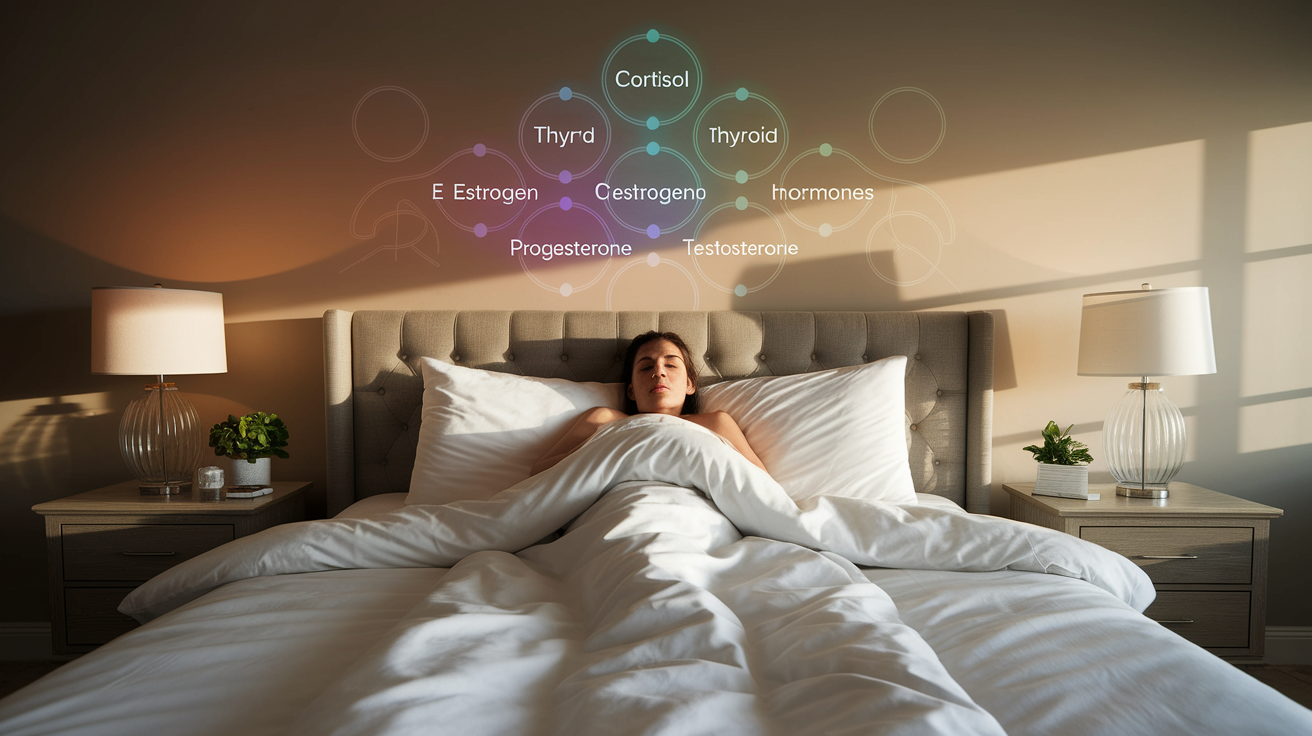
Hormonal fatigue is that bone-deep exhaustion that won’t quit, even after a solid night’s sleep. You close your eyes for eight hours and still wake up drained before your feet hit the floor. When hormones like cortisol, thyroid, estrogen, progesterone, or testosterone slip out of their normal ranges, your body loses the chemical signals it needs to make energy and keep it going. This kind of fatigue usually comes with other symptoms stacked on top: brain fog, mood swings, weight changes, low libido. It’s a frustrating pattern that leaves you wondering what’s actually broken.
A structured self-assessment helps you map those patterns and figure out what to do next. The assessment below organizes symptoms into categories and generates both per-category scores and an overall likelihood score for hormone-driven fatigue. Women make up about 80% of patients evaluated for hormone-related exhaustion, and 65% of those women report overlapping menopausal symptoms like night sweats, irritability, and insomnia. The checklist and scoring approach gives you a clear starting point, whether you need to track a few more weeks, schedule labs with your doctor, or reach out to an endocrinologist.
Core symptom checklist (rate each 0–3: 0 = never, 1 = occasionally, 2 = frequently, 3 = daily):
- Persistent fatigue despite 7–9 hours of sleep
- Difficulty waking in the morning or feeling unrefreshed
- Brain fog, poor concentration, or memory lapses
- Mood swings, irritability, anxiety, or feeling overwhelmed
- Low libido or sexual dysfunction
- Unexplained weight gain or difficulty losing weight despite effort
- Sleep disturbances: trouble falling asleep, staying asleep, or night sweats
- Exercise intolerance or exhaustion after normal activity
- Shakiness, lightheadedness, or episodes that feel like low blood sugar
- Cold intolerance, thinning hair, or irregular menstrual cycles
Add your scores across all 10 items. A total of 0–9 is mild, so monitor symptoms and work on sleep and stress habits. A score of 10–18 is moderate, which means consult your primary care provider and request baseline hormone labs. A score of 19–30 is severe or functionally limiting, so seek prompt medical evaluation and consider endocrine specialist referral. This scale helps you triage next steps without guessing.
Hormonal Imbalance Screening: Key Drivers Behind Fatigue

Your energy level depends on a tightly orchestrated hormone network. When one system tips out of range, the others compensate until they can’t anymore. Thyroid hormones set your metabolic pace, sex hormones regulate mood and sleep architecture, and stress hormones like cortisol control your body’s daily rhythm and response to demand. Even small shifts in timing or concentration can drain your battery faster than you realize.
The symptoms you notice day to day are often the first clue about which hormone pathway needs attention. Fatigue paired with cold hands, constipation, and weight gain points toward thyroid slowing. Fatigue with night sweats, mood dips, and irregular cycles suggests sex hormone shifts. Fatigue with insomnia, feeling wired but tired, or difficulty handling everyday stress hints at cortisol dysregulation. Matching your symptom cluster to a likely driver helps you and your clinician order the right tests instead of guessing.
Understanding these patterns lets you move from “I’m exhausted and I don’t know why” to “Here’s what might be happening, and here’s what to check.” The next subsections break down the two most common hormone categories behind persistent fatigue.
Thyroid Slowing
When thyroid hormones T3 and T4 drop and TSH climbs, your metabolism downshifts. You feel sluggish even after adequate sleep, your thinking slows, and routine tasks feel harder. Weight creeps up despite no change in diet, and you may notice dry skin, thinning hair, or feeling cold when others are comfortable. “I’m the one always reaching for a sweater in a 72-degree room.”
Sex Hormone Shifts
Perimenopause, menopause, and low testosterone all disrupt the hormones that stabilize mood, sleep, and energy. Estrogen and progesterone declines bring night sweats that fragment sleep, mood swings that feel out of proportion, and a heavy fatigue that sits in your chest and limbs. Low testosterone, in both men and women, shows up as low motivation, muscle loss, and a drop in libido alongside the exhaustion.
Structured Fatigue Symptom Assessment Tools and Scoring Systems

Validated fatigue scales turn subjective exhaustion into measurable data that you and your clinician can track over time. The Fatigue Severity Scale (FSS) is one widely used tool that scores nine statements on a 1–7 scale, producing a total that reflects how much fatigue interferes with daily function. A 2023 study of patients with hypothyroidism reported a median FSS score of 53 at baseline. After six months of levothyroxine therapy, the median fell to 36, a clinically meaningful improvement that patients felt in their ability to work, exercise, and think clearly.
Simpler self-assessment questionnaires use binary or graded frequency scales (never/sometimes/often/daily) across symptom categories like sleep quality, cognitive function, mood stability, and physical stamina. These questionnaires often generate per-category scores, so you can see, for example, that your sleep score is 8/12 but your cognitive score is 11/12, pointing to brain fog as the most disruptive piece. An overall likelihood score helps triage: mild scores suggest lifestyle tweaks and watchful waiting, moderate scores warrant lab workup, severe scores indicate urgent medical review.
| Tool | Purpose | Notes |
|---|---|---|
| Fatigue Severity Scale (FSS) | Quantify functional impact of fatigue | 9-item scale, 1–7 per item; scores >36 indicate significant impairment |
| 0–10 numeric fatigue scale | Daily self-rating for tracking trends | 0 = no fatigue, 10 = incapacitating; scores ≥7 daily warrant evaluation |
| Per-category symptom checklist | Identify which systems are most affected | Sleep, mood, cognition, energy, libido categories scored separately |
| Overall likelihood score | Triage next steps (monitor, primary care, specialist) | Composite of category scores and duration (>2 weeks concerning, >3 months significant) |
Laboratory Evaluation in Hormonal Fatigue Assessment
Lab work transforms symptom patterns into objective data that confirms or rules out hormonal causes. The timing and type of sample matter. Many hormones follow daily rhythms or menstrual-cycle phases, so collecting blood at the wrong time can mask a problem or create a false alarm. Morning samples are standard for cortisol and thyroid panels because those hormones peak early in the day. Progesterone is best measured mid-luteal phase (around day 21 of a 28-day cycle) to see whether ovulation occurred and luteal support is adequate.
A comprehensive hormone workup for fatigue typically includes thyroid function (TSH, free T4, free T3), thyroid antibodies when autoimmune disease is suspected, and sex hormones tailored to your age and cycle status (estradiol, progesterone, testosterone, FSH, LH). Metabolic screening, fasting glucose, fasting insulin, and hemoglobin A1c, identifies insulin resistance, which mimics hormonal fatigue through blood-sugar swings and cellular energy dysfunction. Nutrient panels check ferritin (iron stores), vitamin B12, and 25-hydroxyvitamin D, all of which directly affect mitochondrial energy production and red blood cell oxygen delivery.
Your clinician will interpret results in clinical context, not just by reference ranges. For example, a TSH at the high end of normal (2.5–4.5 mIU/L) paired with low-normal free T4 and persistent fatigue may warrant a trial of thyroid hormone even when labs are technically “in range.” Similarly, ferritin below 30 ng/mL often drives fatigue and hair loss even when hemoglobin is normal, because your body prioritizes red blood cell production over other iron-dependent processes.
Broad lab categories for hormonal fatigue evaluation:
- Thyroid panel: TSH, free T4, free T3, thyroid peroxidase antibodies (TPOAb), thyroglobulin antibodies (TgAb)
- Sex hormones: estradiol, progesterone (timed to cycle), total and free testosterone, SHBG, FSH, LH, prolactin
- Metabolic/glucose regulation: fasting glucose, fasting insulin or HOMA-IR, hemoglobin A1c
- Nutrient status: ferritin, serum iron, TIBC, vitamin B12, 25-hydroxyvitamin D
- General health markers: complete metabolic panel (CMP), complete blood count (CBC), inflammatory markers (ESR, CRP)
- Specialized tests when indicated: melatonin for severe sleep disturbance, pregnancy test when applicable
Adrenal Function Evaluation and Cortisol Pattern Assessment
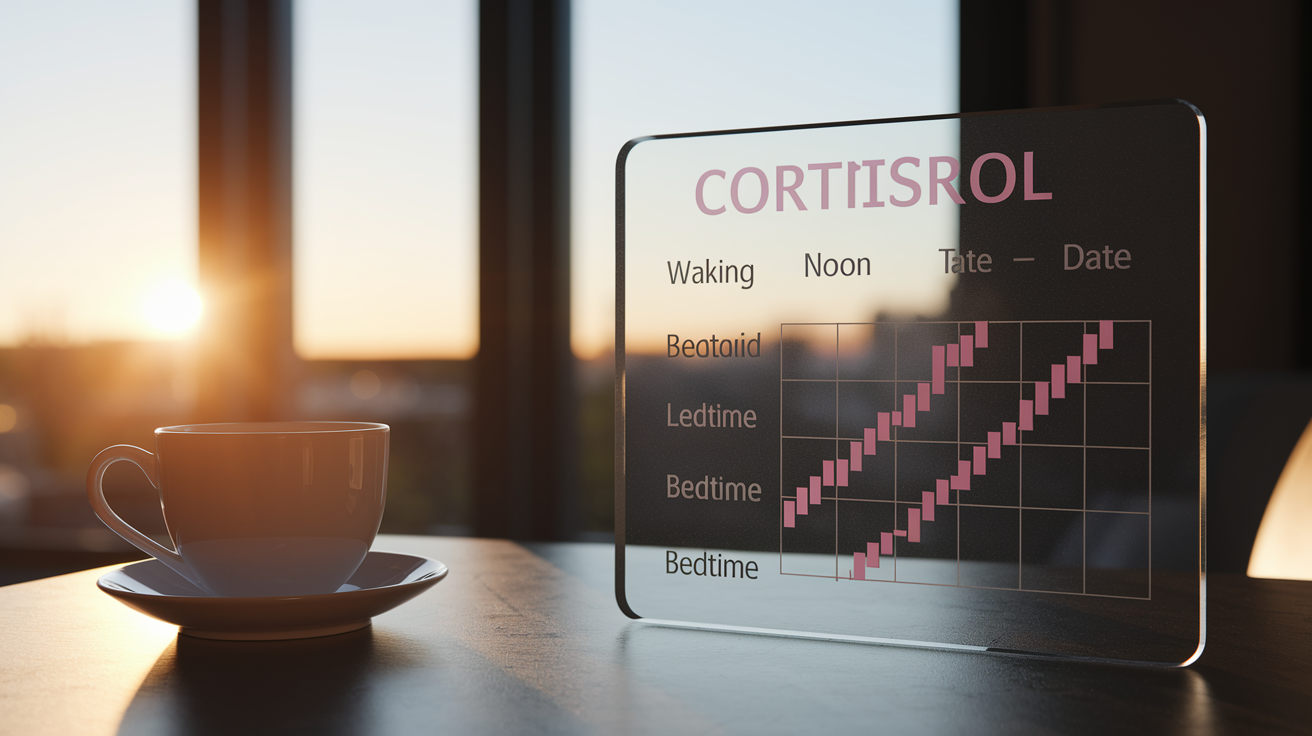
Cortisol follows a predictable daily rhythm: it peaks within an hour of waking to help you get out of bed, then gradually declines through the afternoon and evening so you can wind down and sleep. When that curve flattens, either stuck too high all day or bottomed out even in the morning, you lose the natural energy boost at dawn and the natural calm at night. Morning serum cortisol (drawn between 7 and 9 AM) is the simplest first-line test. Levels below 5 µg/dL raise concern for adrenal insufficiency, while levels persistently above 25 µg/dL may indicate chronic stress or Cushing’s-spectrum physiology.
A four-point salivary cortisol profile maps your rhythm across the day: samples collected at waking, noon, late afternoon, and bedtime show whether your curve is normal, flat, or inverted. This test is especially useful when you feel wired at night but exhausted in the morning. “I’m too tired to function by 3 PM, then wide awake at 11 PM staring at the ceiling.” Low DHEA-S alongside a flat cortisol curve is sometimes labeled “adrenal fatigue,” though this remains a controversial diagnosis. More precise terms are HPA-axis dysfunction or subclinical adrenal dysregulation.
ACTH stimulation testing and dexamethasone suppression tests are reserved for cases where primary adrenal insufficiency (Addison’s disease) or Cushing’s syndrome is suspected. Your endocrinologist will order these when you have severe symptoms: unexplained weight loss, hyperpigmentation, salt craving, severe hypotension, or rapid central weight gain with purple striae. Or when initial cortisol levels are significantly abnormal. These tests require precise timing and often inpatient or specialty-lab coordination.
Reproductive Hormone Pattern Review for Fatigue Assessment
Reproductive hormones don’t just control fertility. They regulate sleep quality, mood stability, and baseline energy. Estrogen supports serotonin and dopamine pathways in the brain, so when it drops during perimenopause or menopause, you may notice sadness, anxiety, and motivation loss alongside the physical fatigue. Progesterone has sedative effects after ovulation. When cycles become anovulatory or progesterone falls, you lose that natural sleep aid and may experience middle-of-the-night waking or early-morning insomnia.
About 65% of women presenting with hormone-related fatigue also report severe menopausal symptoms: hot flashes, night sweats that soak sheets, brain fog, and irritability. These symptoms fragment sleep architecture, reduce REM and deep-sleep phases, and leave you unrefreshed even if you log enough hours in bed. Postpartum fatigue is another reproductive-hormone pattern. The steep drop in estrogen and progesterone after delivery, combined with prolactin surges for breastfeeding and sleep disruption from infant care, creates a perfect storm for exhaustion that can persist for months.
Common reproductive hormone fatigue patterns:
- Perimenopause: irregular cycles, night sweats, mood swings, brain fog, heavy fatigue mid-cycle or premenstrually
- Menopause: complete cycle cessation, persistent hot flashes, insomnia, low mood, reduced libido
- Postpartum: extreme fatigue, mood lability, difficulty concentrating, low motivation (distinguish from postpartum depression)
- Low testosterone (men and women): muscle loss, low energy, reduced drive, decreased libido, slow recovery from exercise
- Progesterone deficiency: anxiety, irritability, insomnia (especially second half of cycle in menstruating women)
Metabolic and Nutrient Screening in Hormonal Fatigue Cases
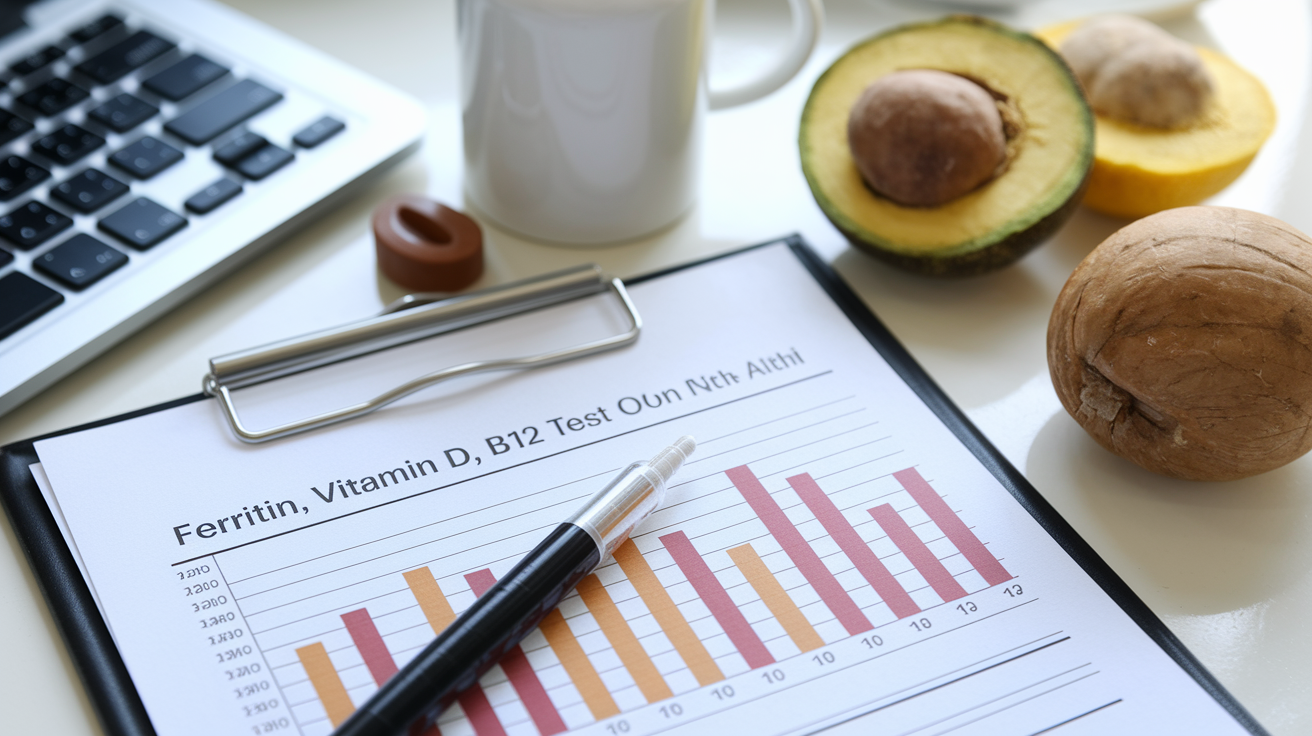
Insulin resistance and nutrient deficiencies often masquerade as hormone problems because they drain cellular energy through different mechanisms. When your cells stop responding efficiently to insulin, glucose can’t enter to fuel mitochondria, so even with normal thyroid and cortisol, you feel persistently tired and foggy. Fasting glucose above 100 mg/dL, fasting insulin above 10 µIU/mL, or hemoglobin A1c above 5.7% flags insulin resistance or progression toward type 2 diabetes. You may notice energy crashes after meals, shakiness between meals, and stubborn weight gain around the midsection.
Ferritin below 30 ng/mL is a common and fixable cause of fatigue, especially in menstruating women. Your body uses iron to build hemoglobin (oxygen transport) and also for dozens of enzyme reactions that generate ATP inside mitochondria. Low ferritin means your cells are running on partial power even when your hemoglobin is technically normal. “I’m not anemic on paper, but I’m exhausted and my hair is falling out.” Vitamin B12 and folate support red blood cell production and nerve function. Deficiencies cause fatigue, cognitive slowing, and mood symptoms that overlap with thyroid and sex-hormone issues.
Vitamin D levels below 30 ng/mL are linked to muscle weakness, low mood, and immune dysfunction, all of which contribute to the sense of being worn down. Correcting these deficiencies with targeted supplementation (iron with vitamin C, B12 sublingually or by injection, vitamin D3 with a fatty meal) often produces noticeable energy improvement within weeks, sometimes faster than hormone replacement itself.
Nonhormonal Conditions and Differential Diagnosis of Fatigue

Not all persistent fatigue is hormonal. Chronic sleep deprivation, whether from shift work, caregiving, or untreated sleep apnea, will exhaust anyone regardless of hormone levels. If you’re averaging five to six hours a night or waking frequently to gasp for air, address the sleep disorder first. Hormone testing may still be useful, but you won’t recover fully until sleep is restored.
Postviral fatigue syndromes have become more common since the COVID-19 pandemic. Long COVID can include endocrine involvement (thyroiditis, adrenal changes, or new-onset diabetes), but many patients experience profound fatigue and exercise intolerance without clear hormonal abnormalities. Epstein-Barr virus reactivation produces recurrent body-wide fatigue, muscle aches, and sore throat that wax and wane over months. Autoimmune conditions like Hashimoto’s thyroiditis combine hormone dysfunction (hypothyroidism) with systemic inflammation, so you get fatigue from both low thyroid and the immune activation itself.
Common nonhormonal or mixed causes to screen:
- Chronic sleep deprivation or untreated obstructive sleep apnea
- Long COVID or postviral fatigue syndromes (including EBV reactivation)
- Autoimmune disease (Hashimoto’s, lupus, rheumatoid arthritis, celiac disease)
- Chronic infections (Lyme, mononucleosis)
- Orthostatic intolerance or postural orthostatic tachycardia syndrome (POTS), lightheadedness and fatigue on standing
Clinical Referral Criteria and When to Seek Medical Care

Persistent fatigue lasting more than three months without an obvious cause warrants medical evaluation, even if you feel otherwise healthy. Start with your primary care provider, who can order the baseline labs outlined above and rule out common problems like hypothyroidism, anemia, and vitamin deficiencies. If initial workup is normal but symptoms persist or worsen, ask for referral to an endocrinologist for deeper hormone assessment or to a sleep specialist if sleep architecture is disrupted.
Red flags require urgent or emergency care. Severe symptoms that indicate possible adrenal crisis, cardiac involvement, or acute metabolic disturbance include syncope (fainting), severe hypotension (systolic blood pressure below 90 mmHg with dizziness), rapid unintentional weight loss (more than 10 pounds in a month), chest pain or palpitations with exertion, severe mood changes including suicidal thoughts, or sudden confusion. These warrant same-day evaluation or a trip to the emergency department.
When to escalate care:
- Fatigue persists despite adequate sleep for more than three months.
- You score in the moderate-to-severe range on a validated fatigue scale and baseline labs are abnormal.
- Red-flag symptoms appear: syncope, chest pain, severe hypotension, rapid weight change, suicidal ideation.
- Initial treatment (thyroid replacement, nutrient repletion, lifestyle changes) produces no improvement after 8–12 weeks.
Lifestyle and Diet Factors in Hormonal Fatigue Improvement

Even when labs confirm a hormonal cause, lifestyle habits determine how well your body responds to treatment. Sleep timing matters as much as duration. Going to bed and waking at the same time every day (even weekends) stabilizes your cortisol curve and melatonin release. Limiting blue light from screens in the two hours before bed helps melatonin rise naturally. If you must use devices, enable night-shift mode or wear blue-blocking glasses.
Diet directly influences insulin, inflammation, and nutrient availability. An anti-inflammatory eating pattern, whole foods, healthy fats (olive oil, avocado, nuts), lean protein, fiber from vegetables and whole grains, supports stable blood sugar and reduces systemic inflammation that amplifies fatigue. Skipping meals or relying on refined carbs and caffeine creates energy spikes and crashes that mimic and worsen hormone-driven exhaustion. Hydration with water plus a pinch of mineral salt or an electrolyte option helps maintain blood pressure and cellular function, especially if you have orthostatic symptoms or low baseline blood pressure.
Stress management and graded exercise are non-negotiable. Chronic stress keeps cortisol elevated and disrupts sleep, creating a vicious cycle. Evidence-based techniques (deep breathing, progressive muscle relaxation, mindfulness meditation, yoga) lower baseline cortisol and improve HPA-axis regulation. Exercise should match your current capacity: if you’re severely fatigued, start with 5–10 minutes of walking or gentle stretching and increase slowly. Overtraining while already depleted will worsen fatigue and delay recovery.
Practical lifestyle checklist for hormone and energy support:
- Sleep: 7–9 hours nightly, consistent bed and wake times, dark and cool bedroom, limit blue light after 8 PM
- Nutrition: whole foods, protein at each meal, fiber-rich vegetables, healthy fats, minimize ultra-processed foods and added sugars
- Hydration: water throughout the day, consider electrolyte support if you have low blood pressure or dizziness on standing
- Stress reduction: daily 5–10 minute practice of deep breathing, mindfulness, or yoga; consider cognitive behavioral therapy for chronic stress
- Movement: start with 5–10 minutes of light activity daily, increase gradually as energy improves, mix aerobic and resistance training
- Social and emotional support: connect with friends, family, or support groups; isolation amplifies fatigue and mood symptoms
Final Words
You’ve just moved through a practical hormonal fatigue symptom assessment: symptom checklists, severity tiers, lab timing tips, thyroid and sex‑hormone patterns, adrenal review, and everyday habits that help.
Next step: try the 10‑item checklist and rate your fatigue 0–10 for a week. Note sleep, cycle changes, and any steady patterns before chasing tests.
Use this hormonal fatigue symptom assessment to organize what’s happening and share it with your clinician. Small, steady changes often add up—there’s reason to feel hopeful.
FAQ
Q: What does hormonal fatigue feel like?
A: Hormonal fatigue feels like persistent low energy, trouble concentrating, poor sleep, low mood, and reduced sex drive; symptoms often shift with menstrual cycles or menopause and may not improve with rest.
Q: What are the 5 P’s of fatigue?
A: The 5 P’s of fatigue are a quick screening framework: physical causes, psychological issues, pharmacologic effects (meds), pathological disease, and personal or social factors affecting energy.
Q: What are the first signs of adrenal fatigue?
A: The first signs of adrenal fatigue may include ongoing tiredness, poor stress tolerance, needing caffeine or salty snacks to feel normal, lightheadedness when standing, and unrefreshing sleep.
Q: What bloodwork shows adrenal fatigue?
A: Bloodwork that can suggest adrenal problems includes morning serum cortisol, ACTH, and DHEA‑S; providers may also use 4‑point salivary cortisol or ACTH stimulation testing for clearer assessment.