

What if your tiredness is actually a cellular emergency?
This kind of fatigue is heavy, long-lasting, and doesn’t get better with sleep, you’re waking up wiped, tasks feel impossible, and small effort can trigger days of crashing.
Often it’s linked to mitochondria, the little power plants in every cell, failing to make enough fuel so your body runs on backup.
Read on to learn the key symptoms that point to mitochondrial energy trouble and the first simple steps to start rebuilding steady energy.
Key Fatigue Indicators Linked to Mitochondrial Dysfunction

Fatigue from mitochondrial dysfunction isn’t regular tiredness. It’s chronic, heavy, and rest doesn’t fix it. You wake up exhausted. Simple tasks feel impossible. Pushing through makes everything worse, not better.
This isn’t just “I need a nap” fatigue. It comes with other stuff that doesn’t add up at first. Muscle weakness when you haven’t been to the gym. Brain fog that makes basic decisions feel like calculus. Digestive problems that seem random.
There’s a cellular reason. When mitochondria can’t make enough ATP, your body goes into survival mode. Cells switch to anaerobic metabolism, which creates lactic acid and slows down every system. A study in Great Britain found mitochondrial abnormalities in 70% of chronic fatigue syndrome patients. That’s not a small number. Your body isn’t just tired. It’s running on backup fuel.
Post-exertional malaise is one of the clearest signs. Symptoms spike 24 to 72 hours after minor effort. Sometimes longer. It’s not workout soreness. It’s a full crash: worse fatigue, thicker brain fog, muscle aches, flu-like feelings. You might walk up stairs or run errands one day, then spend two days barely able to move. That delayed, out-of-proportion response? That’s mitochondrial energy depletion and the time cells need to rebuild ATP.
Fatigue symptoms tied to mitochondrial dysfunction include:
- Extreme, ongoing fatigue that rest doesn’t touch
- Muscle weakness and exercise intolerance, even with light movement
- Post-exertional malaise with delayed worsening and slow recovery
- Brain fog: memory problems, slow thinking, trouble juggling tasks
- Digestive trouble and appetite loss
- Vision problems or light sensitivity
- Weak immune function with frequent infections
How Mitochondrial Energy Failure Leads to Fatigue and Systemic Slowdown
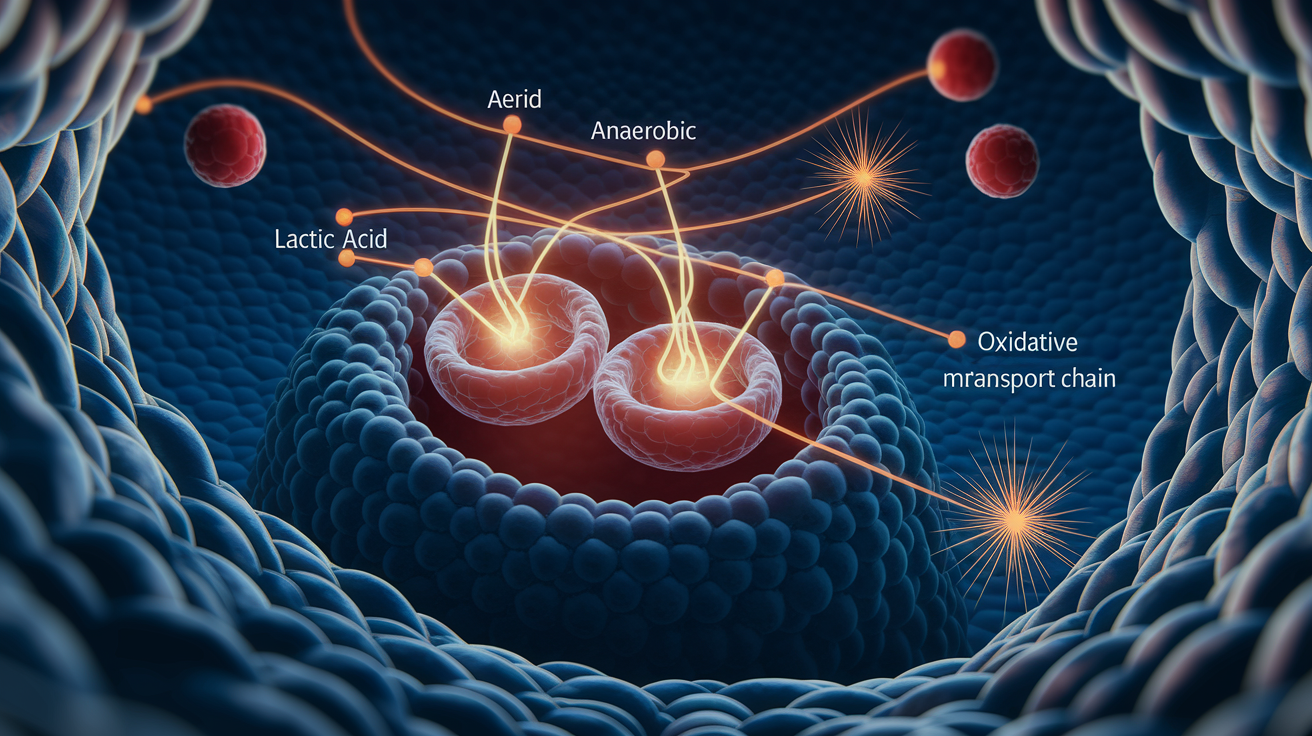
Mitochondria are power plants inside every cell. They take oxygen and food nutrients and turn them into ATP, the molecule that fuels muscle contraction, brain signaling, digestion, everything. When mitochondrial function drops, ATP production falls. Cells can’t keep up. Instead of running on efficient aerobic respiration, they switch to anaerobic pathways that make far less ATP and generate lactic acid. That lactic acid buildup adds to the muscle aches and sluggish recovery.
Struggling mitochondria also produce more reactive oxygen species. Unstable molecules that damage cell structures, DNA, and proteins. This oxidative stress further messes with the electron transport chain, the final stage of ATP synthesis. More oxidative stress means less efficient energy production. It’s a feedback loop: low ATP leads to more reliance on inefficient pathways, which creates more free radical damage, which drops ATP even lower. Over time, this hits multiple organ systems because mitochondria are everywhere. Heart, brain, muscles, liver, gut, skin. All depend on steady ATP supply.
How Low ATP Triggers Whole‑Body Fatigue
When ATP runs low, cells basically hibernate. Heart muscle cells can’t pump as hard, leading to low cardiac output even when standard heart tests look normal. Brain cells slow their signaling, causing memory lapses and trouble concentrating. Muscles fatigue fast and take days to recover because they can’t clear metabolic waste or rebuild glycogen well. Skin and liver circulation slow, impairing toxin clearance and worsening the internal environment. The result? A systemic slowdown that feels like dragging through every single hour.
Recognizing Mitochondrial Fatigue vs Ordinary Tiredness

Ordinary tiredness comes and goes. You sleep badly one night, feel sluggish the next day, bounce back after rest. Mitochondrial fatigue doesn’t follow that script. Rest might help temporarily, but exhaustion returns fast. Activity makes it worse in a delayed, unpredictable way. You’re not just sleepy. You feel drained at a cellular level, like your body’s running on fumes even after a full night’s sleep.
Brain fog is another giveaway. With normal tiredness, thinking might slow, but you can still focus when needed. With mitochondrial dysfunction, simple tasks become genuinely difficult. Writing an email. Following a conversation. Remembering why you walked into a room. It’s not distraction. It’s a processing slowdown that feels thick and heavy.
| Ordinary Tiredness | Mitochondrial Fatigue |
|---|---|
| Improves with rest or sleep | Persists despite rest; may worsen after exertion |
| Localized to feeling sleepy or low energy | Multi-system: muscle weakness, brain fog, digestive issues, immune problems |
| Activity feels tiring but recoverable within hours | Activity triggers crashes lasting 24–72+ hours (post-exertional malaise) |
| Cognitive load manageable with effort | Mental tasks feel heavy, slow, and effortful even when fresh |
Associated Conditions and Common Triggers of Mitochondrial Dysfunction Fatigue

Mitochondrial dysfunction doesn’t usually happen alone. It’s often triggered or worsened by other conditions, toxin exposures, infections, or metabolic imbalances. Chronic fatigue syndrome and fibromyalgia frequently overlap with mitochondrial abnormalities. Many people with autoimmune diseases report similar energy crashes and exercise intolerance. Thyroid problems, especially low thyroid function, can slow mitochondrial activity since thyroid hormones regulate cellular metabolism.
Environmental toxins are a big contributor. Heavy metals like mercury and lead damage mitochondrial membranes and enzymes. Plastics and chemicals from everyday products add to the toxic load. Mold exposure introduces mycotoxins that mess with cellular respiration. Chronic infections like Lyme disease or Epstein–Barr virus activate the immune system in ways that drain ATP and increase oxidative stress. Gut health matters too. Leaky gut and other gastrointestinal disorders can allow toxins and inflammatory molecules into the bloodstream, which then interfere with mitochondrial function.
Nutrient deficiencies are another common thread. Mitochondria need B vitamins, magnesium, iron, and coenzymes like CoQ10 to run the Krebs cycle and electron transport chain. When diet is poor or absorption is off, those deficiencies pile up and energy production drops. Blood sugar swings from low-calorie diets or insulin resistance also stress mitochondria by forcing rapid shifts between fuel sources.
Common triggers and associations:
- Heavy metal exposure (mercury, lead) and chemical toxins from plastics or household products
- Mold mycotoxins from water-damaged buildings
- Chronic infections: Lyme disease, Epstein–Barr virus, other persistent bacterial or viral infections
- Nutrient deficiencies: B vitamins, magnesium, iron, CoQ10
- Thyroid dysfunction and autoimmune conditions
- Gastrointestinal disorders, leaky gut, and mast cell activation syndrome
Diagnostic Testing for Suspected Mitochondrial Dysfunction Fatigue

If your fatigue is severe, affects multiple systems, and doesn’t respond to basic fixes, it’s worth asking your clinician about testing that goes deeper than routine labs. Standard tests often miss mitochondrial issues. A typical ECG, echocardiogram, or angiogram may come back normal even when heart muscle function is impaired at the cellular level. Those tests measure structure and electrical activity, not ATP production or oxygen use efficiency.
Basic metabolic screening is a good starting point. Serum lactate levels above 2.0 mmol/L can signal anaerobic metabolism, especially if measured at rest. Pyruvate and the lactate to pyruvate ratio add context. Creatine kinase (CK) can be elevated if muscle breakdown is happening. A comprehensive metabolic panel checks kidney and liver function, blood sugar, and electrolytes, all relevant when energy systems are struggling. From there, your clinician might order nutrient panels to check B vitamins, magnesium, iron (ferritin and CBC), and vitamin D, along with inflammatory markers like CRP or ESR.
Toxin testing is often useful if there’s a history of mold exposure, occupational chemical contact, or dental amalgams. Heavy metal testing (blood or urine) and mycotoxin panels can identify hidden contributors. Infectious disease workups like serologies for Epstein–Barr, Lyme, and other chronic infections help rule out ongoing immune activation. Thyroid function tests (TSH, free T3, free T4) and autoimmune panels may reveal hormonal or immune dysfunction feeding the energy crisis.
Specialized Testing for Complex Fatigue Patterns
When symptoms are severe or don’t fit a clear diagnosis, specialized metabolic testing can provide more detail. Urine organic acid testing maps Krebs cycle intermediates and can reveal enzyme blockages or nutrient gaps. Plasma amino acid profiles check for imbalances in protein metabolism. Cardiopulmonary exercise testing (CPET) with repeat testing is one of the few ways to objectively document post-exertional malaise. A reproducible drop of more than 10% in VO2 peak on the second test suggests the body isn’t recovering normally. If there’s suspicion of a genetic mitochondrial disease, mitochondrial DNA sequencing or nuclear gene panels may be indicated, though these are typically reserved for cases with progressive neurological symptoms or family history.
Nutritional and Lifestyle Support to Improve Mitochondrial Fatigue Symptoms

Supporting mitochondrial function starts with rebuilding the basics. Consistent sleep, adequate protein at each meal, and morning light exposure help stabilize circadian rhythm and metabolic signaling. Blood sugar balance matters. Skipping meals or eating mostly refined carbs forces mitochondria to switch fuel sources rapidly, which adds stress. Aiming for balanced plates with protein, fiber, healthy fats, and colorful vegetables gives mitochondria steady fuel and the micronutrients they need to run the Krebs cycle efficiently.
Pacing is one of the most important tools. If you have post-exertional malaise, aggressive exercise can backfire. Instead, focus on gentle movement. Short walks, stretching, light household tasks. Nothing that triggers crashes. Rest before you’re exhausted, not after. This protects ATP reserves and prevents the push, payback cycle that worsens mitochondrial fatigue. As energy improves, you can gradually increase activity, but always with attention to how you feel 24 to 72 hours later.
Key nutrient supports that help mitochondrial function:
- B vitamins (especially B2, B3, B5) to support Krebs cycle enzymes
- Magnesium (200–400 mg/day) for ATP synthesis and enzyme activation
- CoQ10 (100–300 mg/day) to support the electron transport chain
- L-carnitine (500–2,000 mg/day) to shuttle fatty acids into mitochondria for fuel
- Alpha-lipoic acid (300–600 mg/day) for antioxidant support and glucose metabolism
Lifestyle Habits That Protect Mitochondria
Beyond supplements, daily habits make a real difference. Prioritize sleep. Mitochondria repair and regenerate overnight. Manage stress with breathing exercises, short breaks, or time outside. Chronic stress hormones impair mitochondrial dynamics. Reduce toxin exposure by choosing cleaner personal care products, filtering drinking water, and addressing any mold or chemical issues in your home. Treat underlying infections and work with your clinician to get thyroid and hormone levels dialed in. These aren’t quick fixes, but they create the conditions mitochondria need to function and recover.
When Mitochondrial Dysfunction Indicates a More Serious Condition

Most mitochondrial dysfunction tied to fatigue is acquired. Triggered by infections, toxins, or metabolic imbalances. And it improves with treatment. But in some cases, especially when symptoms are rapidly progressive or involve multiple severe neurological signs, the cause may be a genetic mitochondrial disease. These inherited conditions damage mitochondrial DNA or nuclear genes that control mitochondrial function, and they often show up in childhood or young adulthood, though mild cases can appear later.
Red flags include unexplained strokes, new onset seizures, rapid cognitive decline or dementia, progressive vision loss, severe muscle weakness that worsens over time, and multi-system failure affecting heart, brain, liver, and kidneys. These symptoms reflect the high mitochondrial density in organs like the brain and heart, where energy demand is constant. If you or a family member has this pattern, especially with a family history of similar symptoms, urgent evaluation by a mitochondrist or metabolic specialist is necessary. Genetic testing, specialized enzyme assays, and sometimes muscle biopsy can confirm or rule out primary mitochondrial disease and guide targeted treatment.
Final Words
You’re dragging through the day, muscles heavy after small chores, or a short walk leaves you wiped out. This piece named the core signs, showed how low ATP and oxidative stress slow your system, and explained how mitochondrial fatigue looks different from ordinary tiredness.
We also covered triggers, sensible tests, and simple food, sleep, and pacing steps to try first.
If mitochondrial dysfunction fatigue symptoms feel like your reality, start with one small change—track patterns, bring notes to your clinician, and pace activity. There are manageable steps ahead.
FAQ
Q: What are the symptoms of poor mitochondrial function?
A: The symptoms of poor mitochondrial function are long-lasting, disabling fatigue, muscle weakness, exercise intolerance with delayed crashes (post-exertional malaise), brain fog, digestive upset, vision changes, and more frequent infections.
Q: What supplements repair mitochondria?
A: Supplements that can help support mitochondrial repair include CoQ10, L‑carnitine, B vitamins (like riboflavin), magnesium, and alpha‑lipoic acid—use them with a clinician’s guidance.
Q: How long does it take to heal mitochondria? How to heal mitochondria dysfunction?
A: Healing mitochondrial dysfunction often takes weeks to months, sometimes longer; focus on targeted nutrients, better sleep, activity pacing, treating infections/toxins, gentle movement, and coordinated care with your clinician.