

What if the tiredness you keep blaming on a busy life is actually getting worse slowly?
Anemia fatigue often starts as mild breathlessness or needing extra coffee, then deepens as iron and hemoglobin fall and your tissues get less oxygen.
This post walks through how that exhaustion moves from early exertional tiredness to daily limits to severe functional exhaustion, explains why those shifts happen, shows which blood tests track the change, and offers small, doable steps to try now and signs that need urgent care.
Understanding Early-to-Advanced Anemia Fatigue Progression
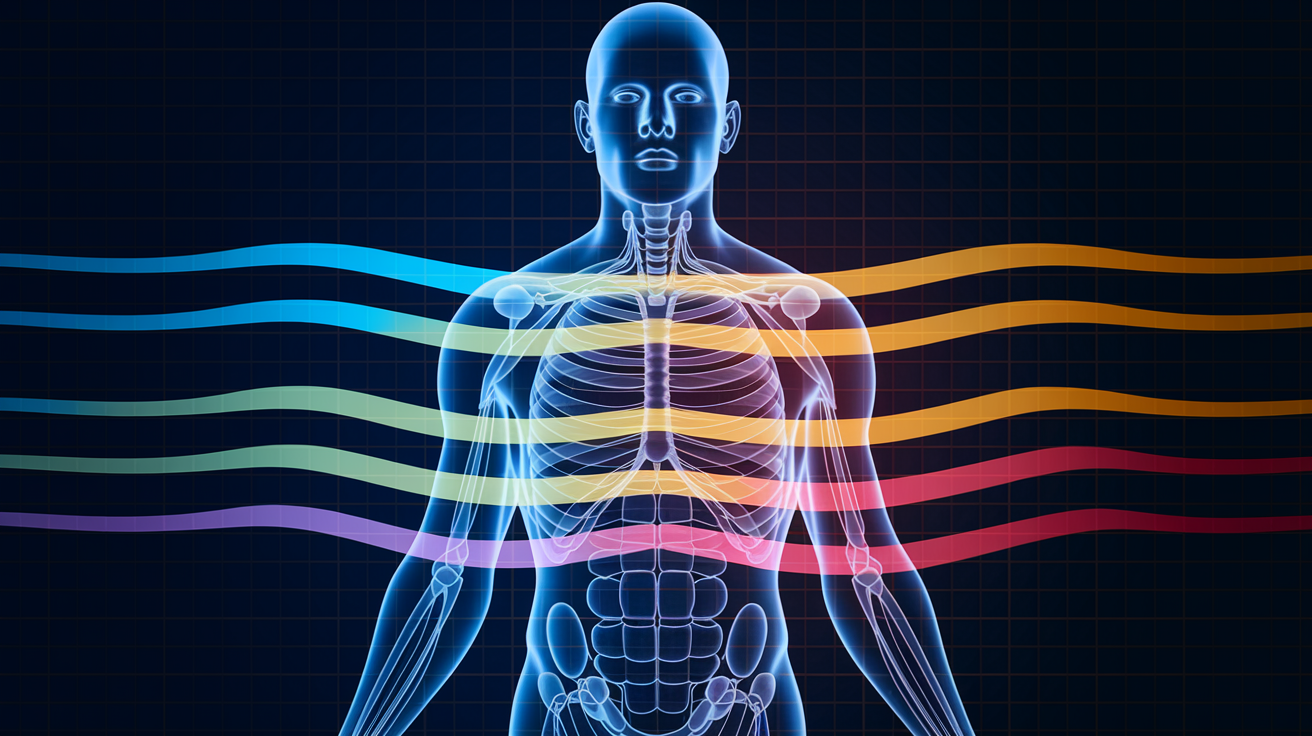
Anemia fatigue doesn’t show up overnight. It builds as your iron stores drain and hemoglobin production slows, cutting oxygen supply to your muscles, brain, and organs bit by bit. Early on, you might feel winded after a workout or need extra coffee to push through the afternoon. As iron keeps dropping, that mild tiredness turns into exhaustion that sleep won’t touch. Eventually, if hemoglobin keeps falling, you could struggle to cross a room without losing your breath or feeling dizzy.
The fatigue progression usually moves through three waves:
Early exertional tiredness. Stamina dips during longer or harder activity. Subtle enough that most people blame stress or bad sleep.
Increasing daily limitations. Grocery shopping, climbing stairs, focusing at work all get noticeably harder. Fatigue’s your regular companion now.
Advanced functional exhaustion. Breathlessness and fatigue hit even when you’re resting or barely moving. Chest discomfort, brain fog, collapse risk all point to critically low oxygen delivery.
This usually unfolds over weeks to months, giving your body time to compensate. Your heart beats faster, your breathing deepens. The changes feel gradual enough to seem normal. You start thinking “I’m just getting older” or “Everyone’s tired,” when really your hemoglobin’s been quietly dropping and your tissues are running on way less oxygen than they need.
Stage-by-Stage Breakdown of Anemia Fatigue Progression

What fatigue looks and feels like at each severity level, the body shifts driving those changes, and why symptoms can feel so different between mild, moderate, and severe anemia.
Mild Anemia Fatigue
In the mild stage (hemoglobin typically around 10 to just under 13 g/dL depending on sex and baseline), your body’s managing a modest oxygen shortfall by working a little harder. Your iron stores (ferritin) have probably been dropping for weeks or months, but hemoglobin’s still high enough that resting oxygen delivery stays adequate. You might notice you’re slightly more tired after a long day, your usual run feels harder, or you get lightheaded when you stand up fast. Subtle pallor may show up in your palm creases or the inner lining of your lower eyelids, though you probably won’t see it unless you’re looking.
You can still do most daily activities without major trouble. The fatigue at this point is more about reduced reserve. Your stamina empties faster, you need more recovery time, and pushing through feels harder than it used to. Because the onset’s slow and symptoms are mild, a lot of people don’t recognize this as anemia. They blame a busy schedule, poor sleep, or stress, and the underlying iron shortage keeps going unchecked.
Moderate Anemia Fatigue
When hemoglobin falls into the moderate range (roughly 8 to just under 10 g/dL), your cardiovascular system’s working overtime to keep oxygen delivery going. Your heart rate stays elevated even at rest. Any exertion triggers noticeable breathlessness and palpitations. Walking on flat ground can leave you winded. Climbing a flight of stairs might need a rest halfway up. Concentration gets harder. Your brain, running on less oxygen, slows down. You might read the same paragraph three times or forget why you walked into a room.
Fatigue at this stage is persistent and intrusive. A good night’s sleep doesn’t fix it. You start avoiding activities you used to enjoy: skipping the gym, saying no to weekend plans, because you know the effort will wipe you out. Pallor’s more obvious now, and friends or coworkers may comment that you look pale or ask if you’re feeling okay. Your body’s still compensating, but the margin for error is shrinking. This is the window where many people finally get medical help, often because someone else notices the change.
Severe Anemia Fatigue
Severe anemia (hemoglobin below 8 g/dL and especially below 7 g/dL) brings exhaustion that doesn’t require exertion to show up. You feel profoundly tired lying in bed. Standing can trigger dizziness or near-fainting. Your heart races at rest, sometimes uncomfortably, and you may feel chest pressure or discomfort because your heart’s straining to pump enough oxygen-starved blood to meet basic metabolic needs. Breathlessness happens with minimal movement: getting dressed, walking to the bathroom, talking for more than a few minutes.
Cognitive function takes a noticeable hit. You may feel confused, struggle to follow conversations, or have trouble making simple decisions. Skin is markedly pale, nails may get brittle or develop a spoon-shaped curve (koilonychia), and hair loss can be pronounced. At this severity, there’s real risk of syncope (fainting), low blood pressure, and (in people with underlying heart or lung disease) heart failure or myocardial ischemia. Severe anemia is a medical emergency. Symptoms at this level often send people to the emergency department, and treatment may include blood transfusion to rapidly restore hemoglobin and relieve the dangerous oxygen deficit.
Acute vs Chronic Anemia Fatigue Progression Differences

Acute anemia develops rapidly (over hours to days), usually from sudden blood loss (trauma, gastrointestinal bleed, postpartum hemorrhage) or hemolysis (red blood cells breaking down faster than normal). Because hemoglobin drops quickly, your body doesn’t have time to adapt. Symptoms hit hard and fast: severe weakness, dizziness, fainting, rapid heart rate, low blood pressure, shortness of breath, sometimes chest pain. The fatigue is immediate and overwhelming, and the risk of shock or organ damage is high because compensatory mechanisms haven’t had time to ramp up.
Chronic anemia creeps in over weeks to months as iron stores slowly deplete from inadequate intake, heavy menstrual bleeding, gastrointestinal blood loss, or chronic inflammation. Your body adjusts gradually. Your heart learns to pump faster at baseline, your breathing rate ticks up slightly, and your tissues extract more oxygen from each hemoglobin molecule. This adaptation lets you tolerate surprisingly low hemoglobin levels without collapsing, but it also means early symptoms are vague and easy to dismiss. Fatigue builds so slowly that you may not realize how bad it’s gotten until you look back and notice you’ve stopped doing things you used to manage easily.
| Pattern | Onset Speed | Typical Fatigue Characteristics |
|---|---|---|
| Acute anemia | Hours to days | Sudden, severe exhaustion; dizziness, fainting, rapid heart rate, breathlessness at rest, risk of shock |
| Chronic anemia | Weeks to months | Gradual increase in tiredness, reduced stamina, exertional breathlessness, cognitive slowing; early stages often asymptomatic |
The speed of onset matters for diagnosis and treatment urgency. Acute anemia often needs emergency care and transfusion. Chronic anemia, while less immediately dangerous, still needs thorough evaluation to find and fix the underlying cause, whether that’s nutritional deficiency, ongoing blood loss, or an inflammatory condition blocking iron use.
Physiological Causes Behind Worsening Anemia Fatigue
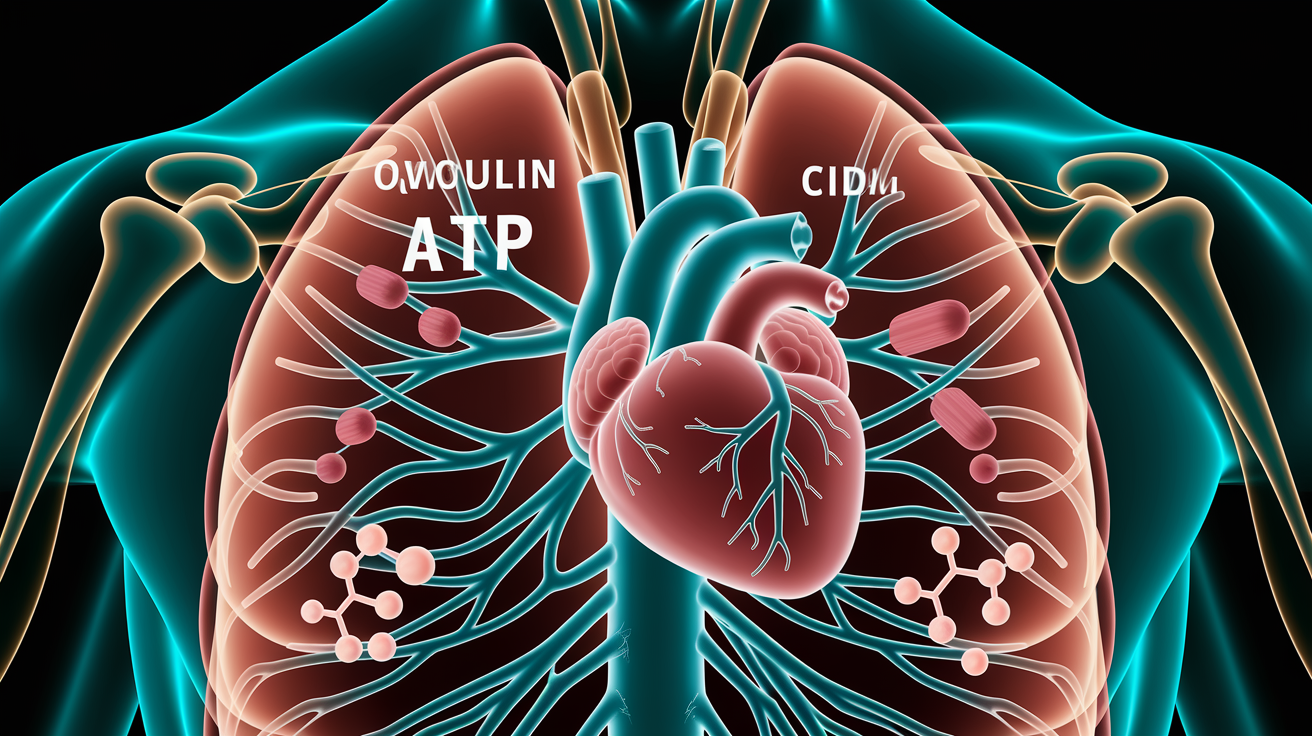
Fatigue in anemia comes down to one core problem: your tissues aren’t getting enough oxygen. Hemoglobin is the protein in red blood cells that binds oxygen in your lungs and delivers it to every cell in your body. When iron is scarce, your bone marrow can’t produce enough functional hemoglobin, so each liter of blood carries less oxygen. Muscles, which rely on steady oxygen supply to produce ATP (the energy currency of cells), run out of fuel faster. Your brain, one of the most oxygen-hungry organs, slows down. The result is early muscle fatigue, mental fog, and that heavy, drained feeling that defines anemia.
Your heart tries to compensate by beating faster and harder, pushing more blood through your circulatory system to make up for the lower oxygen content per heartbeat. This works for a while, but it’s exhausting for your cardiovascular system. You feel your heart racing during activities that used to be easy. Over time, chronic overwork can strain the heart, especially in people with preexisting heart disease. Meanwhile, your muscles, unable to rely fully on aerobic metabolism, shift toward anaerobic glycolysis (a less efficient process that produces lactic acid). That’s why even light exertion can leave you feeling sore and wiped out, as if you’ve just finished a hard workout.
In anemia of chronic disease (common with conditions like rheumatoid arthritis, chronic kidney disease, or cancer), inflammation plays an additional role. Inflammatory cytokines interfere with iron metabolism, trapping iron inside storage cells and blocking its use in red blood cell production. Even if your total body iron is adequate, your bone marrow can’t access it, and hemoglobin production stalls. This type of anemia produces persistent, sometimes treatment-resistant fatigue because the underlying inflammation keeps the brake on erythropoiesis (red blood cell formation), regardless of iron supplementation.
Diagnostic Indicators That Track Fatigue Progression

The best way to track how anemia fatigue is evolving (and whether treatment’s working) is through blood tests that measure hemoglobin, iron status, and the bone marrow’s response. A complete blood count (CBC) gives your hemoglobin level, which directly correlates with oxygen-carrying capacity and symptom severity. Serum ferritin shows how much iron is stored in your body. Low ferritin is often the earliest sign of iron depletion, appearing before hemoglobin drops. Serum iron and total iron-binding capacity (TIBC) help distinguish iron-deficiency anemia from other types, and transferrin saturation (calculated from these values) tells you how much of your iron-transport protein is actually loaded with iron.
When you start treatment, reticulocyte count becomes useful. Reticulocytes are young red blood cells just released from the bone marrow. A rising reticulocyte count within 3 to 7 days of starting iron therapy signals that your bone marrow is responding and ramping up red cell production. If reticulocytes don’t rise, it suggests the treatment isn’t working, the diagnosis might be wrong, or there’s an additional problem (like ongoing blood loss or inflammation) blocking recovery.
Five primary diagnostic markers and their relation to fatigue severity:
Hemoglobin (Hb). The main oxygen-delivery measure. Lower Hb directly increases fatigue and symptom severity.
Ferritin. Reflects iron stores. Very low ferritin (often <15–30 ng/mL) indicates depleted reserves and early or worsening iron deficiency.
Serum iron and TIBC. Distinguish iron deficiency (low iron, high TIBC) from anemia of chronic disease (low iron, low or normal TIBC).
Transferrin saturation. Percentage of iron-binding sites occupied. Values below 20% suggest insufficient iron availability for red cell production.
Reticulocyte count. Marker of bone marrow activity and treatment response. Should rise within the first week of therapy that’s working.
Treatment and Recovery Timeline for Anemia Fatigue Improvement
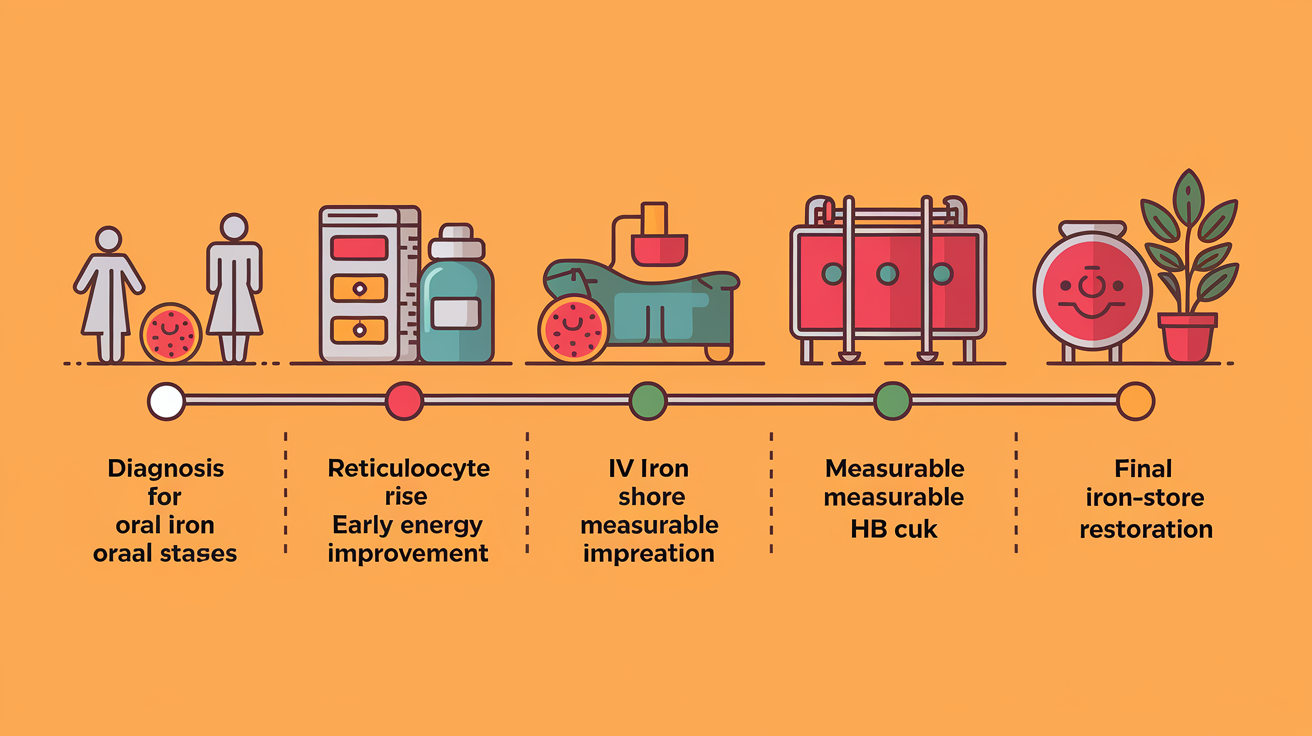
Oral iron supplementation is the most common first-line treatment for iron-deficiency anemia. When you start taking it consistently, your bone marrow responds within days. Reticulocyte count typically rises in 3 to 7 days, signaling increased red blood cell production. Hemoglobin usually climbs by about 1 g/dL every 2 to 4 weeks, though the exact pace depends on how low you started, how well you absorb the supplement, and whether you’re still losing blood. Many people notice a subtle energy boost within the first 1 to 3 weeks, even before hemoglobin’s fully normalized, because the body begins restoring oxygen delivery bit by bit.
Intravenous (IV) iron works faster. It bypasses the gut, delivering a large dose of iron directly into the bloodstream and bone marrow. Hemoglobin often starts to rise within 1 to 3 weeks, and many patients report feeling noticeably less fatigued within 1 to 2 weeks of the infusion. IV iron’s typically used when oral supplements cause intolerable side effects, absorption is poor (due to conditions like celiac disease or inflammatory bowel disease), or anemia is severe and rapid correction is needed. Blood transfusion produces the fastest relief. Hemoglobin rises within minutes to hours, and symptoms like breathlessness and dizziness improve almost immediately. Transfusion is reserved for severe anemia with unstable vital signs, active bleeding, or significant cardiovascular symptoms.
Full restoration of iron stores and complete symptom resolution usually takes longer than hemoglobin normalization. Even after your hemoglobin returns to normal, you’ll often need to continue oral iron for another 3 to 6 months to rebuild tissue iron reserves and prevent relapse. The total timeline from diagnosis to full recovery can range from 2 to 6 months, depending on severity, treatment type, and whether the underlying cause has been addressed.
Four key recovery milestones:
Reticulocyte rise (3–7 days). Confirms bone marrow is responding to treatment.
Early energy improvement (1–3 weeks). Subjective fatigue often begins to lift before labs fully normalize.
Measurable hemoglobin increase (2–6 weeks). Labs show hemoglobin climbing, typically ~1 g/dL every 2–4 weeks with oral iron.
Full iron-store restoration (3–6 months). Ferritin normalizes, reserves are rebuilt, and risk of relapse drops.
Red Flags and When Worsening Fatigue Requires Urgent Care
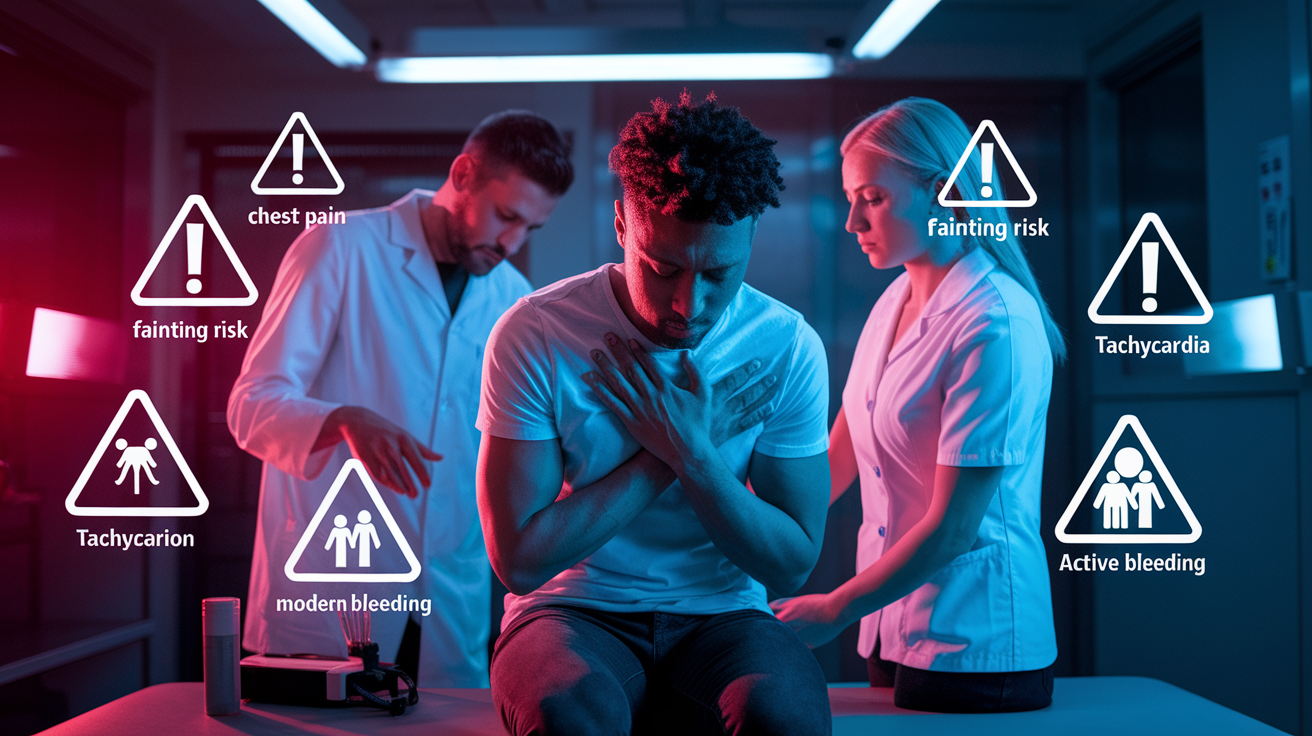
Severe breathlessness at rest, chest pain, or fainting aren’t normal parts of anemia fatigue. They signal that your oxygen delivery has become critically low and your body’s struggling to maintain basic function. When hemoglobin drops to very low levels (often below 7 to 8 g/dL, though symptoms vary by individual), your heart and brain may not receive enough oxygen to work safely. Chest pain or pressure can indicate that your heart muscle is ischemic (starved for oxygen), especially if you have underlying coronary artery disease. Syncope or near-syncope suggests your blood pressure or oxygen levels have fallen dangerously low, and confusion or sudden cognitive changes mean your brain isn’t getting the oxygen it needs.
Six major emergency red flags:
Chest pain, pressure, or new angina. Possible myocardial ischemia.
Fainting or near-fainting episodes. Risk of injury and sign of unstable vital signs.
Shortness of breath at rest. Indicates severe oxygen deficit.
Very rapid or irregular heart rate. Cardiac strain from compensatory tachycardia.
Confusion, disorientation, or sudden cognitive decline. Cerebral hypoxia.
Signs of active, heavy bleeding. Ongoing blood loss requires immediate intervention.
If you or someone you’re with experiences any of these symptoms, get urgent medical evaluation. Emergency departments can rapidly check hemoglobin levels, look for bleeding sources, and provide treatments like oxygen, IV fluids, or blood transfusion to stabilize oxygen delivery. Early intervention can prevent complications like heart failure, stroke, or organ damage that can occur when tissues are deprived of oxygen for too long.
Factors That Accelerate or Slow Anemia Fatigue Progression
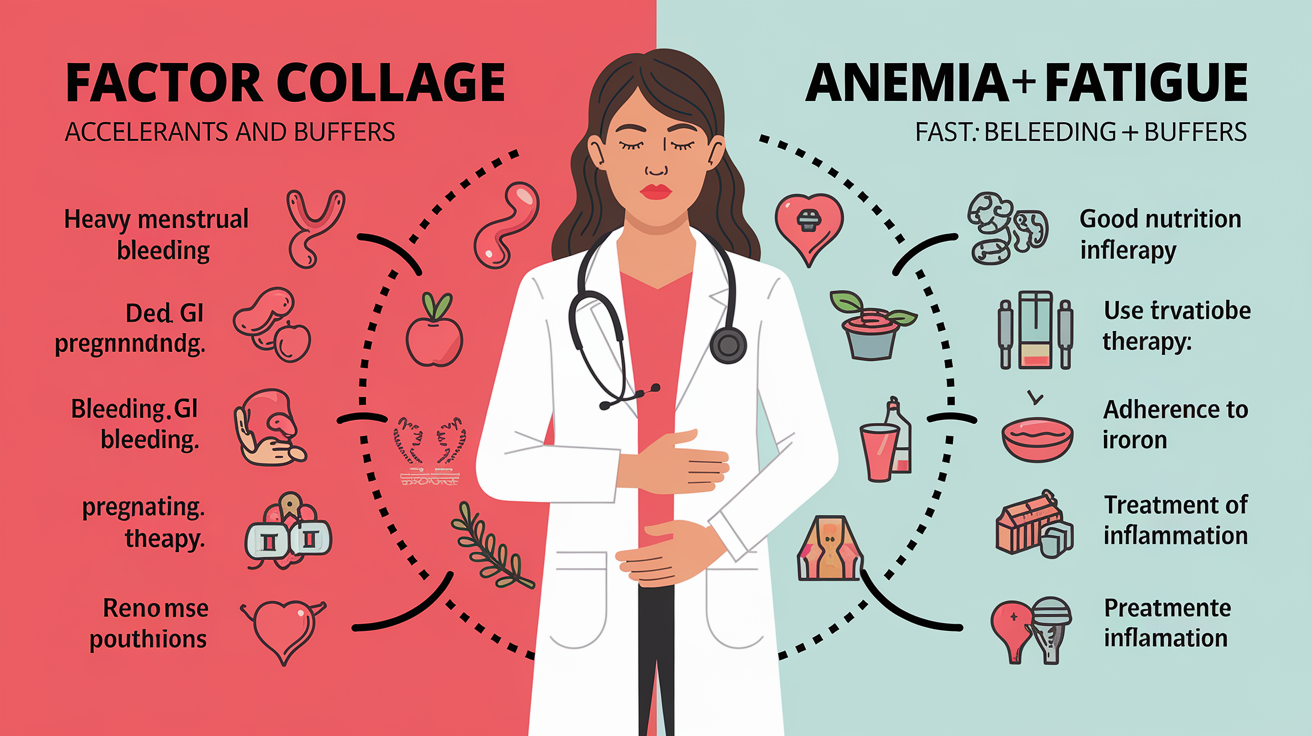
Heavy menstrual bleeding is one of the most common causes of faster iron-deficiency anemia in premenopausal women. Losing significant blood each month drains iron stores faster than diet alone can replace them, especially if periods are prolonged or clot-heavy. Gastrointestinal blood loss (whether from ulcers, gastritis, polyps, or colorectal cancer) can be silent and chronic, gradually depleting iron without obvious symptoms until anemia becomes moderate or severe. Pregnancy increases iron demand sharply because your blood volume expands and the developing fetus draws on your iron reserves, so deficiency can progress faster during and after pregnancy if intake doesn’t keep pace.
Chronic inflammation, chronic kidney disease, and certain cancers slow recovery and can worsen fatigue by blocking iron use. In chronic kidney disease, your kidneys produce less erythropoietin (the hormone that signals bone marrow to make red blood cells), so even adequate iron may not translate into hemoglobin production. Inflammatory conditions like rheumatoid arthritis or inflammatory bowel disease trigger the release of hepcidin, a protein that traps iron inside cells and prevents it from being used for red cell production. Medications, particularly proton pump inhibitors (PPIs, which reduce stomach acid needed for iron absorption) and nonsteroidal anti-inflammatory drugs (NSAIDs, which can cause gastric bleeding), also contribute to faster progression.
Age and cardiovascular health matter too. Older adults and people with preexisting heart or lung disease develop symptoms at higher hemoglobin levels because their bodies have less reserve to compensate. A hemoglobin of 10 g/dL might cause only mild fatigue in a healthy young adult but trigger severe breathlessness and chest pain in someone with coronary artery disease. On the other hand, good nutritional status, prompt treatment of underlying causes, and high adherence to iron therapy can slow or reverse progression, turning a potentially worsening course into steady recovery.
Special Populations: Pregnancy, Older Adults, and Children

Pregnant individuals face unique anemia risks because blood volume increases by up to 50 percent, diluting hemoglobin concentration, and the growing fetus requires a steady iron supply. Iron needs roughly double during pregnancy, and if dietary intake or supplementation doesn’t meet that demand, anemia can develop quickly. Fatigue may appear earlier in pregnancy than it would outside of pregnancy at the same hemoglobin level, because the cardiovascular system is already working harder to support increased metabolic demands. Untreated anemia during pregnancy raises the risk of preterm birth, low birth weight, and postpartum hemorrhage, so early screening and consistent iron supplementation are critical.
Older adults often present with atypical symptoms. Classic exertional fatigue may be overshadowed by difficulty thinking, poor concentration, muscle weakness, or balance problems. Because these symptoms overlap with normal aging, chronic illness, and dementia, anemia can go unrecognized for months. Older adults are also more likely to have multiple contributing factors: poor nutrition, chronic disease, medication side effects, and occult gastrointestinal bleeding, all of which complicate both diagnosis and recovery. When anemia is found, thorough evaluation for underlying causes (including malignancy) is necessary, and treatment timelines may be slower due to other health conditions and medication interactions.
Children with iron-deficiency anemia may not report fatigue the way adults do. Instead, parents and teachers notice irritability, low energy, poor appetite, or difficulty concentrating at school. Physical signs include pale skin, a rapid heart rate, and sometimes a swollen or sore tongue. Pica (cravings for non-food items like ice, clay, or dirt) is a classic pediatric sign. Because children’s brains are still developing, untreated anemia can impair cognitive development and academic performance, making early detection and treatment especially important.
Pregnancy-Specific Fatigue Risks
Increased oxygen requirements during pregnancy mean that even mild anemia can produce noticeable fatigue, breathlessness, and dizziness. The cardiovascular system is already under strain from higher blood volume and cardiac output, so there’s less reserve to buffer a drop in hemoglobin. Fatigue may worsen more quickly than in non-pregnant individuals at the same hemoglobin level. Recovery requires consistent iron supplementation throughout pregnancy and often into the postpartum period to rebuild stores depleted by delivery blood loss and breastfeeding.
Pediatric and Elderly Adaptation Differences
Children’s bodies are resilient but their symptoms are often vague, making diagnosis harder unless caregivers and clinicians keep a high index of suspicion. Irritability and poor school performance can be mistaken for behavioral issues rather than a medical problem. Elderly patients, meanwhile, may adapt to slowly worsening anemia by unconsciously reducing activity, so fatigue becomes “invisible.” They simply stop doing things rather than complaining of tiredness. This adaptation can mask severe anemia until a fall, confusion, or chest pain prompts emergency evaluation.
Final Words
You’ve seen how tiredness often starts quietly as iron and hemoglobin fall, then grows as the body works harder to move oxygen around.
We walked through the stages from mild exertional tiredness to limits on daily life and, in advanced cases, exhaustion at rest. We also covered acute vs chronic patterns, what labs track the change, and typical treatment timelines.
If you notice steady decline, ask for basic blood tests and talk to your clinician about next steps.
Keeping an eye on anemia fatigue symptom progression helps you get relief sooner and feel better, step by step.
FAQ
Q: How severe is fatigue from anemia?
A: Fatigue from anemia can range from mild tiredness during activity to severe exhaustion that limits daily tasks. Severity usually reflects how low hemoglobin and iron are and how quickly the anemia developed.
Q: What is the rule of 3 for anemia?
A: The rule of three for anemia says hematocrit is roughly three times hemoglobin, and red blood cell count times three approximates hemoglobin. It’s a quick lab shortcut, not a diagnosis on its own.
Q: How long does it take to recover from anemia and fatigue?
A: Recovery from anemia and fatigue depends on treatment: transfusion helps within hours, IV iron often improves symptoms in 1–2 weeks, oral iron works over weeks, and full restoration can take 3–6 months.
Q: What are the final stages of anemia?
A: The final stages of anemia include severe exhaustion at rest, marked breathlessness, chest discomfort, fainting, low blood pressure, rapid heart rate, and signs of organ low-oxygen that require urgent medical care.