

What if the bone-deep tiredness you wake up with isn’t just being busy, but a sign your kidneys are struggling?
You’re not imagining it—studies show 20–91% of people with kidney disease report fatigue, and up to 24% say it’s severe.
This tiredness often doesn’t improve with sleep.
It’s tied to real body changes: less erythropoietin (a hormone that makes red blood cells), waste build-up, electrolyte swings, and chronic inflammation.
This post will name the common chronic kidney disease fatigue symptoms, explain why they happen in plain language, and give simple next steps you can try.
Understanding the Physiological Drivers of CKD-Related Fatigue

Chronic kidney disease fatigue symptoms affect most people living with CKD. Clinical reviews from 2021 put the range somewhere between 20% and 91% of people with kidney disease reporting fatigue. About 5% to 24% say their exhaustion is severe. Those are wide ranges, but the point is clear: most people with CKD deal with tiredness that’s different from what you feel after a long day.
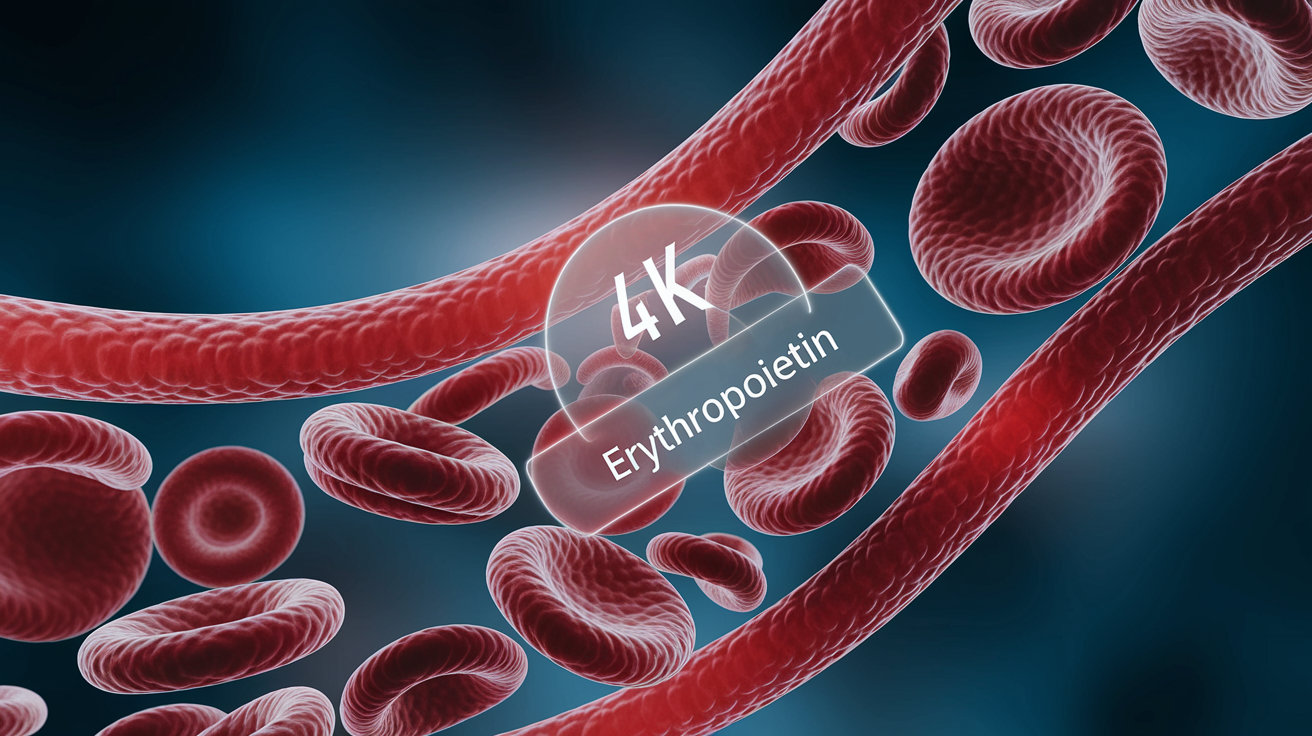
CKD fatigue doesn’t get better when you rest. You can sleep a full night and still wake up drained. The root causes are physical, tied directly to what happens when kidneys stop working right. The biggest driver is anemia. When kidney function drops, your kidneys make less of a hormone called erythropoietin. That hormone tells your bone marrow to produce red blood cells. Fewer red blood cells means less oxygen reaches your muscles and brain. Even small tasks can leave you winded and worn out.
Beyond anemia, your body starts holding onto waste products it would normally filter out. That buildup, called uremia, creates a constant low-grade feeling of being unwell. Electrolytes like potassium and sodium can shift out of balance, which affects how your nerves and muscles fire. Chronic inflammation becomes part of the picture too, raising levels of immune proteins that directly interfere with energy production at the cellular level.
Add in muscle wasting, nutrient gaps, and side effects from medications or dialysis. You end up with fatigue that’s layered, persistent, and hard to shake. It’s not laziness or poor sleep hygiene. It’s your body working harder just to keep basic systems running.
Key Symptoms That Suggest Fatigue Is Related to Kidney Disease

Renal fatigue signs go beyond feeling sleepy. The hallmark is exhaustion that doesn’t improve after a night of rest. You wake up tired. You stay tired through the day. Lying down for a nap doesn’t reset anything. That nonrestorative quality is one of the clearest indicators that something systemic is going on, not just a busy week or a bad mattress.
Cognitive symptoms often come along for the ride. People describe it as brain fog: trouble focusing on a conversation, forgetting why you walked into a room, or needing extra time to process information that used to come easily. It’s not dementia, but it feels unsettling when your mind moves slower than it used to.
Muscle weakness is another common thread. Climbing stairs, carrying groceries, or standing for more than a few minutes can feel surprisingly hard, even if you haven’t been particularly active.
You might also notice physical changes that point to kidney involvement. Swelling in your hands, ankles, or face can show up when your kidneys aren’t balancing fluids well. Urination patterns may shift. That might mean peeing more often at night, seeing foam or color changes, or noticing less output overall. Some people get persistent muscle cramps, especially in the legs. Sleep becomes fragmented, with frequent waking or restless legs that make it hard to settle. And underneath it all is a generalized sense of malaise, a feeling that your body is working against you.
Symptom patterns that commonly point to CKD-related fatigue:
- Exhaustion that persists despite adequate or even extended sleep
- Difficulty concentrating, slowed thinking, or memory lapses
- Muscle weakness or heaviness that makes routine tasks feel harder
- Swelling in the hands, feet, or around the eyes
- Changes in how often you urinate or what your urine looks like
- Muscle cramping, especially at night or after minimal activity
- Trouble falling asleep or staying asleep, even when you feel exhausted
- A vague sense of feeling unwell or run down most days
How CKD Stage Affects Fatigue Severity
Fatigue during CKD stages 1 through 5 varies depending on how much kidney function remains. In the early stages, when eGFR (estimated glomerular filtration rate, a measure of how well your kidneys filter) is still relatively high, tiredness may come and go. You might notice it after a long day or during periods of stress, but it’s not necessarily a constant companion.
As kidney function declines into stage 3, fatigue becomes more noticeable. More frequent. This is the point where anemia often starts to develop, waste products begin to accumulate more visibly in lab work, and the body’s compensatory mechanisms start to strain.
By stages 4 and 5, moderate to severe exhaustion is common. Daily activities require more effort. Rest doesn’t provide the relief it once did. For people on dialysis, fatigue can spike and dip around treatment sessions, influenced by fluid removal, blood pressure changes, and the metabolic shifts that happen during and after each session.
| Stage | Typical Fatigue Severity |
|---|---|
| Stage 1 (eGFR ≥90) | Minimal or absent; kidney damage present but function near normal |
| Stage 2 (eGFR 60–89) | Mild or intermittent; may increase with physical exertion or illness |
| Stage 3 (eGFR 30–59) | Moderate; becomes more consistent and noticeable in daily life |
| Stage 4 (eGFR 15–29) | Moderate to severe; significant impact on work, social, and household tasks |
| Stage 5 (eGFR <15) | Severe; persistent exhaustion, often worsened by anemia and uremia |
| Dialysis (all modalities) | Variable; often pronounced around treatment times, influenced by fluid shifts and metabolic load |
The Role of Anemia and Low Hemoglobin in CKD Fatigue

Fatigue and anemia in kidney disease are tightly linked. Up to 90% of people with CKD stages 3 through 5 develop some degree of anemia. The direct cause is a drop in erythropoietin production. Healthy kidneys release this hormone to signal your bone marrow to make red blood cells. When kidneys are damaged, that signal weakens. Red blood cell numbers fall. Hemoglobin, the protein that carries oxygen in your blood, drops too.
Low hemoglobin means less oxygen reaches your tissues. Your heart has to work harder to pump enough oxygenated blood around your body. That’s why even light activity, like walking across a room or folding laundry, can leave you breathless and exhausted.
Iron deficiency often compounds the problem. Even if your body is trying to make red blood cells, it can’t do it efficiently without enough iron. That’s why clinicians check ferritin and transferrin saturation (TSAT) levels alongside hemoglobin. Ferritin tells you how much iron is stored in your body. TSAT shows how much iron is actually available for red blood cell production.
Treatment typically involves iron supplementation, sometimes given intravenously if oral iron isn’t absorbed well or causes stomach upset. In many cases, erythropoiesis-stimulating agents (ESAs) are prescribed to mimic the action of natural erythropoietin. Hemoglobin targets are set individually, balancing the goal of reducing fatigue with the risks of pushing hemoglobin too high, which can increase cardiovascular complications. Regular lab monitoring helps adjust doses and catch problems early.
Anemia-related fatigue often shows up as:
- Feeling winded or short of breath after minimal exertion
- Persistent tiredness that doesn’t lift even after rest
- Rapid or irregular heartbeat, especially during activity
- Pale skin, cold hands and feet, or dizziness when standing
How Dialysis Affects Fatigue Levels

Dialysis-related fatigue is one of the most commonly reported challenges for people receiving kidney replacement therapy. The process itself, whether in-center hemodialysis or home peritoneal dialysis, places unique demands on the body. During hemodialysis, your blood is filtered outside your body. Fluid is removed over the course of several hours. That fluid shift can cause blood pressure to drop, which triggers lightheadedness, nausea, and a crash in energy that lasts well into the next day.
Intradialytic fatigue, the exhaustion that hits while you’re hooked up to the machine, is tied to hemodynamic changes. Your blood pressure fluctuates, electrolytes move in and out of balance, and metabolic waste products are pulled out of your bloodstream quickly. Some people feel okay during treatment but then experience postdialysis exhaustion, a bone-deep tiredness that makes it hard to do anything for hours or even a full day afterward. The timing and severity vary, but it’s common enough that many dialysis patients plan their week around treatment days and recovery days.
Peritoneal dialysis tends to produce a different fatigue pattern. Because fluid and waste removal happens continuously or multiple times a day at home, the metabolic load is more evenly distributed. That can mean less dramatic energy crashes, but it also means a baseline level of tiredness that doesn’t fully lift. The effort of managing exchanges, fluid balance, and the physical presence of dialysate in your abdomen can be draining in its own right.
| Fatigue Pattern | Hemodialysis | Peritoneal Dialysis |
|---|---|---|
| Timing and intensity | Peaks during and immediately after sessions; may last 12–24 hours post-treatment | More continuous, lower-intensity fatigue throughout the day |
| Primary drivers | Rapid fluid/electrolyte shifts, blood pressure drops, metabolic fluctuations | Ongoing metabolic burden, presence of dialysate, manual exchange effort |
Treatment teams often work with patients to adjust dialysis schedules, ultrafiltration rates, and session length to minimize fatigue. Small changes in timing or fluid targets can sometimes make a noticeable difference in how you feel the rest of the week.
Other Medical Causes Contributing to CKD Fatigue

Inflammation and fatigue in CKD often go hand in hand. Chronic kidney disease triggers a low-grade inflammatory state. Elevated levels of cytokines and other immune proteins circulate in your bloodstream. These substances don’t just signal infection or injury. They also interfere with how your cells produce energy and how your brain regulates sleep and wakefulness. The result is a kind of systemic drag that makes everything feel harder, even when lab work shows your anemia is being treated.
Sleep disorders are another major contributor. Sleep apnea is common in people with CKD, partly because fluid retention can affect airway tissues and partly because metabolic changes alter breathing patterns. Restless legs syndrome also shows up frequently, often worse at night, making it nearly impossible to fall asleep or stay asleep. Even when you’re in bed for eight hours, fragmented sleep leaves you unrefreshed.
Depression and anxiety amplify fatigue. Living with a chronic illness is hard. The daily management, the uncertainty, the physical limitations. All of it takes a mental and emotional toll. When mood drops or anxiety spikes, your body’s stress response stays activated, which drains energy reserves. Some people describe it as feeling tired of being tired. A kind of exhaustion that’s as much emotional as it is physical.
Polypharmacy, taking multiple medications at once, adds another layer. Some drugs have fatigue as a known side effect. When you’re on five or ten medications, it can be hard to pinpoint which one is making things worse.
Medications that may worsen fatigue include:
- Beta-blockers used for blood pressure or heart conditions
- Sedating antihistamines or older antidepressants
- Opioid pain relievers
- Some anti-seizure medications used for nerve pain
- Diuretics that lead to dehydration or electrolyte imbalance
Diagnostic Evaluation for CKD Fatigue

Fatigue assessment tools CKD clinicians use start with basic labs and expand based on what they find. A complete blood count (CBC) checks your hemoglobin and hematocrit to screen for anemia. Iron studies (ferritin and transferrin saturation) show whether low iron is part of the picture. Serum creatinine and BUN (blood urea nitrogen) measure waste product levels and help estimate kidney function through eGFR. Electrolyte panels look for imbalances in sodium, potassium, calcium, and phosphorus that can affect muscle and nerve function.
Beyond the standard labs, clinicians may order vitamin D levels, since deficiency is common in CKD and can contribute to muscle weakness and low energy. Thyroid function tests rule out hypothyroidism, which mimics many CKD fatigue symptoms. If mood changes or sleep problems are prominent, screening questionnaires for depression, anxiety, or sleep disorders may be part of the evaluation. Some specialized centers use patient-reported fatigue severity scales to track how tiredness affects daily life and to measure whether treatments are helping over time.
| Test | What It Evaluates |
|---|---|
| Complete blood count (CBC) | Hemoglobin and hematocrit to detect anemia |
| Ferritin and TSAT | Iron stores and availability for red blood cell production |
| Serum creatinine, BUN, eGFR | Kidney function and waste product accumulation |
| Electrolyte panel, vitamin D, thyroid (TSH) | Metabolic and hormonal contributors to fatigue |
Evidence-Based Medical Treatments That Improve CKD Fatigue

Anemia management strategies are the cornerstone of treating CKD-related fatigue. Iron supplementation for CKD fatigue, whether oral or intravenous, helps restore the raw material your body needs to build red blood cells. IV iron is often preferred in dialysis patients or when oral iron causes stomach upset or isn’t absorbed well.
Once iron levels are adequate, erythropoietin therapy fatigue relief becomes an option. Erythropoiesis-stimulating agents (ESAs) like epoetin alfa or darbepoetin alfa mimic natural erythropoietin, signaling your bone marrow to ramp up red blood cell production.
EPO dosing considerations fatigue teams make include balancing the benefits of raising hemoglobin against the risks of going too high. Hemoglobin targets are individualized, usually aiming for levels that reduce symptoms without increasing cardiovascular complications. Regular monitoring ensures doses are adjusted as kidney function changes or other treatments are added.
Correction of metabolic acidosis, when blood becomes too acidic, can also reduce fatigue. Bicarbonate supplements help restore acid-base balance, which lowers the energy cost of keeping your body’s systems stable. Vitamin D supplementation is considered when levels are low, since vitamin D plays a role in muscle function and overall vitality.
Managing comorbidities like diabetes, high blood pressure, and heart disease is equally important. When these conditions are well controlled, the cumulative burden on your body decreases. Energy levels often improve as a result. Treatment is rarely one-size-fits-all. It’s a combination of targeted interventions adjusted over time based on labs, symptoms, and how you’re functioning day to day.
Lifestyle Changes That Support Better Energy With CKD

Sleep hygiene tips for kidney patients start with a consistent schedule. Aim for at least seven hours of sleep each night, the CDC recommendation updated in September 2022. Go to bed and wake up at the same time every day, even on weekends, to help your body settle into a rhythm. Create a bedtime routine that signals it’s time to wind down. Dim the lights, avoid screens for at least an hour before bed, and keep your bedroom dark, quiet, and cool. If restless legs or discomfort wake you up, talk to your clinician about adjustments to medications or timing of dialysis that might help.
Dietary interventions to reduce fatigue focus on balanced, kidney-safe nutrition. Work with a renal dietitian to tailor your intake to your CKD stage. In general, aim for lean proteins like chicken, fish, or plant-based options within your prescribed limits. Complex carbohydrates like whole grains for sustained energy. A variety of fruits and vegetables chosen for lower potassium content if needed. Small, frequent meals can help stabilize blood sugar and prevent the energy crashes that come with large, heavy meals. Watch sodium intake to help manage blood pressure and fluid balance, and follow any fluid restrictions your team has set, especially if you’re on dialysis.
Exercise programs for fatigue don’t have to be intense. The CDC recommends at least 150 minutes of moderate aerobic activity per week, or 75 minutes of vigorous activity, plus muscle-strengthening exercises on two or more days. For people with CKD, low-impact options work well. Walking, swimming or water aerobics, gentle yoga, stationary cycling, or light resistance training with bands or small weights. Always check with your clinician before starting a new routine, and monitor your blood pressure and energy levels as you go. Even short bouts of movement, like a 10-minute walk after a meal, can improve circulation and lift mood.
Pacing techniques for energy conservation help you get through the day without hitting empty. Break tasks into smaller steps and alternate activity with rest. Schedule demanding tasks, like grocery shopping or meal prep, during your highest-energy periods. Limit naps to 20 or 30 minutes so you don’t disrupt nighttime sleep. Consider assistive devices, like a shower chair or grab bars, to reduce physical strain. And give yourself permission to outsource or delegate tasks when you can.
Practical strategies to support better energy:
- Keep a regular sleep and wake time, even on weekends
- Choose kidney-safe, balanced meals with lean protein and complex carbs
- Fit in short walks or gentle movement most days of the week
- Break big tasks into small steps and rest between them
- Limit caffeine after early afternoon and avoid alcohol close to bedtime
- Ask for help with heavy lifting, meal prep, or household chores when fatigue is high
Mental Health, Cognitive Strain, and Fatigue in Kidney Disease

Depression and fatigue renal patients experience often feed each other. When you’re exhausted all the time, it’s harder to stay engaged with the people and activities that used to bring you joy. And when mood drops, even small tasks feel overwhelming, which deepens the sense of tiredness. Anxiety fatigue kidney disease adds another layer, keeping your nervous system on high alert and draining energy reserves even when you’re sitting still.
Cognitive impairment fatigue CKD, sometimes called brain fog, shows up as slowed thinking, trouble focusing, or memory lapses. It’s not the same as dementia, but it can be frustrating and isolating. The causes are multi layered. Uremic toxins affect brain function, anemia reduces oxygen delivery to the brain, and chronic stress keeps your mind in overdrive.
Cognitive behavioral therapy (CBT) and other psychosocial interventions have shown benefit in some CKD populations. A 2017 review found that structured support, whether one-on-one counseling, group therapy, or guided stress-reduction programs, helped reduce fatigue for some patients. A 2023 study of CBT in hemodialysis patients showed mixed results, with some participants reporting improvements and others seeing little change. That underscores the variability in how people respond.
Peer support, mindfulness practices, and involvement of family or friends in care planning can also make a meaningful difference.
When to Contact a Clinician About CKD-Related Fatigue
When to see a doctor for fatigue comes down to changes in severity, new symptoms, or signs that fatigue is interfering with basic daily function. If exhaustion suddenly gets worse, even though nothing else has changed in your routine or treatment plan, that’s worth a call. Progressive confusion, trouble concentrating that makes it hard to follow conversations or manage medications, or persistent mental fog that doesn’t lift. All red flags.
New or worsening muscle weakness, especially if it comes with cramping, twitching, or difficulty standing from a seated position, should prompt evaluation. Severe anemia symptoms like chest pain, fainting, or a racing heartbeat need immediate attention. Signs of fluid overload, such as rapid weight gain, swelling that doesn’t improve with elevation, or shortness of breath, also warrant urgent contact.
Your clinician can run targeted labs, adjust medications, optimize anemia treatment. They can refer you to specialists like a nephrologist, sleep medicine provider, or mental health professional. And they can help you figure out the next best step to get your energy and function back on track.
Final Words
You now know what drives the persistent, nonrestorative tiredness in CKD: anemia, toxin buildup, electrolyte shifts, inflammation, muscle loss, and the effects of treatment and meds.
We also covered how kidney-related fatigue looks, how it shifts by stage, which tests help find the causes, medical options like iron or EPO, and simple supports—better sleep, gentle activity, pacing, and mental health care.
If chronic kidney disease fatigue symptoms are part of your day, talk with your care team—small checks and steady habits can help you feel better.
FAQ
Q: What are the early signs of kidney failure?
A: The early signs of kidney failure are often subtle: ongoing tiredness, swelling in legs or around the eyes, changes in urine (less, foamy, or darker), poor concentration, and nausea. Get checked.
Q: What stage of kidney disease causes fatigue?
A: Fatigue in kidney disease often starts by stage 3 and gets worse in stages 4–5; dialysis can cause bigger energy swings from fluid shifts and toxin buildup.
Q: Does CKD always progress?
A: CKD doesn’t always progress; many people stay stable for years. Progression depends on cause, blood pressure and diabetes control, medications, and regular follow up to help slow decline.
Q: What are the symptoms of CKD stage 4?
A: Symptoms of CKD stage 4 include worsening, nonrestorative fatigue, swelling, poor appetite, nausea, muscle cramps, sleep and concentration problems, and anemia signs like shortness of breath or fast heartbeat—see a kidney specialist.