

What if the tiredness you shrug off is actually your heart asking for help?
This kind of fatigue isn’t the usual kind: it sneaks up, gets steadily worse over days, and won’t lift after a night’s sleep.
If your energy crashes during simple tasks, you need naps you never used to, or you feel weak enough to worry about fainting, treat that as a warning.
In this post you’ll learn key red-flag fatigue patterns, the other signs to watch, and when to seek urgent care.
We’ll also share simple tracking steps you can start today to help your care team.
Key Fatigue Warning Signs That Suggest Worsening Heart Failure

When your heart can’t pump enough blood, fatigue shows up different than ordinary tiredness. Your muscles and organs get less oxygen-rich blood, waste products clear more slowly, and fluid settles in your lungs and tissues. You run out of energy faster. And you don’t bounce back with your usual rest.
The pattern matters more than a single tired day. If your tiredness gets worse over days or weeks, if you can’t do things that felt easy two weeks ago, or if your energy drops suddenly after routine activity, your heart function may be slipping. Watch for fatigue that keeps you from finishing normal tasks, leaves you needing naps you never used to take, or makes you feel weak enough that you worry you might faint.
7 red-flag fatigue patterns to report promptly:
- Progressive, noticeable loss of energy over days to weeks rather than one bad day.
- New or increasing need to rest during activities you used to finish without pausing.
- Sudden, large energy drop or near-collapse during a routine task like showering or climbing one flight of stairs.
- Extreme weakness or exhaustion that doesn’t improve after a night’s sleep or a rest day.
- Daily naps becoming necessary when you didn’t need them before, especially if they replace activities instead of just adding to them.
- Fatigue paired with new shortness of breath, feeling winded at rest, or trouble breathing when you lie down.
- Fatigue plus visible ankle or leg swelling, a tight belly, or rapid overnight weight gain.
Why Heart Failure Causes Severe Fatigue and Weakness
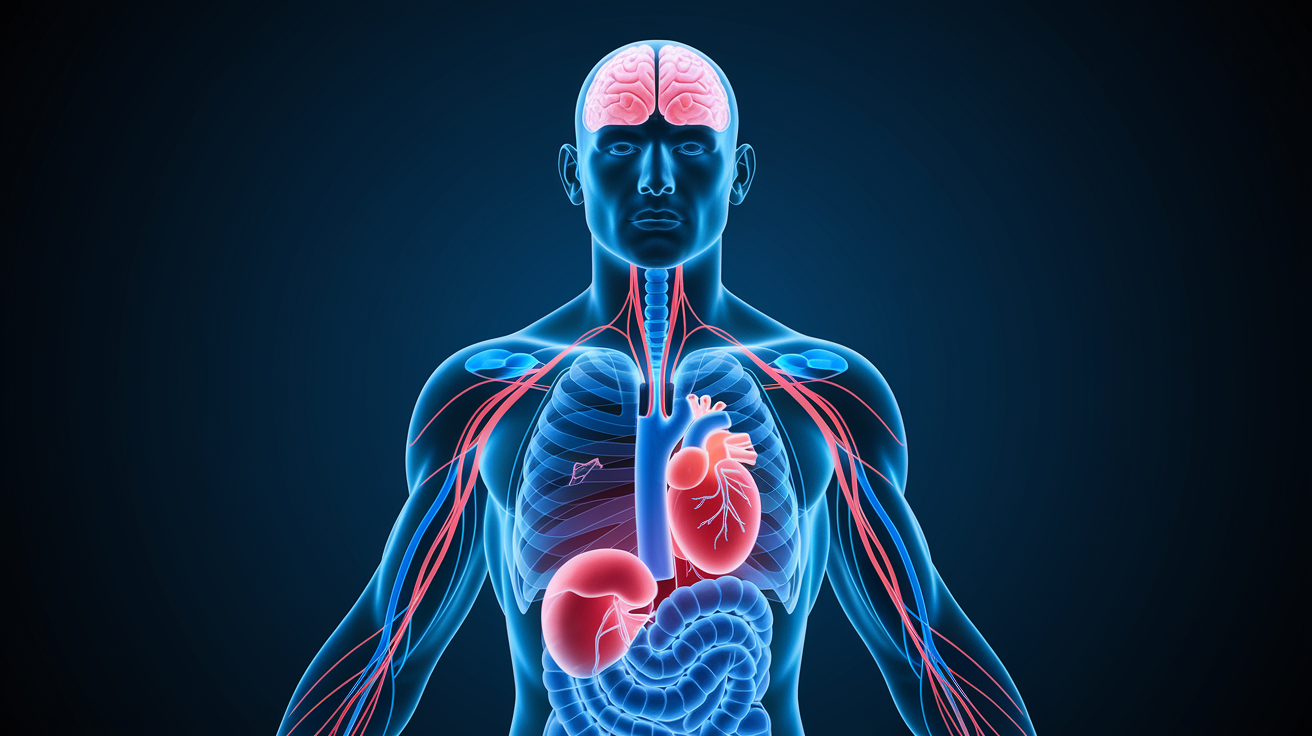
Your heart pumps blood that carries oxygen and nutrients to every tissue. In heart failure, the pump weakens or stiffens. Less blood moves forward with each beat. Your body responds by routing available blood to the organs that must work no matter what: your brain, heart, and kidneys. Muscles and tissues farther from the core get a smaller share, so they tire quickly and recover slowly.
Fluid backs up when blood moves sluggishly through your circulation. That congestion often settles in your lungs, making it harder to breathe and increasing the energy cost of every breath. The extra work of moving air in and out, combined with less oxygen delivery, leaves you feeling drained even when you’ve done very little.
Low blood pressure episodes add another layer. When pressure drops too far, blood flow to your brain and muscles slows even more. You get dizzy, weak, and hit with a heavy tiredness that feels almost like shutting down.
Additional Worsening Symptoms That Often Accompany Heart Failure Fatigue

Fatigue rarely shows up alone when heart failure gets worse. Breathing changes are common. You may feel short of breath during activity that used to be fine, walking to the mailbox or carrying a bag of groceries, and then notice breathlessness creeping in at rest. Lying flat can become uncomfortable. You might wake gasping at night or find yourself stacking an extra pillow just to breathe easier.
Swelling is another hallmark. Fluid collects in your legs, ankles, feet, and sometimes in your belly. Your rings may feel tight, your shoes may not fit by evening, and your pants might be snug around the waist. Rapid weight gain, two or more pounds overnight or five pounds in a week, often means your body’s holding onto fluid instead of clearing it.
You might also notice a persistent dry or wet cough, especially at night or when you lie down. Some people cough up small amounts of pink, foamy mucus. That’s a sign fluid has moved into the lungs. Nausea, poor appetite, or a full feeling in your stomach can happen when fluid presses on your digestive organs. A fast, fluttering, or irregular heartbeat can appear as your heart struggles to keep up, along with dizziness or lightheadedness.
Six major accompanying red flags:
- Shortness of breath at rest or waking unable to breathe unless you sit up.
- Swollen legs, ankles, or abdomen that appeared quickly or keeps getting worse.
- Rapid weight gain (2+ pounds overnight or 5+ pounds in a week).
- Persistent cough, especially if you cough up pink or frothy mucus.
- Palpitations, racing heart, or new irregular rhythm.
- Dizziness, lightheadedness, or fainting spells.
Distinguishing Normal Tiredness From Dangerous Heart Failure Fatigue
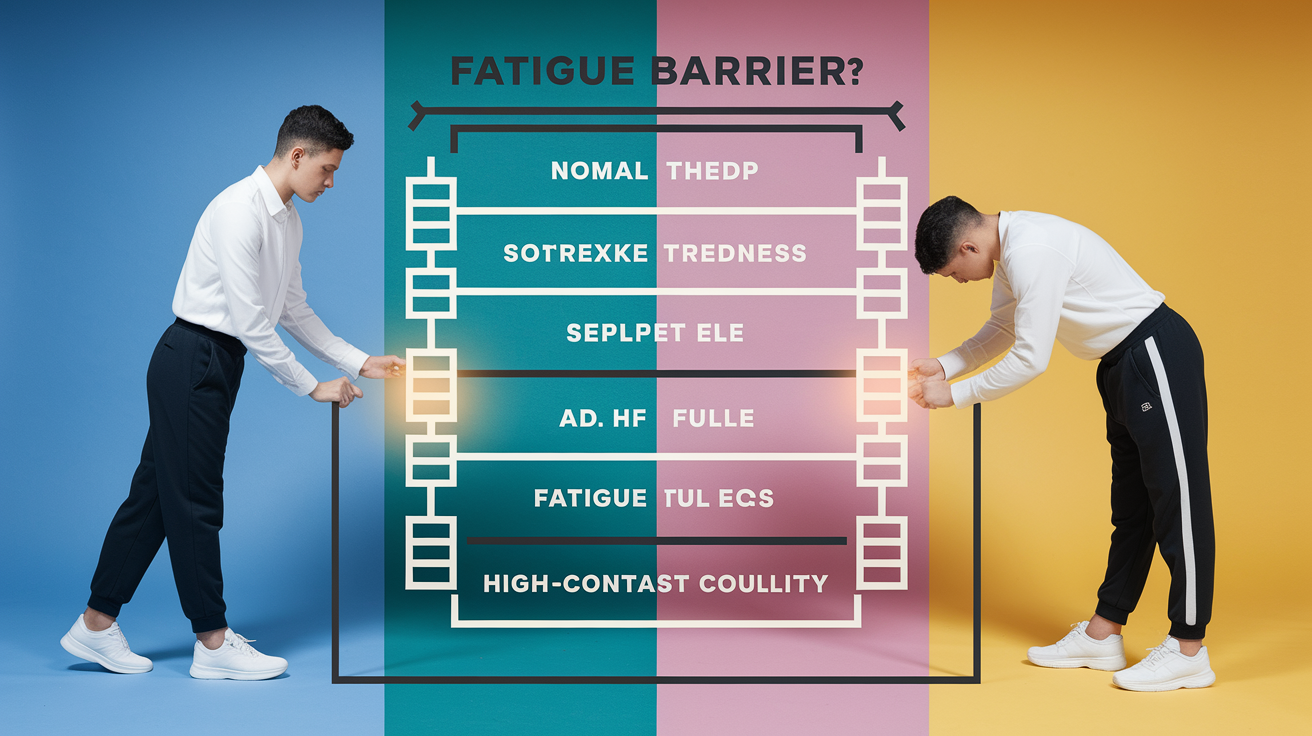
Everyone gets tired. Normal tiredness follows effort. A long day, a busy week, a poor night’s sleep. It improves when you rest or catch up on sleep. It doesn’t stop you from doing your regular activities. You still get through your morning routine, make a meal, walk around the block.
Heart failure fatigue is different. It’s persistent, progressive, and out of proportion to what you’ve been doing. It limits your daily tasks. It doesn’t lift with rest. It can appear suddenly, worsening over hours or days, and it often comes with the other warning signs: swelling, breathlessness, rapid weight gain, dizziness, or confusion.
| Normal Tiredness | HF-Related Fatigue |
|---|---|
| Proportional to your activity and improves with sleep or rest days. | Out of proportion to exertion, persistent, doesn’t improve with usual rest. |
| Doesn’t limit your ability to complete routine daily tasks. | Limits or stops basic tasks like walking, dressing, cooking, climbing stairs. |
| Stable over time, with predictable energy patterns. | Progressive worsening over days to weeks, or sudden sharp decline. |
| Not accompanied by swelling, breathing trouble, chest pain, or rapid weight gain. | Often appears with shortness of breath, swelling, sudden weight gain, dizziness, confusion, or chest discomfort. |
When Fatigue Means You Should Seek Urgent or Emergency Care

Some combinations of symptoms require immediate action. Fatigue paired with certain red flags can mean your heart failure has become unstable or that another serious problem, a heart attack, dangerous arrhythmia, or severe fluid overload, is happening right now.
Call 911 or get emergency help immediately if you experience any of the following alongside your fatigue:
- Chest pain, pressure, or tightness, especially if it spreads to your jaw, shoulder, or arm.
- Pink, frothy mucus when you cough. This signals fluid in the lungs and needs urgent treatment.
- Fainting, near-fainting, or sudden collapse.
- Sudden, severe shortness of breath that makes it hard to speak or move.
- Rapid, large overnight weight gain (more than 3 pounds) combined with severe swelling and breathlessness.
Contact your primary care doctor, cardiologist, or heart failure nurse promptly, same day if possible, if you notice new or worsening shortness of breath with minimal activity, new difficulty lying flat to sleep, new swelling in your legs or belly, or a sustained drop in your energy over several days that makes daily tasks harder than they were a week ago. Earlier contact allows medication adjustments, testing, and interventions that can keep you out of the hospital.
Monitoring Tools to Track Heart Failure Fatigue Changes
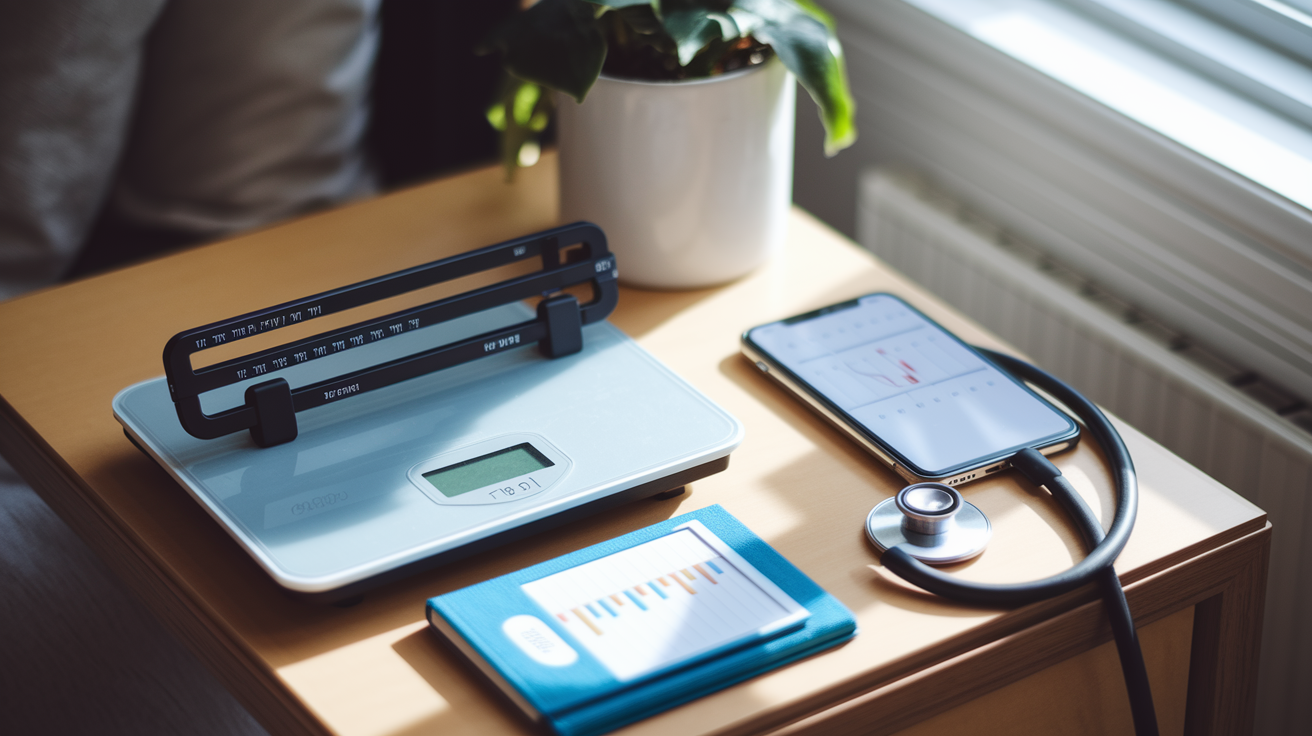
Tracking your symptoms and weight at home gives you and your care team a window into how your heart’s doing day to day. A daily weight log is one of the simplest and most helpful tools. Step on the scale at the same time each morning, after using the bathroom and before breakfast, and write the number down. Rapid increases signal fluid retention before swelling becomes obvious.
A symptom diary lets you record your energy level, breathing changes, activity tolerance, and any new signs like cough or dizziness. Note when symptoms happen, how long they last, and what you were doing. Over time, you’ll see patterns. Certain activities that trigger fatigue, times of day when breathlessness gets worse, or a steady decline that prompts a call to your clinician.
Five practical tracking tools:
- Daily weight chart (write down morning weight every day, alert your team if you gain 2+ pounds overnight or 5+ pounds in a week).
- Energy diary (rate your baseline energy on a normal day and after specific activities to spot changes).
- Symptom checklist (mark off swelling, breathlessness, cough, dizziness, nausea, and note severity).
- Medication log (record doses and timing to confirm you’re staying on track and identify patterns if fatigue worsens after dose changes).
- Warning sign tracker (list the red flags you’ve been told to watch for, check them off when they appear, and bring the list to appointments or urgent calls).
Medical Evaluation and Tests Used to Assess Fatigue in Heart Failure

When you report worsening fatigue, your clinician starts with a physical exam and a review of your symptom and weight logs. They’ll listen to your heart and lungs, check for swelling, measure your blood pressure, and ask detailed questions about when the fatigue started, what makes it worse, and what other symptoms are happening.
Blood tests are a core part of the evaluation. A B-type natriuretic peptide (BNP or NT-proBNP) test measures a hormone your heart releases when it’s under strain. Rising levels suggest worsening heart failure. Other blood work checks for anemia, thyroid problems, kidney function, and electrolyte imbalances. All of which can cause or worsen fatigue.
An electrocardiogram (ECG) records your heart’s electrical activity and can reveal rhythm problems, evidence of past heart attacks, or strain patterns. An echocardiogram uses ultrasound to show how well your heart chambers pump and whether your valves are leaking or narrowed. Your care team may also review any home monitoring data you’ve collected: daily weights, blood pressure readings, or smartwatch rhythm recordings if you track atrial fibrillation.
Tests That Help Clarify Fatigue Causes
BNP testing, complete blood count for anemia, thyroid-stimulating hormone (TSH), basic metabolic panel for kidney and electrolyte status, and imaging like chest X-ray or echocardiogram all help separate heart failure fatigue from other treatable causes. If your fatigue is new or suddenly worse, checking for infection, medication side effects, or a recent change in your heart function becomes especially important.
Medication, Lifestyle, and Management Factors That Influence Fatigue
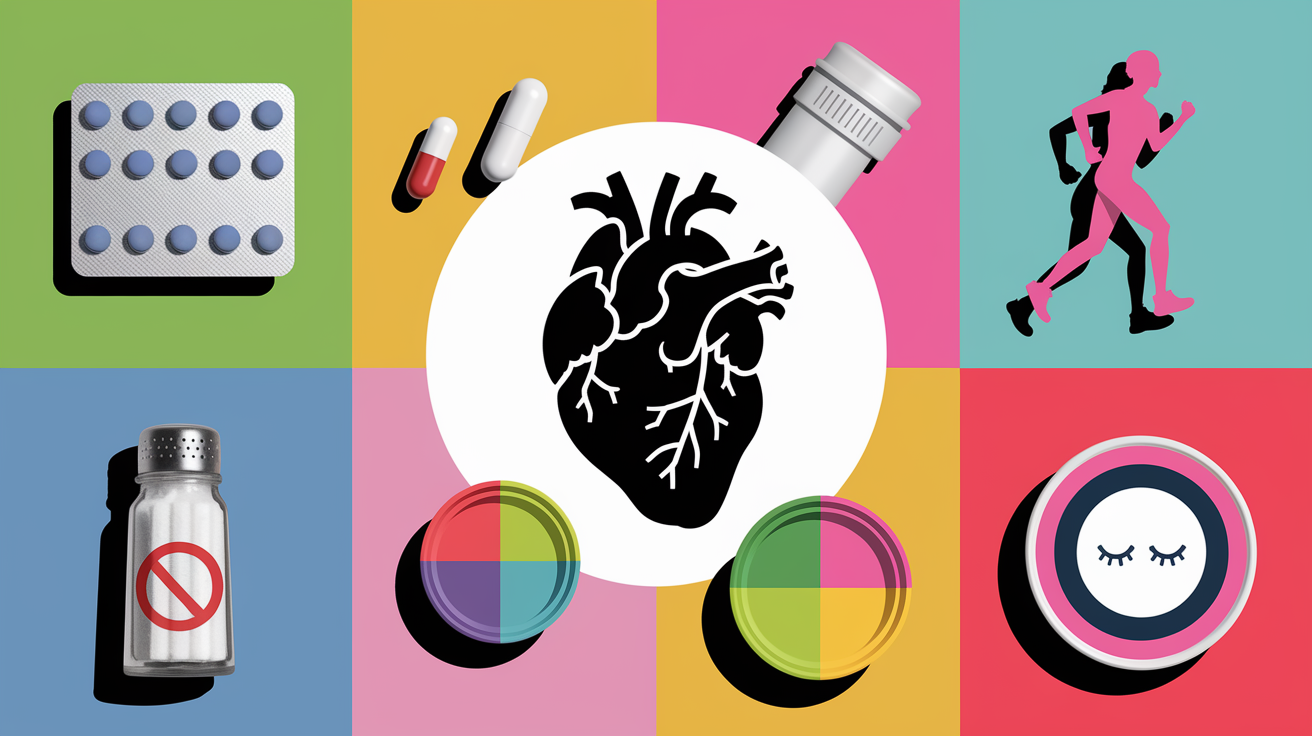
Most people with heart failure take medications that help the heart pump more efficiently, remove extra fluid, or control blood pressure and heart rate. Common classes include ACE inhibitors or ARBs, beta-blockers, and diuretics (water pills). Over 80 percent of people living with heart failure are on at least one of these. When doses are right, they reduce strain on the heart, clear congestion, and often improve energy.
Diuretics can sometimes cause fatigue if they remove too much fluid too quickly, dropping your blood pressure or depleting electrolytes like potassium. If you feel more tired after a diuretic dose increase, mention it. Your team may adjust the dose or add a supplement. Beta-blockers can also lower energy in the first few weeks, but for most people fatigue improves once the body adjusts and the heart works more efficiently.
Lifestyle habits directly affect how tired you feel. Eating too much salt makes your body hold onto fluid, worsening swelling and breathlessness. Moderate, regular movement, walking, light cycling, stretching, can actually reduce fatigue over time by strengthening your heart and muscles, as long as you stay within safe limits your care team sets. Cardiac rehabilitation programs offer supervised exercise, education, and support, and they’ve been shown to improve energy, mood, and overall function.
Six practical management steps:
- Take your medications exactly as prescribed. Set phone reminders or use a pill organizer.
- Limit sodium to the amount your clinician recommends (often 2,000 mg or less per day).
- Stay active within your safe zone. Aim for short, frequent sessions rather than long bursts.
- Track your weight daily and report sudden gains promptly.
- Eat balanced meals with enough protein, fiber, and color to support your energy and nutrition.
- Bring your symptom diary and medication list to every visit so your team can fine-tune your plan.
Factors That Can Trigger Sudden Worsening of Fatigue in Heart Failure
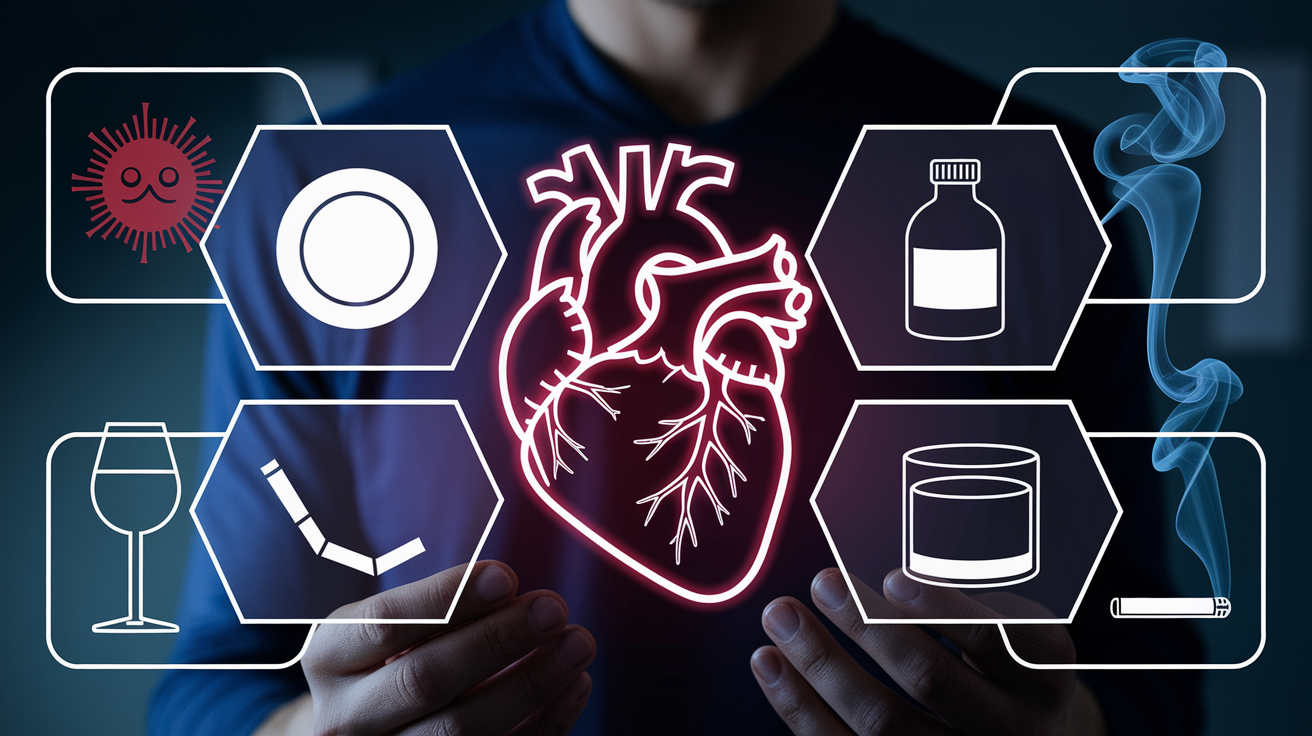
Certain triggers can tip a stable situation into a flare. Infections, even a simple cold or urinary tract infection, increase your body’s demands and can overwhelm a weakened heart. Missing doses of your diuretic or other heart medications allows fluid to build up quickly, and the resulting congestion drains your energy and makes breathing harder.
High-salt meals are a common culprit. Restaurant food, canned soups, deli meats, and salty snacks can load you with several days’ worth of sodium in one sitting. That leads to rapid fluid retention and a spike in fatigue and swelling. Alcohol can weaken the heart muscle and interfere with medications, and smoking damages blood vessels and reduces the oxygen your blood can carry.
Five frequent triggers to watch and avoid:
- Infections (report fever, cough, burning with urination, or flu symptoms promptly).
- High-sodium meals or processed foods (check labels and ask for low-salt options when eating out).
- Skipping or running out of medications (refill prescriptions early and keep a backup supply).
- Alcohol consumption (ask your clinician for safe limits or whether you should avoid it completely).
- Smoking or secondhand smoke exposure (quitting improves circulation and reduces heart strain).
Advanced Disease, Devices, and When Fatigue Signals Progression
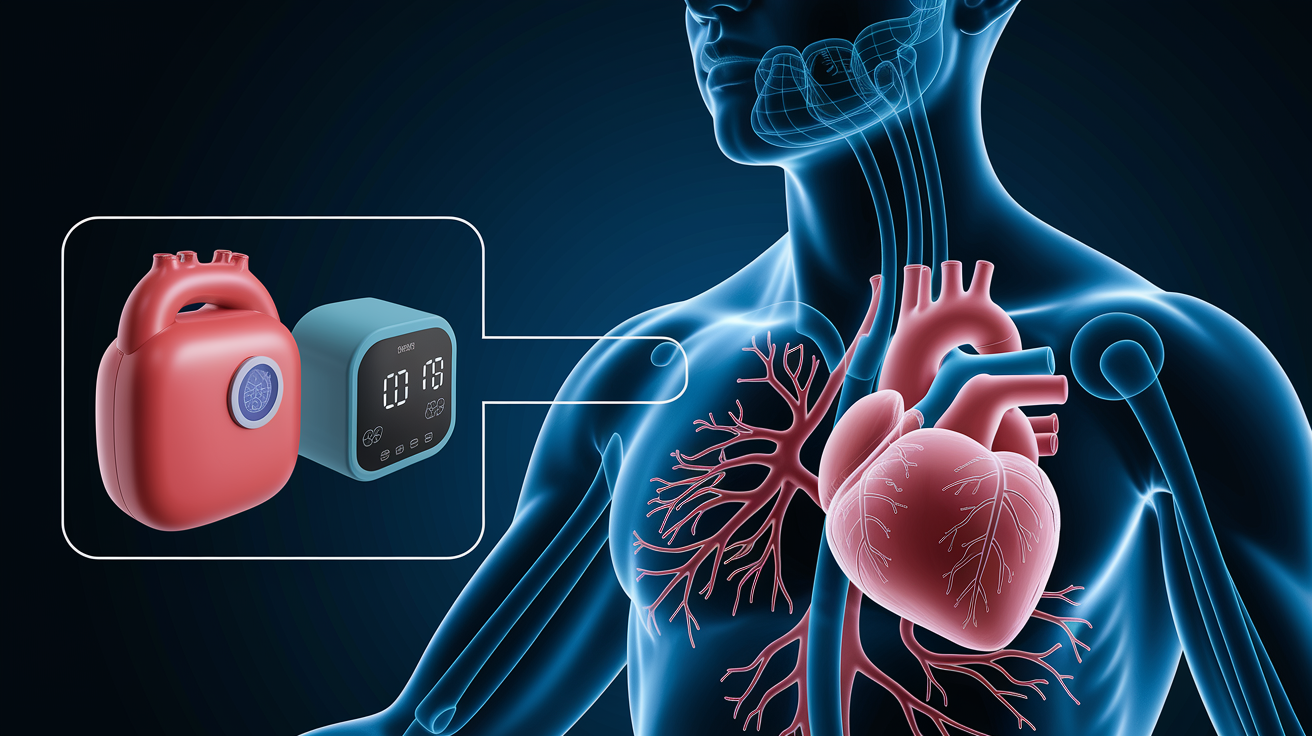
About 10 percent of people with heart failure have advanced or Stage IV disease, where symptoms persist despite optimal medication and lifestyle measures. In this phase, fatigue often becomes more constant and limiting. You may need help with daily tasks. Small efforts like getting dressed or walking across a room can leave you exhausted.
Some people with advanced heart failure have implantable devices. An implantable cardioverter-defibrillator (ICD) monitors heart rhythm and can deliver a shock if a dangerous arrhythmia starts. Cardiac resynchronization therapy (CRT) uses a special pacemaker to help the heart’s chambers beat in sync, improving pump efficiency and sometimes reducing fatigue. These devices don’t cure heart failure, but they can improve quality of life and reduce sudden cardiac death risk.
If your fatigue keeps getting worse despite medication adjustments, device therapy, and careful self-care, your care team may discuss advanced options like mechanical circulatory support, evaluation for a heart transplant, or a shift toward comfort-focused care. Worsening fatigue, especially when paired with unrelieved breathlessness, severe swelling, and declining function, can signal that your heart failure is progressing. Earlier conversations about goals and options give you more time to make informed choices that fit your life and values.
Final Words
Notice when everyday tasks take more effort, naps replace normal activity, or breathless spells come on after very little exertion.
We covered how a weaker heart and fluid buildup cause worsening tiredness, the red-flag patterns to watch, and the tests and monitoring that help spot change early.
Keep a simple daily log of weight, energy and breathing and call your clinician if patterns match heart failure fatigue warning signs. Small, steady steps—paced movement, daily weigh-ins, timely contact—can help you catch problems sooner and feel more in control.
FAQ
Q: Which are two signs of worsening heart failure?
A: The two signs of worsening heart failure are increasing breathlessness (even at rest or with minimal activity) and sudden fluid gain—rapid weight increase or new swelling in legs, ankles, or abdomen.
Q: Can you still live a long life with heart failure?
A: You can still live a long life with heart failure when it’s treated and managed—medications, daily weight and symptom tracking, salt and fluid control, activity pacing, and regular follow-up help slow progression.
Q: Is hot weather bad for heart failure patients?
A: Hot weather can be problematic for heart failure patients because heat and dehydration strain the heart and change fluid balance; diuretics and sweat raise risk—stay cool, sip fluids as advised, and check weight daily.
Q: What are the symptoms of early heart failure?
A: The symptoms of early heart failure include mild, persistent fatigue, lower exercise tolerance, shortness of breath with activity, occasional cough, and mild ankle swelling or small but steady weight gain.