

What if improving your gut didn’t mean pricey tests or strict diets?
If your stomach feels heavy after lunch or bloating shows up after dinner, you’re not imagining it.
Small daily habits — a 10‑minute walk after meals, warm water or ginger, more fiber and fermented foods, steadier sleep, and a few stress‑calming breaths — often help digestion more than complicated plans.
This post lays out easy, realistic moves you can start today and a simple 3–7 day routine to feel less bloated and more regular.
Fastest Natural Ways to Improve Digestion (Start Here)

Your stomach feels heavy after lunch. Bloating shows up right after dinner. You don’t need hours of prep or complicated protocols to feel better. A few quick, natural moves can get digestion moving again in minutes to an hour.
Walking for 10 to 15 minutes after a meal gets blood flowing and helps food move through your digestive tract. Warm water soothes an upset stomach and gets things unstuck. Ginger, whether it’s a fresh slice in hot water or a few sips of tea, settles nausea and wakes up digestive juices. Peppermint relaxes stomach muscles and eases cramping. Taking five slow, deep breaths tells your nervous system to calm down, which directly impacts how your gut processes food.
Here’s what you can do today:
- Take a short walk – Even 10 minutes helps move gas and food along.
- Sip warm water or herbal tea – Warm liquids relax stomach muscles and support movement.
- Try fresh ginger – Grate a small piece into hot water or chew a thin slice.
- Use peppermint – Peppermint tea or even the scent can reduce bloating fast.
- Practice deep breathing – Slow inhales and exhales calm the gut brain connection and reduce stress cramping.
Daily Eating Habits That Support Better Gut Function
How you eat matters just as much as what you eat. Rushing through meals or snacking while distracted puts extra stress on your digestive system. When you chew slowly and thoroughly, you break down food into smaller pieces and mix it with saliva, which contains enzymes that start digestion before food hits your stomach. Chewing well reduces the workload on your gut and prevents bloating and gas.
Meal timing affects digestion too. Your body runs on a circadian rhythm, and your digestive system follows that internal clock. Eating at roughly the same times each day keeps your gut prepared and enzymes ready. Skipping meals or eating late at night disrupts this pattern and can lead to sluggish digestion or acid reflux.
Smaller, more frequent meals often feel easier to digest than two or three large ones. A huge dinner requires more digestive power and can leave you feeling heavy, tired, or bloated. Balance your plate across the day instead. Don’t overwhelm your system in one sitting.
Fiber-Rich Foods That Improve Gut Health

Fiber is the backbone of healthy digestion. It keeps food moving through your intestines, feeds beneficial gut bacteria, and helps regulate bowel movements. Most adults need about 25 grams per day for women and 38 grams for men, but average intake falls short.
There are two types of fiber, and both matter. Soluble fiber dissolves in water and forms a soft gel that slows digestion and stabilizes blood sugar. It feeds the good bacteria in your gut. You’ll find it in oats, chia seeds, flaxseeds, beans, lentils, pears, and apples. Insoluble fiber doesn’t dissolve. It adds bulk to stool and speeds up how quickly food passes through, which helps prevent constipation. This type lives in vegetables like broccoli and cauliflower, whole grains like brown rice and barley, and fruit skins.
Simple, high fiber foods to add to your day:
- Steel cut oats or oatmeal with berries and ground flax
- Black beans, chickpeas, or lentils in soups or salads
- Leafy greens like spinach, kale, or Swiss chard
- Raw or roasted vegetables like broccoli, Brussels sprouts, carrots
- Fresh fruit with the skin on (apples, pears, berries)
- Whole grains like quinoa, farro, or barley
Fermented Foods and Natural Probiotics

Fermented foods bring billions of live bacteria into your gut, which helps balance your microbiome and support digestion. Unlike probiotic pills, these foods come with nutrients, enzymes, and a variety of bacterial strains your body recognizes from centuries of human eating patterns.
Common probiotic rich foods include plain yogurt with live active cultures, kefir (a tangy fermented milk drink), sauerkraut, kimchi, and tempeh. If you’re new to fermented foods, start small. A few tablespoons of sauerkraut or a small serving of yogurt. Work your way up. Jumping in with large portions too quickly can cause temporary gas or bloating as your gut adjusts.
Try adding one of these daily:
- Plain yogurt or kefir – Use it as a breakfast base or snack with berries.
- Sauerkraut or kimchi – Add a spoonful to grain bowls, scrambled eggs, or sandwiches.
- Miso – Stir it into soups or dressings for flavor and gut support.
- Tempeh – A fermented soy product that works well sautéed or crumbled into stir fries.
- Pickles – Look for refrigerated varieties made with brine, not vinegar.
Prebiotic Foods That Feed Good Bacteria
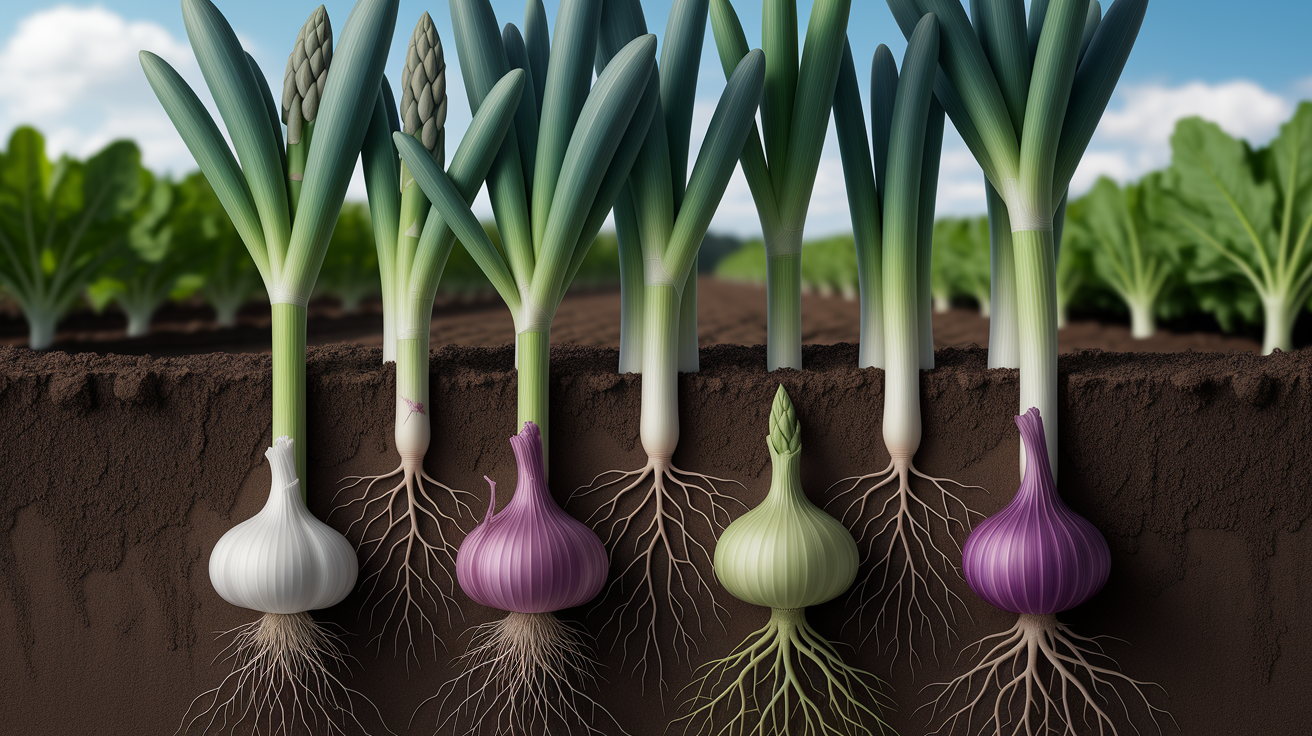
Probiotics get attention, but prebiotics are just as important. Prebiotics are types of fiber your body can’t digest but your gut bacteria can. When beneficial bacteria eat these fibers, they produce short chain fatty acids that reduce inflammation, strengthen your gut lining, and support digestion overall.
You don’t need special supplements. Foods like onions, garlic, leeks, asparagus, bananas (especially when slightly green), oats, and apples all contain natural prebiotic fibers. Cooked and cooled potatoes and rice also develop resistant starch, which acts as a prebiotic once it cools. Adding variety gives your gut bacteria the fuel they need.
Hydration and Its Role in Digestion

Water is one of the simplest and most overlooked tools for better digestion. It softens stool, helps fiber do its job, and supports the enzymes that break down food. Without enough fluid, digestion slows and constipation becomes more likely.
Drinking warm or room temperature water with meals can be especially soothing. Warm liquids relax the muscles in your digestive tract and ease cramping or discomfort. Cold water isn’t harmful, but some people find warm fluids feel gentler. Dehydration is a common cause of sluggish digestion, so staying hydrated throughout the day, not just when you’re thirsty, keeps things moving.
Simple hydration habits:
- Start your morning with a glass of water before coffee or breakfast.
- Sip water steadily throughout the day instead of chugging large amounts at once.
- Drink a glass of warm water or herbal tea after meals to support digestion and ease bloating.
Foods and Habits That Commonly Trigger Digestive Issues
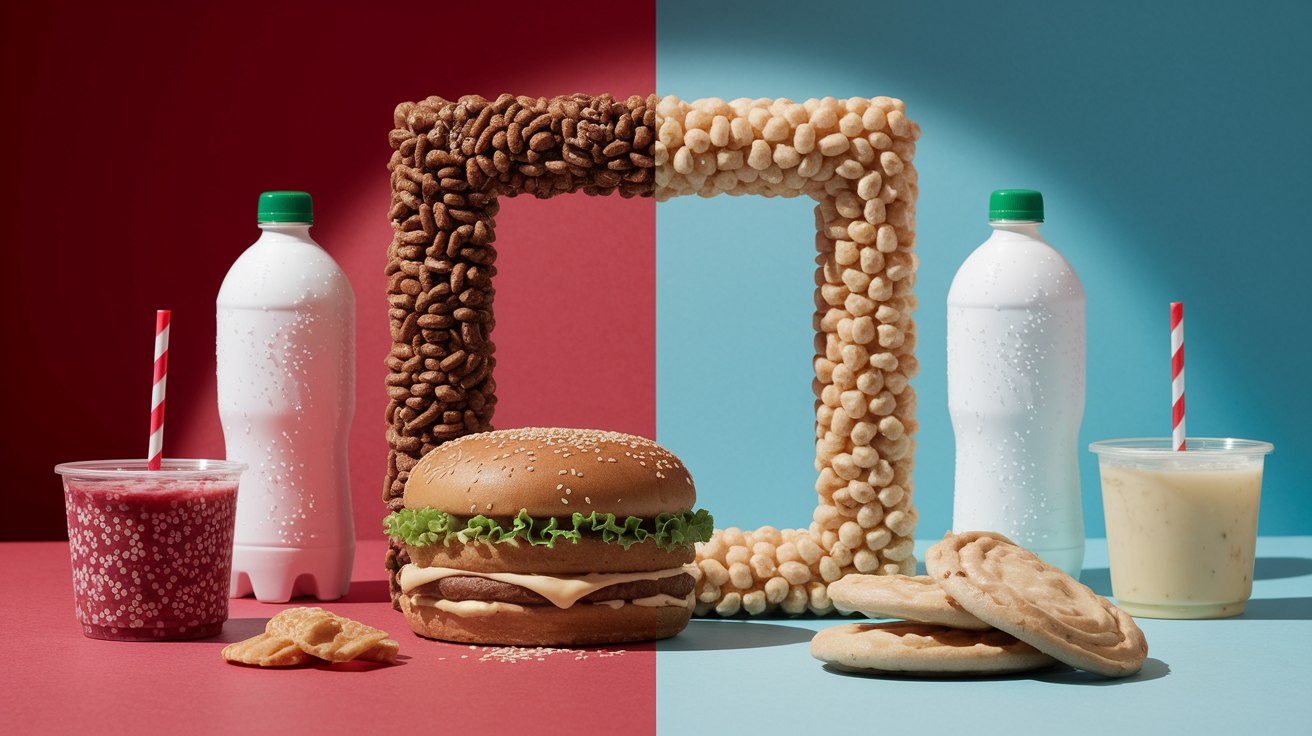
Certain foods and eating patterns can slow digestion, cause bloating, or make you uncomfortable. Knowing your personal triggers helps you make better daily choices without feeling restricted.
Common culprits:
- Fried or greasy foods – They take longer to break down and can cause nausea or sluggish digestion.
- Excessive caffeine – Too much coffee or energy drinks can irritate your stomach lining and speed up transit too much, leading to loose stools.
- Artificial sweeteners – Sugar alcohols like sorbitol and xylitol can cause gas, bloating, and diarrhea.
- Carbonated drinks – The bubbles add air to your digestive tract, which leads to bloating.
- Large, late night meals – Eating close to bedtime means your body has to digest while trying to rest, which can cause reflux and poor sleep.
- High sugar snacks – They can feed less helpful bacteria and lead to cravings and energy crashes.
- Highly processed foods – These often lack fiber and contain additives that disrupt gut balance.
You don’t have to avoid these forever. But noticing how they make you feel helps you figure out what works for your body.
Lifestyle Habits for a Healthier Gut

Stress Reduction for Better Digestion
Stress doesn’t just live in your head. It shows up in your stomach too. When you’re stressed, your body activates fight or flight mode, which slows digestion and redirects blood away from your gut. Over time, chronic stress can lead to bloating, cramping, diarrhea, or constipation.
Finding small ways to calm your nervous system makes a real difference. Mindfulness practices like meditation, even just five minutes a day, help reset the gut brain connection. Deep breathing exercises signal your body that it’s safe to digest. Yoga combines movement and breathwork, which can ease tension in your abdomen and improve motility. The goal isn’t perfection. It’s building a regular practice that keeps stress from taking over your digestion.
Movement and Daily Activity
Physical activity is one of the most reliable ways to improve digestion naturally. Walking, cycling, swimming, or even light stretching increases blood flow to your digestive organs and helps move food through your intestines. Regular movement supports the muscles in your abdomen that contract to push waste along.
You don’t need intense workouts. A 15 minute walk after meals is often enough to reduce bloating and prevent that heavy, sluggish feeling. Consistency matters more than intensity. Aim for at least 150 minutes of moderate activity each week, spread out over several days. On days when you feel constipated or bloated, gentle movement can be one of the fastest natural fixes.
Sleep Quality and Digestive Function
Your gut does important repair work while you sleep. Poor or inconsistent sleep disrupts the hormones that regulate appetite, digestion, and inflammation. When you don’t get enough rest, your body produces more cortisol, which can increase gut permeability and slow motility.
Aim for seven to nine hours of sleep each night, and try to go to bed and wake up around the same time every day. Your digestive system runs on a circadian rhythm, and a consistent sleep schedule supports that internal clock. Avoid heavy meals or caffeine late in the day, and give yourself at least two to three hours between dinner and bedtime so your body can focus on rest, not digestion.
When Natural Supplements May Help
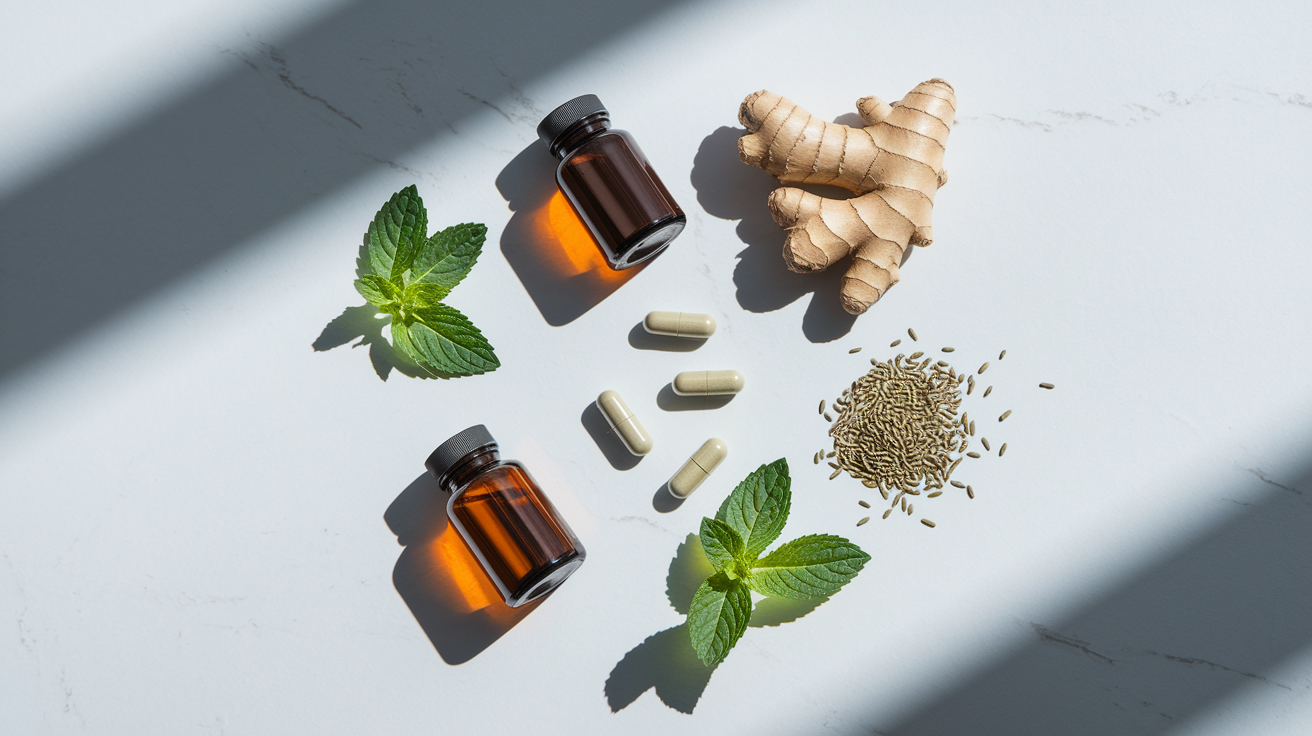
Sometimes food alone isn’t enough, especially if you’re dealing with sluggish digestion, food intolerances, or a history of antibiotic use. Digestive enzyme supplements can help break down proteins, fats, or carbohydrates if your body isn’t producing enough naturally. These are particularly useful for people who feel bloated or gassy after meals, even when eating whole, unprocessed foods.
Probiotic supplements offer targeted strains of beneficial bacteria that may help with specific symptoms like diarrhea, constipation, or bloating. Clinical grade probiotics are different from over the counter options. They contain documented strains at effective doses, usually between 1 billion and 10 billion CFU per day. Multi strain formulas tend to work better than single strain products. Herbal aids like ginger, peppermint, and fennel can support digestion when used consistently. Ginger stimulates digestive juices, peppermint relaxes stomach muscles, and fennel reduces gas. If symptoms persist despite dietary changes, a registered dietitian or functional medicine provider can help you choose the right supplements and doses.
When Digestive Symptoms Need Medical Evaluation

Natural strategies work well for occasional bloating, irregular bowel habits, or mild discomfort. But some symptoms signal a bigger problem that needs professional attention. Persistent issues, anything lasting more than a few weeks, shouldn’t be ignored or managed with over the counter products alone.
If your gut symptoms are interfering with daily life, or if you notice any of the following, it’s time to see a doctor. Chronic bloating or abdominal pain that doesn’t improve with dietary changes can point to conditions like irritable bowel syndrome (IBS), small intestine bacterial overgrowth (SIBO), or food intolerances. Blood in your stool, black or tarry stools, or persistent diarrhea may indicate inflammation, infection, or inflammatory bowel disease (IBD). Unintentional weight loss, loss of appetite, or ongoing fatigue are red flags that require a full evaluation.
Watch for these warning signs:
- Bowel habit changes lasting more than a few weeks
- Pain with bowel movements or severe cramping
- Blood in stool or unexplained bleeding
- Unintentional weight loss or persistent loss of appetite
Final Words
In the action, you learned fast, food-first ways to ease digestion: gentle movement, warm water, fiber, fermented and prebiotic foods, hydration, stress and sleep habits, and when supplements or medical care may help.
Start with one small change today—add a serving of a fiber-rich food, sip warm water after meals, or walk for 10 minutes. Those tiny steps add up.
If you want a simple focus this week, try the fiber + movement + hydration combo. You can improve gut health naturally – one steady habit at a time.
FAQ
Q: How do I fix my gut health fast?
A: Fixing gut health fast means starting simple: drink warm water, add fiber and fermented foods, walk after meals, cut back on processed foods, manage stress, and try a gentle probiotic for a week.
Q: What is the 7 day gut reset?
A: The 7 day gut reset is a focused week of gentle habits: more fiber, prebiotic and fermented foods, steady meals, extra water, short daily walks, and fewer processed or sugary foods to calm digestion.
Q: How do I detox my guts?
A: Supporting your gut’s natural balance starts with water, fiber-rich plants, fermented foods, limiting processed and high-sugar items, gentle movement after meals, and better sleep to help digestion work well.
Q: What are the 7 signs of an unhealthy gut?
A: The seven signs of an unhealthy gut are frequent bloating, excess gas, irregular stools, belly pain, tiredness, new food sensitivities, and unexplained weight gain or loss.