
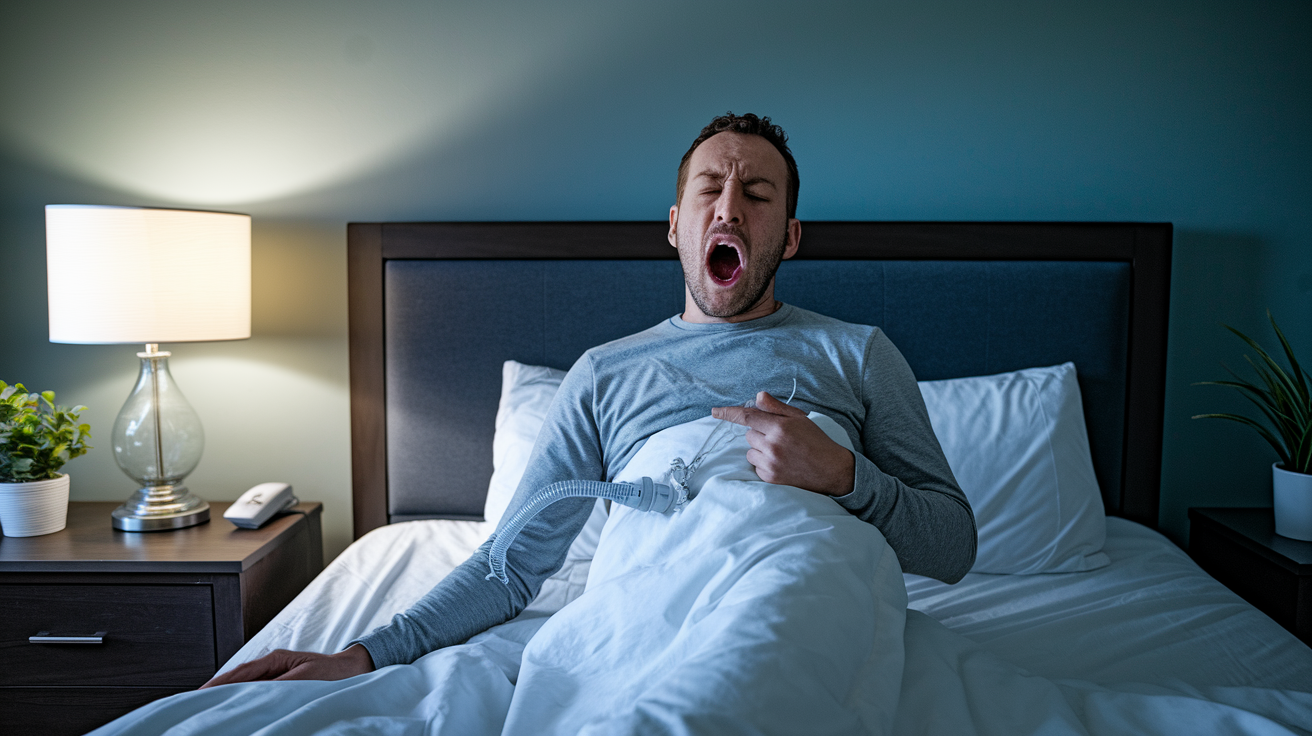
What if your constant exhaustion isn’t just stress or a bad night—it’s your airway collapsing dozens of times while you sleep?
When breathing stops and restarts over and over, your sleep gets chopped up and you wake up unrefreshed.
You may nod off at your desk, wake with a pounding headache, or feel foggy all day even after “sleeping” eight hours.
This post names the fatigue signs that point to sleep apnea, explains why they happen, and gives simple next steps you can try this week.
Key Fatigue Indicators Linked to Sleep Apnea
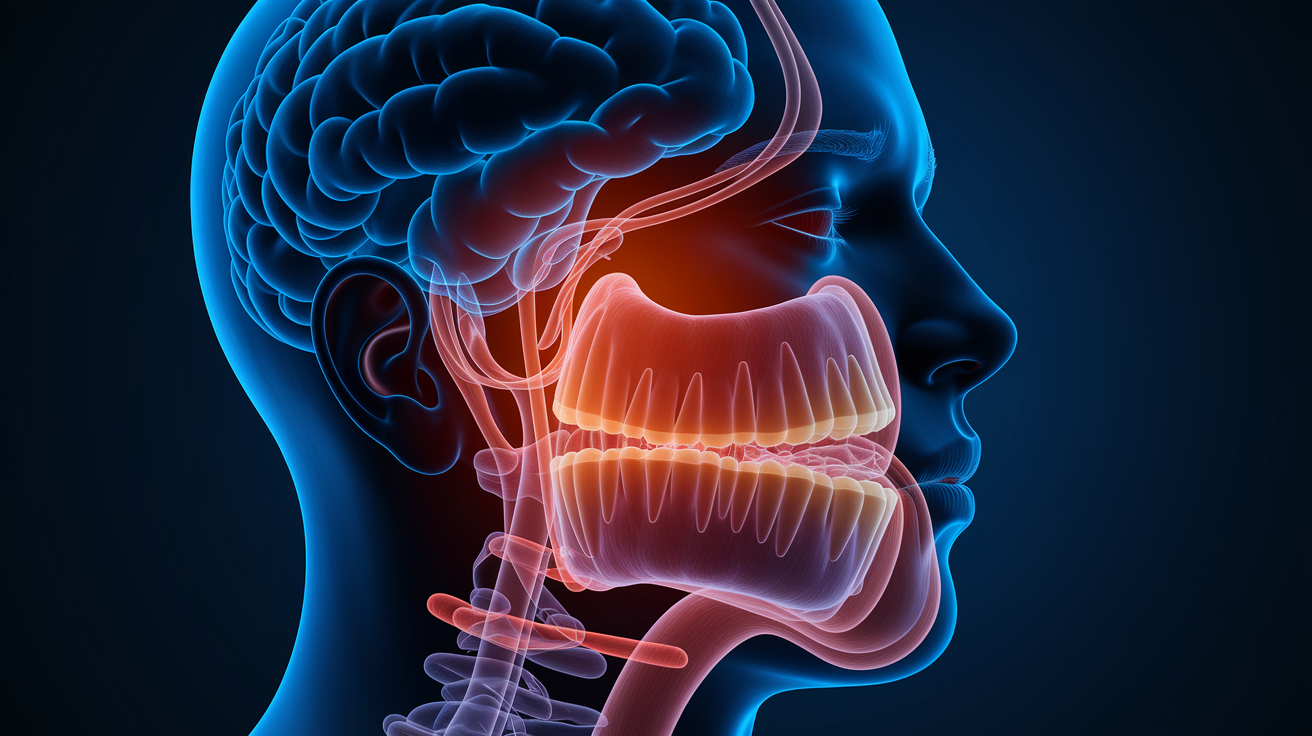
When your breathing stops and starts over and over through the night (sometimes dozens or hundreds of times), your body can’t settle into the deep, restorative sleep it needs. Each interruption fractures your sleep cycle, drops your oxygen levels briefly, and jolts you partway awake—even if you don’t remember it. Over weeks and months, this piles up into the kind of fatigue that won’t budge, no matter how long you stay in bed.
The fatigue from sleep apnea isn’t just sleepiness. It’s a heavy, persistent exhaustion that affects how you think, move, and get through your day. You might wake up with a throbbing headache, struggle to focus by mid-morning, or notice you’re snapping at people more than usual. A lot of people describe it as feeling like they never actually rested, no matter how many hours they were asleep.
Here are the main fatigue signs tied to sleep apnea:
- Excessive daytime sleepiness: An overwhelming urge to sleep during the day, even after spending a full night in bed.
- Waking unrefreshed: Getting up feeling groggy, heavy, or just as tired as when you went to sleep.
- Brain fog: Trouble thinking clearly, following conversations, or processing information quickly.
- Concentration difficulties: Losing your train of thought easily, missing details, or struggling to finish tasks.
- Morning headaches: Dull, throbbing headaches that start when you wake and fade within a few hours.
- Memory lapses: Forgetting appointments, names, or where you put things more often than usual.
- Microsleeps: Brief, unintentional moments of dozing off (lasting a few seconds) that you may not even notice.
- Chronic exhaustion: Feeling physically drained and lacking stamina, even for light activities.
- Loud snoring, witnessed apneas, or gasping/choking episodes: These nighttime signs often show up alongside daytime fatigue and point toward interrupted breathing.
- Irritability and mood shifts: Feeling more short-tempered, anxious, or low than usual.
Sleep apnea fatigue is different from ordinary tiredness. If you’re simply not getting enough hours or you’re under acute stress, rest usually helps. With sleep apnea, you can spend eight or nine hours in bed and still wake up exhausted, because the quality of your sleep (not just the quantity) has been disrupted all night.
How Sleep Apnea Disrupts Sleep and Causes Fatigue

Every time your airway collapses during sleep, your brain jolts you awake just enough to restart breathing. These brief arousals keep you from cycling smoothly through the stages of sleep, especially the deeper phases and REM sleep where your body repairs tissue, consolidates memory, and recharges energy reserves. When you’re pulled out of deep sleep repeatedly, you never complete the full restorative process. You wake up feeling like you barely slept at all.
Oxygen desaturation adds another layer of strain. Each apnea event drops the oxygen level in your blood, sometimes significantly. Your heart rate spikes, your blood pressure climbs, and stress hormones flood your system to push you back into breathing. This cycle repeats throughout the night, leaving your cardiovascular system overworked and your brain starved of the steady oxygen supply it needs to function well the next day. Over time, this nocturnal stress disrupts the hormones that regulate mood, appetite, and energy, making the fatigue you feel even worse.
The main biological pathways that drive sleep apnea fatigue:
- Fragmented sleep architecture: Repeated arousals prevent sustained time in deep and REM sleep stages.
- Intermittent hypoxemia: Brief drops in blood oxygen during each apnea event strain your heart, lungs, and brain.
- Sympathetic nervous system activation: Each breathing pause triggers a fight-or-flight response, raising heart rate and blood pressure.
- Hormonal dysregulation: Chronic sleep disruption alters cortisol, insulin sensitivity, and other systems that control energy and alertness.
Recognizable Sleep Apnea Fatigue Patterns in Daily Life

Sleep apnea fatigue doesn’t stay in the bedroom. It shows up at your desk when you read the same email three times without absorbing it, or during a meeting when your mind drifts and you miss the entire point. You might find yourself nodding off in front of your computer in the early afternoon, even after a full cup of coffee. These lapses aren’t laziness. They’re your brain struggling to stay online after a night of fragmented, oxygen-starved sleep.
Safety concerns are real. People with untreated sleep apnea are at higher risk for accidents while driving or operating machinery because of microsleeps (those brief, involuntary shut-downs that last just a few seconds but happen without warning). You might not remember them, but they can occur in the middle of routine tasks. Reduced work performance, missed deadlines, and difficulty learning new information are common, and they often get worse over time if the apnea isn’t treated.
Cognitive slowdowns extend beyond work. You may notice you’re more forgetful, slower to make decisions, or less able to juggle multiple tasks at once. Mood shifts (feeling more anxious, irritable, or down) are also frequent, and they can strain relationships at home and at work.
Specific daytime patterns to watch for:
- Microsleeps during routine activities: Brief lapses where you lose awareness for a few seconds, especially while sitting still or doing repetitive tasks.
- Difficulty focusing or staying on task: Your mind wanders easily, and it takes longer to complete work that used to feel straightforward.
- Mood swings and irritability: Small frustrations feel bigger, and you snap at people more quickly than you used to.
- Slowed decision-making: Choices that should be simple feel overwhelming or take much longer than they should.
Distinguishing Sleep Apnea Fatigue from Ordinary Tiredness
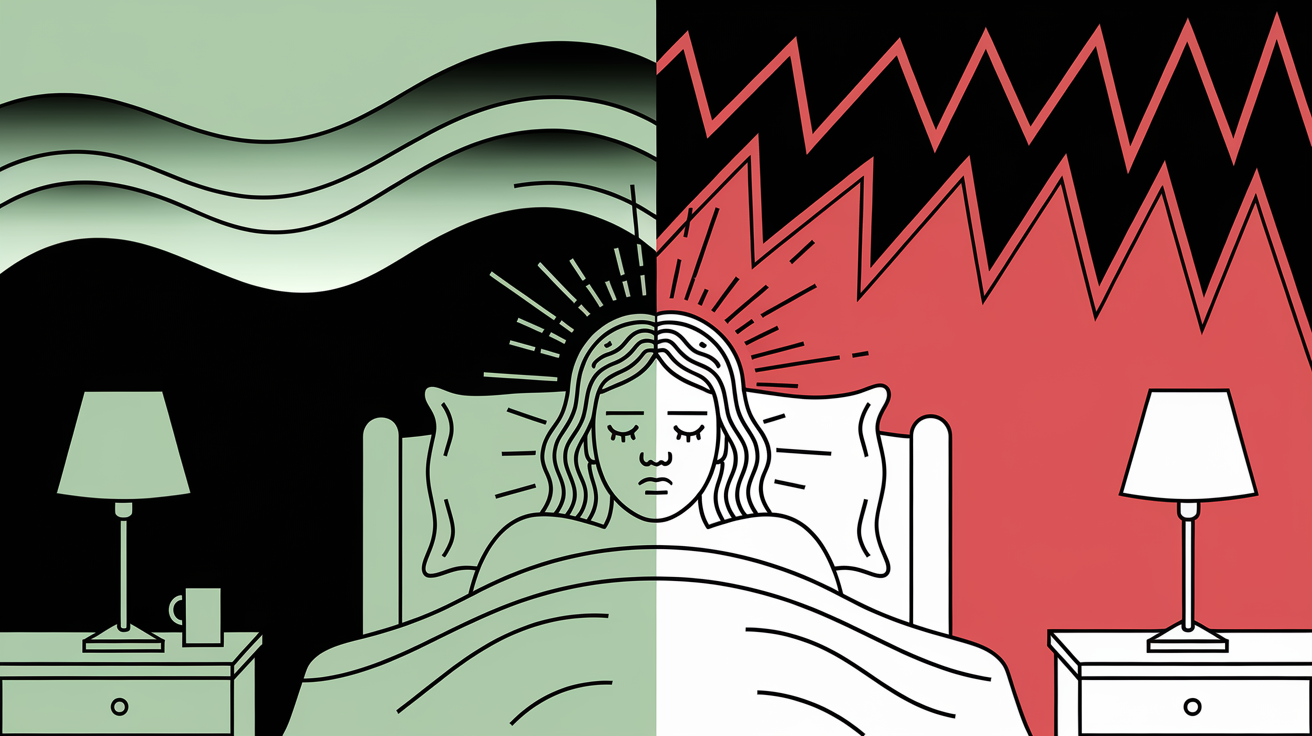
Ordinary tiredness usually has a clear cause (a late night, a stressful week, a busy weekend), and it improves with rest. Sleep apnea fatigue persists even when you’ve spent plenty of time in bed. You wake up feeling like you didn’t sleep at all, and the exhaustion follows you through the entire day. Morning headaches, brain fog, and concentration problems are common with sleep apnea but rare with simple sleep deprivation.
Mood changes also differ. Sleep apnea fatigue often comes with persistent irritability, low mood, or anxiety that doesn’t lift even after a good night’s sleep. Restless sleep, witnessed breathing pauses, loud snoring, and waking up gasping or choking are strong indicators that something is disrupting your breathing, not just your schedule.
| Indicator | Ordinary Tiredness | Sleep-Apnea Fatigue |
|---|---|---|
| Duration of sleep | Usually short or interrupted by external factors | Often 7–9 hours, but nonrestorative |
| Morning symptoms | May feel groggy briefly, improves quickly | Morning headaches, persistent grogginess, dry mouth or sore throat |
| Daytime patterns | Improves with rest or a nap | Excessive sleepiness, microsleeps, concentration problems persist despite rest |
The red flags to take seriously: if you’re getting enough hours of sleep but still feel chronically exhausted, if you wake with headaches or a dry mouth most mornings, or if your partner reports that you snore loudly, gasp, or stop breathing during the night, it’s time to consider sleep apnea as the cause.
Severity Signs Suggesting Sleep Apnea as the Cause of Fatigue
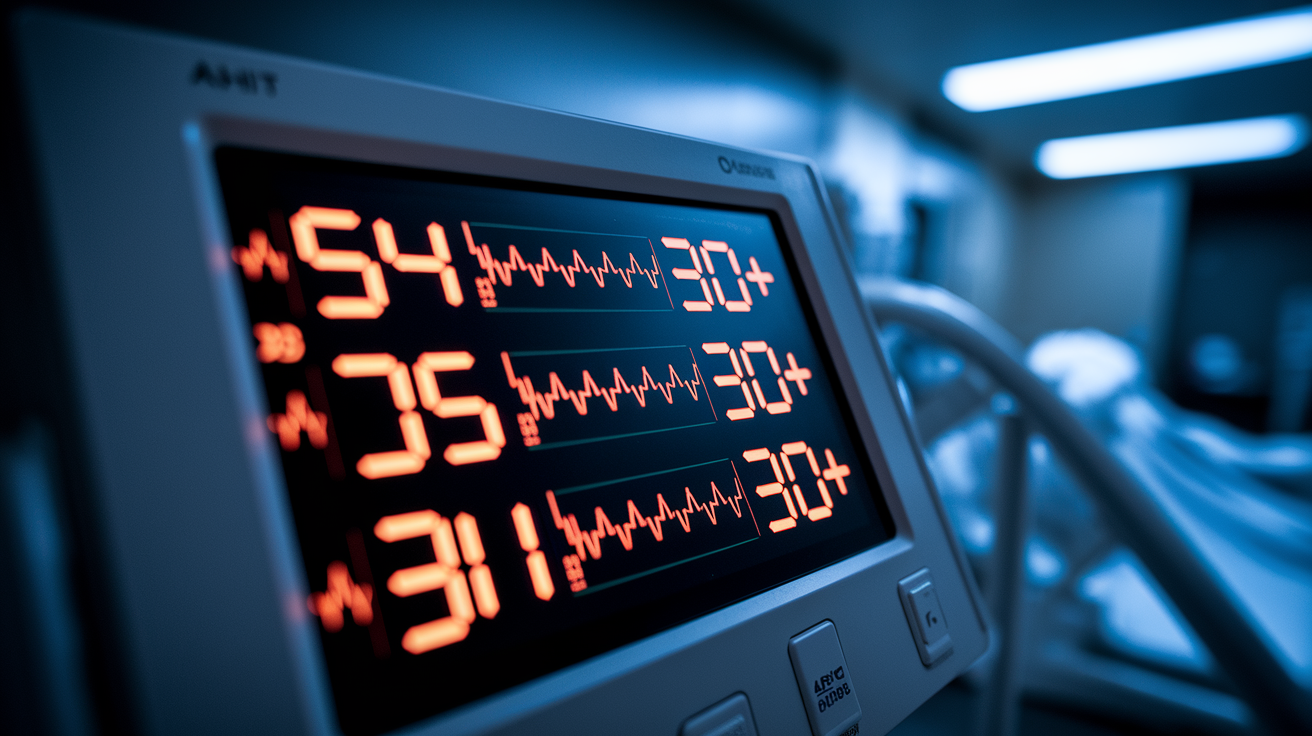
Sleep apnea severity gets measured by the Apnea-Hypopnea Index, or AHI. That’s the number of times per hour your breathing pauses or becomes too shallow. Mild sleep apnea means 5 to 14 events per hour, moderate is 15 to 29, and severe is 30 or more. The higher the number, the more fragmented your sleep and the worse your fatigue tends to be. Even mild apnea can cause noticeable daytime sleepiness, but moderate to severe cases often produce the kind of exhaustion that interferes with work, safety, and daily functioning.
Certain signs point toward more significant apnea. Loud, habitual snoring that’s audible from another room, long pauses in breathing witnessed by a partner, and waking up gasping or choking are all strong indicators. If you’re falling asleep unintentionally during the day (especially while driving, in meetings, or during conversations), that’s a safety concern and a signal that your apnea is likely moderate to severe.
Key severity markers:
- Witnessed long breathing pauses: Your partner sees you stop breathing for ten seconds or longer, often multiple times per night.
- Loud, disruptive snoring: Snoring that wakes you or others and happens most nights.
- Waking with gasping or choking: You jolt awake feeling like you can’t breathe or like you’re suffocating.
- Falling asleep unintentionally: Dozing off during routine activities like watching TV, sitting in traffic, or working at your desk.
- Persistent morning headaches: Dull headaches that start when you wake and fade within a few hours, caused by low oxygen and disrupted sleep.
Risk Factors That Increase the Likelihood of Sleep Apnea Related Fatigue
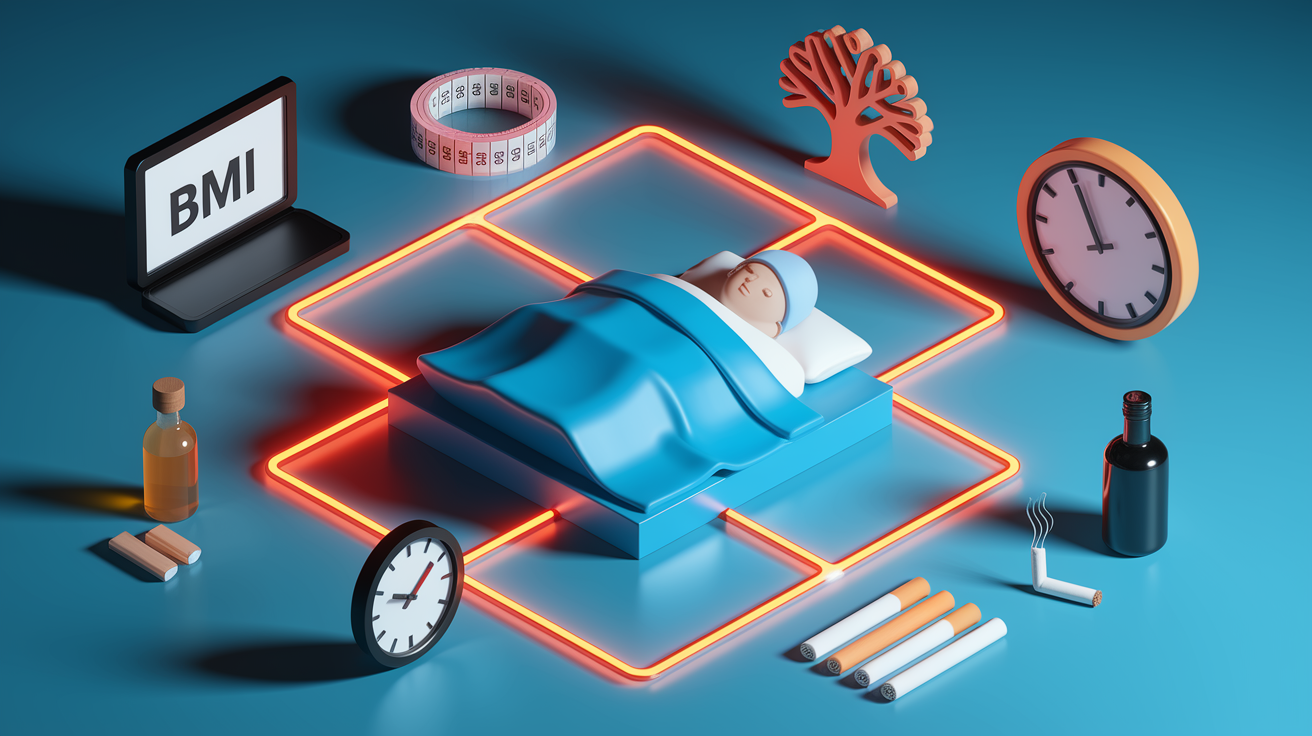
Excess weight is one of the strongest risk factors for obstructive sleep apnea. Fat deposits around the neck and upper airway can narrow the breathing passage and make it more likely to collapse during sleep. A larger neck circumference (generally over 17 inches in men and over 16 inches in women) is a common marker. Even moderate weight gain can worsen existing apnea or trigger new symptoms.
Other factors also raise your risk. Aging naturally reduces muscle tone in the throat, making airway collapse more likely. A family history of sleep apnea suggests a genetic component, possibly related to facial structure or airway anatomy. Hormonal changes, particularly menopause in women, can increase apnea risk as estrogen and progesterone levels drop. Lifestyle habits matter too. Alcohol relaxes throat muscles and worsens apnea, smoking inflames and narrows the airway, and sedatives suppress the brain’s drive to breathe.
Common risk factors:
- Obesity or high BMI: Extra tissue around the neck and throat increases airway obstruction.
- Larger neck circumference: A thicker neck often means a narrower airway.
- Family history: Genetic predisposition to smaller airways or specific facial features.
- Older age: Muscle tone decreases with age, making collapse more likely.
- Alcohol and sedative use: Both relax the muscles that keep your airway open.
- Smoking: Irritates and inflames the upper airway, worsening obstruction.
Diagnostic Options for Confirming Sleep Apnea as the Source of Fatigue
Before ordering a sleep test, many clinicians use screening questionnaires to estimate your risk. The Epworth Sleepiness Scale asks you to rate how likely you are to doze off in different situations (watching TV, sitting in a meeting, or riding in a car). A high score suggests excessive daytime sleepiness. The STOP-Bang questionnaire looks at snoring, tiredness, witnessed apneas, blood pressure, BMI, age, neck size, and gender to flag people who are likely to have moderate to severe sleep apnea. These tools help decide whether formal testing is needed.
If screening suggests sleep apnea, the next step is usually a home sleep apnea test or an in-lab polysomnography. A home test is a portable device you wear overnight at home. It monitors your breathing, oxygen levels, and sometimes heart rate and body position. It’s convenient and less expensive, and it works well for many adults with suspected obstructive sleep apnea. Results typically come back within a few days.
In-lab polysomnography is the gold standard. You spend the night in a sleep clinic with sensors attached to your scalp, face, chest, and legs. The test records your brain waves, eye movements, muscle activity, heart rhythm, airflow, oxygen saturation, and breathing effort. It captures detailed information about your sleep stages and can detect other sleep disorders beyond apnea, like periodic limb movements or central sleep apnea. It’s more comprehensive but also more involved, requiring an overnight stay in a clinic.
What AHI Scores Reveal About Fatigue Severity
Your AHI score tells you how many times per hour your breathing was interrupted during the test. An AHI of 5 to 14 events per hour is considered mild sleep apnea. That’s enough to fragment your sleep and cause daytime tiredness, especially if oxygen levels drop significantly during events. An AHI of 15 to 29 is moderate, and you’re likely experiencing noticeable fatigue, brain fog, and concentration problems. An AHI of 30 or higher is severe. At this level, the risk of serious health consequences (high blood pressure, heart disease, stroke) climbs sharply, along with debilitating daytime exhaustion and safety concerns like falling asleep while driving.
Treatment Options That Improve Sleep Apnea Fatigue Symptoms
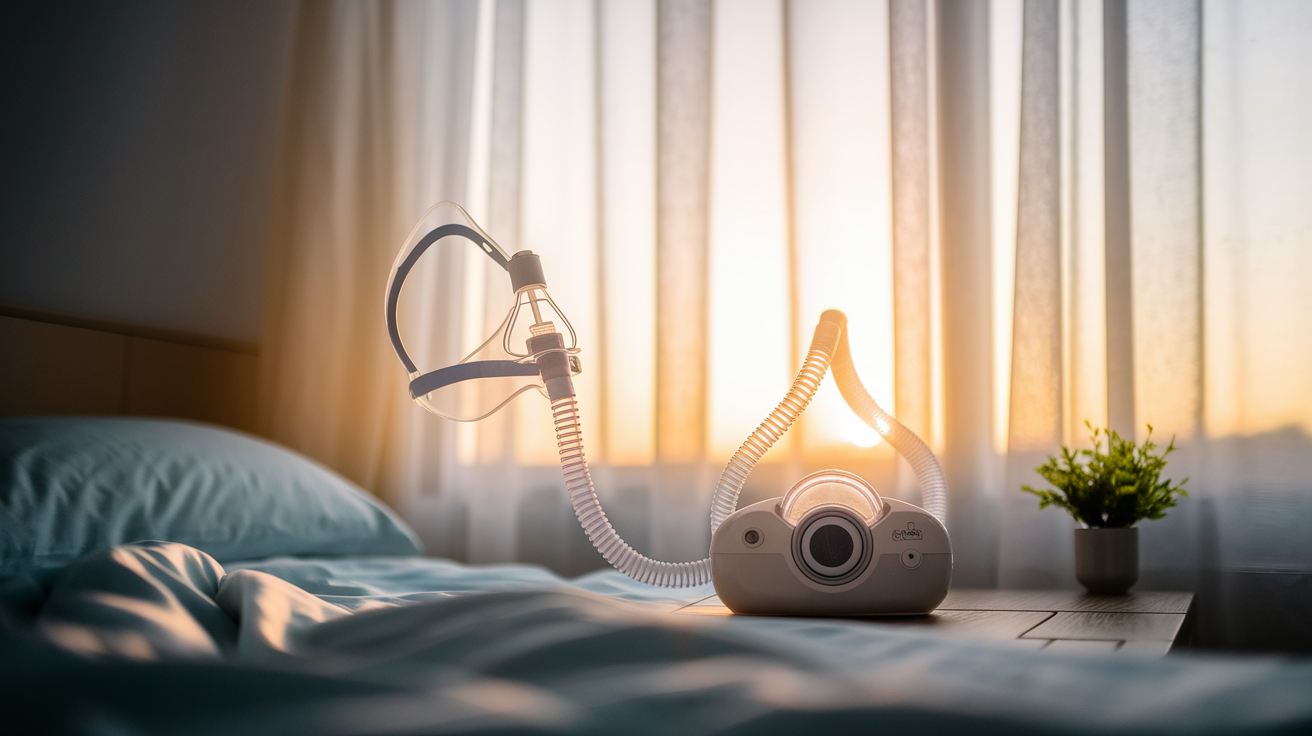
CPAP therapy (Continuous Positive Airway Pressure) is the most effective treatment for moderate to severe sleep apnea. A CPAP machine delivers a steady stream of air through a mask you wear at night, keeping your airway open and preventing apneas. When used consistently, CPAP can dramatically reduce daytime fatigue, improve concentration, lower blood pressure, and reduce your risk of heart disease. The challenge is adherence. Many people struggle to meet the recommended usage of at least four hours per night because of mask discomfort, air leaks, or feeling claustrophobic. Working with your sleep specialist to try different mask styles (nasal masks, nasal pillows, or full-face masks) and adjusting pressure settings can make a big difference.
Oral appliance therapy is an alternative for people with mild to moderate sleep apnea or those who can’t tolerate CPAP. A mandibular advancement device looks like a mouthguard and shifts your lower jaw forward to keep your airway open. It’s quieter and more portable than CPAP, and some people find it more comfortable. Effectiveness varies, and it’s generally not recommended for severe apnea. Positional therapy can help if your apnea is worse when you sleep on your back. Using a special pillow or a wearable device that vibrates when you roll onto your back can reduce events.
Lifestyle changes are especially important for mild sleep apnea and as an add-on to other treatments. Weight loss, even modest amounts, can reduce neck fat and improve airway size. Regular exercise helps with weight management and improves sleep quality overall. Avoiding alcohol and sedatives before bed prevents excessive throat muscle relaxation. Quitting smoking reduces airway inflammation and swelling.
How Long Before Fatigue Improves?
Most people notice some improvement in daytime sleepiness within the first week or two of consistent CPAP use, though full benefits can take several weeks as your body catches up on restorative sleep. If you’re using an oral appliance or making lifestyle changes, improvements may be more gradual (often over several months), but they can be significant and lasting. The key is consistent use. Skipping treatment even a few nights a week can bring fatigue and other symptoms back.
Common treatment benefits:
- Reduced daytime sleepiness: You wake up feeling more refreshed and stay alert throughout the day.
- Improved concentration and memory: Brain fog lifts, and you’re able to focus and recall information more easily.
- Better mood and less irritability: Restored sleep stabilizes mood and reduces anxiety and depressive symptoms.
- Lower blood pressure and cardiovascular risk: Treating apnea reduces strain on your heart and blood vessels, improving long-term health.
When Sleep Apnea Fatigue Requires Medical Attention

If you’re falling asleep unintentionally during the day (especially while driving, at work, or during conversations), that’s a safety concern and you should seek evaluation right away. Near-miss accidents, feeling like you’re fighting to stay awake behind the wheel, or being told by others that they’re worried about your alertness are all red flags that your apnea is severe enough to need immediate attention.
Persistent morning headaches, loud habitual snoring, witnessed breathing pauses, and severe cognitive impairment (like struggling to remember basic tasks or make simple decisions) are also strong indicators. Untreated sleep apnea doesn’t just make you tired. Over time, it increases your risk of high blood pressure, heart disease, diabetes, stroke, and long-term cognitive decline. The sooner you address it, the better your outcomes.
When to contact a clinician or sleep specialist:
- Falling asleep unintentionally or having near-miss accidents: This is a safety issue and needs urgent evaluation.
- Loud snoring plus excessive daytime sleepiness: Together, these are strong predictors of obstructive sleep apnea.
- Witnessed apneas or gasping/choking during sleep: Your partner or housemate reports that you stop breathing or wake up struggling for air.
- Persistent morning headaches or dry mouth: These often signal low oxygen levels or mouth breathing during the night.
- Cognitive or mood problems that interfere with daily life: Brain fog, memory issues, or depression-like symptoms that don’t improve with rest.
Final Words
If you keep waking foggy, dozing during the day, or getting morning headaches, those are the sleep-apnea fatigue symptoms we walked through.
We explained how repeated breathing pauses fragment sleep, lower oxygen, and steal deep REM rest, then listed the common daytime signs, real-life patterns, risk factors, diagnostic options, and treatments from CPAP to simple sleep-friendly habits.
Start by tracking your daytime sleepiness and trying a screening tool or asking your clinician about testing. If these sleep apnea fatigue symptoms fit, reach out—treatment often eases tiredness within weeks, so there’s real reason for hope.
FAQ
Q: What does fatigue from sleep apnea feel like?
A: The fatigue from sleep apnea feels like overwhelming daytime sleepiness, waking unrefreshed, brain fog, trouble concentrating, morning headaches, irritability, and sudden dozing or microsleeps—even after a full night’s sleep.
Q: What is a home remedy for sleep apnea?
A: A home remedy for sleep apnea is trying side sleeping, raising the head of the bed, avoiding alcohol or sedatives before bed, using nasal strips, and working on gradual weight loss to reduce airway obstruction.
Q: What are the symptoms of silent sleep apnea?
A: The symptoms of silent sleep apnea are excessive daytime sleepiness, waking unrefreshed, brain fog and concentration problems, morning headaches, mood changes, unexplained high blood pressure, dry mouth, and restless or fragmented sleep without loud snoring.
Q: What sleeping position is best for sleep apnea?
A: The best sleeping position for sleep apnea is sleeping on your side, which keeps the airway more open; elevating the head of the bed or using a wedge pillow can also help. Avoid lying flat on your back.