What if your company’s wellbeing program is mostly a messy pile of emails, PDFs, and half-used apps—and that’s why people don’t use it?
A wellness platform fixes that: it’s a single digital hub where teams take quizzes, log activity, join challenges, get coaching, and earn rewards—all in one place.
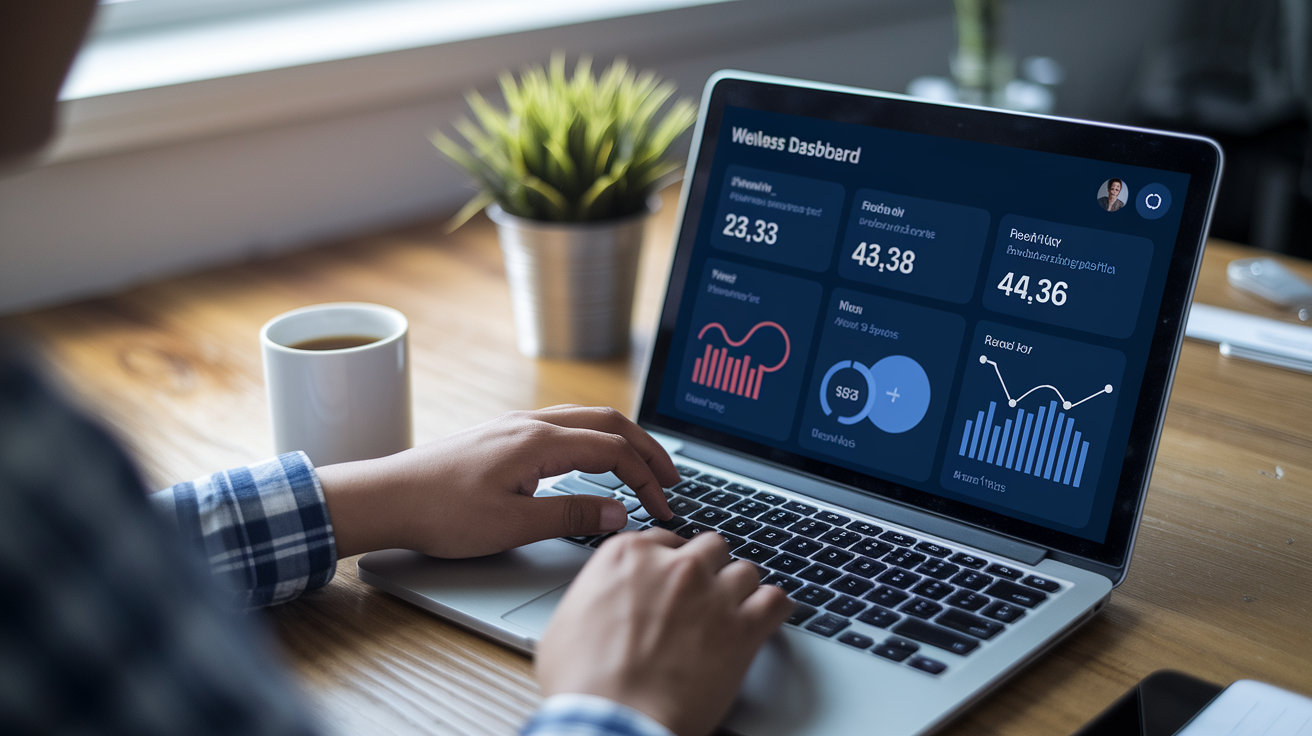
For managers, it cuts admin time and gives dashboards that show who’s engaged and what’s working.
For employees, it makes healthy habits easier with nudges, device syncing, and clear next steps.
This post explains core features and the real team benefits so you can choose a platform that moves the needle.
Core Explanation of a Wellness Platform and Its Primary Purpose
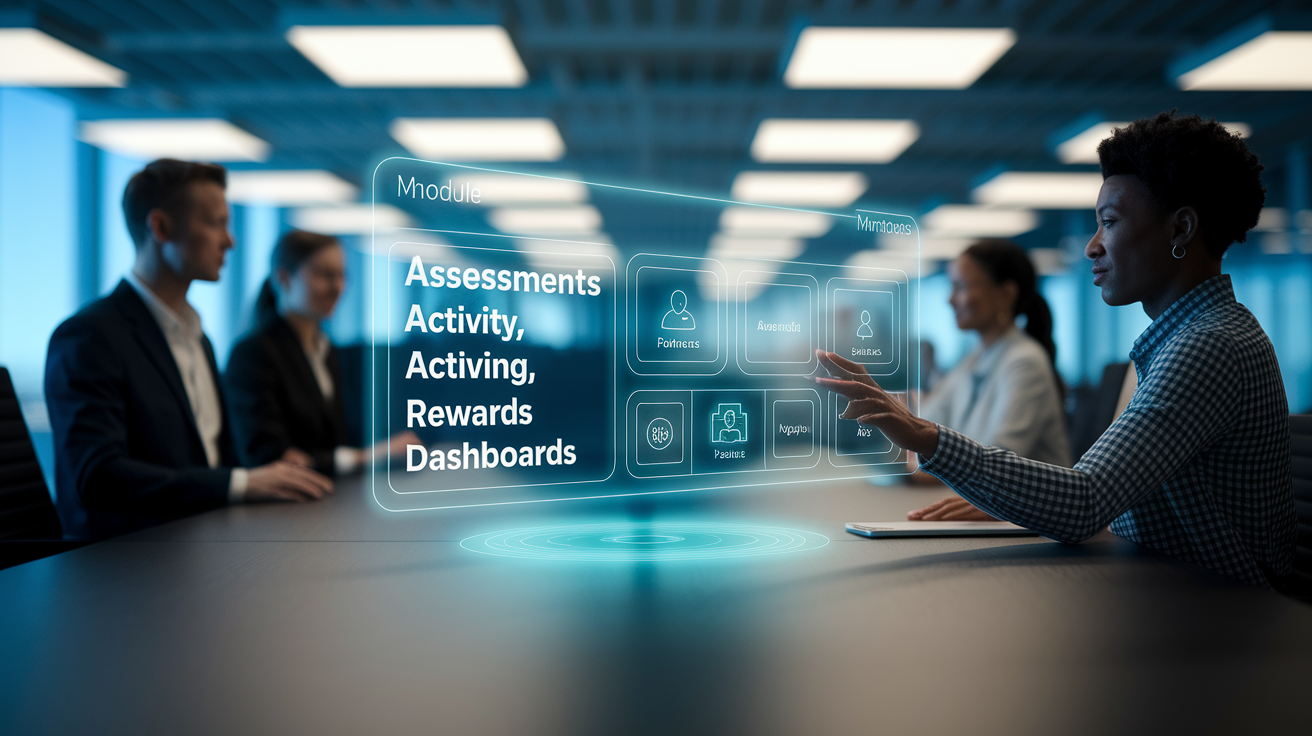
A wellness platform is basically a digital hub where companies deliver, track, and manage employee well-being programs. Think assessments, activity logging, educational content, coaching, team challenges, rewards, and real-time data dashboards all rolled into one system. It’s not a static resource library or a simple info site. You can actually do things: take health quizzes, log your workouts, sync your Fitbit, join step competitions with coworkers, earn gift cards, and get personalized tips. Employers get dashboards that show who’s participating, what’s working, and how to tweak things going forward.
The main goal? Support real, lasting behavior change across physical health, mental wellness, financial stability, and social connection. When you bundle all these tools together, you cut down on friction, boost engagement, and make it way easier to reach people no matter where they’re working.
Here’s something worth noting: 67% of employees say they’ll stick with their current employer if the company actually cares about their well-being. That’s a 2026 stat, and it’s a big reason why more organizations are ditching scattered apps and random email newsletters in favor of one cohesive system.
What separates a wellness platform from a basic portal? The ecosystem. A portal might give you PDFs and links to outside stuff. A wellness platform tracks your progress, sends you nudges when you need them, automates your incentives, ties into payroll and HR systems, and spits out data that connects wellness activities to business results like fewer sick days and better retention. You’re not just getting a library card. You’re getting a guided path with checkpoints, rewards, and measurable progress.
Key Wellness Platform Features and Functional Components
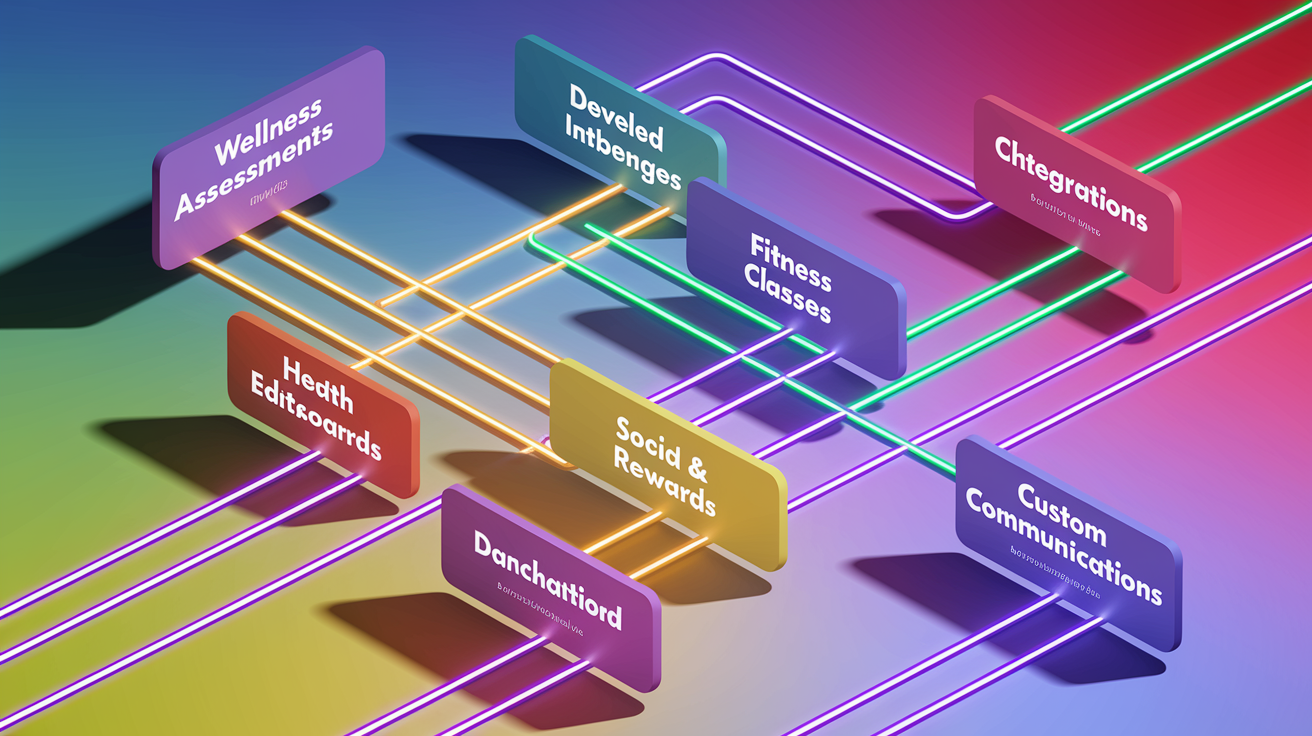
Modern wellness platforms share a pretty standard toolkit built to support daily use and long-term habit shifts. These features tackle the realities of packed schedules, remote teams, varying levels of health knowledge, and the need for both structure and flexibility. The good ones offer everything through mobile-first, simple interfaces that don’t get in the way.
You’ll find these components across most quality platforms, no matter the size or industry:
Wellness assessments give you confidential health risk checks and biometric screenings that measure physical, mental, emotional, and financial wellness. You get personalized risk reports you can access anytime from any device.
Wellness challenges come ready to go or fully customizable. Individual or team based. Step competitions, sleep tracking, hydration goals, volunteer hours. They’re designed to build habits through friendly rivalry and accountability.
Device and app integrations let you sync consumer wearables and apps directly. Apple Health, Fitbit, Garmin, Google Fit, MyFitnessPal, MapMyRun. Your activity data flows in automatically without you lifting a finger.
Fitness classes offer libraries of on-demand and live virtual sessions. You can filter by how long you have, how hard you want to work, what equipment you’ve got, and which instructor you prefer. Works for every fitness level and schedule.
Health education delivers evidence-based content through videos, webinars, newsletters, tip sheets, and presentations. The goal is to build your health literacy so you can make smarter choices around food, movement, stress, and preventive care.
Health coaching connects you to human coaches via phone, video, or chat. Or digital coaching apps if you prefer. Either way, you get consistent guidance, goal-setting, and accountability without needing to figure everything out alone.
Social feed and collaboration integration includes in-platform features like team chat, photo sharing, and leaderboards, plus plugins for Microsoft Teams and Slack. You can share progress and cheer each other on without leaving the tools you already use.
Rewards and recognition systems let you earn points, shop digital reward stores for gift cards or fitness gear, and get automated payouts. Some platforms also include peer-to-peer or manager recognition tools like e-cards and awards that reflect company culture.
Customizable communications give admins pre-drafted, brandable templates to send personalized nudges, reminders, announcements, and campaign invites. Drives adoption and keeps people coming back.
Reporting and dashboards provide real-time analytics, exportable reports, cohort breakdowns, and ROI measurement tools. HR and leadership get clear visibility into who’s participating, what’s trending, health outcomes, and whether the program’s actually working.
These features create a feedback loop. You see your progress, get encouragement, earn rewards, and access support. All of that reinforces the behaviors the platform’s trying to encourage. Admins get less manual work and better data to prove value and refine programming.
Types of Wellness Platforms and Their Use Cases
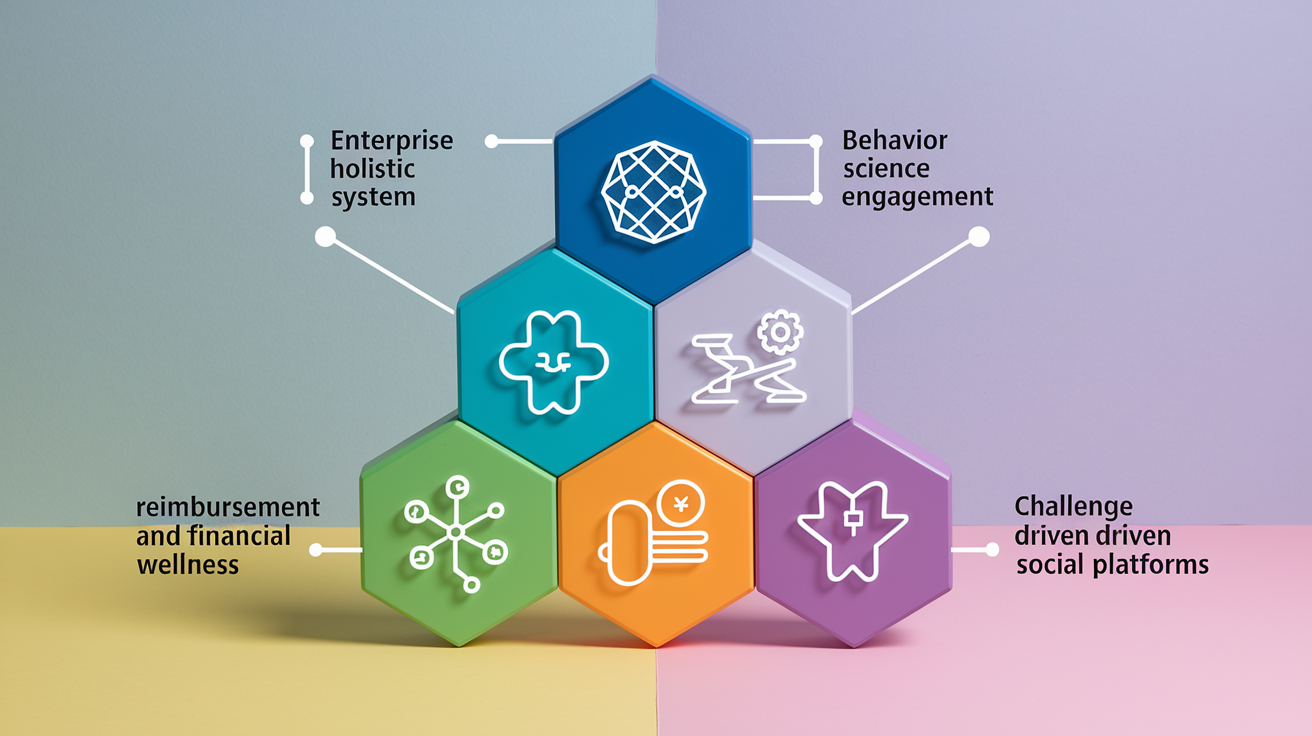
Wellness platforms come in all shapes. Some are enterprise-grade monsters with hundreds of integrations and predictive analytics. Others keep it simple and focus on team challenges and daily habits. Knowing the common types helps you match what a platform can do with what you actually need, whether that’s managing chronic disease risk, automating reimbursements, or just getting people moving every day.
Here are the five most common types. Enterprise-grade holistic systems integrate with 200+ HRIS and SSO solutions and track comprehensive wellness across eight or more pillars. Behavior-science platforms deliver daily micro-journeys and bite-sized lessons to keep interaction frequency high. Predictive health platforms use machine learning and behavioral science to spot employees at risk for chronic conditions before the claims hit. Reimbursement-first platforms automate payout flows for gym memberships, mental wellness services, tuition, and other employee-picked benefits. Challenge-based social platforms focus on team competitions, leaderboards, and peer engagement to drive participation through games and community.
Each type fits a different organizational need.
| Platform Type | Primary Use Case |
|---|---|
| Enterprise holistic system | Organizations needing broad integrations, compliance controls (HIPAA, GDPR, SOC II), and scalable multi-dimensional wellness programming across large, distributed workforces. |
| Behavior-science engagement platform | Companies focused on sustained daily engagement and habit formation through frequent micro-interactions, personalized content, and in-app nudges. |
| Predictive health analytics platform | Employers aiming to reduce chronic-disease costs by identifying high-risk populations early (platforms claim up to 52% greater accuracy than standard health screenings). |
| Reimbursement and financial wellness platform | Organizations offering flexible wellness stipends or reimbursements for gyms, therapy, childcare, or tuition, needing automated verification, approval workflows, and payroll integration. |
| Challenge and social engagement platform | Teams prioritizing participation and culture-building through competitions, team chat, photo sharing, and accessible multi-language support (some platforms support 47 languages). |
Picking the right type depends on your goals, who’s in your workforce, what HR infrastructure you already have, and what you can spend. A small company with one HR person might thrive with a challenge-based model at $1 per employee per month. A multinational dealing with chronic-disease costs and compliance across continents will need the depth of a predictive or holistic platform with enterprise security and integration reach.
Benefits of Wellness Platforms for Organizations and Individuals

Wellness platforms deliver real value to both employers and employees by addressing root causes of absenteeism, turnover, and rising healthcare costs while improving day-to-day well-being and job satisfaction. These aren’t theoretical perks. They show up in participation numbers, engagement metrics, claims trends, and retention rates you can track in real time.
For organizations, the wins include simplified program administration, higher participation compared to disconnected wellness efforts, aggregated data linking well-being activities to business outcomes, reduced coordinator workload through automated reminders and incentive fulfillment, early identification of health risks before they turn into expensive claims, and improved culture and employer brand that helps with recruiting and retention in tight talent markets.
For employees, the platform provides 24/7 access to personal health data and biometric results, tools to track and build healthy habits without hassle, financial incentives and rewards for showing up and making progress, step-by-step guidance for behavior change in areas like nutrition, movement, sleep, and stress, social support and community connection through team challenges and collaboration features, personalized coaching and education that meets you where you are, and transparency into your own health risks with actionable next steps you can start right away.
The research backs this up. Between 70% and 91% of chronic diseases tie back to lifestyle factors like nutrition, activity, sleep, stress, and tobacco use. That means effective wellness programming can actually shift the trajectory toward high-cost conditions like diabetes, hypertension, and depression. Engagement metrics from behavior-focused platforms show an average of six daily interactions per user. That frequency supports habit formation way beyond what annual health fairs or email newsletters can touch.
When companies tie wellness platforms to broader people strategies (linking participation to recognition programs, weaving well-being into performance conversations, celebrating milestones), the platform becomes a culture tool, not just a benefits checkbox. That shift turns wellness from a nice-to-have perk into a measurable driver of retention, productivity, and cost control.
Integrations and Interoperability Within a Wellness Platform

A wellness platform’s value depends heavily on how well it plays with the systems employees and admins already use. Platforms that force manual data entry, separate logins, or duplicate effort struggle to get traction. Platforms that sync seamlessly into existing workflows become part of daily routines without friction. The best ones tie into HR systems, payroll tools, single sign-on providers, wearables, and collaboration software to create a unified experience that feels effortless.
On the HR and admin side, integration with HRIS platforms (Workday, ADP, BambooHR, and hundreds more) ensures employee rosters, eligibility, and demographic data flow automatically into the wellness platform. No manual uploads, fewer errors. Integration with single sign-on solutions lets employees access the platform using the same credentials they use for email or other company systems. That removes a common barrier to first-time login. Payroll integration enables automated reimbursement for wellness activities like verified gym visits, mental health sessions, or fitness purchases. Employees get payments directly in their paychecks or via direct deposit without submitting expense reports. The best platforms support 200+ HRIS connections and 100+ SSO options, so compatibility isn’t an issue across industries or company sizes.
On the employee side, device and app integrations make daily engagement possible. Platforms that sync with Apple Health, Fitbit, Garmin, Google Fit, Polar, Suunto, and similar wearables automatically capture steps, heart rate, sleep, and activity data. That feeds into challenges, progress dashboards, and incentive calculations without you logging anything manually. Integration with nutrition and fitness apps like MyFitnessPal or MapMyRun extends tracking to meals and routes. Plugins for Microsoft Teams and Slack bring wellness content, reminders, and social features into the communication tools employees already check throughout the day.
Strong integration has practical impact. Admins spend less time on data reconciliation and eligibility management. Employees hit fewer login hurdles and duplicate tasks. Participation rates increase because tracking is automatic, not opt-in. Analytics become more accurate because data flows from verified sources instead of self-reported entries. When you’re evaluating platforms, ask for a list of supported integrations and test the SSO and device-sync experience during a demo or trial. Confirm the platform will work within your existing tech stack.
Privacy, Security, and Compliance Requirements in Wellness Platforms

Wellness platforms handle some of the most sensitive data an employer collects. Health assessments, biometric results, mental health interactions, activity logs, and sometimes financial wellness info. Protecting this data isn’t optional. Credible platforms invest heavily in security infrastructure, compliance certifications, and transparent privacy policies to earn and keep employee trust. When you’re evaluating platforms, verify the vendor meets industry-standard frameworks and clearly separates employee health data from employer-visible reporting.
The two most critical compliance frameworks here are HIPAA (Health Insurance Portability and Accountability Act) and GDPR (General Data Protection Regulation). HIPAA applies to platforms that store or transmit protected health information in the United States. It requires encryption, access controls, audit logs, and business associate agreements. GDPR applies to platforms used by organizations with employees in the European Union. It mandates explicit consent, data minimization, the right to deletion, and cross-border data transfer safeguards.
Additional certifications to look for:
ISO 27001 is the international standard for information security management systems. Covers risk assessment, access control, and incident response.
SOC 2 Type 2 is an independent audit of a platform’s security, availability, processing integrity, confidentiality, and privacy controls over a sustained period.
HITRUST r2 combines HIPAA, NIST, and ISO requirements. Often required by healthcare and enterprise buyers.
CCPA and state-level privacy laws like the California Consumer Privacy Act and similar regulations (Texas-RAMP, for example) govern employee data rights and disclosure obligations.
Data encryption at rest and in transit means end-to-end encryption ensures employee data is unreadable if intercepted or accessed without authorization.
Beyond certifications, platforms should offer role-based access controls that limit which admins can view specific data sets, de-identified aggregate reporting so employers see population trends without individual identities, clear consent workflows that explain what data is collected and how it will be used, and regular security audits and penetration testing to identify and address vulnerabilities.
Employees need to trust that participating in wellness programs won’t result in discrimination, premium adjustments, or unwanted disclosure. Transparency and strong data governance make that trust possible.
Pricing Models and Subscription Structures for Wellness Platforms
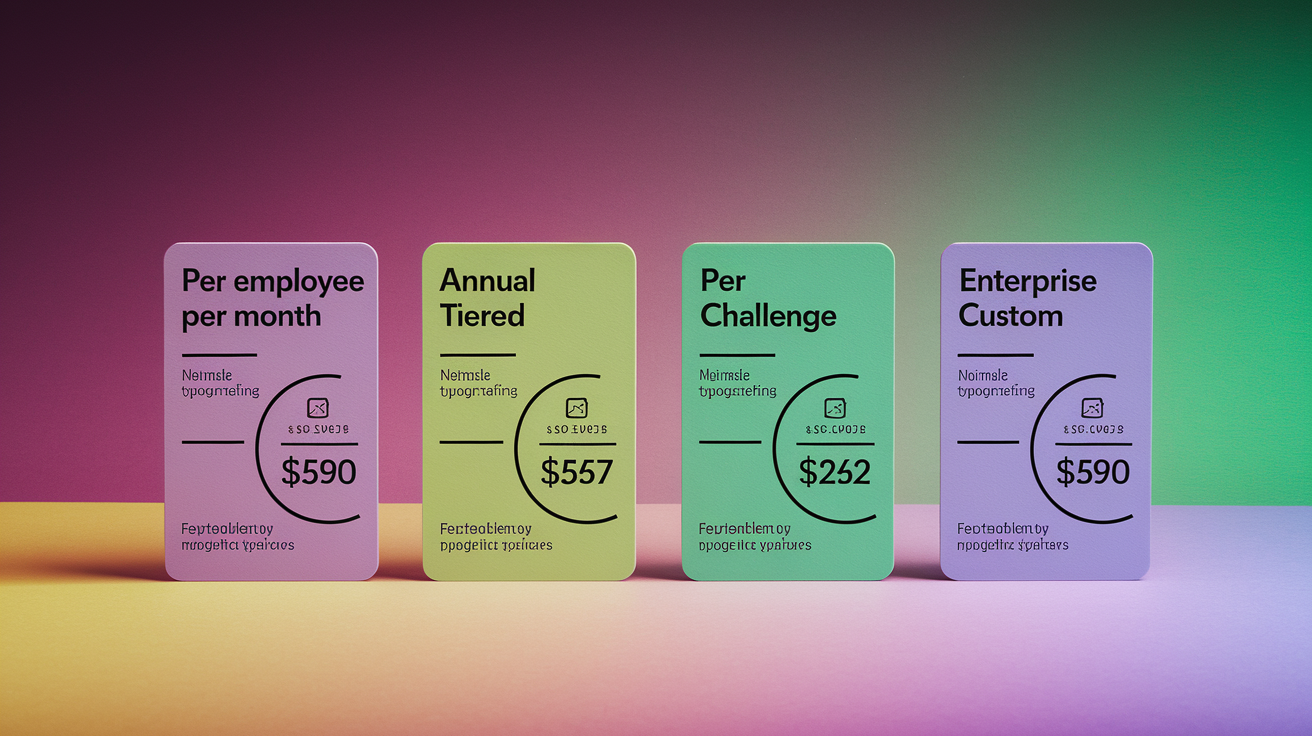
Wellness platform pricing varies widely based on features, integrations, user count, and vendor business model. Understanding the common pricing structures helps you budget accurately and compare proposals across vendors. Most platforms use one of four primary models, each with trade-offs in predictability, scalability, and admin simplicity.
The most common pricing approaches:
Per employee per month (PEPM) is a fixed monthly fee for each enrolled or eligible employee. Typically ranges from $1 to $3.16 PEPM for mid-market solutions and scales higher for enterprise platforms with advanced analytics and predictive tools. Example: a 500-person company at $2 PEPM pays $1,000 per month or $12,000 annually.
Annual contract with tiered pricing means platforms quote an annual fee based on total headcount, often with volume discounts at milestones like 100, 500, or 1,000 employees. Example pricing points from the market include £18,840 per year for 1,000 members (approximately £1.57 per employee per month) or £6 to £8 per employee per month depending on whether payment is monthly or annual.
Per-challenge or per-program pricing charges per event or challenge rather than per user. Examples include $60 for a single team challenge or $1 per participant per month for ongoing access. This model suits organizations running periodic campaigns rather than year-round programs.
Enterprise custom quotes are for large organizations or those requiring extensive customization, white-label branding, or predictive health tools. Custom pricing often starts around $15,000 per year and scales based on scope, integrations, and support requirements.
Add-ons and optional modules like EAPs (employee assistance programs), premium coaching, advanced reporting, or dedicated success managers may increase total cost but also expand the platform’s value. When comparing vendors, request a detailed breakdown of what’s included in the base price versus what requires additional fees. Confirm whether device integrations and HRIS connections incur setup or ongoing costs. Ask about minimum contract lengths and cancellation terms.
Budget planning should also account for internal costs: admin training time, communication and launch campaign expenses, rewards and incentive budgets (which may be managed separately from the platform subscription), and IT resources needed for SSO configuration and integration testing. Aligning pricing structure to your organization’s financial planning cycle (monthly, quarterly, annual) and participation goals ensures the wellness investment delivers ROI without budget surprises.
Engagement Strategies and Behavior Change Tools in Modern Wellness Platforms
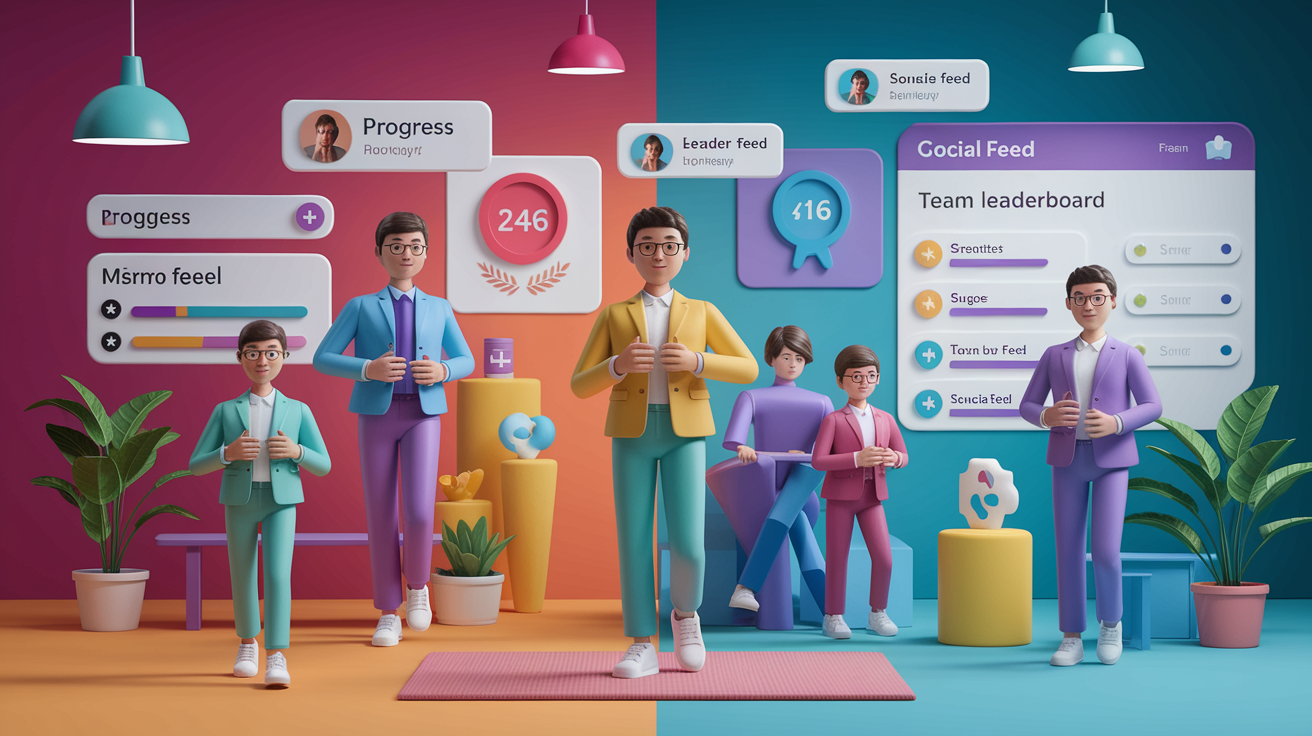
High participation rates and sustained engagement separate effective wellness platforms from underutilized subscriptions. The best platforms combine behavioral science, gamification, social features, and personalized nudges to keep employees coming back day after day. These engagement strategies aren’t add-ons. They’re core to how the platform is designed, from the user interface to the reward structure to the frequency and tone of communications.
Platforms use a mix of proven engagement tactics. Daily micro-journeys break large goals into small, achievable steps. Some platforms report an average of six daily interactions per user through this approach. Team-based challenges create accountability and friendly competition, often with leaderboards, team chat, and photo sharing. Points and rewards systems offer immediate gratification and long-term incentives redeemable in digital stores for gift cards, fitness gear, or experiences. Customizable communications like branded emails, push notifications, and in-app messages get tailored to individual progress and preferences. Social feeds and collaboration tool integration (Microsoft Teams, Slack) bring wellness into the spaces employees already use. Personalized behavior change plans adapt to individual health data, goals, and barriers identified during assessments. AI-powered nudges and reminders use machine learning to deliver the right message at the right time based on user patterns. Quarterly or seasonal campaigns combine marketing, incentives, videos, webinars, and environmental changes (like a workplace culture checklist) to sustain momentum and refresh engagement.
The foundation of these tactics is behavior change science. Lasting habits require more than willpower. They need environmental support, social reinforcement, skill-building, and intrinsic motivation. Platforms that apply this science design programs around four objectives: education (building knowledge and health literacy), motivation (creating emotional and financial reasons to act), skill-building (providing step-by-step how-to guidance and tools), and environmental support (making the healthy choice the easy choice through culture, access, and recognition).
For example, a nutrition campaign might include a fast-food nutrition guide with over 25,000 items from 143 restaurants (education), a team challenge with weekly prizes (motivation), a video series on meal prep and grocery shopping (skill-building), and a workplace initiative to stock healthier break-room snacks (environmental support). When all four elements are present, participation increases and behaviors stick beyond the end of the challenge.
Predictive platforms take this further by using machine learning to identify employees at risk for chronic conditions. Some claim up to 52% greater accuracy than standard screenings. Then they serve targeted content and coaching to those populations, improving outcomes while controlling costs.
Measurement, Analytics, and Success Metrics for Wellness Platforms

Wellness platforms generate significant data. The ability to measure, interpret, and act on that data is what turns participation into business value. Real-time dashboards, exportable reports, cohort analysis, and population segmentation give HR leaders and executives the insights needed to optimize programming, demonstrate ROI, and align wellness investments with broader organizational goals.
The metrics wellness platforms typically track fall into six categories.
Participation rate (percentage of eligible employees who’ve logged in, completed an assessment, or joined at least one challenge) is the foundational metric. Low participation means the platform isn’t reaching the population.
Engagement frequency (daily or weekly active users, number of interactions per user, challenge completion rates) reveals whether the platform is a one-time login or a sustained habit.
Health outcomes (biometric improvements, reduction in high-risk populations, changes in self-reported stress or sleep quality) demonstrate whether participation is translating into measurable well-being gains.
Business impact (absenteeism trends, turnover rates, healthcare claims cost changes, productivity or satisfaction survey shifts) connects wellness data to strategic HR and finance KPIs.
Reimbursement and incentive volume (total dollars paid out, most popular reward categories, verification and approval cycle times) shows how employees are using financial wellness support.
Population segmentation (engagement and outcomes broken down by department, location, tenure, or risk level) helps tailor future programming to the groups that need it most or are least engaged.
Platforms provide these metrics through customizable dashboards that update in real time. Admins can monitor trends without waiting for monthly reports. Exportable reports (often in CSV or PDF) support deeper analysis in external BI tools or presentations to leadership. Predictive analytics models help identify chronic-disease risk populations before claims appear, enabling early intervention and cost containment.
Measuring success isn’t a one-time activity. Best-practice organizations establish a continuous improvement cycle. They review platform performance monthly or quarterly, collect employee feedback through surveys or focus groups, test new challenges or content based on participation gaps, and adjust reward structures or communication frequency to sustain engagement. When wellness platforms are treated as dynamic tools rather than set-it-and-forget-it benefits, the data they generate becomes a roadmap for smarter investments and better outcomes.
Implementation and Rollout of a Wellness Platform
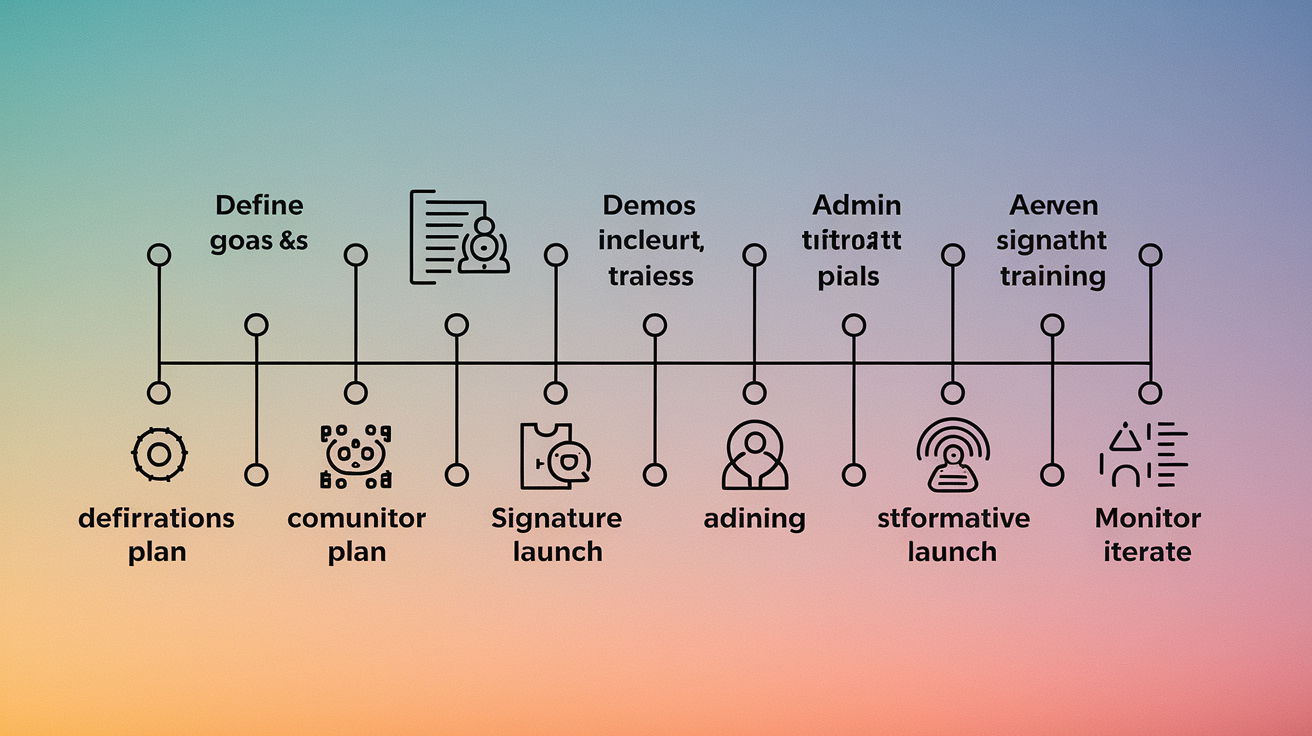
Launching a wellness platform successfully requires more than signing a contract and sending an announcement email. The rollout process involves technical configuration, stakeholder alignment, employee communication, training, and a deliberate plan to build early momentum and sustain participation over time. Organizations that invest in a structured implementation see faster adoption, higher engagement, and fewer post-launch surprises.
A typical wellness platform implementation follows seven key steps.
First, define goals and assemble stakeholders. Clarify what success looks like (reduce absenteeism by 10%, improve employee satisfaction scores, engage 60% of the workforce in the first quarter). Involve HR reps, department managers, and a cross-functional wellness committee to provide input and champion the program.
Second, run demos and trials with shortlisted vendors. Validate device integrations, test the user experience on mobile and desktop, confirm SSO and HRIS compatibility, and gather feedback from a small pilot group of employees before committing to a full contract.
Third, configure integrations and technical setup. Work with IT and the vendor to connect HRIS, SSO, payroll, and wearable devices. Set up admin accounts and role-based access. Populate rewards catalogs and incentive structures aligned to budget.
Fourth, develop and execute a communications plan. Use pre-drafted, brandable templates provided by the platform and customize them with your organization’s tone, logo, and leadership messaging. Plan a multi-touch launch campaign (email, intranet, team meetings, posters, video) that explains what the platform is, how to log in, and what’s in it for employees.
Fifth, provide training for admins and wellness champions. Ensure the internal team knows how to create challenges, approve reimbursements, pull reports, and troubleshoot common login or sync issues. Identify and train wellness champions within each department or location to answer peer questions and model participation.
Sixth, launch with a signature event or challenge. Kick off the platform with a high-visibility, inclusive challenge (a 30-day step competition or a hydration challenge, for example) that encourages first-time logins and creates early wins.
Seventh, monitor, iterate, and sustain. Track participation and engagement metrics weekly in the first month. Gather employee feedback, address technical issues quickly, and introduce new challenges or content regularly to prevent drop-off.
Implementation timelines vary, but most organizations should plan for 4 to 8 weeks from contract signing to public launch, with ongoing effort to maintain momentum through quarterly campaigns, seasonal themes, and continuous feedback loops. The platforms that succeed long-term are the ones where wellness becomes embedded in culture, not treated as a one-time project.
Final Words
You now know what a wellness platform does — a central hub for programs, tracking, coaching, rewards, and reporting — and how it’s different from a simple info site. The post covered features, platform types, benefits, integrations, privacy, pricing, engagement tricks, measurement, and rollout steps.
Next step: pick the handful of features that matter most, run a short pilot, watch a few key metrics, and tweak communications.
If you’re still asking what is a wellness platform, use this checklist and start small. You’ll see steady progress.
FAQ
Q: What are examples of wellness programs?
A: Examples of wellness programs include workplace fitness classes and challenges, nutrition counseling and meal planning, mental health support and counseling, smoking-cessation or weight-management programs, chronic disease management, and financial-wellbeing education.
Q: What are the 5 C’s of wellness?
A: The 5 C’s of wellness are competence, confidence, connection, character, and caring — a young-person development framework that also supports emotional and social well-being.
Q: What are the most popular wellness apps?
A: The most popular wellness apps include mindfulness apps like Calm and Headspace, fitness and tracking apps like MyFitnessPal, Fitbit, and Strava, coaching apps like Noom, and therapy apps such as BetterHelp.
Q: What are the 7 types of wellness?
A: The seven types of wellness are physical, emotional, intellectual, social, spiritual, occupational, and environmental wellness, covering body, feelings, thinking, relationships, purpose, work, and surrounding living spaces.