

Is a wellness stipend really free money, or just another line on your paycheck?
Many people get a small monthly or yearly amount from work to spend on health stuff.
But it usually shows up as taxable pay, and your employer decides what counts.
This post explains how stipends work step by step, what’s typically covered, how reimbursement happens, and the tax hit to expect.
By the end you’ll know whether to use yours for a gym, therapy, ergonomic gear, or skip it – and how to make the most of the benefit.
How Wellness Stipends Operate in Practice

A wellness stipend is a set amount your employer gives you to spend on health and wellness stuff. Could be monthly, quarterly, or yearly. Your employer decides what qualifies, sets the budget, and covers the cost. You buy something approved, submit proof, and get reimbursed. It’s flexible, which means you pick what actually helps you—gym membership, therapy, a better desk chair, whatever fits your life.
Most programs follow a simple rhythm. Your employer puts aside a fixed amount per person (you’ll often see $40 to $200 monthly or $500 to $1,000 yearly). You pay upfront for something in an approved category, then send in a receipt. The employer checks it, confirms it’s good, and reimburses you through payroll or direct deposit. Some companies use third-party platforms that give you a stipend card or digital wallet, so you can skip the waiting and pay directly.
One thing that catches people off guard is taxes. Wellness stipends are usually taxable income. The reimbursement lands on your paycheck, and you’ll pay income and payroll taxes on it just like your regular wages. Some employers “gross up” the stipend to cover the tax hit so you still get the full benefit. Your employer should explain how they handle taxes when they roll out the program.
Here’s how it usually works step by step:
-
Check your eligibility – Make sure you’re enrolled (full-time employees typically qualify, part-timers and contractors often don’t) and know your monthly or annual limit.
-
Spend within approved categories – Buy a service or product on your employer’s list, like a fitness class, meditation app, or ergonomic keyboard.
-
Submit proof of purchase – Upload or email your receipt with vendor name, date, description, and total.
-
Wait for approval and reimbursement – HR or your benefits platform reviews the claim. Timelines run from one pay cycle (around two weeks) to 30 days.
-
Receive funds and see tax impact – The money shows up on your paycheck as taxable income, with withholding already taken out.
Common Eligible Wellness Expenses

What’s covered depends on your employer, but most wellness stipends include fitness, mental health, nutrition, and preventative care. The goal is supporting your overall wellbeing, not just medical bills. Your employer will publish a list of allowed categories, sometimes with examples. Worth reading closely before you buy anything, because what flies at one company might not at another.
Common no-go items include luxury stuff, random household goods, and expenses without a clear wellness angle. A yoga mat usually qualifies. A designer handbag doesn’t. When you’re unsure, ask HR or your benefits admin before you spend.
Typical eligible expenses:
- Gym memberships and fitness classes – Monthly dues, drop-ins, online workout subs.
- Home fitness gear – Dumbbells, resistance bands, yoga mats, foam rollers, stationary bikes (some employers cap equipment spending).
- Wearable trackers – Smartwatches, activity monitors, heart-rate gear.
- Mental health services – Therapy, counseling apps, meditation or mindfulness subs.
- Nutrition and meal programs – Registered dietitian visits, healthy meal kits, weight-management programs.
- Alternative and preventative care – Massage, acupuncture, chiropractic visits.
- Ergonomic office tools – Standing desks, ergonomic chairs, lumbar supports, keyboard risers.
- Stress reduction programs – Breathing classes, stress workshops, aromatherapy supplies.
How Reimbursement and Documentation Requirements Work

Most wellness stipend programs want a receipt or proof of purchase before they reimburse you. The receipt needs to show date, vendor name, description of what you bought or the service, and total amount. A credit card statement alone usually won’t cut it. You need the itemized receipt that proves what you actually purchased.
How you submit depends on your employer’s setup. Some use an online portal or app where you upload a photo and pick the category. Others want you to email receipts to HR or fill out a paper form. Third-party platforms often make it smoother with pre-approved vendor lists and automatic tracking, so there’s less paperwork on your end.
Reimbursement timelines run from 5 to 30 days, depending on whether your employer processes through payroll cycles or uses a benefits vendor with faster turnaround. If your employer gives you a stipend card or pre-loaded account, you might skip the wait entirely. You just spend the balance and keep the receipt in case of an audit. Always check your employer’s policy for submission deadlines. Many want receipts within 30 to 90 days of purchase.
Spending Limits, Rules, and Restrictions

Employers set max amounts per person and decide if the stipend refreshes monthly, quarterly, or annually. Monthly caps typically range from $40 to $200. Annual allowances often land between $500 and $1,000. These limits are per employee, so you can’t pool your stipend with a spouse or family member unless your employer says otherwise (most don’t). Unused funds usually don’t roll over. If you don’t spend your full allowance in a month or year, that money goes back to the company.
Employers also define what’s off limits to keep the program focused. You won’t get reimbursed for things like elective cosmetic procedures, luxury spa trips, random retail shopping, or alcohol. Some companies exclude big-ticket items like home gym renovations or cap equipment purchases (say, $300 yearly on gear). The idea is supporting daily wellness habits, not funding one-time splurges.
Common restricted expense types:
- Home renovations or major construction (even if wellness related, like building a home gym room)
- Designer athletic apparel or shoes without a clear fitness purpose
- Non-wellness retail buys (groceries, household goods)
- Elective cosmetic treatments unrelated to injury recovery or medical need
Tax Treatment of Wellness Stipends

Wellness stipends are generally taxable income per the IRS. When your employer reimburses you or loads money onto a stipend card, that amount gets added to your gross wages for the year. You’ll pay federal income tax, state income tax (if your state has one), Social Security, and Medicare taxes on it just like your salary. This is different from tax-advantaged accounts like HSAs or FSAs, which let you set aside pre-tax dollars for qualified medical expenses.
Because stipends are taxable, the reimbursement you get is smaller than the stated amount once withholding hits. Say your employer gives you $50 monthly and you’re in the 22% federal bracket. You’ll pay around $11 in federal income tax plus payroll taxes, leaving you with roughly $37 to $40 net (exact amount depends on your full tax picture). Some employers “gross up” the stipend, adding extra to cover taxes so you still receive the intended $50 after withholding.
Your employer will include stipend payments in your annual W-2 as part of total wages. There’s usually no separate line. It’s rolled into Box 1 (wages, tips, other compensation). Make sure you understand how your company handles taxation and whether they gross up, so you’re not caught off guard by a smaller net benefit. If you have questions about your tax liability or whether your stipend qualifies for any exclusions, talk to a tax pro or your HR benefits team.
Wellness Stipends Compared to HSAs and FSAs
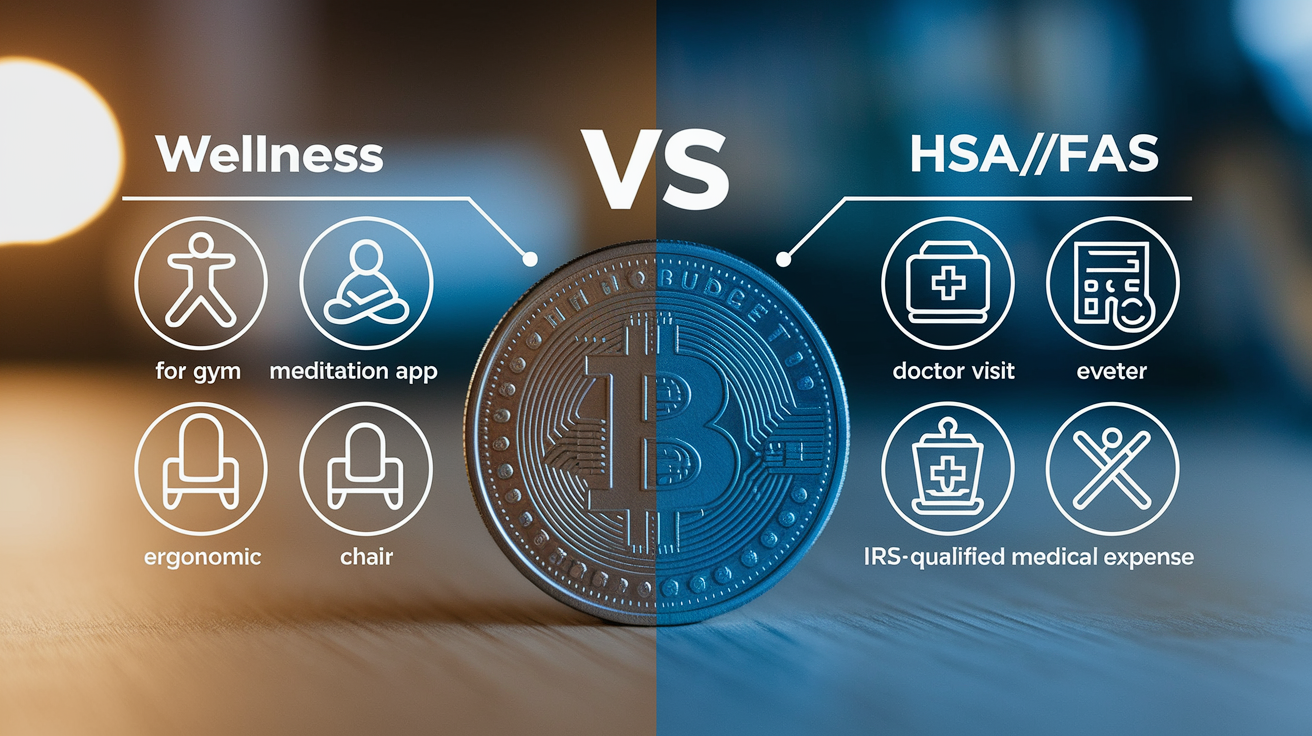
Wellness stipends, HSAs, and FSAs all help with health costs, but they work really differently. HSAs and FSAs are tax-advantaged accounts with IRS rules dictating what you can spend on—only IRS-qualified medical expenses like doctor visits, prescriptions, and medical gear. Wellness stipends are employer-designed with no IRS oversight, so your company decides what counts. That flexibility means stipends can cover gym memberships, meditation apps, and ergonomic furniture that HSAs and FSAs typically won’t touch.
The biggest trade-off? Taxes. HSA and FSA contributions are pre-tax, lowering your taxable income and saving you money on federal and state taxes. Wellness stipends are post-tax, so you pay income and payroll taxes on every dollar. But HSAs require a high-deductible health plan, and FSAs often have “use it or lose it” rules (though some employers allow small rollovers or grace periods). Wellness stipends are simpler. You don’t need a specific health plan, and the money’s usually available as long as you’re employed and eligible.
| Feature | Wellness Stipend | HSA / FSA |
|---|---|---|
| Tax treatment | Taxable income | Pre-tax contributions |
| Eligible expenses | Employer-defined (fitness, mental health, nutrition, ergonomic tools) | IRS-qualified medical expenses only |
| Rollover rules | Typically no rollover; unused funds expire | HSA: full rollover; FSA: limited or none |
| Plan requirements | None | HSA requires high-deductible health plan; FSA offered by employer |
How Employers Set Up and Administer Wellness Stipends

Employers start by deciding how much to give per employee and how often the stipend refreshes. Common picks are monthly amounts (like $50 or $100) or annual lump sums (like $600 or $1,000). Budget depends on company size, benefits strategy, and what the org can afford. Next step is defining eligible categories and any caps or restrictions. This usually involves surveying employees to find out what wellness perks matter most, then drafting a clear policy with allowed and forbidden expenses plus examples.
Once the policy’s written, the employer picks an admin method. Smaller companies often handle reimbursements manually through payroll. Employees submit receipts, HR reviews and approves, and the reimbursement lands on the next paycheck. Larger companies or those wanting less admin work often use third-party platforms offering stipend cards, online portals for receipt uploads, automatic tracking, and faster reimbursement. These platforms can handle tax reporting and compliance too, simplifying year-end W-2 prep.
Communication matters. Employers need to announce the program clearly, explain how it works, give step-by-step instructions for submitting claims, and share the eligible-expense list somewhere easy to find (employee handbook, benefits portal, intranet). Regular reminders and usage reports help keep participation up. Many employers track metrics like participation rate, average spend per employee, and feedback scores to refine the program and make sure it’s delivering value.
Real‑World Examples of Wellness Stipend Usage

Employees use wellness stipends all kinds of ways, depending on what they need. Someone with a long commute might buy an ergonomic seat cushion and standing-desk converter to stay comfortable at home. A parent juggling work and kids might pay for a meditation app to manage stress in short daily sessions. Another employee might join a local climbing gym and cover the monthly fee with the stipend. The flexibility is the whole point. What helps one person feel healthier might be totally different from what works for someone else.
Common ways employees spend stipends:
- Monthly gym or yoga studio membership – Consistent fitness habit supported every month.
- Online therapy or counseling sessions – Mental health support through telehealth.
- Meal kit delivery with fresh ingredients – Easier healthy eating without grocery-shopping time.
- Ergonomic office chair or lumbar support – Reducing back pain from desk work.
- Fitness tracker or smartwatch – Monitoring activity, sleep, heart rate.
- Nutrition coaching or weight management program – Personalized guidance for diet changes.
Frequently Asked Questions About Wellness Stipends

Wellness stipends are pretty straightforward, but a few questions pop up as people start using them. Understanding the rules around unused funds, family purchases, international vendors, and taxable income helps you get the most value without surprises at reimbursement time or tax season.
-
Do unused stipend funds roll over to the next month or year?
Usually no. Most employers treat each period separately, so if you don’t spend your full monthly or annual stipend, the unused amount goes back to the company. A few employers allow limited rollovers. Check your policy. -
Can I use my stipend for my spouse or child’s wellness expenses?
Depends on your employer’s rules. Most stipends are employee only, but some allow dependent expenses if stated in the policy. Ask HR if you’re unsure. -
Is my wellness stipend taxable?
Yes, in most cases. Stipends are taxable income, and your employer includes the reimbursement in your W-2 wages. You’ll pay income and payroll taxes on it. -
How long does it take to get reimbursed after I submit a receipt?
Typical timelines run from one to four weeks, depending on whether your employer processes through payroll cycles or uses a benefits platform. Some platforms reimburse within 5 to 10 business days. -
What if I buy something from an international vendor or while traveling?
Many employers allow international purchases as long as the expense fits an eligible category and you have a receipt in English (or translated) with required details. Currency conversion and foreign transaction fees are usually your responsibility. -
What happens if my claim is denied?
Your employer or benefits platform will explain why (maybe the item’s not on the list or the receipt’s missing details). You can often resubmit with more info or appeal if you think the expense should qualify.
Final Words
You’ve seen the nuts and bolts: who pays the stipend, what counts, how to submit receipts, common limits, and basic tax treatment.
Next step: read your employer’s policy, save one receipt, and try spending a small amount on something useful like a class, app, or ergonomic tool.
If you’re still wondering how does a wellness stipend work, think of it as an employer allowance you use on approved items, show proof, and get reimbursed or see it on your paycheck. Try one small thing this week — see how it helps.
FAQ
Q: What qualifies for a wellness stipend?
A: What qualifies for a wellness stipend are employer‑approved wellness costs like gym memberships, workout classes, fitness gear, nutrition or therapy programs, meditation apps, ergonomic tools, and other items your company lists as allowed.
Q: What does a $1500 stipend mean and how much is a wellness stipend?
A: A $1,500 stipend means your employer gives you $1,500 to spend on approved wellness items; wellness stipends commonly run about $40–$200 per month or appear as occasional lump sums like $1,500 annually.
Q: What should I use my wellness stipend on?
A: What you should use your wellness stipend on is practical things that improve daily health—try a gym membership, therapy or nutrition plan, ergonomic office gear, a meditation app, or a fitness class you’ll stick with.