

Think constant tiredness is just stress or a busy life?
It can be nutrient gaps instead, especially iron, vitamin B12, vitamin D, and magnesium, and they often pile up so simple rest doesn’t help.
This post shows the signs each one causes, why they sap your strength, and the quick tests and small fixes that actually make a difference.
You’ll get clear clues to tell if it’s iron vs B12, easy food swaps, and what to ask your doctor.
Small steps can start bringing your energy back.
Key Deficiencies That Commonly Cause Constant Fatigue and Weakness

Iron deficiency is the single most common nutritional reason people feel tired all the time. Without enough iron, your body can’t make enough hemoglobin (the protein that hauls oxygen through your blood), so your muscles and tissues literally run on less oxygen. That’s why you can sleep eight hours and still wake up exhausted.
B12, vitamin D, and magnesium shortfalls often get lumped together when talking about low energy, but they mess with your system in different ways. B12 keeps your nerves working and helps build red blood cells. When it’s low, you feel weak, foggy, and drained. Vitamin D supports muscle strength, bone health, and immune function, all of which shape how energized you feel. Magnesium is part of over 300 reactions in your body, including the ones that turn food into energy and keep your muscles moving smoothly.
Any one of these can make you tired. But they tend to stack. Someone who stays indoors and eats a limited diet might be low in both vitamin D and B12. Digestive problems can block absorption of iron, B12, and magnesium at the same time. When you’re running low on multiple fronts, the fatigue gets harder to shake and the weakness starts showing up in daily tasks.
Here’s what each one looks like:
- Iron deficiency: constant tiredness, shortness of breath with light activity, pale skin, trouble focusing
- Vitamin B12 deficiency: fatigue, numbness or tingling in your hands and feet, balance issues, memory trouble
- Vitamin D deficiency: low energy, muscle aches or weakness, bone pain, getting sick often
- Magnesium deficiency: fatigue, muscle cramps or twitches, tremors, irregular heartbeat when it’s severe
How Nutrient Deficiencies Disrupt Energy Production
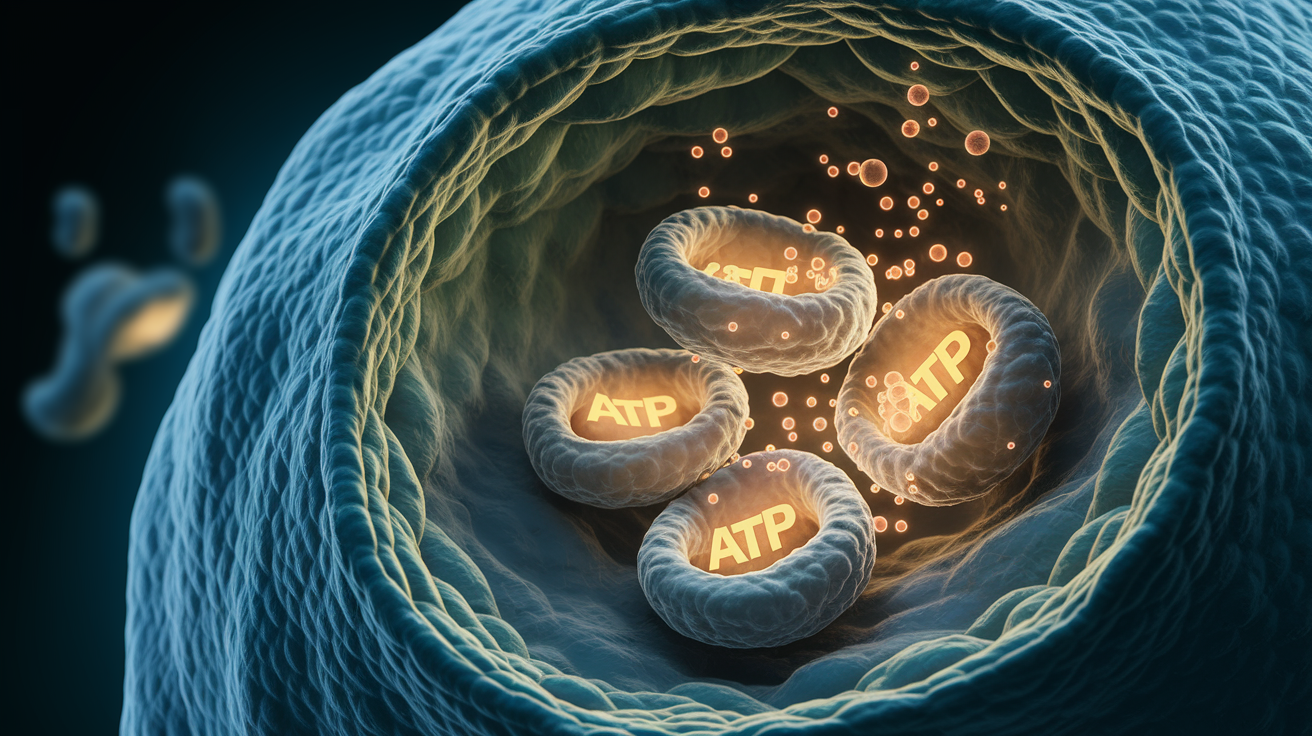
Your cells need oxygen and fuel to make ATP, the molecule that powers everything from muscle contractions to brain signals. Iron is the oxygen delivery system. When iron drops, hemoglobin drops too, and less oxygen reaches your muscles and brain. Even mild iron deficiency can slow oxygen transport enough that you feel winded climbing one flight of stairs.
B vitamins (especially B12) run the reactions that turn food into ATP inside your mitochondria. When you’re deficient, those reactions slow down and you make less energy. B12 also builds the protective coating around nerves. Without it, nerve signals misfire and muscles feel weak or unresponsive.
Magnesium participates in more than 300 enzyme systems, many of them tied to energy production, muscle contraction, and nerve signaling. Low magnesium means your muscles can’t relax properly after contracting, which leads to cramps, tremors, and a general sense of being physically worn out. Vitamin D doesn’t directly make ATP, but it helps muscles use calcium efficiently and supports immune function. So a deficiency leaves you physically weaker and more vulnerable to infections that drain your energy further.
Recognizing Symptoms of Common Deficiencies

Each deficiency has its own signature pattern, though fatigue and weakness run through all of them. Knowing what else you’re dealing with can help you narrow down which nutrient might be low.
| Deficiency | Key Symptoms | Notes |
|---|---|---|
| Iron | Fatigue, pale skin, shortness of breath, rapid heartbeat, cold hands/feet, brittle nails, cravings for ice or dirt | Often the first sign is feeling winded after activity that used to be easy |
| Vitamin B12 | Fatigue, numbness/tingling in extremities, balance problems, memory or mood changes, smooth/sore tongue | Neurological symptoms can become permanent if deficiency is prolonged |
| Vitamin D | Persistent tiredness, muscle aches or weakness, bone pain (especially ribs, hips, legs), frequent infections | Symptoms often improve rapidly once levels are restored |
| Magnesium | Fatigue, muscle cramps or twitches, tremors, irregular heartbeat, mood changes (anxiety, irritability) | Severe deficiency is rare but can cause dangerous heart rhythm problems |
Iron deficiency develops slowly, so you might chalk up the fatigue to stress or a busy schedule until you notice your nails splitting or find yourself out of breath tying your shoes. B12 deficiency can creep up over years, especially in older adults or vegetarians. The nerve symptoms (tingling, balance trouble, memory slips) get mistaken for aging or something unrelated.
Vitamin D deficiency is extremely common in people who spend most of their time indoors or live in northern climates. The muscle aches can feel like you overdid it at the gym when you didn’t. Magnesium deficiency is harder to catch because routine blood tests don’t always show what’s happening inside your cells, but persistent cramps, twitches, or a racing heart alongside fatigue are clues worth investigating.
How Doctors Diagnose These Deficiencies

When fatigue won’t quit despite rest, the first step is usually a complete blood count (CBC) and a metabolic panel to rule out anemia, thyroid problems, kidney issues, and blood sugar imbalances. If the CBC shows low hemoglobin or small red blood cells, your doctor will order a serum ferritin test to check your iron stores. Ferritin below 15 to 30 ng/mL typically signals iron deficiency, even if you’re not yet anemic.
For B12, a serum vitamin B12 test is the starting point. Levels below 200 pg/mL suggest deficiency. Levels between 200 and 300 pg/mL fall into a gray zone where your doctor may add a methylmalonic acid (MMA) test or homocysteine test to confirm whether your cells are actually getting enough B12. Elevated MMA is a reliable sign that B12 is too low to support normal metabolism.
Vitamin D is measured with a 25-hydroxyvitamin D test. Levels below 20 ng/mL are considered deficient, and 20 to 30 ng/mL is classified as insufficient. Magnesium is trickier because most magnesium lives inside cells, not in your bloodstream. Serum magnesium below 1.7 mg/dL indicates deficiency, but some clinicians also check red blood cell (RBC) magnesium for a more accurate picture when symptoms are present and serum levels are borderline.
Treatment Options for Fatigue Caused by Deficiency
Once a deficiency is confirmed, treatment usually starts with either dietary changes or supplementation, depending on how low your levels are and what’s causing the shortfall. The goal is to restore the nutrient and then address the root cause so it doesn’t happen again.
Iron deficiency is typically treated with oral iron supplements, around 60 to 100 mg of elemental iron per day. You should start to feel less tired within a few weeks, and hemoglobin usually climbs about 1 g/dL every two to four weeks. If you can’t tolerate oral iron (nausea, constipation) or if you have absorption problems, your doctor may recommend intravenous (IV) iron. Treatment continues for three to six months after your levels normalize to rebuild your iron stores.
- Iron: Oral supplements (ferrous sulfate, ferrous gluconate) or IV iron infusions for severe cases or malabsorption. Combine with vitamin C to improve absorption.
- Vitamin B12: Oral supplements (500 to 1,000 mcg daily) work for most people. Intramuscular injections (1,000 mcg weekly, then monthly) are used when absorption is impaired by pernicious anemia or digestive disease.
- Vitamin D: High-dose repletion (50,000 IU weekly for 6 to 8 weeks) followed by maintenance dosing (1,000 to 4,000 IU daily). Recheck levels after 8 to 12 weeks.
- Magnesium: Oral supplements (200 to 400 mg elemental magnesium daily) in divided doses. Formulations like magnesium glycinate or citrate are generally better absorbed than magnesium oxide.
Dietary Sources to Restore Essential Nutrients

Even if you’re taking supplements, adjusting your diet helps maintain healthy levels long term and reduces the chance of deficiency coming back. Small, consistent changes add up.
Iron comes in two forms: heme iron (from animal sources, absorbed more easily) and non-heme iron (from plants, absorbed less efficiently). Pair plant-based iron with a source of vitamin C (like bell peppers, citrus, or tomatoes) to boost absorption. Avoid drinking tea or coffee with iron-rich meals, as tannins block absorption.
| Nutrient | Best Food Sources | Example Serving |
|---|---|---|
| Iron | Red meat, liver, poultry, fish, lentils, spinach, tofu, fortified cereals | 3 oz beef = ~2.5 mg; 1 cup cooked lentils = ~6.6 mg |
| Vitamin B12 | Meat, fish (salmon, tuna), eggs, dairy, fortified plant milks, nutritional yeast | 3 oz salmon = ~4.8 mcg; 1 cup fortified almond milk = ~3 mcg |
| Vitamin D | Fatty fish (salmon, mackerel), fortified milk/orange juice, egg yolks, UV-exposed mushrooms | 3 oz salmon = ~570 IU; 1 cup fortified milk = ~120 IU |
| Magnesium | Almonds, cashews, pumpkin seeds, black beans, spinach, whole grains, dark chocolate | 1 oz almonds = ~80 mg; 1 cup cooked spinach = ~157 mg |
When to Seek Medical Attention for Persistent Fatigue

If you’ve been tired for more than a few weeks despite sleeping enough and managing stress, it’s time to check in with a doctor. Fatigue from a deficiency doesn’t usually resolve on its own. Waiting too long, especially with B12 deficiency, can lead to nerve damage that becomes harder to reverse.
See a clinician promptly if your fatigue comes with any of these:
- Chest pain, rapid or irregular heartbeat, fainting, or severe shortness of breath
- Numbness, tingling, balance problems, or vision changes (possible B12 nerve damage)
- Bone pain, frequent fractures, or significant unintentional weight loss
Final Words
You learned which deficiencies—iron, B12, vitamin D, and magnesium—most often cause persistent fatigue and weakness, how they disrupt energy, the common symptoms, tests doctors use, and basic treatment and food options.
Start small: add an iron-rich meal, a B12 source, vitamin D from sun or food, and magnesium-rich snacks. Book a simple blood test if tiredness doesn’t ease.
If you’re asking what deficiency causes constant fatigue and weakness, these are the usual suspects, and with small, steady steps and a provider’s help, you can feel better.
FAQ
Q: What common deficiency or vitamin causes constant or extreme fatigue?
A: The common deficiency that causes constant or extreme fatigue is often iron-deficiency anemia; vitamin B12, low vitamin D, and low magnesium can also cause persistent tiredness and usually need testing to confirm.
Q: What are 5 signs of vitamin D deficiency to not ignore?
A: The five signs of vitamin D deficiency to not ignore are muscle or bone pain, persistent fatigue, frequent infections, low mood, and slow recovery from injuries or wounds.