

Think emotional eating means you’re weak?
It’s usually your brain learning a shortcut: feeling bad triggers food because it worked before.
That doesn’t mean you’re stuck.
This post shows simple, natural ways to break the loop—how to pause the urge, spot emotional versus physical hunger, and pick small swaps that actually soothe you.
Read on for quick, doable steps you can start today so cravings lose their power, you feel calmer around food, and the cycle slows down in days, not months.
Immediate Strategies to Interrupt Emotional Eating Cycles
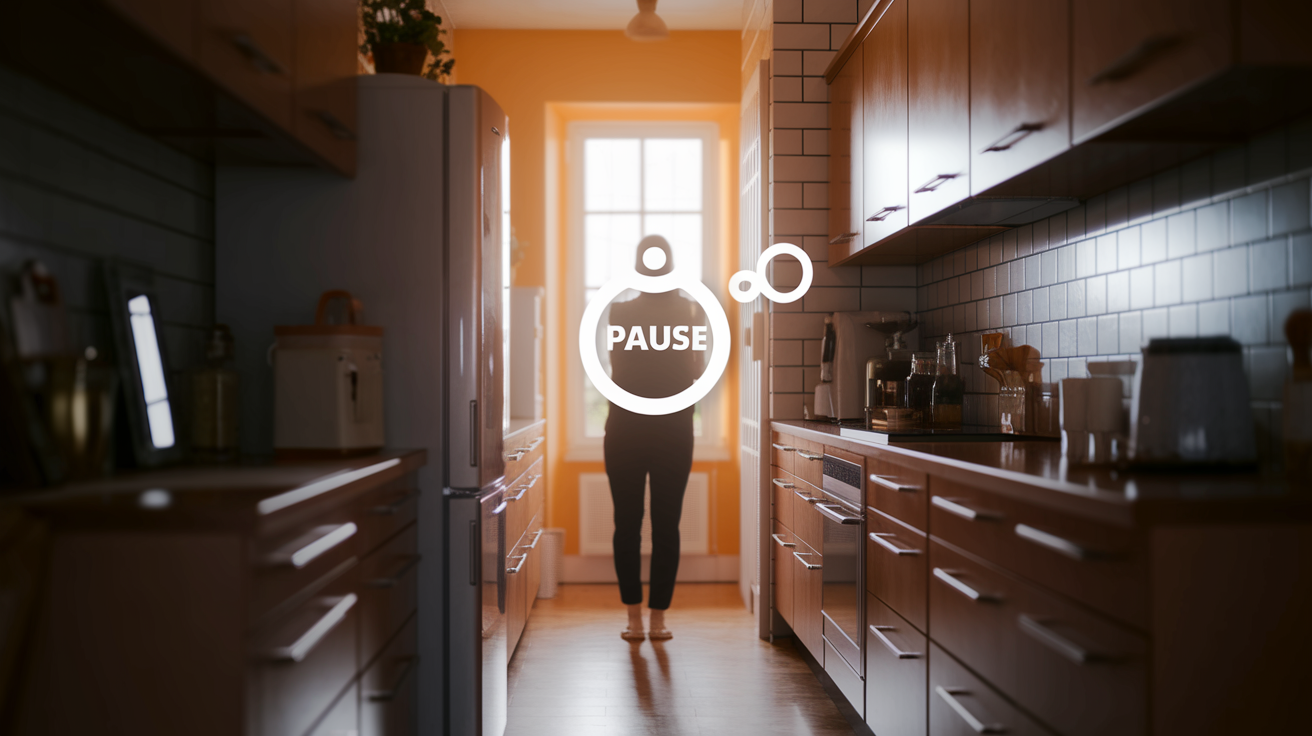
Emotional eating shows up fast. One minute you’re thinking about work stress or a frustrating text, and the next you’re opening the fridge or reaching for snacks. The urge feels automatic because it is. Your brain connects certain feelings with food based on years of practice. But that doesn’t mean you’re stuck.
Breaking the cycle starts with creating a gap between the trigger and the action. Even a one-minute pause starts to weaken the automatic link. During that pause, you can check in with your body and decide what you actually need. Most emotional eating happens because we skip this step. We move straight from feeling bad to eating without asking ourselves what’s really going on.
Physical hunger and emotional hunger send different signals. Learning to spot the difference changes everything. Physical hunger builds slowly and feels steady. Emotional hunger hits all at once and usually demands something specific: chips, cookies, ice cream. When you pause, you give yourself a chance to notice which one you’re dealing with and respond in a way that actually helps.
Here are five immediate strategies to interrupt an emotional eating episode in real time:
-
Pause for five minutes and take three slow, deep breaths. This simple delay weakens the urgency and lets your thinking brain catch up with your emotional reaction.
-
Ask yourself out loud or in writing: “Am I physically hungry, or am I trying to feel better?” Naming what’s happening creates mental distance from the urge.
-
Drink a full glass of water. Sometimes thirst mimics hunger, and the few minutes it takes to drink water can be enough to shift your focus.
-
Move your body for two minutes. Walk to another room, do gentle stretching, or step outside. Movement interrupts the mental loop and reduces the intensity of cravings.
-
Choose one non-food comfort action from a pre-written list. When you’re in the middle of an urge, decision-making is hard. A short list of alternatives (text a friend, listen to one song, pet your dog) makes it easier to pick something that soothes the emotion without food.
Emotional Eating Triggers and How They Form
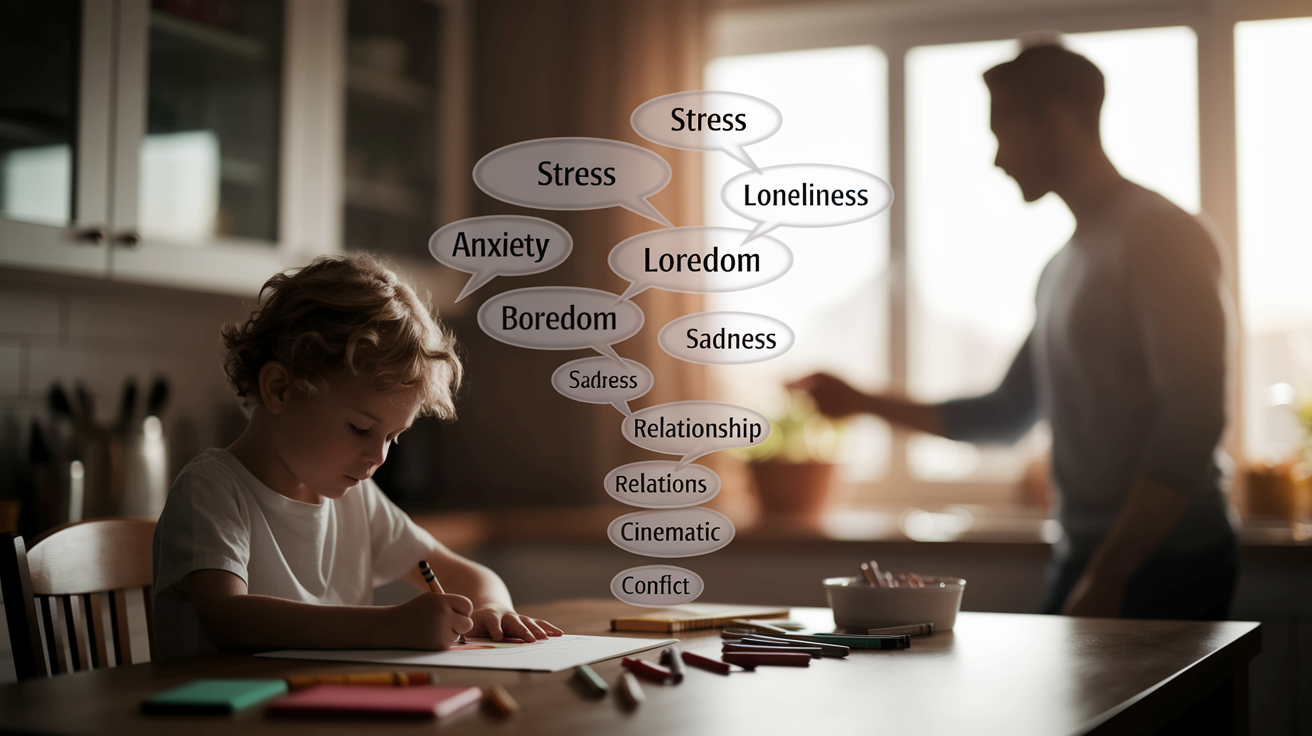
Emotional eating usually starts in childhood. Many of us learned early that food equals comfort, celebration, or distraction. Maybe you got a treat after a hard day at school. Or dessert was the reward for good behavior. These patterns become wired into how we handle feelings as adults. Food becomes the automatic response to stress, sadness, or boredom because that’s what we practiced for years.
As adults, those early patterns get reinforced by daily life. Work pressure, relationship conflict, money worries, and social anxiety all create emotional spikes. Comfort foods (high in sugar, fat, or salt) trigger a quick dopamine release that feels good for a few minutes. The relief doesn’t last. And the guilt and shame that follow often make the original emotion worse. That’s when the cycle locks in: feel bad, eat, feel worse, repeat.
The most common emotional eating triggers include:
Stress – Tight deadlines, overwhelming to-do lists, or feeling like you’re juggling too much at once
Anxiety – Worry about the future, fear of judgment, or a general sense of unease that won’t settle
Loneliness – Feeling disconnected, missing companionship, or spending too much time alone without meaningful interaction
Boredom – Lack of stimulation or purpose, especially during downtime or repetitive tasks
Sadness – Grief, disappointment, or a low mood that feels heavy and hard to shift
Relationship conflict – Arguments, tension, or feeling misunderstood by people you care about
Recognizing Emotional Hunger vs. Physical Hunger

Emotional hunger and physical hunger feel different once you know what to look for. Emotional hunger shows up suddenly. One minute you’re fine, the next you need food right now. It feels urgent and specific. You want cookies or chips or something creamy and rich. Physical hunger builds gradually. It starts as a gentle signal and gets stronger over time. You might feel a slight emptiness in your stomach or notice your energy dipping, but it doesn’t scream at you.
Another big difference is what satisfies each type of hunger. Physical hunger is flexible. Almost any food will do the job. A banana, leftovers, a sandwich. They all work. Emotional hunger is picky. It wants the comfort food, and nothing else feels right. Emotional hunger also doesn’t stop when you’re full. You might keep eating past the point of comfort, sometimes until you feel physically uncomfortable or even sick. Physical hunger naturally fades once your body gets what it needs.
| Trigger Pattern | Food Preference | Satisfaction Response |
|---|---|---|
| Emotional hunger appears suddenly and feels urgent | Craves specific comfort foods (high sugar, fat, or salt) | Persists past fullness; may eat until painfully stuffed |
| Physical hunger develops gradually over time | Satisfied by almost any food | Stops naturally once the body feels nourished |
Mindful Eating Habits to Reduce Emotional Eating Patterns

Mindful eating means paying full attention to the experience of eating. Instead of scrolling through your phone or watching TV while you eat, you focus on what’s in front of you. The colors, textures, smells, and flavors. This isn’t about eating perfectly or following strict rules. It’s about slowing down enough to notice what your body is telling you and what your food actually tastes like.
When you eat mindfully, you give your brain time to register fullness. Satiety signals take about 15 to 20 minutes to travel from your stomach to your brain. If you’re eating fast or distracted, you blow right past those signals and keep going until you feel uncomfortably full. Slowing down helps you stop at satisfied instead of stuffed.
Mindful eating also makes it easier to notice the difference between eating because you’re hungry and eating because you’re trying to manage an emotion. When you pause, breathe, and check in before you start eating, you create a moment of choice. That moment is where change happens.
Sensory-Based Mindfulness
Before you take your first bite, take three deep breaths. Notice what the food looks like on your plate. Pay attention to the colors, shapes, and arrangement. As you eat, focus on:
Texture – Is it crunchy, smooth, chewy, or creamy? Notice how it feels in your mouth.
Flavor layers – Can you taste sweetness, saltiness, bitterness, or umami? Does the flavor change as you chew?
Temperature – Is the food hot, cold, or room temperature? Does that affect how it tastes?
Aroma – Smell your food before you eat it. Does the scent make you more or less hungry?
Put your fork or spoon down between bites. This simple habit forces you to slow down and gives your body time to send fullness signals. If this feels awkward at first, that’s normal. Most of us have been eating quickly for years.
Emotional Coping Techniques That Replace Comfort Eating

The reason food stops being the go-to solution is simple: you find other ways to handle the emotion. Emotional eating persists because it’s the easiest, fastest option we know. When you build a list of alternatives that actually work, food loses its power. The trick is matching the coping tool to the emotion. What helps with stress won’t always help with loneliness. What soothes sadness might not touch boredom.
Stress
Stress eating happens when your body is flooded with cortisol and you’re looking for any kind of relief. The solution is anything that calms your nervous system without adding guilt or shame afterward.
Breathing exercises – Try box breathing: inhale for four counts, hold for four, exhale for four, hold for four. Repeat for two minutes.
Meditation – Even five minutes of guided meditation can lower your stress response. Apps or YouTube videos work well if you’re new to it.
Take a quiet walk – Moving your body outside, especially in a calm setting, helps your brain process stress and reduces the urge to reach for food.
Loneliness
Loneliness eats at you when you feel disconnected. Food becomes a substitute for companionship, but it doesn’t fill the gap. Real connection does.
Text someone you care about – A quick check-in can remind you that you’re not as alone as you feel.
Call a friend or family member – Hearing a familiar voice shifts your emotional state faster than food ever could.
Video chat – If you’re craving face-to-face connection, a video call brings that feeling of presence and reduces the urge to eat for comfort.
Sadness
Sadness feels heavy and slow, and comfort food offers a temporary lift. But gratitude and laughter can shift your mood in ways that last longer.
Make a gratitude list – Write down three to five things you’re grateful for right now. This small practice redirects your focus and eases the weight of sadness.
Watch comedy – Laughter releases endorphins and interrupts the cycle of rumination. Pick a show or video that you know makes you laugh.
Boredom
Boredom eating happens when your brain is understimulated and food becomes the easiest form of entertainment. The fix is engagement. Anything that holds your attention.
Finish a small project – Tackle one task you’ve been putting off. Completing something gives you a sense of progress and satisfaction.
Watch a movie – Pick something engaging or comforting that pulls you into the story.
Read a book – Fiction, memoir, or anything that interests you. Reading activates your brain in ways that scrolling or snacking don’t.
Anxiety
Anxiety eating is driven by worry and a need to control something. Talking it out or grounding yourself with a calming presence helps more than food.
Confide in a trusted friend – Saying your worries out loud makes them feel smaller and more manageable.
Spend time with a pet – Petting a dog or cat lowers anxiety and brings you into the present moment.
Consider reaching out to a counselor or therapist – If anxiety is persistent or overwhelming, professional support gives you tools that work long-term.
Building a Supportive Environment to Break Emotional Eating Habits

Your environment shapes your eating more than willpower ever will. If comfort foods are within arm’s reach all day, you’ll rely on them. If they require a trip to the store, you create natural space between the urge and the action. This isn’t about restriction. It’s about making the easier choice the healthier one.
Start with your kitchen. Keep nutritious, satisfying foods visible and accessible. Stock your fridge with washed vegetables, hard-boiled eggs, and pre-portioned snacks that include protein and fiber. When hunger hits, you’re more likely to reach for what’s easy. If the easy option is also nourishing, you’ve stacked the odds in your favor.
Balanced meals reduce emotional reactivity. When your blood sugar crashes from skipping meals or eating only carbs, your mood tanks with it. Protein, fiber, and healthy fats keep your energy steady and reduce the intensity of cravings. A meal that combines all three (like scrambled eggs with avocado and whole-grain toast, or a grain bowl with chicken, greens, and olive oil) keeps you satisfied longer and less likely to turn to food when emotions spike.
Simple environment-based strategies that support lasting change:
Keep comfort foods out of the house or stored in less convenient spots – If you have to leave home to get them, you’ll pause long enough to check whether you’re actually hungry.
Pre-portion snacks into single servings – Eating straight from a large bag makes it easy to lose track. Portioning ahead removes the decision-making when you’re emotional.
Eat meals at a table, not in front of screens – This small shift increases awareness and reduces mindless overeating.
Grocery shop after eating, not when hungry – Hunger skews your choices toward quick, sugary options. A full stomach leads to better decisions.
Prepare one or two balanced meals ahead of time each week – When you’re stressed or tired, having a ready-to-eat meal reduces the temptation to grab takeout or snack through dinner.
Tracking Patterns for Long-Term Emotional Eating Change

Awareness is the first step to breaking any habit. Emotional eating is no different. Most of us don’t realize how often emotions drive our eating until we start paying attention. A food-and-mood journal is one of the simplest, most effective tools for spotting patterns. Keep it for one week. Write down what you ate, the time, and (most importantly) what you were feeling or thinking right before you ate.
You don’t need to analyze it as you go. Just collect the data. After a week, look back and notice trends. Do you eat when you’re bored in the afternoon? Does stress at work send you to the snack drawer? Does loneliness at night lead to late eating? Once you see the pattern, you can plan a different response.
Change doesn’t happen in a straight line. Expect setbacks. You’ll take one step forward one day and two steps back the next. That’s not failure. That’s how behavior change works. The goal is not perfection. The goal is noticing, adjusting, and returning to the process with patience and without shame.
| Tool | Purpose | How to Use It |
|---|---|---|
| Food-and-mood journal | Reveals emotional eating patterns | Log what you eat, the time, and your emotion or situation before eating; review after one week |
| Daily check-in question | Increases self-awareness in the moment | Ask yourself before eating: “Am I physically hungry, or am I trying to manage a feeling?” |
| Weekly progress note | Tracks small wins and setbacks without judgment | At the end of each week, write one thing that went well and one thing to adjust next week |
| Coping strategy list | Provides non-food alternatives when emotions spike | Keep a written list of 5–7 go-to activities (walk, call a friend, journal) where you can see it |
When Professional Help Supports Breaking Emotional Eating

Sometimes self-strategies aren’t enough, and that’s okay. If emotional eating feels persistent (if you try the pause, the journaling, the alternatives, and still find yourself turning to food to cope) it may be time to reach out for professional support. Persistent anxiety, overwhelming sadness, or an inability to manage emotions without food are signs that the root cause goes deeper than habit.
Therapists and counselors trained in cognitive behavioral therapy can help you identify and reframe the thought patterns that drive emotional eating. Registered dietitians who specialize in emotional and disordered eating can guide you through building a healthier relationship with food without shame or restrictive rules. Medical programs that address hormone imbalances, sleep issues, or chronic stress can remove physical barriers that make emotional eating harder to break. You’re not weak for needing help. You’re addressing an emotional problem with an emotional solution, which is exactly what this process is about.
Final Words
Start with a tiny action: pause when a craving hits, take a breath, and ask if you’re truly hungry. This piece gave quick interruption steps, ways to spot triggers, mindful meal habits, emotion-based swaps, simple environment fixes, tracking tips, and signs to seek help.
Try one small change this week—delay five minutes, jot the feeling, or take a short walk instead of eating. Practicing these steps is the practical path to how to break the cycle of emotional eating. You’ve got this.
FAQ
Q: What are the root causes of emotional eating?
A: The root causes of emotional eating are learned patterns (often from childhood), stress, loneliness, boredom, and using food to soothe feelings instead of addressing the underlying emotions.
Q: What is the 80% rule in eating?
A: The 80% rule in eating is leaving about 20% of your plate uneaten—stop before you feel full—to help you notice true fullness and prevent overeating by pacing your meal.
Q: Why can’t I stop stress eating?
A: The reason you can’t stop stress eating is that stress triggers quick comfort-seeking, habit loops, and brain reward signals, so food becomes an emotional fix rather than a response to physical hunger.
Q: What medication is used for emotional eating?
A: Medications used for emotional eating can include some antidepressants or appetite-modulating drugs prescribed by a clinician, but they work best alongside therapy and practical habit changes.