

Thirst often comes too late.
By the time you feel thirsty, you’ve probably lost 1–2% of your body’s water.
That means small signals — dark urine, a sticky mouth, a mild headache, or lightheadedness when you stand — are your real alarm.
We’ll show how to spot those early signs, use simple checks like urine color and the skin pinch test, and take quick, safe steps to rehydrate.
Catching dehydration early can stop midday fatigue, foggy thinking, and prevent bigger problems.
Early Physical Signs of Dehydration Beyond Thirst
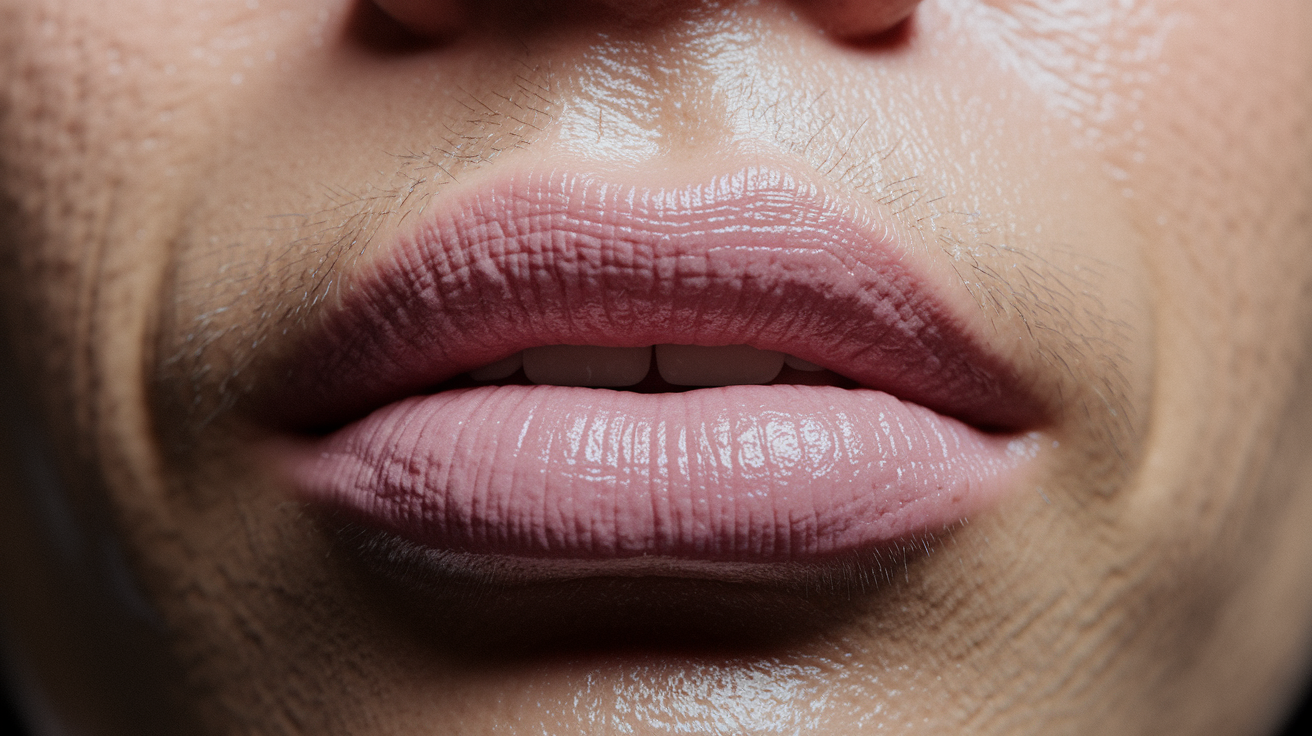
Your body starts sending signals before you feel thirsty. By the time thirst shows up, you’ve probably lost 1–2% of your body’s water already. That delay means you can’t just wait around for thirst to tell you it’s time to drink.
The earliest signs are easy to miss. They show up as tiny shifts in how you feel or what you notice during a bathroom break. These changes are your body asking for water right now.
Watch for these early physical signs:
- Dry or sticky mouth
- Darker yellow urine
- Mild headache, especially at the temples
- Light dizziness when you stand up
- Low energy or sluggishness that doesn’t match your sleep
If you catch any of these, drink a tall glass of water slowly. Keep sipping over the next hour. Most of the time, these early warnings improve within minutes once you start rehydrating.
How to Use Urine Color and Output to Tell You’re Dehydrated
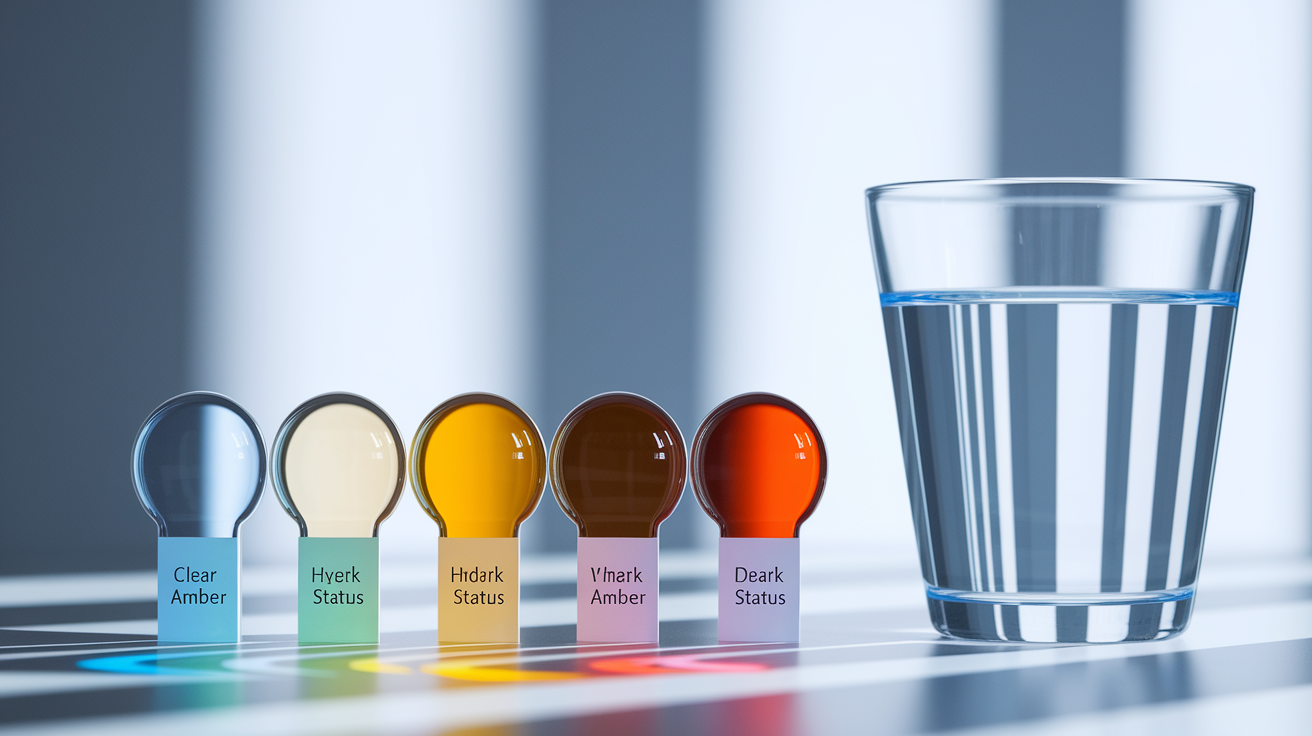
Your urine is one of the clearest hydration signals you’ve got. It changes color and volume based on how much water’s moving through your system. Clear or pale yellow? You’re doing fine. As the yellow deepens, you need more fluids.
Think of urine color as a quick progress check. If it’s closer to straw or lemonade, you’re in a good range. When it starts looking like apple juice or darker, your kidneys are working overtime to concentrate waste because there isn’t enough water to dilute it. That’s your signal to drink more.
| Urine Color | Meaning |
|---|---|
| Clear to pale yellow | Well hydrated |
| Medium yellow | Normal range, keep drinking regularly |
| Dark yellow to amber | Dehydration likely, drink water now |
How often you go matters too. If you haven’t peed in several hours or notice you’re going way less than usual, that’s another sign you’re running low. Very dark urine or almost no output for many hours can mean dehydration’s getting serious and you may need medical attention.
Skin, Eyes, and Sweat Changes That Signal Dehydration
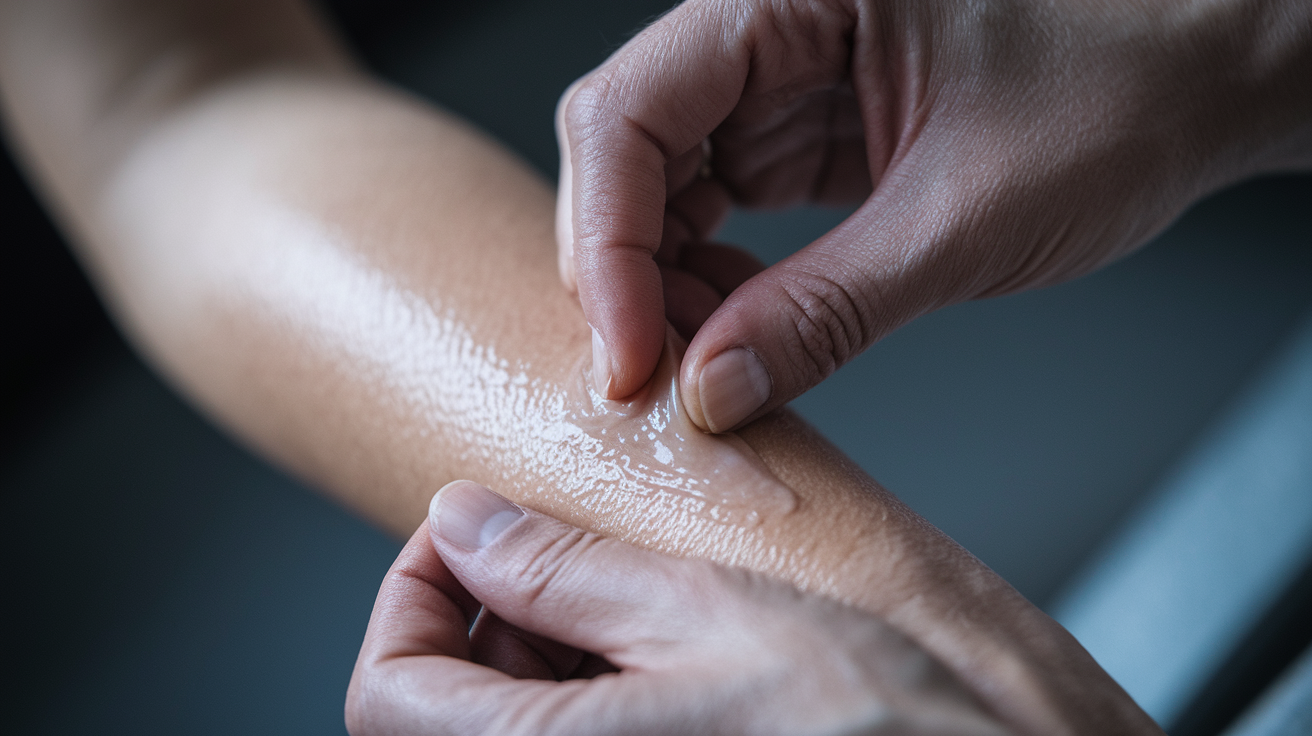
Your skin and eyes show visible changes when fluid levels drop. Skin that feels dry, tight, or itchy (even when you haven’t been outside long) can be an early warning. When you’re well hydrated, your skin has enough moisture to stay elastic. When you’re not, it loses that bounce.
The skin pinch test is simple. Here’s how to do it:
- Pinch the skin on the back of your hand or lower arm between your thumb and forefinger.
- Hold for a second, then let go.
- Watch how quickly the skin returns to normal.
- If it snaps back right away, you’re probably fine. If it stays tented or takes a few seconds to flatten, that suggests reduced elasticity and possible dehydration.
You might also notice you’re not sweating as much as usual during activity or heat. When fluid is low, your body pulls back on sweat production to save what it has. That can raise your risk of overheating. In children and sometimes adults, eyes may look sunken or hollow. The area around the eyes loses some of its normal fullness when fluid volume drops. Cool, dry skin after activity (when you’d normally expect warmth and moisture) is another warning sign.
Energy, Mood, and Cognitive Signs of Dehydration

Dehydration doesn’t just mess with your body. It changes how your brain works. Even mild fluid loss can trigger a pulsing headache, usually at both temples, that gets worse when you move or lean forward. That happens because your brain loses some of its protective fluid cushion and blood flow dips slightly.
Fatigue is one of the most common mental signs. You might feel wiped in the middle of the day, struggle to focus on a simple task, or notice your workout feels harder than it should. Your brain’s about 75% water, so when hydration drops, cognitive performance drops too. You may find yourself reading the same sentence twice or forgetting what you walked into a room to grab.
Mood shifts show up as well. Irritability, low motivation, even sudden sugar cravings can all trace back to low fluid levels. Dehydration makes it harder for your liver to release stored glucose, so your body sends hunger signals (especially for quick energy like sweets). Before you reach for a snack, try drinking a glass of water and waiting a few minutes. The craving may ease once your system gets what it actually needs.
Dehydration Signs Specific to Children, Pregnant Individuals, and Older Adults
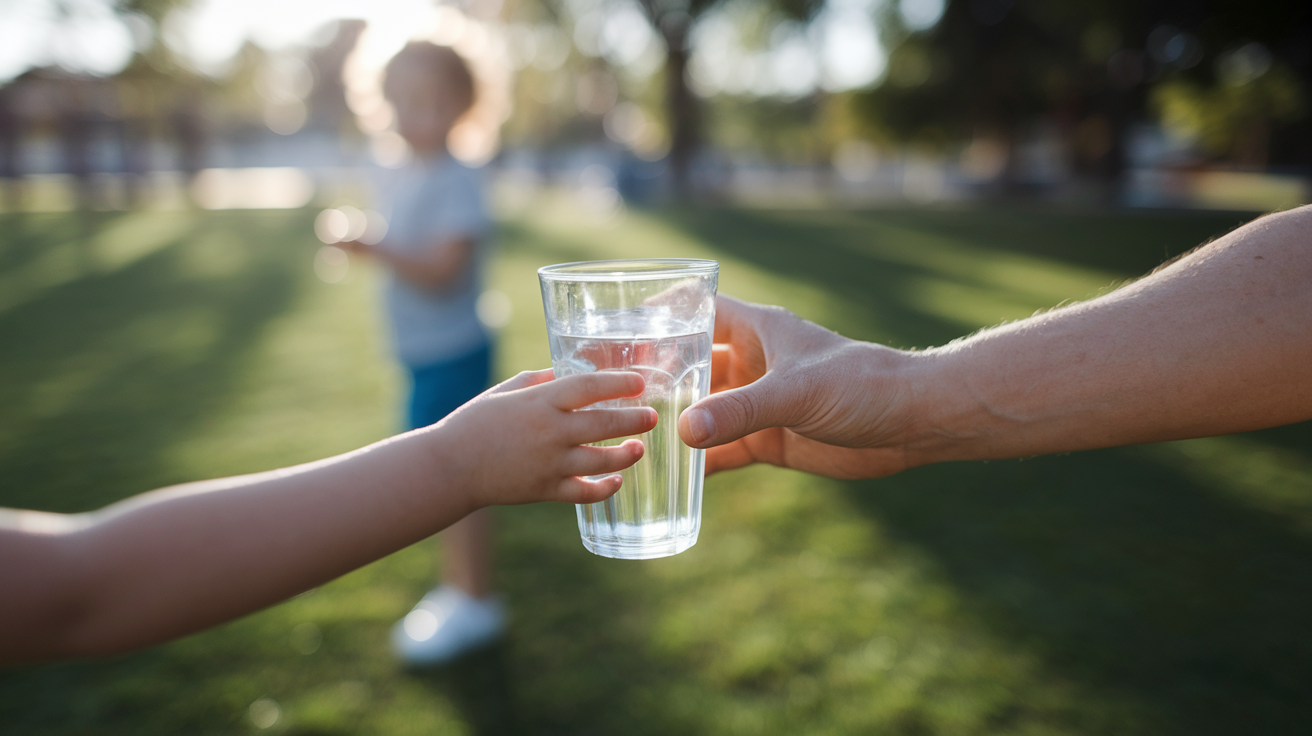
Children dehydrate faster than adults, and their signs can look different. A child might not say they’re thirsty, but you can spot trouble through other cues. Crying without tears is a clear warning. So is a dry, sticky mouth or tongue. Cool, dry skin after running around (when you’d expect them to be warm and a little sweaty) signals that their body isn’t cooling properly.
Watch for these additional signs in children:
- No tears when crying
- Sunken eyes or cheeks
- Irritability or extreme tiredness
- Abdominal pain or cramping
- No wet diapers for three hours (infants)
- Sunken fontanelle (the soft spot on a baby’s head)
Older adults face a different challenge. Thirst signals weaken with age, so they often don’t feel the urge to drink until dehydration’s already setting in. Dry indoor heating in winter and reduced kidney efficiency make the problem worse. Pregnant people need more fluid to support increased blood volume and amniotic fluid, but nausea or frequent urination can make it harder to stay on top of hydration. For all three groups, drinking before thirst kicks in is the safest move.
Mild vs Severe Dehydration: How to Know What Stage You’re In

Dehydration exists on a scale. Mild dehydration is uncomfortable but fixable at home. Severe dehydration is a medical emergency. Knowing the difference helps you decide whether to grab a water bottle or call for help.
Mild dehydration shows up with manageable symptoms. You might have a dry mouth, feel a little tired, or notice your urine’s darker than usual. You’re still able to drink and move around normally. A headache might start, and you may feel slightly off, but nothing stops you from going about your day.
Severe dehydration is harder to miss. And harder to ignore. Your body starts shutting down non-essential functions to protect vital organs. Here’s how to tell which stage you’re in:
Mild dehydration:
- Dry or sticky mouth
- Darker urine, but still urinating regularly
- Mild fatigue or light dizziness
- Light headache
Severe dehydration:
- Little to no urine for many hours, or very dark urine
- Rapid heartbeat or breathing
- Severe dizziness, confusion, or disorientation
- No sweating even in heat, or inability to cool down
If you’re in the severe category, don’t wait. Severe dehydration can lead to heat stroke, kidney damage, or dangerously low blood pressure. It requires immediate medical attention.
When Dehydration Requires Medical Attention

Most cases of mild dehydration clear up once you start drinking water. But some situations need a doctor’s evaluation or emergency care. If you can’t keep fluids down (because of vomiting or nausea), you can’t rehydrate on your own. That’s a sign to get help.
High fever combined with dehydration is another red flag. Fever increases fluid loss through sweat, and if you’re already behind on hydration, the combination can spiral quickly. Fainting, near-fainting, or feeling so dizzy you can’t stand safely means your blood pressure or circulation is compromised.
Seek emergency care if you notice:
- Persistent vomiting or inability to drink
- Confusion, slurred speech, or altered mental state
- Rapid pulse or very weak pulse
- No urination for eight or more hours in adults
- Signs of heat stroke (very high body temperature, lack of sweating, loss of consciousness)
For infants and young children, a sunken fontanelle, extreme lethargy, or no wet diapers for three hours requires immediate evaluation. Don’t wait to see if it gets better. Early intervention prevents complications like kidney failure or seizures.
Quick Hydration Fixes and Safe Rehydration Steps

When you catch dehydration early, recovery is straightforward. Start by drinking water slowly. Gulping large amounts can make you feel nauseated or bloated. Small, steady sips work better and give your body time to absorb the fluid.
For mild dehydration, plain water’s usually enough. If you’ve been sweating heavily or dealing with vomiting or diarrhea, you’ll need to replace electrolytes too. Low or no sugar electrolyte drinks, broths, or oral rehydration solutions are good choices. Avoid sugary sodas or caffeinated drinks as your first option. They can make dehydration worse.
Follow these steps for safe rehydration:
- Move to a cool or shaded area if you’ve been in heat, or a warm, dry space if you’ve been in the cold.
- Drink 8–16 ounces of water or an electrolyte drink slowly over 15–20 minutes.
- Remove extra layers of clothing if you’re overheated. Apply a cool, damp cloth to your forehead or neck.
- Continue sipping fluids every 15–20 minutes until symptoms improve.
- Avoid drinking more than 48 ounces in a single hour. Overhydrating that fast can create a dangerous electrolyte imbalance called hyponatremia.
You’ll likely start feeling better within minutes. Full recovery (where energy, mood, and urine color return to normal) can take a few hours to a full day. Keep drinking regularly even after symptoms ease.
Hydration Needs for Heat, Exercise, and Illness

Your baseline hydration needs jump when you’re working in heat, exercising hard, or dealing with illness. In hot weather or during physical work, the CDC recommends drinking about 32 ounces per hour. That’s four 8-ounce cups. Break that into smaller sips: one cup every 15 to 20 minutes works better than chugging a bottle all at once.
If you’re sweating heavily, water alone isn’t enough. Sweat carries out sodium, potassium, and other electrolytes. Replace every third bottle of water with an electrolyte drink to keep your system balanced. A 2-to-1 ratio (two bottles of water, one bottle of electrolyte drink) is a simple pattern to follow.
Illness raises the stakes even more. Vomiting and diarrhea can drain fluid and electrolytes fast. Food poisoning, stomach bugs, and morning sickness all increase your risk of severe dehydration in a short window. In these cases, sip an oral rehydration solution or diluted electrolyte drink every few minutes. If you can’t keep anything down for more than a few hours, call your doctor.
| Situation | Recommended Intake |
|---|---|
| Working or exercising in heat | ~32 oz/hour (8 oz every 15–20 min); replace every third bottle with electrolytes |
| Moderate exercise (cool conditions) | Start with 8–16 oz before activity; sip 4–8 oz every 15–20 min during |
| Illness (vomiting/diarrhea) | Small, frequent sips of oral rehydration solution or electrolyte drink; aim for 4–8 oz every 30 min if tolerated |
Drinking more than 48 ounces in one hour (even during intense activity) can overwhelm your kidneys and dilute your blood sodium to dangerous levels. If you’re pushing that limit, slow down and add electrolytes.
Daily Hydration Targets and Monitoring Your Fluid Status
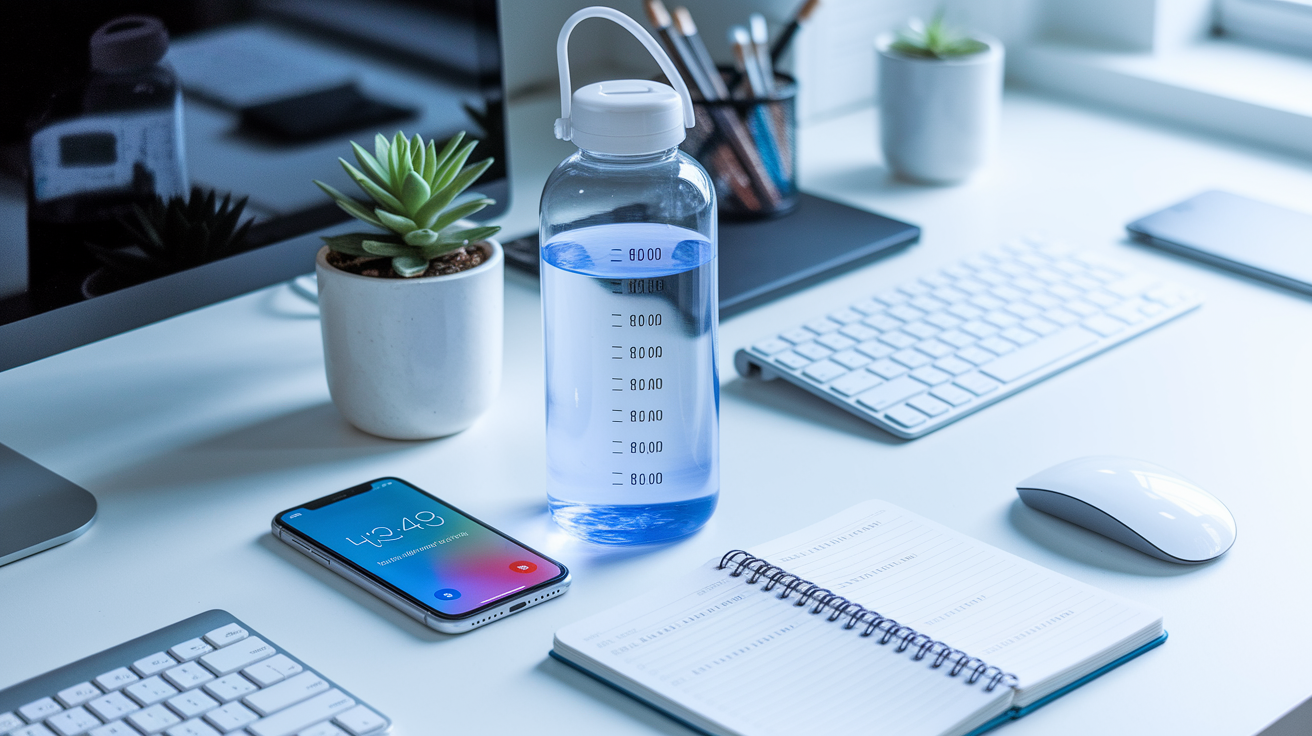
General guidelines give you a starting point. Men need about 124 ounces per day, roughly 15.5 cups. Women need about 92 ounces per day, or 11.5 cups. Those numbers include all fluids, not just water. About 20% typically comes from food like fruits, vegetables, and soups.
Children’s needs scale with body weight. A rough rule is 0.5 ounces per pound. So a 60-pound child should aim for about 30 ounces of fluid per day. Adjust up for heat, activity, or illness.
These are baselines. If you exercise, work outdoors, live in a hot climate, or sweat a lot, you’ll need more. The best way to know if you’re hitting your target is to check your hydration status at home.
Simple at-home hydration checks:
- Urine color: aim for pale yellow throughout the day
- Urine frequency: you should urinate every 2–4 hours during the day
- Skin pinch test: skin should snap back quickly after pinching
- Thirst and mouth moisture: you shouldn’t feel constantly thirsty or have a persistently dry mouth
If you’re consistently missing the mark on these checks, increase your fluid intake by one or two extra glasses per day and reassess after a few days. Carry a water bottle, set reminders on your phone, or link drinking to routine activities like meals and snack breaks. Small, consistent habits add up.
Final Words
You can spot dehydration early by noting dry mouth, darker urine, headaches, light dizziness, and low energy. Use urine color and output, skin and eye changes, and simple checks for kids or older adults to tell if you’re losing fluids.
Know the difference between mild and severe signs and when to get help. Try small, steady sips and an electrolyte option if you need it.
A quick habit: check your urine color and how you feel midday — it’s a practical way to practice how to tell if you’re dehydrated beyond thirst. You’ve got this.
FAQ
Q: How do I know if I’m dehydrated if I’m not thirsty?
A: If you’re not thirsty, you may still be dehydrated if you notice dry mouth, darker urine, fewer bathroom trips, mild headache, light dizziness, or low energy — these show fluid loss before thirst.
Q: What is the 10 gulp rule?
A: The 10 gulp rule is a quick rehydration habit: take about ten small gulps of water, pause, then reassess how you feel before more. It helps rehydrate slowly without overloading.
Q: What is the first symptom of dehydration besides thirst?
A: The first symptom besides thirst is usually a dry mouth, which often appears before other signs like darker urine or light dizziness and is an easy cue to sip fluids.
Q: What are the 7 signs of dehydration?
A: The seven signs of dehydration are dry mouth, darker urine, reduced urine output, headache, light dizziness, mild fatigue, and dry or sunken-looking eyes.