

Is your headache just dehydration or a full-blown migraine?
It matters, because the fix can be as simple as water, or it may need medication and quiet rest.
Dehydration headaches often feel like a dull, spread-out pressure that eases after you drink.
Migraines tend to throb on one side and bring nausea, light sensitivity, and longer-lasting pain.
This post breaks down the key symptom differences—what they feel like, how long they last, and the first things to try so you can take the right next step.
Key Differences Between Dehydration Headaches and Migraines
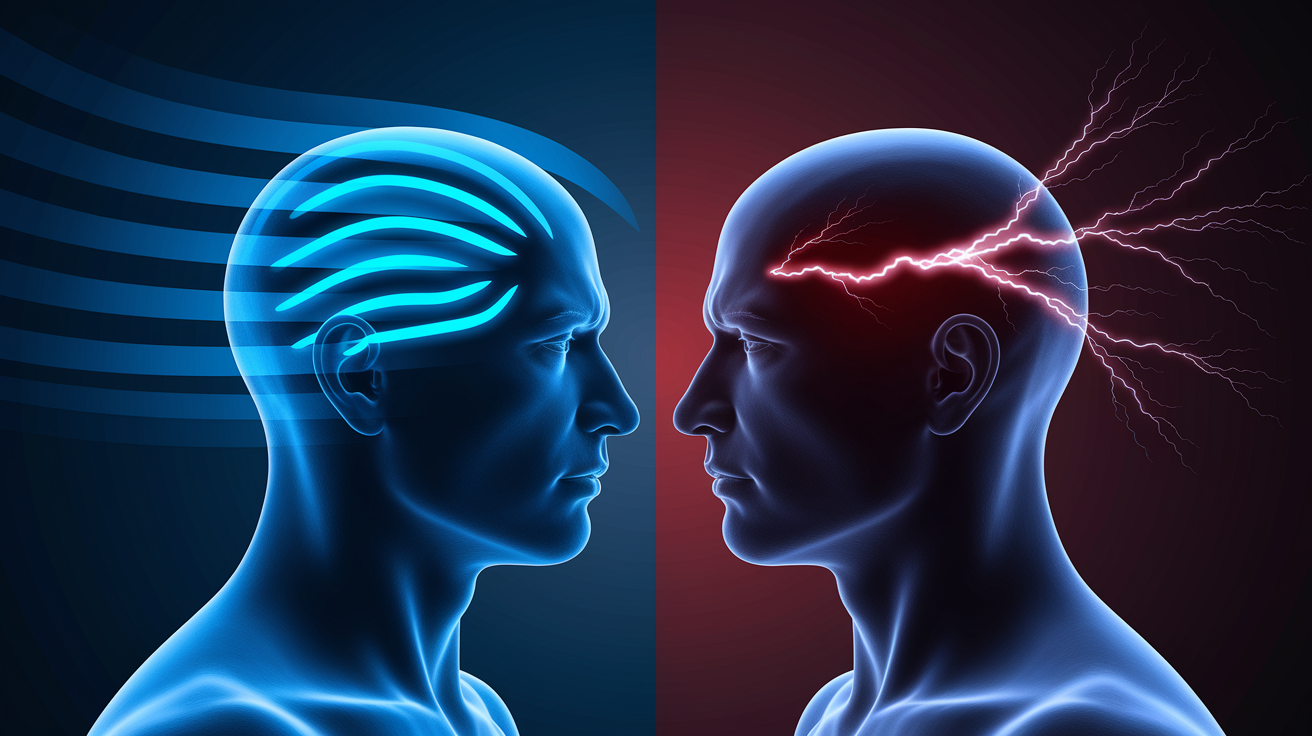
This section helps you quickly differentiate between dehydration headaches and migraines by comparing symptoms, intensity, how long they last, and how well they respond to basic treatment. The goal? Give you a clear snapshot so you can make a more informed next step when your head hurts.
Dehydration headaches usually feel dull and spread across the whole head. They tend to ease up once you start drinking water. Migraines often bring throbbing pain on one side of your head, along with nausea and sensitivity to light or sound. And they don’t go away just because you had a glass of water.
| Feature | Dehydration Headache | Migraine | Notes |
|---|---|---|---|
| Pain quality | Dull, generalized pressure | Throbbing or pulsating, often one-sided | Migraines feel more intense and rhythmic |
| Duration | Often resolves within hours after rehydration | 4–72 hours if untreated | Dehydration headaches clear faster when fluids are replaced |
| Intensity | Mild to moderate | Moderate to severe | Migraines can be disabling |
| Accompanying symptoms | Thirst, dry mouth, dark urine, fatigue | Nausea, vomiting, light and sound sensitivity, possible visual aura | Migraine symptoms are more neurological |
| Response to hydration | Improves quickly with water and electrolytes | Rarely improves with fluids alone; usually requires medication | Hydration is a supportive measure for migraines, not a cure |
Symptoms of Dehydration Headaches
Dehydration headaches typically feel like a steady ache or pressure on both sides of your head. The pain’s usually mild to moderate. It can get worse when you move around, bend over, or turn your head from side to side.
You’ll often notice other signs that your body’s short on fluids. Common clues include:
- Thirst or a parched feeling in your mouth
- Dry or cracked lips
- Dark yellow or amber-colored urine
- Decreased urination or not peeing as often as usual
- Fatigue, lightheadedness, or muscle cramps
If you’re dealing with a dehydration headache, drinking water or an electrolyte solution is usually your next best step. The pain often improves within a few hours once your hydration catches up.
Symptoms of Migraines

Migraines bring a different set of sensations. The pain’s usually throbbing or pulsating, and it tends to hit one side of your head harder than the other. Though it can affect both sides. Intensity ranges from moderate to severe, and routine activities like walking or climbing stairs often make it worse.
You might also experience nausea, vomiting, or a strong aversion to bright lights and loud sounds. Some people notice an aura before the headache starts. Flashing lights, zigzag lines, or temporary blind spots in their vision. Think of it like a warning signal that a migraine’s on the way.
Key migraine indicators include:
- Throbbing, pulsing pain on one or both sides of the head
- Moderate to severe intensity that disrupts daily tasks
- Nausea or vomiting
- Sensitivity to light (photophobia) and sound (phonophobia)
- Visual aura or sensory disturbances before the headache
- Pain that worsens with physical activity
Unlike a dehydration headache, a migraine doesn’t improve just because you drank a glass of water. It often requires specific medication and rest in a dark, quiet room.
Comparison: Dehydration Headache vs Migraine
When you’re trying to figure out which type of headache you’re dealing with, focus on intensity, location, and what helps. Migraines are typically more disabling, come with neurological symptoms like aura or severe light sensitivity, and don’t clear up with hydration alone. Dehydration headaches tend to be milder. They feel more like pressure than pulsing, and they improve once you replace fluids.
Here are six concise difference points:
- Pain pattern. Dehydration headaches are dull and generalized. Migraines are throbbing and often one-sided.
- Duration. Dehydration headaches resolve within hours after rehydration. Migraines last 4–72 hours without treatment.
- Intensity. Dehydration headaches are mild to moderate. Migraines are moderate to severe and can be disabling.
- Accompanying symptoms. Dehydration brings thirst, dry mouth, and dark urine. Migraines bring nausea, vomiting, and light or sound sensitivity.
- Response to fluids. Dehydration headaches improve with water and electrolytes. Migraines rarely do.
- Triggers. Dehydration headaches are tied to fluid loss. Migraines are triggered by hormonal shifts, stress, sleep disruption, and certain foods or sensory stimuli.
Causes and Triggers

Dehydration headaches happen when your body loses more water than it takes in. Common causes? Not drinking enough throughout the day, sweating heavily in hot weather or during exercise, vomiting or diarrhea from illness, and taking medications that increase urination (diuretics). Heat exposure and high altitude can also speed up fluid loss.
Migraines are triggered by a mix of factors that vary from person to person. Hormonal changes during menstrual cycles, sleep disruption, high stress, strong smells, bright or flickering lights, and certain foods or drinks (like aged cheese, alcohol, or caffeine) can all set off an attack. Dehydration can also act as one trigger in a stack. Meaning it might combine with stress or lack of sleep to push you over the threshold into a migraine.
Treatment Options for Each Type of Headache
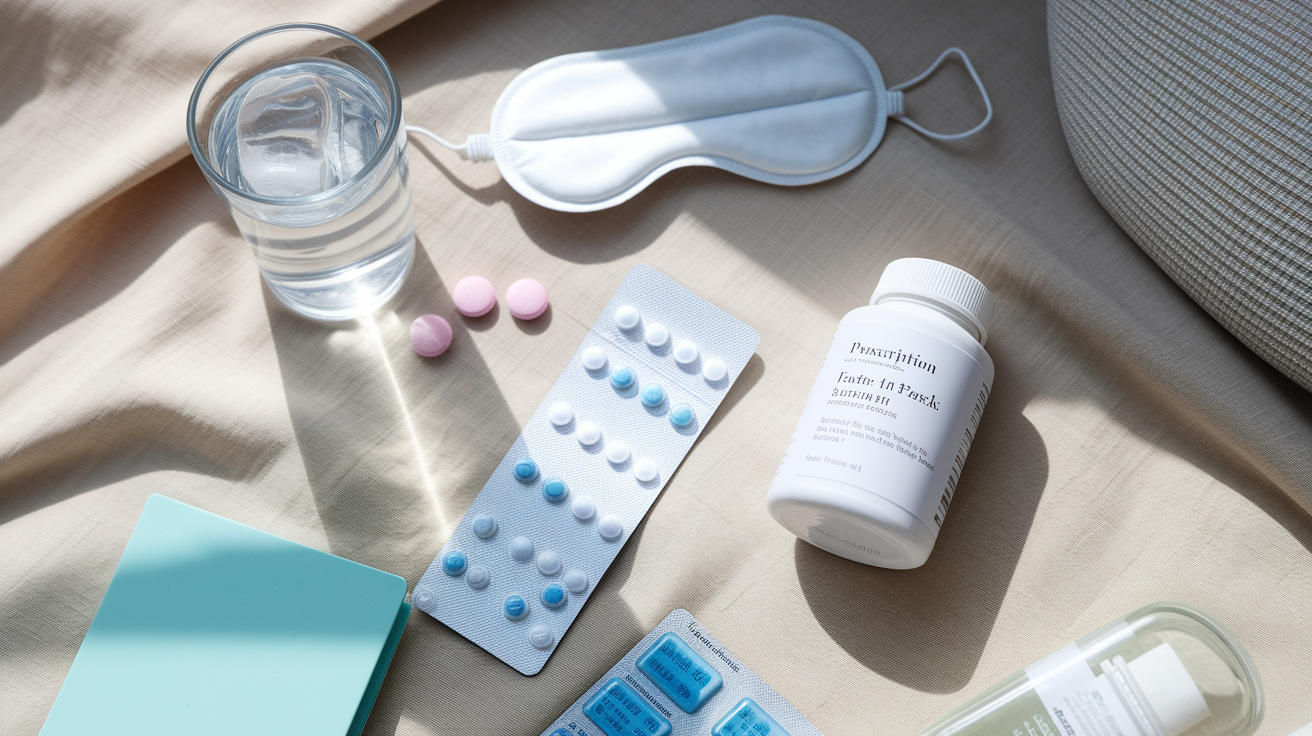
Dehydration headaches respond well to fluids. Start by drinking 3–4 cups of water over the course of 10 to 15 minutes, then continue sipping throughout the day. If you’ve been sweating heavily or dealing with vomiting or diarrhea, an electrolyte drink can help replace sodium, potassium, and other minerals your body lost. Severe dehydration may require medical evaluation and IV fluids.
Migraines usually need more targeted treatment. Over-the-counter pain relievers like ibuprofen or aspirin can help if taken early, but many people rely on prescription medications called triptans that are designed specifically for migraines. Antiemetics can reduce nausea. Resting in a dark, quiet room often eases symptoms. If migraines are frequent or severe, your doctor may recommend preventive medications or other therapies.
Here are five practical treatment examples:
- Drinking water or electrolyte solutions for dehydration headaches
- Taking ibuprofen or aspirin at the first sign of a migraine
- Using a prescription triptan for moderate to severe migraine attacks
- Resting in a dark, quiet room to reduce sensory overload during a migraine
- Receiving IV fluids at an urgent care clinic for severe dehydration that doesn’t improve with oral intake
Prevention Strategies

Consistent hydration throughout the day is the simplest way to prevent dehydration headaches. Aim for about 8 cups of water daily as a baseline, and adjust upward if you’re exercising, spending time in the heat, or taking medications that increase urine output. Monitor your urine color. Pale yellow’s a good sign.
For migraines, prevention involves identifying and managing your personal triggers. Stick to a regular sleep schedule, find ways to reduce stress, and keep a headache diary to spot patterns. Some people benefit from preventive medications if attacks are frequent. Here are six prevention tips that cover both conditions:
- Drink water consistently throughout the day, not just when you’re thirsty.
- Wear sunscreen and light-colored clothing in hot weather to reduce fluid loss.
- Keep a regular sleep schedule and aim for 7–8 hours per night.
- Track your headaches and potential triggers in a simple log or app.
- Limit caffeine and alcohol, both of which can contribute to dehydration and migraine risk.
- Talk to your doctor about preventive options if headaches are frequent or disabling.
When to Seek Medical Care

Seek medical attention if your headache is sudden and severe, especially if it’s the worst headache you’ve ever had. Other red flags include confusion, slurred speech, vision loss, weakness on one side of your body, fainting, or a headache that doesn’t improve after rehydration and rest. These signs may point to a serious condition that needs urgent evaluation.
If you’re experiencing frequent migraines that interfere with work, school, or daily life, or if over-the-counter treatments aren’t helping, it’s time to see a doctor. Chronic migraines often require prescription therapy, and early intervention can prevent the pattern from worsening. Don’t wait until the pain becomes unmanageable.
Final Words
You can tell if a head pain is more likely a dehydration headache or a migraine by checking a few clear signs: where it hurts, how it feels, how long it lasts, and whether fluids or meds help.
We covered symptoms, triggers, treatments, prevention, and when to see a doctor. Try simple steps first: sip water or an electrolyte, rest in a dark quiet spot, track triggers, and ask your clinician if headaches are sudden or severe.
Use this quick frame—dehydration headache vs migraine—to pick what to try first. Small steps can really help.
FAQ
Q: Am I dehydrated or do I have a migraine? What is a dehydration headache like?
A: If you’re wondering whether you’re dehydrated or have a migraine, a dehydration headache feels dull and bilateral, comes with thirst, dry mouth, dark urine, and usually improves after drinking fluids.
Q: What are the 5 C’s to avoid migraines?
A: The 5 C’s to avoid migraines are caffeine, cheese (aged), chocolate, changes in sleep or routine, and chemicals or strong smells; limiting these common triggers can lower attack frequency.
Q: Does drinking lots of water help migraines?
A: Drinking lots of water can help migraines when dehydration is the trigger, but it won’t stop most classic migraines; try fluids first, and use medication or see a doctor if pain is severe.