
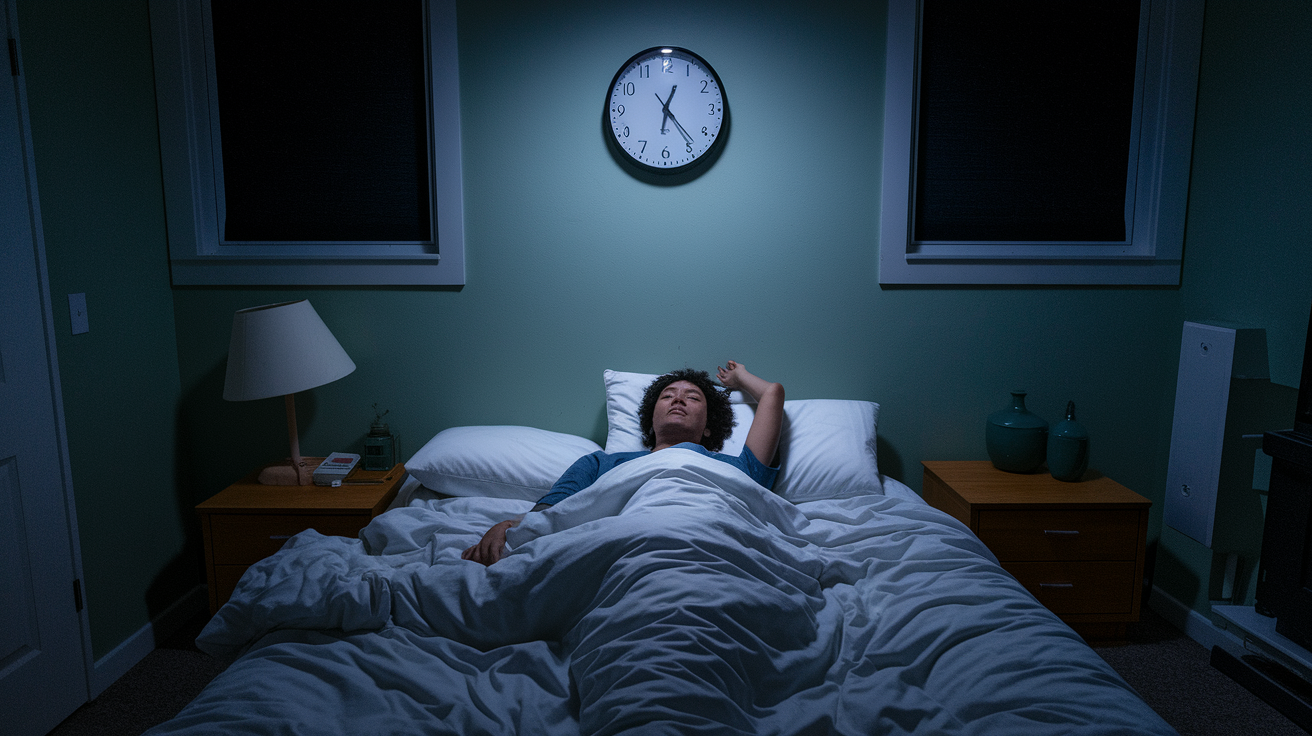
Tired of staring at the ceiling night after night?
You’re not imagining it—small daily habits can cut through the noisy advice.
Sleep hygiene is the everyday routine and bedroom tweaks that help your internal clock (circadian rhythm) and sleep pressure work together.
Try a steady wake time, a 30 to 60 minute wind-down, dim lights after sunset, and sensible timing for caffeine and meals.
This post gives clear, doable steps you can start tonight and a simple 3–7 day plan to actually improve your nights.
Core Sleep Hygiene Essentials for Quick Improvement
Sleep hygiene is just a set of daily habits and environmental tweaks that support your body’s natural sleep wake cycle. When you keep a steady wake time, limit late night stimulation, and create a calm bedroom, you’re helping two internal systems work better: your circadian rhythm (the 24 hour clock that signals when to sleep and wake) and your homeostatic sleep drive (the biological pressure that builds the longer you’re awake). These habits won’t cure a sleep disorder. But they give your body the best chance to fall asleep faster, stay asleep longer, and wake up feeling rested.
The most effective sleep hygiene practices target consistency, environment, and timing. Small adjustments to when you go to bed, how you spend the hour before sleep, and what you expose yourself to during the day can make a noticeable difference within a few nights. Think of sleep hygiene as the foundation. Without it, even medical treatments have a harder time working.
- Wake up at the same time every day, including weekends
- Start a 30 to 60 minute wind down routine before bed
- Stop using phones, tablets, and screens at least one hour before sleep
- Keep your bedroom cool (around 65 to 68°F), dark, and quiet
- Avoid caffeine, large meals, and alcohol in the hours before bed
- Use your bed only for sleep and sex to strengthen the sleep bed connection
Establishing a Consistent Sleep Schedule for Better Sleep

A fixed wake time is the single most powerful lever for stabilizing your circadian rhythm. When you get up at the same hour every morning (even after a terrible night), your brain receives a reliable signal to time the release of melatonin (the sleep hormone) about 14 to 16 hours later. That consistency trains your body to feel sleepy at a predictable bedtime. Sleeping in after a rough night might feel like recovery, but it actually weakens your sleep drive for the next evening and pushes your internal clock later.
To set your schedule, pick a wake time you can keep seven days a week and calculate backward to give yourself a 7 to 9 hour sleep window. If you need to shift your current bedtime earlier, move it in small steps. 15 to 30 minutes every few nights, rather than jumping ahead by two hours all at once. Gradual changes let your body adjust without triggering the “I’m wide awake at my new bedtime” frustration. Avoid the snooze button. Each snooze cycle starts a new sleep phase your body can’t finish, leaving you groggier.
| Wake Time Strategy | Purpose |
|---|---|
| Same wake time daily (± 20 minutes) | Anchors circadian rhythm and melatonin release timing |
| Gradual bedtime shifts (15–30 min increments) | Prevents mismatch between desired schedule and current sleep drive |
| Avoid weekend sleep ins | Maintains consistent sleep pressure, reduces Monday morning grogginess |
| Skip the snooze button | Prevents fragmented, low quality sleep cycles at the end of the night |
Building a Relaxing Bedtime Routine to Support Sleep Hygiene

A consistent wind down routine signals your brain that sleep is coming. Aim for 30 to 60 minutes of calm, low stimulation activities. Reading a paper book, doing gentle stretches, listening to soft music, or meditating. These activities reduce mental and physical arousal, making the shift from wakefulness to sleep feel natural instead of jarring. Think of it as a bridge: you’re moving from “day mode” to “sleep mode” in a way that your nervous system can follow.
A warm bath or shower about an hour before bed works especially well because your core body temperature drops afterward, mimicking the natural temperature dip that happens as you fall asleep. Deep, paced breathing (inhale for four counts, exhale for six) activates the parasympathetic nervous system and lowers heart rate. Even five minutes of slow breathing can reduce the wired feeling that keeps you staring at the ceiling.
If you’re still awake after about 20 minutes in bed, get up and do something quiet and boring in low light until you feel drowsy, then return to bed. This is called the 20 minute rule, and it preserves the mental link between your bed and sleep. When you lie in bed frustrated and alert, you train your brain to associate the bed with wakefulness. Leaving the room breaks that pattern.
- Read a paper book or magazine (nothing too suspenseful)
- Try progressive muscle relaxation: tense and release each muscle group from toes to head
- Listen to a calm playlist, nature sounds, or a sleep meditation
- Take a warm bath or shower 60 minutes before your target bedtime
- Write down tomorrow’s to do list to offload mental clutter
Sleep Environment Optimization for Better Sleep Quality
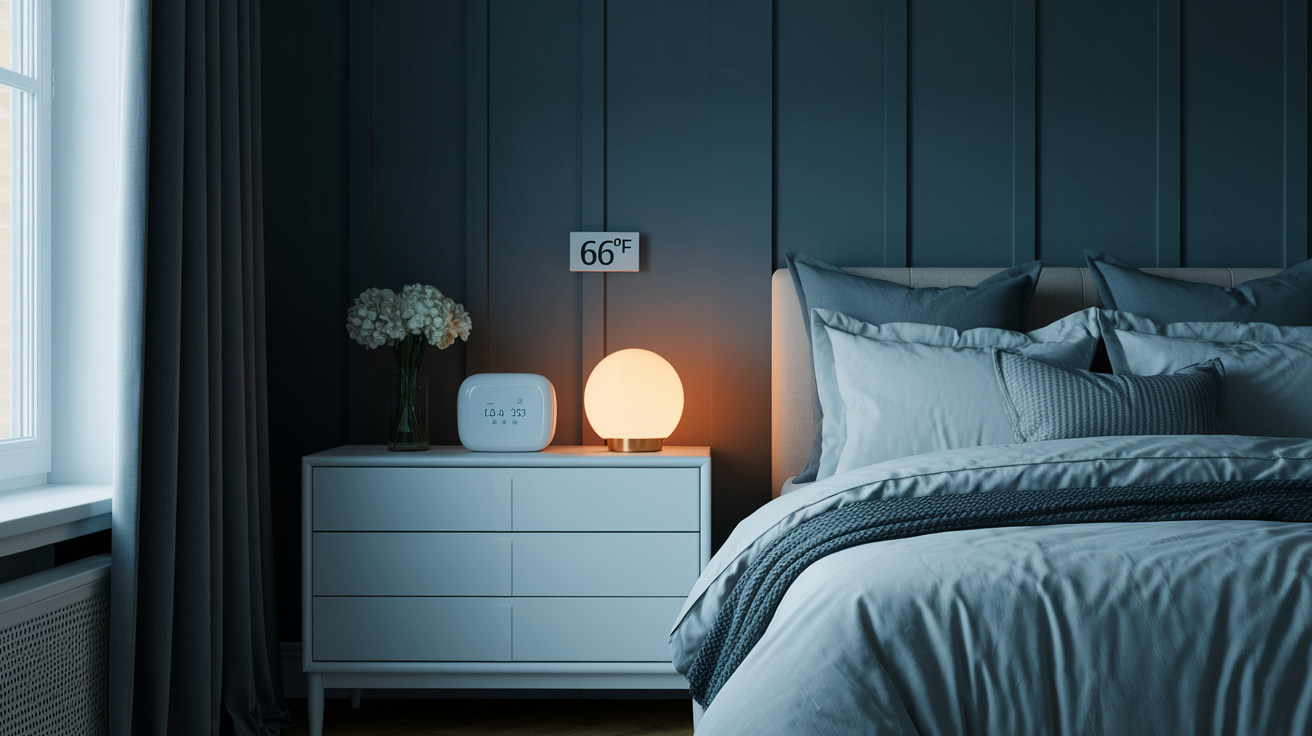
Your bedroom should feel like a sleep sanctuary. Cool, dark, and quiet. Most people sleep best when the room temperature sits around 65 to 68 degrees Fahrenheit. A room that’s too warm can prevent the natural drop in core body temperature your body needs to stay asleep. If you wake up sweaty or kick off blankets in the middle of the night, your room is probably too hot. If you’re shivering under the covers, nudge the thermostat up a degree or two and adjust your bedding instead.
Darkness is just as important. Even small amounts of light (from a streetlamp, a digital clock, or a charging phone) can suppress melatonin and signal your brain that it’s not quite time to sleep. Blackout curtains are the simplest fix. If you rent or can’t install curtains, a comfortable eye mask works well. For noise, white noise machines, box fans, or earplugs can mask unpredictable sounds like traffic or a snoring partner. Consistent background sound is easier for your brain to tune out than intermittent disruptions.
Bedding and Comfort Essentials
Your mattress and pillow should support your body in a neutral spine position. Not too firm, not too soft. If your mattress is sagging, older than ten years, or leaves you achy in the morning, it’s time to replace it. Pillow loft matters too: side sleepers usually need a thicker pillow to fill the gap between the shoulder and head, back sleepers do better with medium loft, stomach sleepers (though it’s hard on the neck) need a thinner, softer pillow.
Choose sheets and blankets that match your temperature preferences. Breathable cotton or linen works well if you run warm. Flannel or a light duvet helps if you tend to get cold. Weighted blankets (typically 10 percent of your body weight) provide gentle pressure that some people find calming, though they’re not for everyone. Test changes one at a time so you know what actually helps.
Managing Light Exposure to Strengthen Sleep Hygiene

Light is the most powerful external cue for your circadian rhythm. Morning sunlight (at least 30 minutes of outdoor exposure within an hour or two of waking) tells your brain it’s daytime and helps set the clock for melatonin release later. You don’t need to stare at the sun. A walk outside, sitting near a window during breakfast, or even standing on your porch works. Cloudy days still provide enough light intensity to be useful.
In the evening, dim your lights and switch to warm toned bulbs after sunset. Blue rich light from overhead LEDs and screens suppresses melatonin more than softer, amber light. That suppression shifts your internal clock later and makes it harder to feel sleepy at your target bedtime. A device free buffer of 30 to 60 minutes before bed gives melatonin time to rise naturally. If you must use a screen late, enable night mode or wear blue light blocking glasses, though putting the device away entirely is more effective.
- Get outside for at least 30 minutes in the morning, ideally before 10 a.m.
- Dim indoor lights after sunset, use table lamps instead of bright overhead fixtures
- Set your phone and computer to night mode (warmer color temperature) starting two hours before bed
- Stop all screen use 30 to 60 minutes before your target sleep time
Dietary and Substance Related Sleep Hygiene Practices
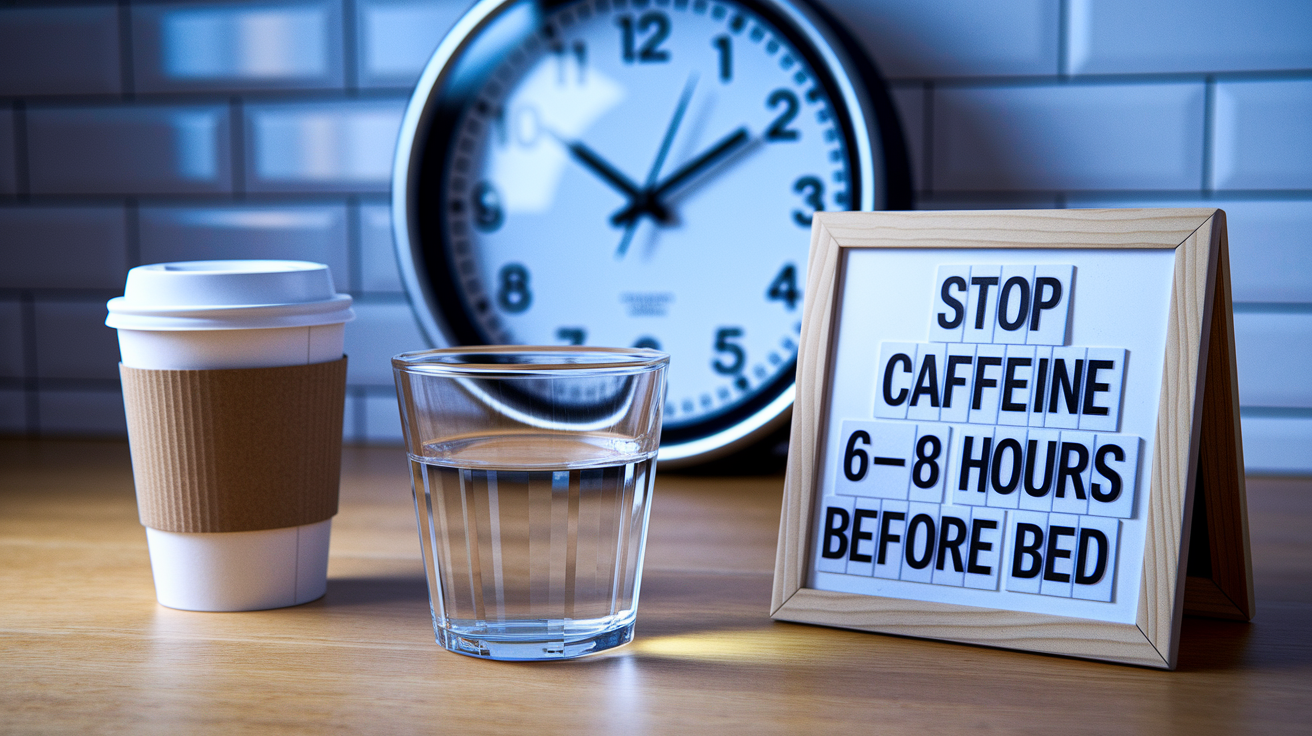
What you eat and drink (and when) affects how easily you fall asleep and how well you stay asleep. Caffeine is a stimulant that blocks adenosine receptors in your brain, the same receptors that build sleep pressure throughout the day. Its effects can last six to eight hours, so a 3 p.m. coffee might still be active at bedtime. If you’re sensitive to caffeine or have trouble falling asleep, move your cutoff earlier. Some people need to stop by noon.
Alcohol might make you drowsy at first, but it disrupts the second half of the night. It reduces time spent in deep sleep and REM sleep, the stages that restore your body and consolidate memory. You wake up more often, even if you don’t fully remember it, and the sleep you get is lighter and less restorative. One glass of wine with dinner is less disruptive than a nightcap right before bed, but if sleep quality is an issue, try a week without evening alcohol and see how you feel.
Large, heavy, or spicy meals close to bedtime force your digestive system to work hard when your body is trying to wind down. Stomach emptying takes about three to four hours, and lying down with a full stomach can trigger reflux or discomfort. Nicotine is another stimulant. Smoking or vaping before bed increases heart rate and alertness, making it harder to fall asleep and lowering overall sleep quality.
| Item | Timing Rule | How It Affects Sleep |
|---|---|---|
| Caffeine (coffee, tea, soda, chocolate) | Stop 6–8 hours before bedtime | Blocks adenosine, keeps you alert and delays sleep onset |
| Alcohol | Avoid within 3–4 hours of bed | Fragments sleep, reduces deep and REM stages |
| Large or spicy meals | Finish 3–4 hours before bed | Slows digestion, can cause reflux or discomfort when lying down |
| Nicotine | Avoid before bed (ideally quit) | Stimulant effect increases heart rate and alertness |
Exercise Timing and Daily Movement to Improve Sleep Hygiene

Regular physical activity improves sleep quality, but the benefits build over weeks rather than showing up overnight. Even a daily 10 minute walk can make a measurable difference. Exercise increases the amount of deep sleep you get (the stage that helps your body recover physically), and it also raises your overall sleep drive, making you feel more naturally tired at bedtime.
Timing matters. Vigorous exercise raises cortisol and core body temperature, both of which promote alertness. Finishing a hard workout within three hours of bedtime can leave you feeling wired when you want to wind down. Morning or early afternoon exercise offers a bonus: outdoor movement in daylight reinforces your circadian rhythm. If evening is your only option, keep it moderate (a walk, gentle yoga, or stretching) and leave at least a couple of hours before you try to sleep.
- Aim for at least 10 minutes of movement most days, more is better for sleep quality
- Schedule intense workouts (running, HIIT, heavy lifting) earlier in the day when possible
- If you exercise at night, finish at least 3 hours before bed and keep intensity moderate
Napping Guidelines to Support Sleep Hygiene
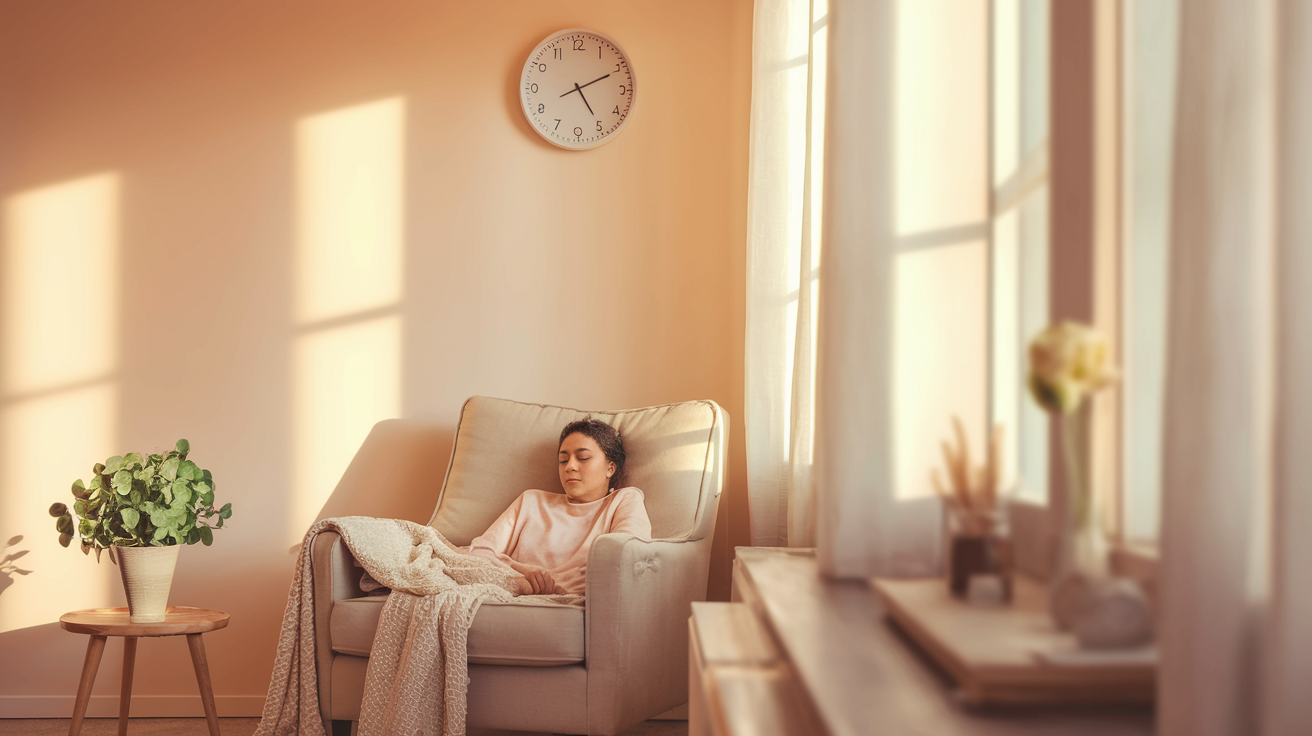
A short power nap (20 to 25 minutes) can boost mood and alertness without interfering with nighttime sleep. The key is keeping it brief and early. Longer naps or late afternoon naps reduce your homeostatic sleep drive, the biological pressure that helps you fall asleep at night. If you nap for an hour at 4 p.m., you’ll have less sleep pressure at 10 p.m., and falling asleep becomes harder.
If you’re struggling with nighttime insomnia or trouble falling asleep, skip naps entirely for a week or two and see if your nights improve. For people who sleep well at night, a short early afternoon nap is fine and won’t cause problems. Just set an alarm. It’s easy to drift past 25 minutes and wake up groggy from entering deeper sleep stages.
- Limit naps to 20–25 minutes to avoid grogginess and protect nighttime sleep drive
- Nap before 3 p.m., late naps push your bedtime later
- If you have chronic trouble falling asleep at night, avoid naps for one to two weeks and reassess
Stimulus Control and Behavioral Sleep Hygiene Techniques
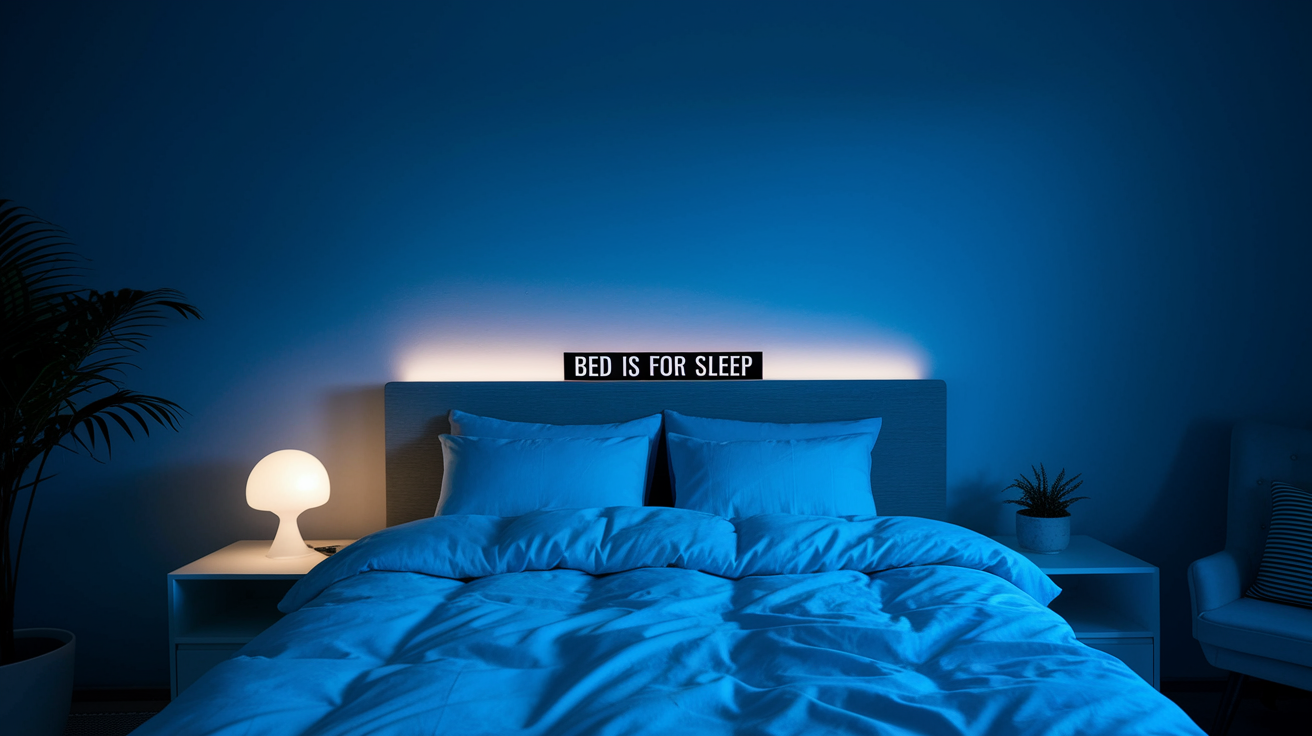
Your brain learns associations. If you consistently work, scroll, watch TV, or argue in bed, your brain starts to link the bed with alertness and stress instead of sleep. Stimulus control means reserving your bed for only two activities: sleep and sex. Everything else (reading, working, worrying) happens somewhere else. This simple rule strengthens the mental connection between bed and sleep, so when you lie down, your brain gets a clear signal that it’s time to rest.
If you’re not asleep within about 20 minutes, the stimulus control approach says to get out of bed. Lying there awake and frustrated teaches your brain that the bed is a place where you lie awake and feel frustrated. Instead, move to another room, do something calm and unstimulating in dim light (fold laundry, read something boring, stretch gently), and return to bed only when you feel drowsy. Repeat as many times as needed. It feels counterintuitive at first, but it works.
The 20 Minute Reset Technique
The 20 minute rule is a behavioral reset. You’re not watching the clock. The goal is to notice when you’ve been lying there long enough to feel anxious or annoyed. When that happens, get up. Choose an activity that’s boring enough that you won’t get absorbed. Don’t start a new Netflix series or dive into social media. Read a magazine you’ve already flipped through, write in a journal, or sit in a chair and do slow breathing. Low light is key. Bright light will wake you up more.
When your eyelids start to feel heavy or you catch yourself zoning out, head back to bed. You’re retraining your brain: bed equals sleep, not wakeful worry. Some people need to do this two or three times in one night at first. That’s normal. Stick with it for a week or two, and the association will shift. You’ll start falling asleep faster because your brain has learned what the bed is for.
Relaxation Techniques to Add to Your Sleep Hygiene Routine

Relaxation practices reduce physical tension and mental arousal, two common barriers to falling asleep. You don’t need a perfect meditation practice or an hour long yoga session. Even five minutes of intentional calm can help. The goal is to interrupt the cycle of lying in bed with your mind racing or your muscles tight. When your body and brain are calm, sleep comes more easily.
- Paced breathing: Inhale slowly for four counts, exhale for six. Repeat for five minutes. Longer exhales activate the parasympathetic (rest and digest) nervous system.
- Progressive muscle relaxation: Starting at your toes, tense each muscle group for five seconds, then release. Work your way up to your head. This helps you notice and release tension you didn’t know you were holding.
- Guided imagery: Picture a calm, safe place in detail. A quiet beach, a forest path. Engage all your senses: what do you hear, smell, feel? This redirects your mind away from worry.
- Worry journaling: Spend five minutes before bed writing down anything on your mind (tasks, concerns, random thoughts). Getting it on paper helps your brain let go of the mental loop.
- Lavender scent: A 2013 study found that lavender has mild calming effects on the nervous system. A drop of essential oil on your pillowcase or a lavender sachet near your bed might help, though results vary by person.
Tracking and Evaluating Sleep Hygiene Progress
Tracking your sleep helps you see patterns you’d otherwise miss. You don’t need a fancy app or wearable. A simple notebook works. Each morning, jot down what time you got into bed, roughly how long it took to fall asleep, how many times you woke up, what time you got up, and how rested you feel. After a week or two, you’ll start to see connections: “I always sleep worse the nights I have coffee after 2 p.m.” or “I fall asleep faster when I take a walk in the morning.”
Focus on a few key metrics. Sleep onset latency is how long it takes you to fall asleep after getting into bed. Under 20 minutes is the goal. Total sleep time should land in the 7 to 9 hour range for most adults. Wake after sleep onset tracks how much time you spend awake during the night after you’ve fallen asleep. Frequent, long awakenings are a sign to revisit your sleep hygiene checklist. Track your wind down routine, screen cutoff time, bedroom temperature, and any caffeine or alcohol to identify what moves the needle.
| Metric | Target | Purpose |
|---|---|---|
| Sleep onset latency | Under 20 minutes | Measures how quickly you fall asleep, shorter is better |
| Total sleep time | 7–9 hours | Ensures adequate sleep duration for recovery and health |
| Wake after sleep onset | Minimal (brief, infrequent) | Tracks nighttime awakenings, frequent waking indicates disrupted sleep |
| Consistency (wake time variance) | ± 20 minutes daily | Stabilizes circadian rhythm and sleep drive |
When Sleep Hygiene Isn’t Enough: Recognizing When to Seek Help
Sleep hygiene builds a strong foundation, but it’s not a cure for sleep disorders. If you’ve followed these practices consistently for three to four weeks and you’re still struggling to fall asleep, stay asleep, or feel rested during the day, it’s time to talk to a healthcare provider. Persistent insomnia, excessive daytime sleepiness, loud snoring with pauses in breathing, or restless legs that keep you awake at night can all point to underlying conditions that need medical evaluation and treatment.
Sleep hygiene improves your odds of good sleep, but it can’t fix obstructive sleep apnea, restless leg syndrome, or chronic insomnia driven by anxiety or medical issues. A sleep specialist can run tests, review your history, and recommend treatments (cognitive behavioral therapy for insomnia, a CPAP machine, medication adjustments, or other interventions) that target the root cause. Don’t wait months hoping things will improve on their own.
- You’ve practiced solid sleep hygiene for a month and still can’t fall asleep or stay asleep most nights
- You feel excessively sleepy during the day despite spending enough time in bed
- Your partner notices loud snoring, gasping, or pauses in your breathing while you sleep (possible sleep apnea)
Final Words
You’ve got the essentials—what sleep hygiene is, why your circadian rhythm and a wind-down matter, and the top habits that move the needle fast.
Pick one small change to try tonight: set a steady wake time, switch off screens 30–60 minutes before bed, or cool the room a bit. Keep it simple and repeatable.
Use these sleep hygiene practices for better sleep and track progress for a week. Small, steady steps add up.
FAQ
Q: What is sleep hygiene and why does it matter?
A: Sleep hygiene is the set of daily habits that help your body fall asleep, stay asleep, and wake more refreshed by supporting your circadian rhythm and building sleep pressure overnight.
Q: What are the top sleep hygiene habits to start with?
A: The top sleep hygiene habits to start are a consistent wake time, regular bedtime, 30–60 minute wind-down, dim evening lighting, stop caffeine six hours before bed, and a cool dark quiet bedroom.
Q: How does a consistent wake time help sleep?
A: A consistent wake time helps by anchoring your circadian rhythm, timing melatonin release, and making it easier to fall asleep at night—even on weekends.
Q: How should I set my bedtime to get 7–9 hours of sleep?
A: To set bedtime for 7–9 hours, subtract your desired sleep length from your wake time, then shift sleep times gradually—aim for 15–30 minute steps until the schedule feels stable.
Q: What should a bedtime routine include?
A: A bedtime routine is a 30–60 minute wind-down with low-stimulation activities like reading, light stretching, soft music, or a warm bath to cue sleepiness and lower arousal before bed.
Q: What is the 20-minute rule for falling asleep?
A: The 20-minute rule says: if you can’t fall asleep after about 20 minutes, leave bed, do a quiet relaxing activity, and return only when you feel sleepy to protect the sleep–bed link.
Q: How should I set up my bedroom for better sleep?
A: Set up your bedroom by keeping it cool (about 65–68°F), dark with blackout curtains, quiet (earplugs or white noise), and using a supportive mattress and breathable bedding for comfort.
Q: How does light exposure affect my sleep?
A: Light exposure affects sleep by shifting your circadian clock—get about 30 minutes of morning daylight, dim lights after sunset, and avoid screens 30–60 minutes before bed to protect melatonin.
Q: What dietary and substance rules help sleep?
A: Diet and substances affect sleep: stop caffeine about six hours before bed, avoid large meals three to four hours before sleep, limit alcohol, and skip nicotine close to bedtime.
Q: When should I avoid exercising before bed?
A: Avoid vigorous exercise within three hours of bedtime because it raises alertness and cortisol; aim for morning or early afternoon workouts, with gentle evening movement if needed.
Q: How long and when should I nap?
A: Power naps should be 20–25 minutes and taken early in the afternoon; avoid late or long naps because they can reduce nighttime sleep drive and delay falling asleep.
Q: What is stimulus control and how does it help sleep?
A: Stimulus control means using the bed only for sleep and sex, avoiding work or screens in bed, and leaving after 20 minutes awake to retrain your brain to associate bed with sleep.
Q: What relaxation techniques work before bed?
A: Effective pre-sleep relaxation options include paced breathing, progressive muscle relaxation, guided imagery, short worry journaling, or lavender scent to reduce arousal and ease transition to sleep.
Q: How can I track and evaluate my sleep progress?
A: Track sleep progress by noting sleep onset latency, total sleep time (aim 7–9 hours), wake after sleep onset, and consistency; record for 1–2 weeks to spot patterns and small wins.
Q: When should I see a clinician about sleep problems?
A: See a clinician if sleep problems persist despite good habits, you’re very sleepy during the day, or you have loud snoring, gasping, or breathing pauses that suggest sleep apnea.