
What if fixing your gut lining was less about strict plans and more about a few foods that actually rebuild the wall between you and the mess inside?
If your belly is bloated, gassy, or you get energy crashes after meals, you’re not imagining it.
Three food groups—collagen-rich (bone broth, gelatin), fermented (kefir, sauerkraut), and omega-3-rich fish and seeds—target the real culprits: gaps in the gut lining, low good bacteria, and ongoing low-level inflammation.
Eat them regularly and you can start to soothe, seal, and restore digestive health in a few weeks.
High‑Impact Foods That Directly Repair the Gut Lining
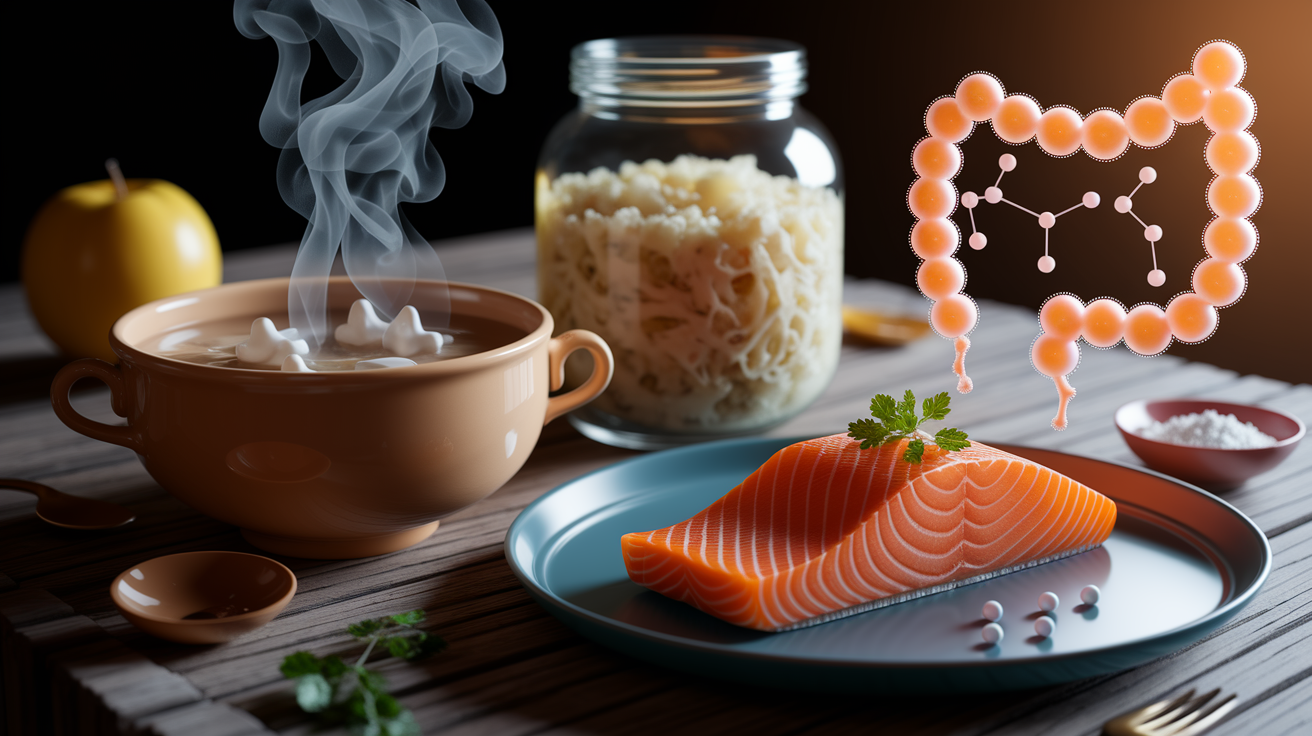
Three food categories stand out when you’re trying to repair an inflamed or permeable gut lining: collagen rich foods, fermented foods, and omega‑3 foods. They work faster than general “healthy eating” because they target the specific mechanisms behind intestinal barrier breakdown. Weak tight junctions, low microbial diversity, and chronic low grade inflammation.
Collagen peptides from bone broth bind to and stabilize the tight junction proteins that seal the spaces between intestinal cells. A 2017 study found that low molecular weight collagen fractions at 2 mg per milliliter reduced inflammatory damage to those junctions in just 24 hours. Fermented foods like sauerkraut, kefir, and kombucha deliver live microbes and organic acids that repopulate beneficial bacteria and create an environment where pathogens struggle. Omega‑3 rich fish help rebalance the modern diet’s skewed omega‑6 to omega‑3 ratio, currently around 15:1 instead of the historical 1:1, which directly lowers intestinal inflammation and supports the gut’s immune defenses.
The sections that follow will cover fiber rich plants, whole grains, seeds, and specific amino acids like glutamine in more detail. For now, these three categories give you the most concentrated repair benefit in the shortest time.
Bone Broth and Collagen Rich Foods for Intestinal Wall Repair
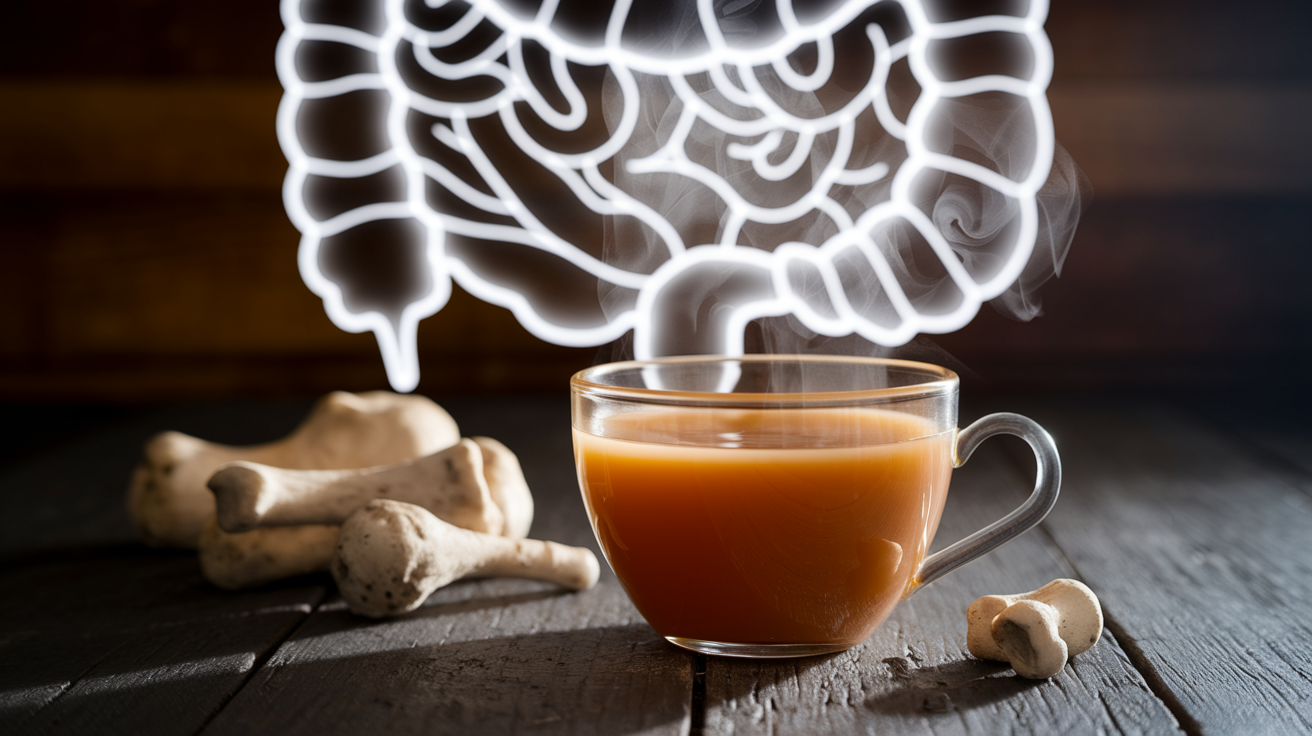
Bone broth is slow simmered animal bones (beef, chicken, or fish) that release collagen, gelatin, glycine, and glutamine into the liquid. When you drink it, those amino acids travel straight to the intestinal lining where they support the repair of epithelial cells and reinforce the tight junction proteins that hold those cells together. That 2017 study on collagen peptides used a 3‑kilodalton fraction at 2 milligrams per milliliter with a 24‑hour pre‑incubation, and it significantly reduced the breakdown of tight junction protein 1 after TNF‑α exposure, an inflammatory trigger common in gut conditions.
Gelatin forms when collagen breaks down during cooking, and it creates a gel that can coat and soothe an irritated digestive tract. Glycine supports bile salt production and helps break down fats without stress, while glutamine is the preferred fuel for the cells lining your small intestine. You’re feeding the repair crew the exact materials they need to rebuild the barrier. You don’t need lab grade peptides to see benefit. Homemade broth from a whole chicken or beef knuckle bones works.
Here are five practical ways to get collagen rich foods into your day:
Sip 8 ounces of warm bone broth in the morning or before bed as a stand alone drink. Use bone broth as the base for soups, stews, or slow cooker chili. Cook rice, quinoa, or oats in bone broth instead of water to add flavor and collagen. Stir unflavored collagen powder into smoothies, coffee, or tea. Make slow cooker bone broth weekly and freeze single serve portions for convenience.
Fermented and Probiotic Rich Foods That Restore Gut Flora Balance
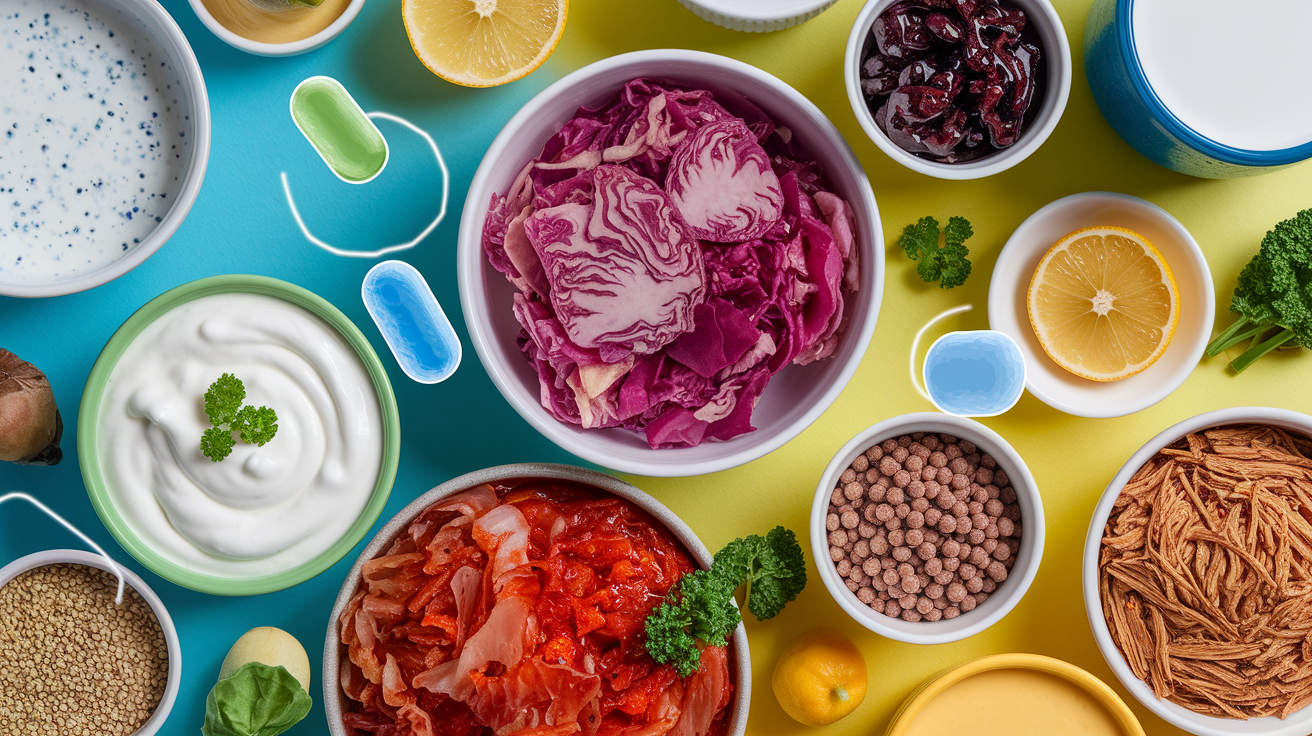
Fermented foods introduce live beneficial bacteria directly into your digestive system, helping rebuild microbial diversity that may have been wiped out by antibiotics, stress, processed foods, or illness. The organic acids they produce (like lactic acid) create a slightly acidic environment that favors good bacteria and inhibits the growth of harmful strains.
Kefir and Yogurt with Live Cultures
Kefir is a fermented milk or coconut drink that contains dozens of bacterial and yeast strains, far more than typical yogurt. Yogurt with live cultures offers lactobacillus and bifidobacterium strains that can improve digestion, reduce bloating, and support immune signaling in the gut lining. Look for labels that say “live and active cultures” and avoid sweetened versions that add refined sugar. Start with a few tablespoons and work up to half a cup daily to let your system adjust without gas or cramping.
Sauerkraut and Kimchi
These fermented vegetables deliver probiotics along with fiber and plant compounds that support gut barrier repair. Sauerkraut is fermented cabbage, often seasoned simply with salt. Kimchi is a Korean blend of cabbage, radish, garlic, ginger, and chili that adds both spice and microbial variety. Both offer soil based organisms if made traditionally, and the fermentation process predigests some of the fiber, making it gentler on sensitive stomachs. Add a forkful to salads, grain bowls, or eggs. Heat destroys live cultures, so serve them cold or at room temperature.
Kombucha
Kombucha is a lightly effervescent tea fermented with a SCOBY (symbiotic culture of bacteria and yeast). It’s one of the easiest probiotic beverages to find in stores, and it can replace soda or juice for people who want something fizzy. The bacterial strains and organic acids in kombucha help crowd out less beneficial microbes and may reduce systemic inflammation. Stick to low sugar brands, ideally under 5 grams per serving, since too much sugar can feed the wrong bacteria.
Miso and Tempeh
Miso is a fermented soybean paste used in Japanese cooking, rich in enzymes that aid digestion and probiotics that support gut health. Tempeh is whole fermented soybeans pressed into a firm cake, offering both probiotics and easily digestible plant protein. Add miso to soups after cooking to preserve live cultures, or slice tempeh and pan fry it for grain bowls and stir fries.
Anti Inflammatory Omega‑3 Foods for Reducing Intestinal Inflammation

Omega‑3 fatty acids (especially EPA and DHA) are among the most effective dietary anti inflammatories for the gut lining. They reduce production of pro inflammatory signaling molecules, help repair tight junction integrity, and shift the composition of your gut microbiome toward strains that produce more beneficial short chain fatty acids. The modern Western diet averages an omega‑6 to omega‑3 ratio around 15:1, compared to the ancestral ratio closer to 1:1. That imbalance keeps low grade inflammation running in the background, making it harder for your intestinal barrier to repair itself.
Wild caught salmon, sardines, and mackerel are the richest animal sources of omega‑3s. A 3‑ounce serving of wild salmon delivers roughly 1.5 grams of EPA and DHA combined, and eating fatty fish three times per week can meaningfully lower inflammatory markers in your bloodstream and your gut. Sardines and mackerel are smaller fish with lower mercury levels, and both come canned for convenience. Look for varieties packed in water or olive oil, not soybean oil, which is high in omega‑6.
Plant based omega‑3 sources include flaxseed, chia seed, hemp seed, and walnuts. These provide ALA, a precursor your body converts to EPA and DHA at a low rate (around 5 to 10 percent), but they still offer anti inflammatory benefit and fiber. One tablespoon of ground flaxseed in a smoothie or over oatmeal is an easy daily habit. If you don’t eat fish, consider an algae based omega‑3 supplement to ensure adequate EPA and DHA intake for gut repair.
Prebiotic Fiber and Plant Foods That Support Butyrate Production
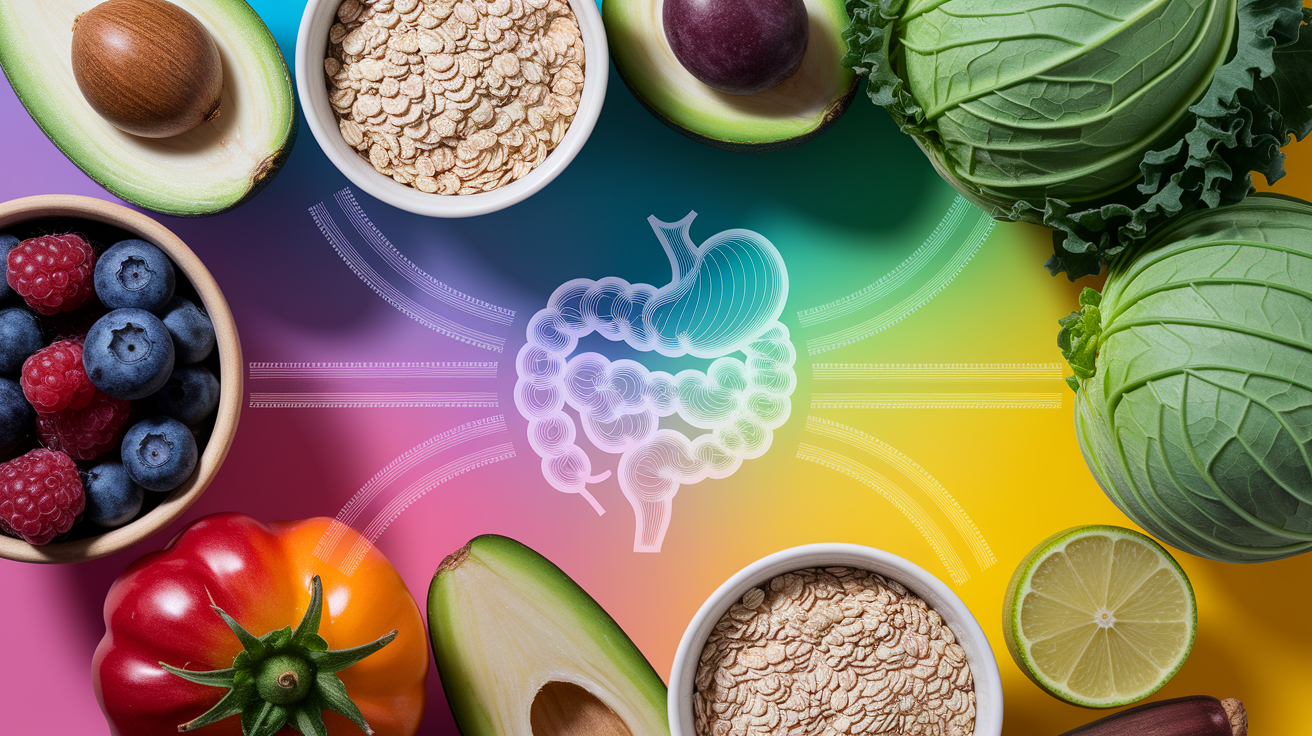
Prebiotic fiber is the fuel for your beneficial gut bacteria. When those bacteria ferment fiber in your colon, they produce short chain fatty acids, especially butyrate, which are the primary energy source for the cells lining your intestinal wall. Butyrate strengthens tight junctions, reduces inflammation, and signals the immune system to stay calm. Without enough fiber, your gut bacteria can’t make enough butyrate, and the lining starts to weaken.
Eating a variety of colorful fruits and vegetables ensures you get diverse types of fiber and a broad spectrum of antioxidants that protect cells from oxidative stress. Each color represents different phytonutrients. Red tomatoes and peppers offer lycopene, orange sweet potatoes provide beta‑carotene, green leafy vegetables supply folate and chlorophyll, and purple berries deliver anthocyanins. That “eat the rainbow” principle isn’t just catchy. It directly supports gut microbiome diversity and lining repair.
Here are six high fiber plant foods that are particularly helpful for butyrate production:
Berries (raspberries, blackberries, blueberries). One cup of raspberries has about 8 grams of fiber, roughly a quarter of the daily target for women. Sweet potatoes offer complex carbs with beta‑carotene that convert to vitamin A, which supports epithelial cell repair. Leafy greens (spinach, kale, Swiss chard) deliver fiber plus magnesium and folate for cellular health. Cruciferous vegetables (broccoli, cauliflower, Brussels sprouts) contain glucosinolates that support detox pathways and feed beneficial bacteria. Plantains or green bananas are high in resistant starch, a type of fiber that ferments slowly and produces steady butyrate. Oats and quinoa are whole grains with soluble fiber that forms a gel in the digestive tract, slowing digestion and feeding microbes.
Whole Grains, Nuts, and Seeds for Digestive System Support
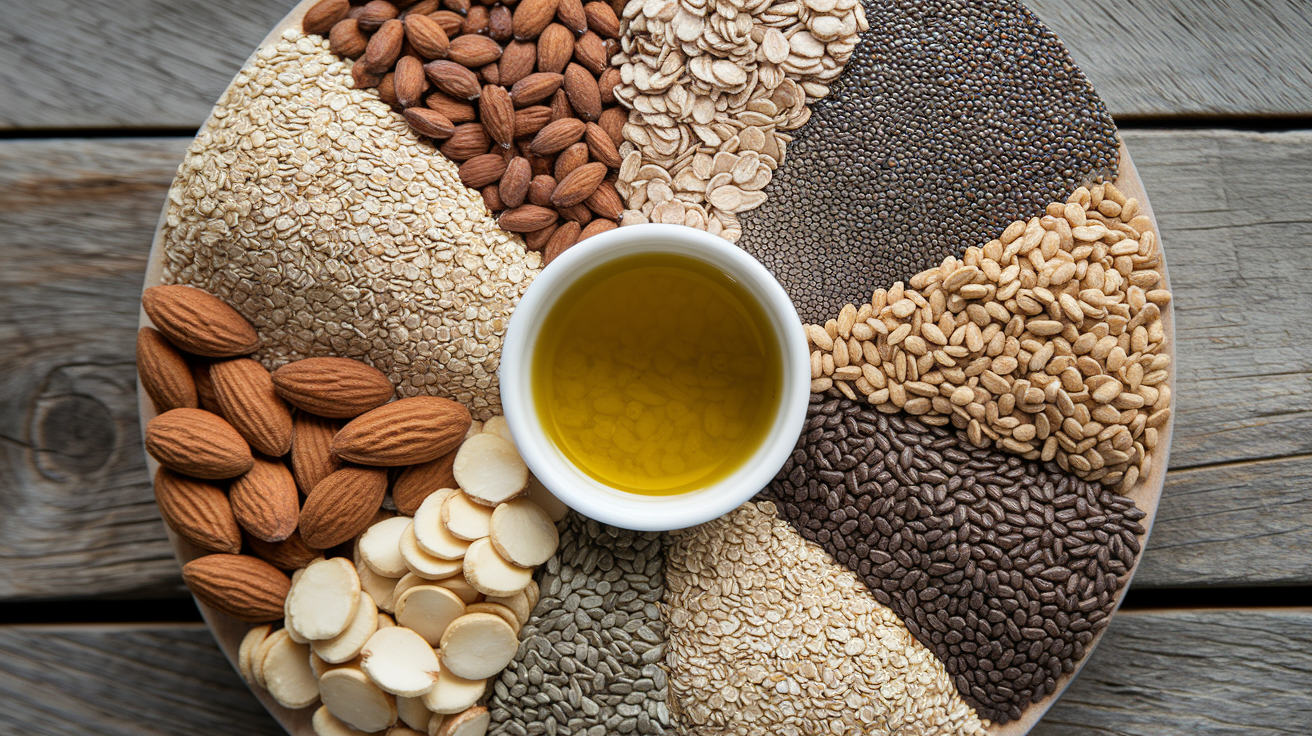
Whole grains, nuts, and seeds provide a combination of fiber, protein, healthy fats, and resistant starch that supports long term gut health. They help you stay full, stabilize blood sugar, and offer a slow release source of energy for your intestinal bacteria. Gluten free options like quinoa, brown rice, and certified gluten free oats work well if you’re managing gluten intolerance or celiac disease.
Chia seeds are a special case. They absorb water and form a gel that can help manage diarrhea in irritable bowel syndrome, but that same gel can worsen constipation if you’re already backed up. If you’re constipated, skip chia and choose ground flaxseed or hemp hearts instead. Nuts like almonds, walnuts, and cashews offer magnesium and vitamin E, both supportive for inflammation control and cellular repair. A small handful (about a quarter cup) makes a practical snack or topping for yogurt and salads.
| Food | Key Benefit | Notes |
|---|---|---|
| Quinoa | Complete protein, gluten free fiber | Cook in bone broth for extra collagen |
| Chia seeds | Gel formation helps IBS diarrhea | Avoid if constipated; soak before eating |
| Flaxseed (ground) | Omega‑3 ALA, lignans, gentle fiber | Store in fridge; use within 3 months |
| Almonds | Magnesium, vitamin E, satiety | Raw or dry roasted; avoid added oils |
Herbal and Functional Additions That Support Mucosal Healing
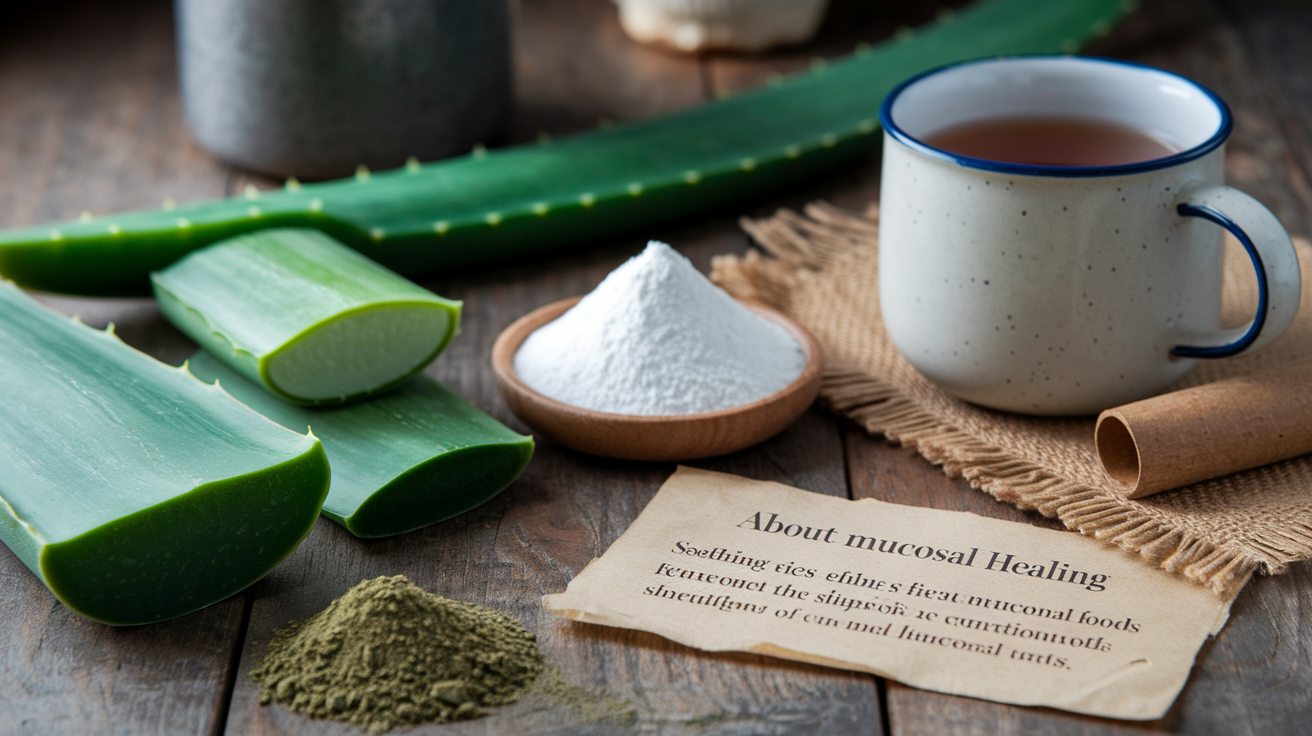
Certain herbs and plant extracts have been used for centuries to soothe the mucous membranes lining the digestive tract. They don’t replace whole foods or medical treatment, but they can complement a gut healing diet when symptoms like cramping, bloating, or mild irritation persist.
Aloe Vera Juice, Slippery Elm, and Marshmallow Root
Aloe vera juice contains polysaccharides that coat the intestinal lining and may reduce inflammation. Look for inner leaf aloe juice without added laxatives. Slippery elm bark becomes mucilaginous when mixed with water, forming a slippery gel that can protect irritated tissue. Marshmallow root works similarly, creating a soothing layer over the mucosa. All three are often combined in gut repair supplements alongside L‑glutamine and licorice root. You can also make a simple slippery elm tea by stirring half a teaspoon of powder into warm water and drinking it before meals.
Peppermint Tea
Peppermint contains menthol, a natural antispasmodic that relaxes the smooth muscle of the intestinal tract. Research shows it can relieve cramping, gas, and bloating in people with irritable bowel syndrome, sometimes as effectively as prescription antispasmodics. Brew fresh or dried peppermint leaves for 5 to 7 minutes, or use a high quality peppermint tea bag. Sip it after meals if you tend to feel tight or uncomfortable. If you have acid reflux, peppermint can relax the lower esophageal sphincter and worsen symptoms, so monitor your response.
Chamomile Tea
Chamomile has mild anti inflammatory and calming properties that can ease digestive upset and reduce stress related gut symptoms. It’s gentler than peppermint and works well as an evening tea to support sleep and digestion. Brew it for 5 minutes, and consider adding a small drizzle of raw honey if tolerated. Raw honey offers trace enzymes and prebiotics that support gut flora.
Foods to Avoid for Protecting the Gut Lining
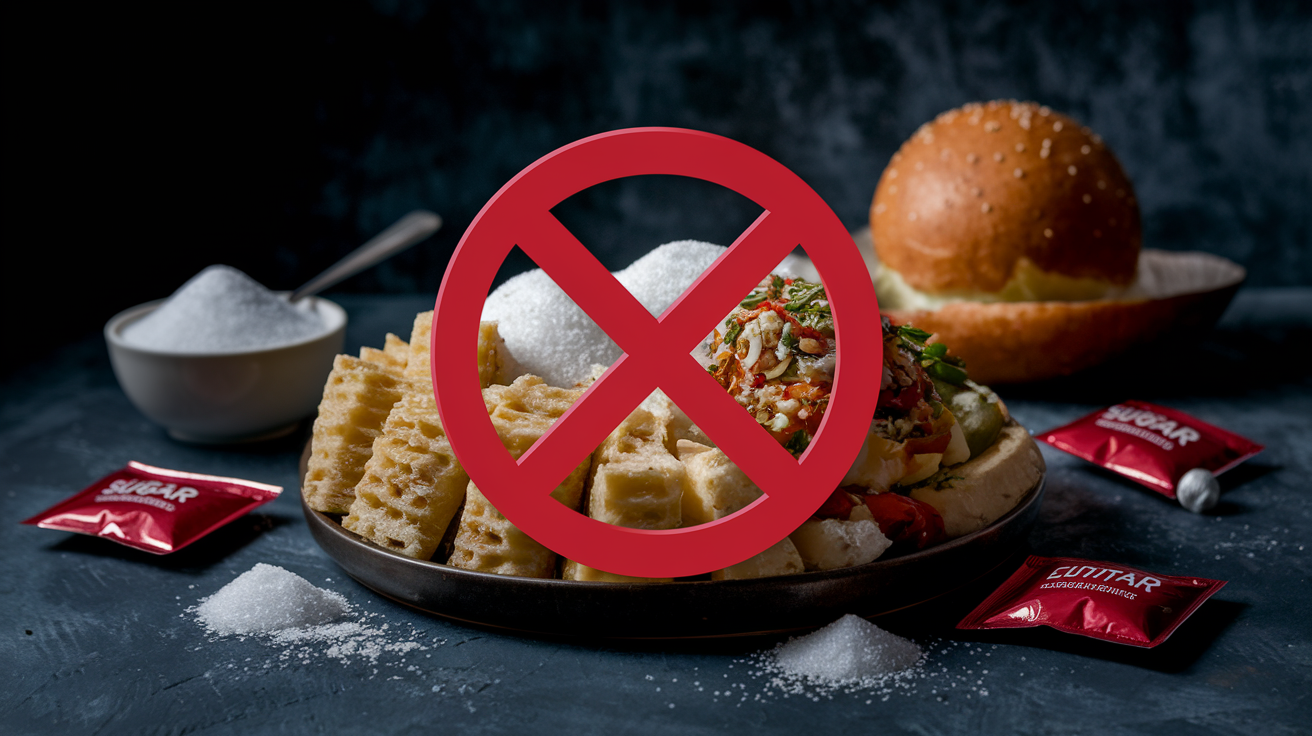
Even the best gut healing foods won’t work as well if you’re still eating things that actively damage the intestinal barrier. The 2025–2030 Dietary Guidelines emphasize limiting ultra processed foods, and that’s especially important when you’re trying to repair your gut lining.
Highly processed foods with additives, preservatives, emulsifiers, and refined sugars that disrupt microbiome diversity and weaken tight junctions. Gluten containing grains (wheat, barley, rye) if you have gluten intolerance, celiac disease, or notice worsening symptoms after eating bread or pasta. Conventional dairy products, which can be hard to digest and may shift gut bacteria unfavorably (fermented dairy like kefir or yogurt is usually better tolerated). Alcohol, which weakens the gut barrier, promotes harmful bacterial overgrowth, and increases intestinal permeability even in moderate amounts. Artificial sweeteners like aspartame, sucralose, and saccharin, which have been linked to reduced beneficial bacteria and digestive complaints in some studies. Excessive omega‑6 oils (soybean, corn, safflower) that tip the inflammatory balance when consumed in large amounts without enough omega‑3 to counter them.
Sample 1‑Day Gut Healing Meal Outline
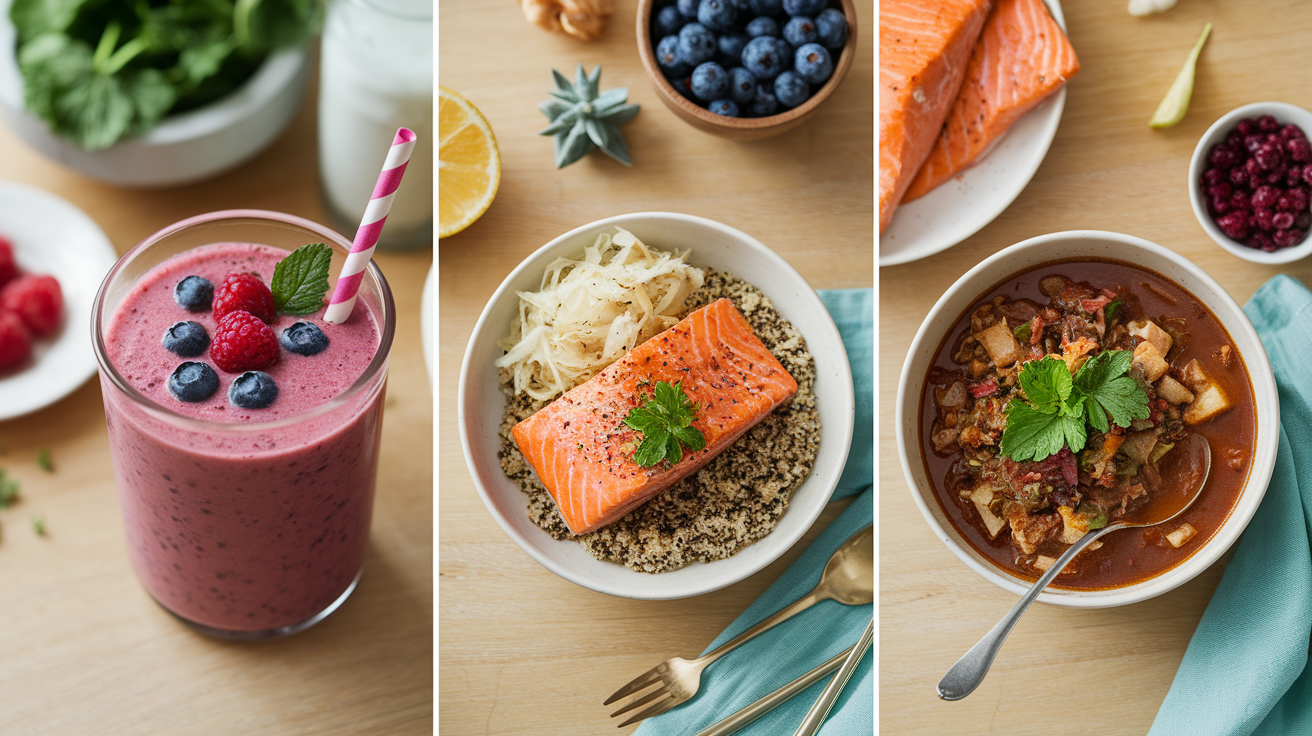
A practical gut repair day starts with warm bone broth or a collagen boosted smoothie. For breakfast, blend half a cup of frozen berries, a scoop of collagen powder, a tablespoon of ground flaxseed, a handful of spinach, and unsweetened coconut yogurt. That gives you probiotics, omega‑3 ALA, fiber, antioxidants, and collagen peptides in one glass. If you prefer something warm, cook gluten free oats in bone broth and top with sliced banana, a drizzle of almond butter, and a sprinkle of cinnamon.
Lunch centers on omega‑3 protein and fermented vegetables. Bake a piece of wild caught salmon with lemon and olive oil, and serve it over quinoa cooked in bone broth. Add a side of lightly steamed broccoli and a few forkfuls of sauerkraut or kimchi. The combination delivers collagen, omega‑3s, fiber, probiotics, and prebiotic compounds in one balanced plate.
Dinner keeps it simple with a slow cooked stew or soup. Use bone broth as the base, add diced sweet potato, carrots, celery, and shredded chicken or tempeh for protein. Season with ginger, turmeric, and a pinch of sea salt. Finish with a squeeze of fresh lemon to boost vitamin C and pectin. Serve with a small side salad dressed in extra virgin olive oil and apple cider vinegar.
Snacks between meals can include a small handful of raw almonds, a cup of peppermint or chamomile tea, a few tablespoons of coconut kefir, or homemade bone broth sipped warm. Keep it varied, keep portions moderate, and prioritize the foods that directly support collagen formation, microbial balance, butyrate production, and inflammation control.
Final Words
Start by adding three basics: collagen-rich bone broth or collagen protein, fermented foods like kefir or sauerkraut, and omega-3 foods such as salmon or sardines. These target tight junctions, bring helpful microbes, and lower inflammation.
Also include fiber-rich plants, whole grains, nuts and seeds, and gentle herbs. Avoid ultra-processed foods, excess sugar, and alcohol. Use the sample 1-day meal as a simple template.
If you want a quick answer to what foods heal gut lining, try those three categories first, they’re small, doable steps that add up.
FAQ
Q: What foods repair the gut lining?
A: The foods that repair the gut lining are collagen-rich sources like bone broth or collagen peptides, fermented foods such as kefir and sauerkraut, omega-3 rich fish, and fiber-rich plants that feed healing microbes.
Q: What is the 7 day gut reset?
A: The 7-day gut reset is a short plan focused on anti-inflammatory meals, collagen sources, fermented foods, fiber and omega-3s to calm inflammation and rebalance gut microbes, with gentle, realistic steps you can follow for one week.
Q: How to heal leaky gut autism?
A: Healing leaky gut in autism involves working with a clinician to check for food sensitivities, add collagen-rich foods, fermented foods, omega-3s, and fiber, and address sleep, stress, and any digestive conditions.
Q: What are the super six foods for your gut?
A: The “super six” gut foods are bone broth (collagen), kefir or yogurt (probiotics), sauerkraut/kimchi, oily fish (omega-3s), high-fiber plants (berries, leafy greens), and seeds like flax or chia.