
Could the reason you’re always tired be a thyroid problem that crept up over months, not a bad week of sleep?
Hypothyroid fatigue often starts as a tiny energy dip, then builds slowly into daily exhaustion that rest doesn’t fix.
This post maps a clear symptom timeline—from early vague tiredness to diagnosis and the typical recovery window after treatment—so you know when tiredness starts, when it should improve, and the simple next steps to get tested and feel better.
Clear Timeline of Hypothyroid Fatigue From Onset to Recovery

Hypothyroid fatigue doesn’t show up overnight. It starts as this barely noticeable energy dip that’s stupidly easy to blame on work stress, bad sleep, or just being busy. Over months (sometimes years), that dip turns into a persistent tiredness that doesn’t budge no matter how much you rest. What’s happening is your thyroid hormone production is slowly tanking, which drags down nearly every metabolic process in your body, including the systems that make cellular energy.
The window from “hmm, I’m tired” to “okay, something’s wrong” typically runs 6 to 24 months before most people get tested or land a diagnosis. During this stretch, fatigue shifts from occasional afternoon crashes to daily, all-consuming exhaustion. You need more caffeine just to function. Naps become non-negotiable. Simple tasks feel harder. Cold intolerance, unexplained weight gain, dry skin, and brain fog tend to pile on, creating enough symptoms that you finally get bloodwork done.
Here’s the usual arc:
- Early subtle fatigue (months 0 to 6): Tiredness pops up here and there, easy to write off as lifestyle stuff.
- Persistent daily fatigue (months 6 to 12): Low energy becomes your baseline. Rest doesn’t fix it.
- Pre-diagnosis worsening (months 12 to 24+): Fatigue intensifies alongside cognitive fog, weight gain, muscle weakness, and feeling cold all the time.
- Immediate post-diagnosis (weeks 0 to 2): Treatment starts, but energy hasn’t shifted yet. Biochemical changes are just beginning.
- First improvement window (weeks 2 to 12): Many people notice gradual energy gains as thyroid levels stabilize.
- Long-term recovery (months 3 to 6): Near-full recovery is common after dose optimization. Autoimmune flares (Hashimoto’s) or untreated cofactors can drag this out.
The overall timeline varies wildly. If you’ve got Hashimoto’s thyroiditis driving your hypothyroidism, autoimmune activity can cause symptom flares and stretch recovery. The heavier your initial symptom load (severe weight gain, high cholesterol, bradycardia), the longer it might take to feel like yourself again.
Physiological Mechanisms Behind Early Hypothyroid Fatigue

Early hypothyroid fatigue comes down to cellular energy production. Thyroid hormones regulate how fast your mitochondria (tiny energy factories inside each cell) convert nutrients into ATP, the molecule that powers everything from muscle contraction to brain activity. When T3 and T4 levels drop, mitochondrial output slows. Your cells literally produce less fuel, so you feel tired even when you’ve done nothing physically demanding. This metabolic slowdown happens quietly at first, which is why early fatigue can feel vague and hard to describe.
Thyroid hormone deficits also mess with temperature regulation, muscle energy use, and cognitive processing. Without enough hormone, your body can’t conserve heat well. You feel cold. Your muscles can’t regenerate glycogen efficiently, so they fatigue faster and recover slower. Neurotransmitter synthesis in the brain slows, contributing to brain fog and delayed thinking. These effects vary by age: infants with low thyroid become extremely sleepy and sluggish, teenagers experience cognitive delays and slowed puberty, adults notice persistent tiredness, mental cloudiness, and reduced physical endurance.
| Age Group | Physiological Pattern in Early Fatigue |
|---|---|
| Infants | Extreme sleepiness, poor feeding, slowed growth, and reduced responsiveness due to low metabolic rate. |
| Children & Teens | Cognitive slowdown, delayed puberty, short stature, and reduced school performance alongside persistent tiredness. |
| Adults (under 60) | Gradual energy decline, cold intolerance, muscle weakness, brain fog, and weight gain from slowed calorie burn. |
| Older Adults (60+) | Fatigue often overlaps with aging symptoms. Slower diagnosis due to attribution to age-related decline. |
Progression Stages of Hypothyroid Fatigue and Symptom Severity

Mild to moderate fatigue usually shows up first. You’re tired more often, but you can still work, exercise lightly, and manage daily tasks. It just takes more effort. Over weeks to months, that effort cost climbs. You might start skipping the gym, needing weekend naps, or relying on multiple cups of coffee to stay alert. Weight creeps up despite no change in diet. Your skin dries out. You feel colder than everyone else in the room. This stage can last 6 to 18 months if the thyroid problem goes unrecognized.
As thyroid hormone levels continue to drop, your body’s metabolic machinery slows in measurable ways. Heart rate decreases. Some people develop bradycardia, a resting pulse below 60 beats per minute. Muscle function declines, causing stiffness, aches, and reduced strength. Cholesterol rises because the liver processes LDL more slowly. Cognitive processing slows noticeably. Memory lapses and mental fog become frequent. These physiological changes don’t just make you feel tired, they reduce your physical capacity to sustain activity.
Severe fatigue is a red flag. If you’re sleeping 10+ hours and still waking exhausted, struggling to climb stairs, experiencing joint swelling, or noticing significant memory decline, testing is urgent. Severe untreated hypothyroidism increases the risk of cardiovascular disease, peripheral neuropathy (tingling or numbness in hands and feet), infertility, and complications during pregnancy. At this stage, fatigue often comes with a puffy face, hoarse voice, thinning hair, and heavy or irregular periods in menstruating individuals.
Comparison: Chronic Fatigue vs Hypothyroid Fatigue Timelines
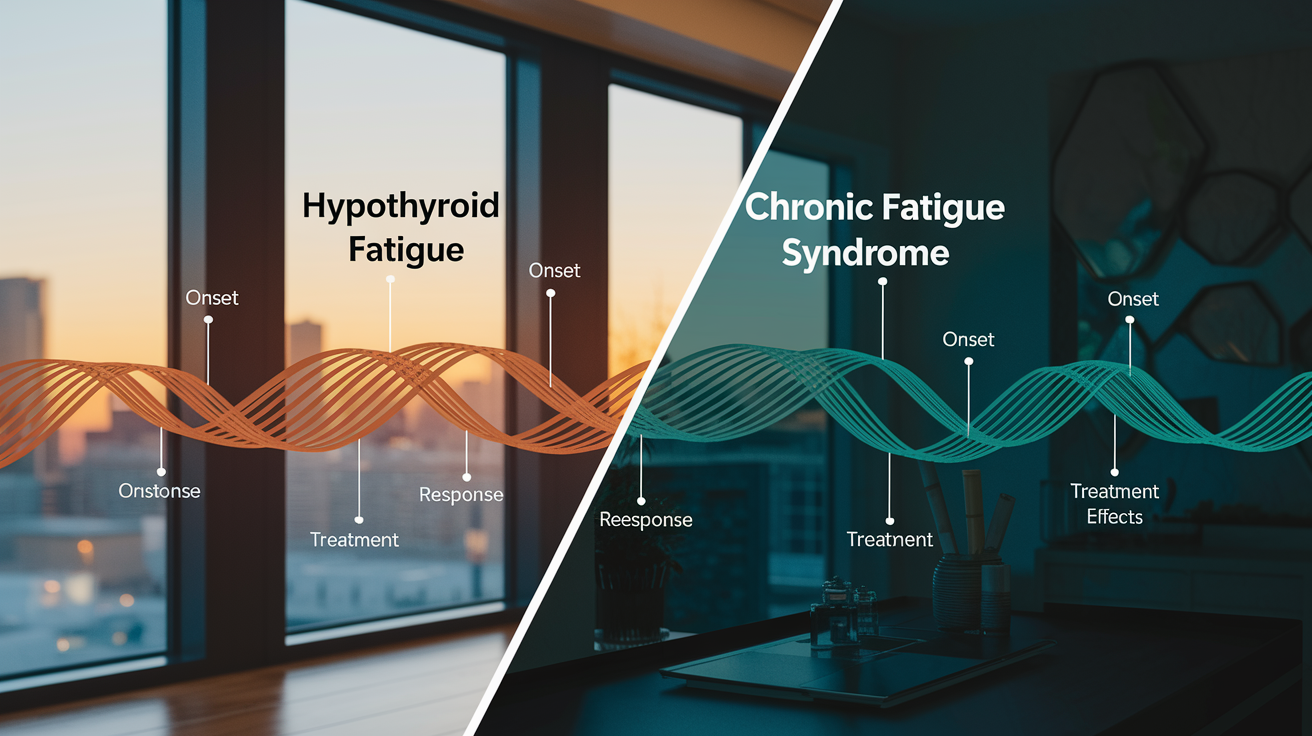
Hypothyroid fatigue has a steady, low energy baseline that worsens gradually over months to years. It doesn’t fluctuate much day to day. You’re tired most of the time, and rest doesn’t restore you. Chronic fatigue syndrome (CFS), by contrast, often follows a viral illness and involves post-exertional malaise. Activity makes symptoms worse for days. CFS lasts at least 6 months and doesn’t improve predictably with thyroid correction, sleep, or standard medical interventions. The progression pattern is different: hypothyroid fatigue builds slowly and responds to hormone replacement, CFS can appear suddenly and remains poorly understood.
Key differences in timeline and symptom pattern:
- Onset speed: Hypothyroid fatigue develops over months to years. CFS can appear within weeks after an infection.
- Response to rest: Hypothyroid fatigue persists despite rest. CFS often worsens after exertion (post-exertional malaise).
- Treatment response: Hypothyroid fatigue improves 2 to 6 months after correct thyroid dosing. CFS has no standard cure and variable response to interventions.
- Associated symptoms: Hypothyroid fatigue pairs with cold intolerance, weight gain, dry skin, and brain fog. CFS often includes muscle pain, sore throat, and unrefreshing sleep.
- Lab findings: Hypothyroid fatigue shows abnormal TSH, Free T4, or Free T3. CFS has no specific biomarker.
Depression and long COVID can overlap with hypothyroid fatigue, complicating the timeline. Depression causes persistent low energy, but it usually includes mood changes, loss of interest, and sleep disturbances that don’t align perfectly with thyroid driven metabolic slowing. Long COVID fatigue can mimic hypothyroid patterns (brain fog, exercise intolerance, slow recovery), but it often follows acute COVID-19 infection and may improve or fluctuate unpredictably over months. Testing thyroid function helps separate these conditions, especially when fatigue persists beyond typical recovery windows.
Diagnostic Timeline: When Fatigue Leads to Testing and Confirmation

Persistent fatigue prompts testing when it lasts more than a few weeks, doesn’t improve with sleep or lifestyle changes, and starts interfering with work, relationships, or daily function. Many people wait months (sometimes over a year) before scheduling an appointment, attributing tiredness to stress or aging. Once a clinician suspects hypothyroidism, a blood test measuring TSH (thyroid-stimulating hormone) is the usual first step. Elevated TSH suggests your pituitary is working overtime to coax your thyroid into producing more hormone.
The diagnostic process typically follows these steps:
- Initial screening: TSH test. If elevated, proceed to expanded panel.
- Expanded thyroid panel: Free T4, Free T3, and sometimes reverse T3 to assess hormone availability and conversion.
- Antibody testing: Anti-thyroid peroxidase (anti-TPO) and anti-thyroglobulin antibodies to detect autoimmune Hashimoto’s thyroiditis.
- Follow-up intervals: Newly diagnosed patients recheck labs every 6 to 10 weeks during dose titration. Stable patients test annually unless symptoms change.
Delays in detection directly affect how long fatigue lasts. If your doctor only checks TSH and it falls within the “normal” range, but your Free T3 is low or your antibodies are high, you may be told nothing is wrong even though your cells aren’t getting enough active thyroid hormone. This diagnostic gap can add months or years to your fatigue timeline, allowing symptoms to worsen and increasing the risk of complications like high cholesterol, heart problems, and nerve damage.
Treatment Response Timeline After Starting Levothyroxine
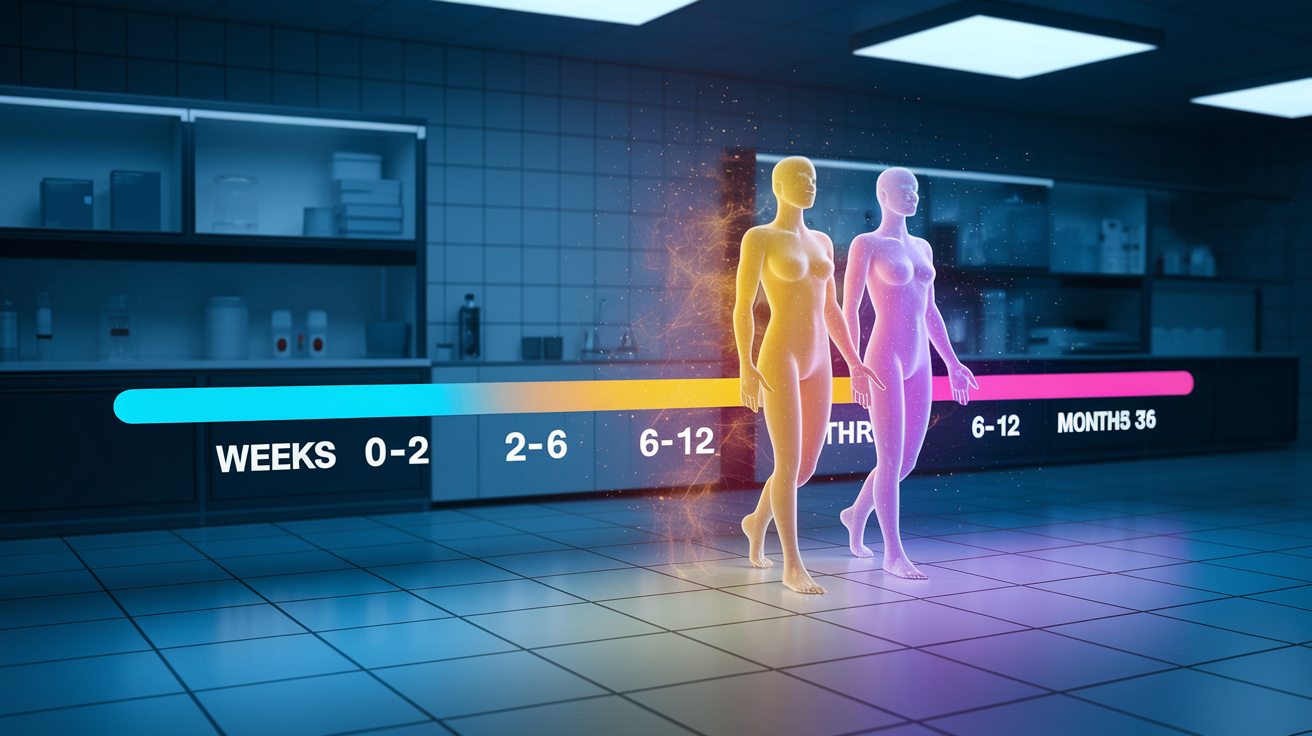
The first 2 to 4 weeks after starting levothyroxine feel like a waiting game. Your body is absorbing the synthetic T4, converting some of it to active T3, and slowly raising hormone levels in your blood and tissues. Most people don’t notice dramatic energy changes yet. Biochemical shifts are happening, but they’re subtle. You might sleep a little better or feel slightly less cold, but the persistent exhaustion usually remains.
Between 6 and 12 weeks, energy stabilization becomes more obvious. Your TSH starts to drop as thyroid hormone levels rise. Fatigue lessens, brain fog clears, and you may notice you’re not reaching for caffeine as often. Physical tasks feel easier. Weight gain may plateau or reverse slightly. This is the window when dose adjustments happen. If your labs show TSH is still high or Free T3 remains low, your clinician will increase your dose and recheck in another 6 to 10 weeks.
Full recovery (or near-full recovery) typically takes 3 to 6 months after your dose is optimized. Some people feel close to their pre-hypothyroid energy by month 3. Others need the full 6 months, especially if autoimmune activity or poor T4-to-T3 conversion complicates things. Variability comes from individual differences in absorption, conversion efficiency, and whether other factors (nutrient deficits, sleep disorders, stress) are also at play.
| Timeline | Typical Fatigue Change |
|---|---|
| Weeks 0 to 2 | Minimal noticeable change. Hormone levels beginning to rise, biochemical adjustments underway. |
| Weeks 2 to 6 | Subtle improvements in sleep quality, cold tolerance, or mental clarity. Fatigue still prominent. |
| Weeks 6 to 12 | Noticeable energy gains. Reduced brain fog, less reliance on caffeine, improved physical endurance. |
| Months 3 to 6 | Near-full or full recovery for most. Ongoing fatigue suggests dose adjustment or cofactor issues. |
Why Fatigue Can Persist Despite Normal Labs or Treatment

Even when your TSH looks normal on paper, fatigue can linger if your body isn’t absorbing or using levothyroxine effectively. Taking your medication with food, coffee, or within a few hours of calcium or iron supplements reduces absorption. Your small intestine can’t pull in the full dose. Inconsistent timing matters too. If you take levothyroxine at different times each day, hormone levels fluctuate, and your cells never get a steady supply. Gastrointestinal issues like low stomach acid, celiac disease, or inflammatory bowel conditions can further block uptake.
Common factors that prolong fatigue:
- Medication timing errors: Taking levothyroxine with food, coffee, or too close to other medications.
- Nutrient deficiencies: Low iron (ferritin), vitamin B12, or vitamin D impair energy production and thyroid hormone conversion.
- Undiagnosed sleep disorders: Sleep apnea or restless leg syndrome prevent restorative sleep, mimicking or worsening thyroid fatigue.
- Autoimmune flares: Hashimoto’s activity can fluctuate, causing temporary worsening even on stable medication.
- Poor T4-to-T3 conversion: High stress, chronic illness, or certain medications reduce conversion of inactive T4 to active T3.
- Coexisting depression or chronic stress: Both drain energy and slow recovery independent of thyroid hormone levels.
Autoimmune and hormonal causes are particularly tricky. Hashimoto’s thyroiditis can cause antibody driven inflammation that ebbs and flows, so some weeks you feel better and others you crash. High cortisol from chronic stress interferes with T4-to-T3 conversion, leaving you with “normal” Free T4 but insufficient active hormone. Women in perimenopause or postpartum may experience overlapping hormonal shifts that compound fatigue.
If fatigue persists beyond 6 months of treatment and your TSH is in range, your clinician may consider adding synthetic T3 (liothyronine) to your regimen. Some people don’t convert T4 efficiently, and direct T3 supplementation can bridge that gap. This isn’t a first-line move (it requires careful monitoring), but it’s a reasonable option when standard levothyroxine alone doesn’t restore energy.
Lifestyle and Nutrition Timelines for Energy Improvement

Dietary shifts take about 2 to 8 weeks to show measurable energy changes. A 2023 expert commentary highlights that plant-focused, Mediterranean-style eating patterns (rich in whole grains, healthy fats like olive oil, fish, and colorful vegetables) can reduce thyroid-related inflammation and support more stable energy. You’re not overhauling your entire life overnight. Start by adding one or two anti-inflammatory foods per meal and notice how you feel over the next few weeks. Avoid iodine supplements, kelp, and excessive caffeine, which can interfere with thyroid function or mask underlying fatigue without addressing the root cause.
Movement and exercise follow a gradual recovery curve. In the first few weeks of treatment, gentle activity (short walks, light stretching, or restorative yoga) helps maintain circulation and mood without overtaxing your system. By weeks 6 to 12, as your energy improves, you can cautiously increase intensity and duration. Many people find they can return to moderate cardio or strength training by month 3 or 4, though full athletic capacity may take 6 months or longer. Listen to your body: if a workout leaves you exhausted for days, you’ve pushed too hard too soon.
Sleep and stress routines produce week-to-week improvements when practiced consistently. Establishing a regular bedtime, limiting screens an hour before sleep, and creating a cool, dark bedroom can improve sleep quality within 1 to 3 weeks. Stress management (whether through meditation, deep breathing, or simply delegating tasks) reduces cortisol’s interference with thyroid hormone conversion. You may notice better emotional resilience and less afternoon fatigue within 2 to 4 weeks of a consistent routine. Small, repeated actions compound over time, so even imperfect consistency beats sporadic bursts of effort.
Special Groups: Fatigue Timelines in Pregnancy, Postpartum, Children, and Older Adults

Pregnancy and postpartum thyroid shifts can accelerate or complicate fatigue timelines. During pregnancy, thyroid hormone demand increases to support fetal development. Untreated hypothyroidism raises the risk of miscarriage, preterm birth, and developmental delays. Fatigue may worsen in the second and third trimesters if thyroid medication isn’t adjusted upward. Postpartum thyroiditis (inflammation of the thyroid after delivery) can cause temporary hyperthyroidism (anxiety, insomnia, weight loss) followed by hypothyroidism and profound fatigue, often appearing 3 to 6 months postpartum. Recovery timelines vary: some regain normal function within a year, others develop permanent hypothyroidism requiring lifelong treatment.
Key differences in fatigue patterns across groups:
- Infants: Extreme sleepiness and poor feeding appear within weeks of birth if congenital hypothyroidism is present. Treatment must start immediately to prevent permanent developmental delays.
- Children and teens: Fatigue develops more slowly, often accompanied by growth delays, late tooth development, and cognitive slowing. Recovery after treatment can take 6 to 12 months as growth catches up.
- Pregnant individuals: Fatigue may worsen trimester by trimester if thyroid levels aren’t monitored and adjusted. Untreated hypothyroidism poses serious risks to both parent and baby.
- Older adults (60+): Fatigue is often misattributed to aging, delaying diagnosis by months or years. Recovery can be slower due to comorbidities like heart disease or arthritis.
Pediatric hypothyroid fatigue typically improves within 3 to 6 months of starting treatment, but developmental catch-up (especially for growth and cognitive milestones) can take a year or more. Elderly patients may need 6 to 9 months to feel significant energy improvement, particularly if they have multiple chronic conditions or take other medications that interact with levothyroxine. Close monitoring and individualized dosing are essential in both groups.
Long-Term Prognosis and Sustaining Energy Improvements

Once you reach an optimal levothyroxine dose and your TSH stabilizes, most people maintain good energy with annual monitoring and consistent medication adherence. Stable thyroid therapy keeps hormone levels in a healthy range, preventing the metabolic slowdown that drives fatigue. You’ll have blood work once a year (or sooner if symptoms return) to confirm your dose still matches your body’s needs. For the majority, this becomes routine maintenance: take your pill every morning, avoid absorption blockers, and stay aware of any new fatigue or other hypothyroid symptoms.
Full activity recovery varies. If you were diagnosed early and treated promptly, you might return to baseline energy and physical function within 3 to 6 months. If hypothyroidism went untreated for years, or if you have comorbidities like sleep apnea, anemia, or autoimmune disease, returning to full activity can take 6 to 12 months or longer. Age and overall health matter: younger, otherwise healthy individuals typically bounce back faster than older adults managing multiple conditions.
| Milestone | Typical Timing |
|---|---|
| Stable energy on optimized dose | 3 to 6 months after treatment start |
| Return to pre-hypothyroid activity level | 6 to 12 months, depending on symptom severity and comorbidities |
| Annual monitoring and dose confirmation | Once per year if stable. Sooner if symptoms recur |
| Long-term complication prevention | Ongoing with consistent treatment. Untreated hypothyroidism increases cardiovascular, nerve, and fertility risks |
Final Words
Symptoms often start small — tired after work, slower thinking — and can quietly worsen over months.
This post walked you through the stages: early signs, how fatigue builds, when testing usually happens, how levothyroxine and lifestyle shifts help, and what to expect week by week.
Expect first boosts in 2–4 weeks, clearer change by 6–12 weeks, and fuller recovery over months; timelines differ by age and cause.
Keep this hypothyroid fatigue symptom timeline as a practical map — small steps add up, and steady improvement is possible.
FAQ
Q: Does hypothyroidism fatigue come and go?
A: Hypothyroidism fatigue can come and go; it’s often mild and intermittent early, then steadier if untreated. Fluctuations happen with autoimmune flares, sleep, stress, or when medication levels change.
Q: How to tell if your thyroid is making you tired?
A: You can tell your thyroid is making you tired when low energy is steady, not fixed by sleep, and comes with weight gain, cold sensitivity, dry skin, slow thinking — check TSH and free T4.
Q: What does a hypothyroid flare feel like?
A: A hypothyroid flare feels like suddenly worse tiredness, heavier brain fog, increased cold intolerance, muscle aches, and slower thinking or movement, with daily tasks feeling noticeably harder over days to weeks.
Q: How to get rid of fatigue due to hypothyroidism?
A: To reduce hypothyroid fatigue, start or adjust thyroid medication with your clinician, fix sleep and nutrient gaps (iron, B12, vitamin D), time meds away from food/supplements, and add gentle activity.