
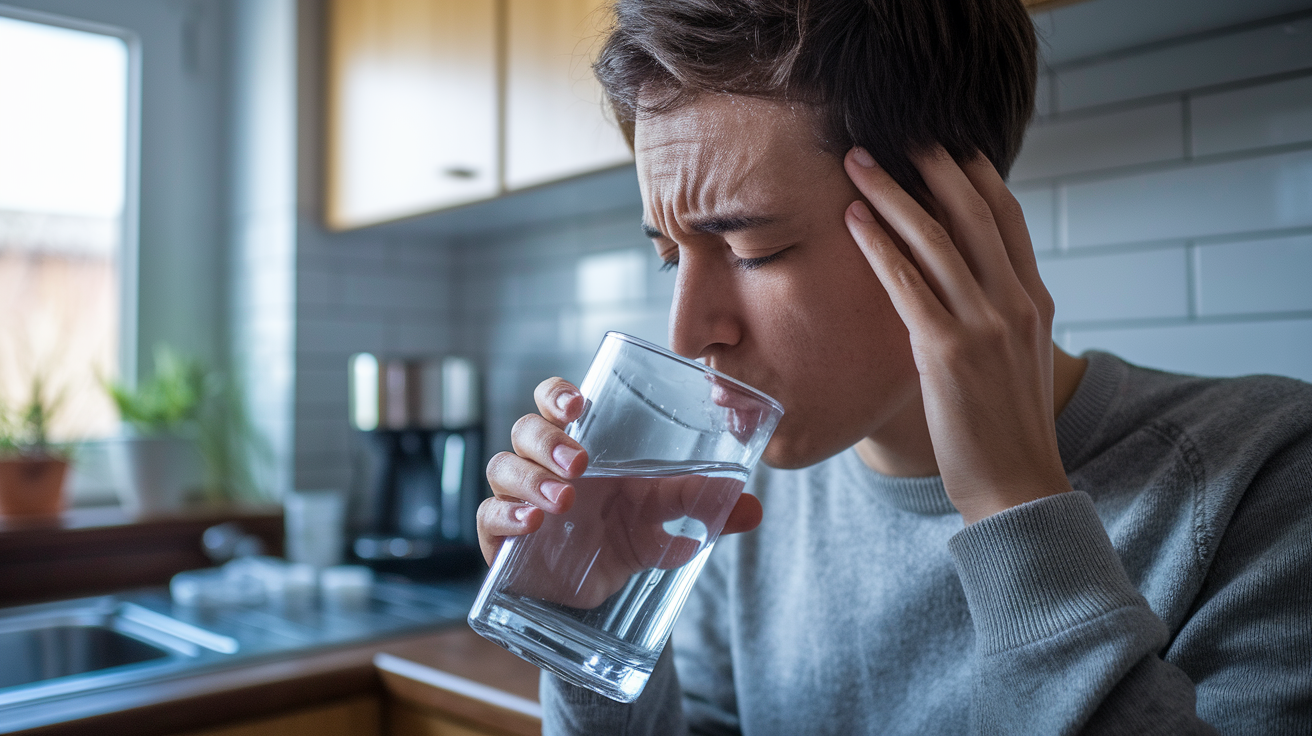
Think headaches are just stress or too much screen time? Not always.
Even mild fluid loss can spark a real headache—a dull ache or pulsing throb you notice after a hot day or a busy meeting.
When you lose more water than you drink, your brain can shrink slightly, tug on tissues, and blood flow and electrolytes shift.
Science says yes: dehydration can directly cause headaches, and steady rehydration often eases them within minutes to hours.
Here’s why it happens and what to try first.
Clear Explanation of How Dehydration Leads to Headaches
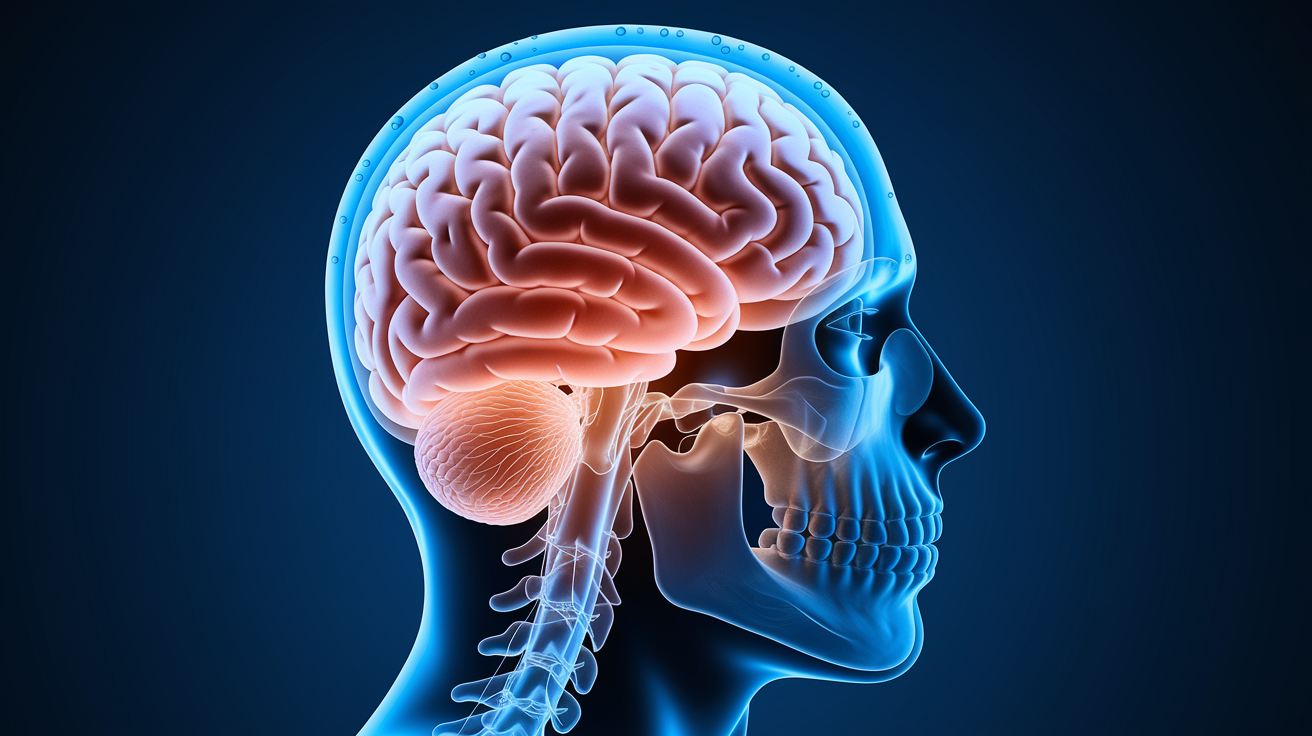
Yes, dehydration can directly cause headaches. When your body loses more fluid than it takes in, pressure and balance shift inside your head, triggering pain. Your brain needs adequate hydration to maintain its normal volume and cushioning. When fluid levels drop, tissues contract slightly, reducing the protective space between your brain and skull. That change signals pain receptors and creates the familiar throb or dull ache many people recognize as a dehydration headache.
Fluid loss can happen quickly. Heavy sweating during exercise, a day in the heat, a stomach bug that causes vomiting or diarrhea, or even a night of drinking alcohol can all tip your body into a state where head pain shows up alongside other symptoms. Thirst, dry mouth, and dark urine are your body’s early warnings that fluid levels have dropped. The headache often follows soon after, especially if you keep going without rehydrating.
Rehydration usually brings relief within a few hours. Small sips of water, electrolyte drinks, or even ice chips can gradually restore fluid balance and ease the pressure. Most people notice improvement within 30 minutes to a few hours once they start replacing fluids steadily. The key is to hydrate at a manageable pace. Drinking too much too fast can cause nausea and delay recovery.
Symptoms That Help Identify a Dehydration Related Headache

Dehydration headaches rarely show up alone. The pain pairs with a cluster of whole body symptoms that point back to low fluid levels. You might notice a tight, dry feeling in your mouth or throat, or realize you haven’t needed the bathroom as often as usual. Urine turns a darker yellow or amber, and you may feel unusually thirsty even after drinking a small amount. These signs help confirm that dehydration is the likely driver of your head pain, not stress or a tension knot in your neck.
The symptoms most commonly reported with dehydration headaches include:
- Dry or sticky mouth
- Dark colored urine
- Decreased urination (fewer bathroom trips)
- Extreme thirst that doesn’t go away easily
- Dizziness or lightheadedness
- Nausea or a queasy stomach
- Muscle cramps, especially in the legs or abdomen
- Cool, dry skin
- Pulsing or throbbing head pain
- Pain that worsens when you bend forward or move your head quickly
Gradual fluid intake tends to ease these symptoms in tandem. As you rehydrate, the headache fades, your mouth feels less parched, and urine color returns to a lighter shade. Watching the full picture, not just the head pain, makes it easier to pinpoint dehydration as the root cause and adjust your fluid intake before the discomfort peaks.
Why Dehydration Causes Head Pain: Biological Mechanisms Explained
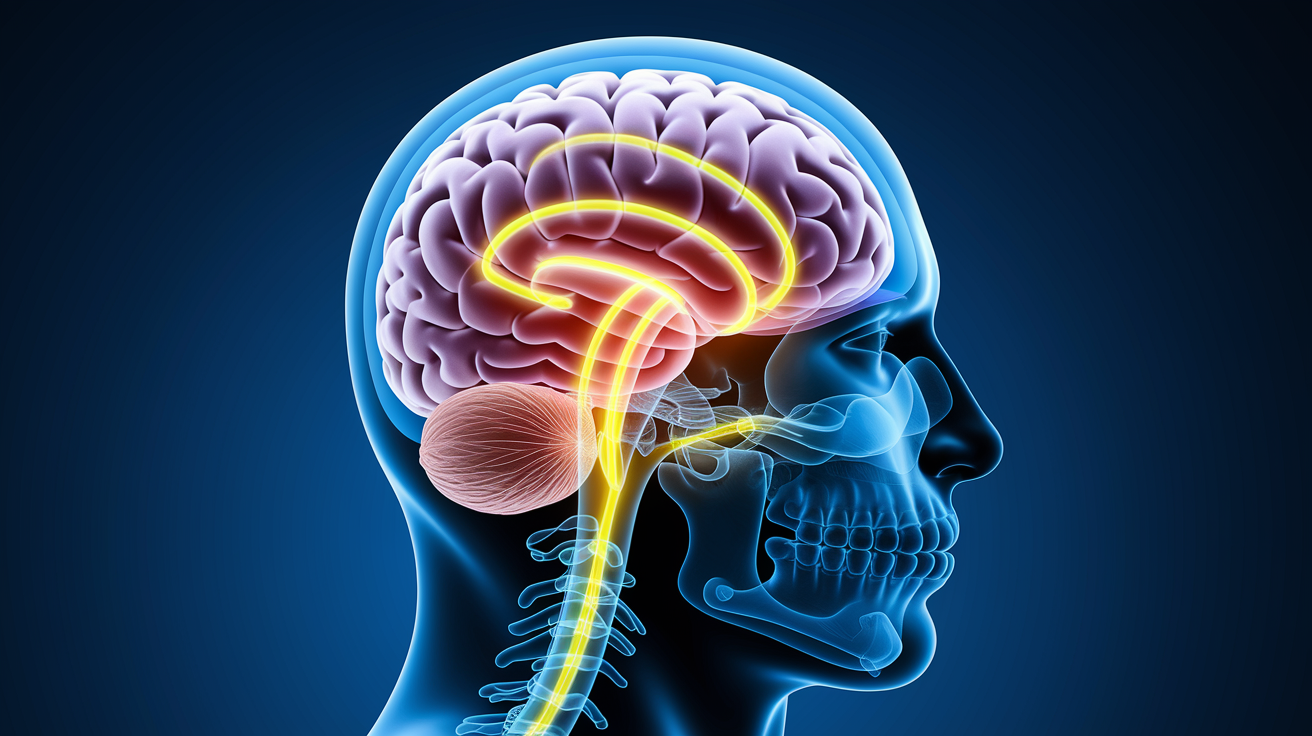
When fluid volume drops, your brain physically shrinks. Just slightly, but enough to pull away from the skull. The brain is normally surrounded by cerebrospinal fluid and cushioned by protective membranes called the meninges. Dehydration reduces that cushion, allowing the brain to tug on the meninges and activate the trigeminal nerve, the primary pain pathway in your head. That stretch and pressure register as a headache, often felt as a dull ache or a pulsing sensation on one or both sides.
Cerebral blood flow also changes when you’re dehydrated. Blood vessels narrow to conserve fluid and maintain blood pressure, but that constriction reduces oxygen delivery to brain tissue. The osmolality of your blood (the concentration of particles like sodium and glucose) shifts as water levels fall, which disrupts the balance of electrolytes including sodium, potassium, and magnesium. Each of these minerals plays a role in nervous system function. When their ratios tip out of range, nerve cells fire differently, contributing to head pain.
Hormonal shifts add another layer. Dehydration prompts the release of vasopressin, a hormone that helps the kidneys hold onto water, and can trigger a rise in cortisol, a stress hormone. Both can influence vascular tone and inflammation around the brain. Tissue inflammation activates additional pain receptors, amplifying the headache even after you start drinking water again. These overlapping mechanisms explain why dehydration headaches can feel different day to day and why some people experience sharper pain than others.
Differentiating Dehydration Headaches From Other Headache Types
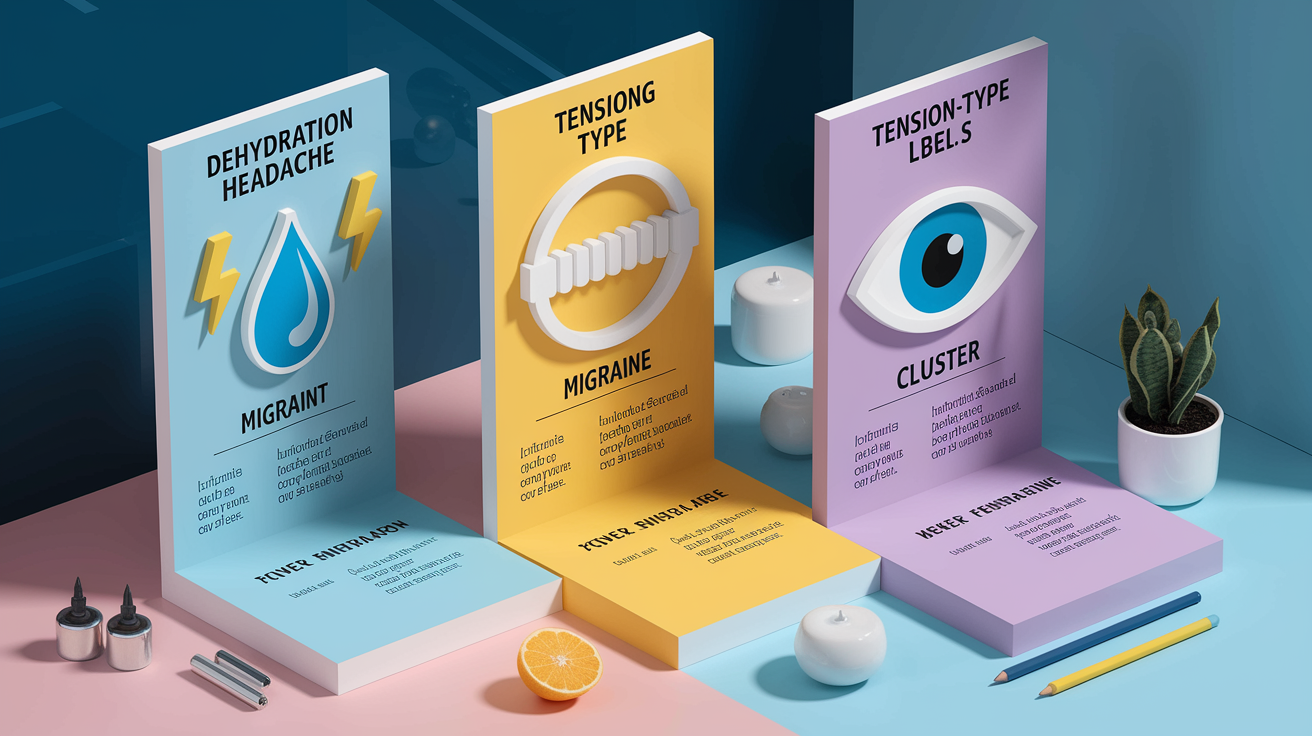
Dehydration headaches often settle on one side of the head or spread across the entire skull, but they don’t usually radiate down the neck and shoulders the way tension headaches do. The pain is generally less severe than a migraine, though it can still be debilitating if dehydration is significant. Migraines bring additional features like visual auras, severe nausea, vomiting, and extreme sensitivity to light and sound. If you’re seeing flashing lights or wavy lines before the pain starts, that’s a migraine pattern, not simple dehydration. Dehydration can trigger a migraine in people who are prone to them, but the two aren’t the same event.
| Type | Typical Pain Pattern | Key Features | Triggers |
|---|---|---|---|
| Dehydration | One sided or all over; confined to head | Dry mouth, dark urine, thirst, improves with water | Fluid loss from sweating, heat, alcohol, illness |
| Migraine | Usually one sided; severe throbbing | Auras, vomiting, light/sound sensitivity | Hormones, certain foods, sleep changes, dehydration |
| Tension type | Band like across forehead; spreads to neck | Muscle tightness, stress related, dull constant ache | Stress, poor posture, muscle tension |
| Cluster | Intense pain around one eye; short bursts | Tearing, nasal congestion, restlessness | Alcohol, specific times of day, sometimes dehydration |
Tension headaches feel like a tight band wrapping around your forehead and often extend into the neck and shoulders, tied to muscle knots and stress rather than fluid status. Cluster headaches are rare and unmistakable. Sharp, burning pain concentrated around one eye, often accompanied by tearing and nasal congestion. Dehydration can worsen both migraines and cluster headaches, acting as a secondary trigger that stacks on top of the primary disorder. If your headache responds to water and rest within a few hours, dehydration was likely the main driver.
How Long a Dehydration Headache Lasts and When Relief Begins

Duration depends on how much fluid you’ve lost and how quickly you replace it. Mild dehydration from skipping water during a busy morning may produce a headache that resolves within an hour or two once you start sipping. More significant fluid loss (after a hot day outdoors, a long workout, or a bout of vomiting) can keep the headache active for several hours or even an entire day. The severity of the deficit sets the timeline.
Relief typically starts within 30 minutes to a few hours after you begin rehydrating with water or an electrolyte drink. As your blood volume climbs back toward normal and your brain re-expands to its usual size, the pressure on the meninges eases and pain signals fade. Rest in a cool, quiet space speeds the process by reducing your body’s ongoing fluid demands and giving your system a chance to rebalance without additional stress.
Common Triggers That Lead to Dehydration and Headaches
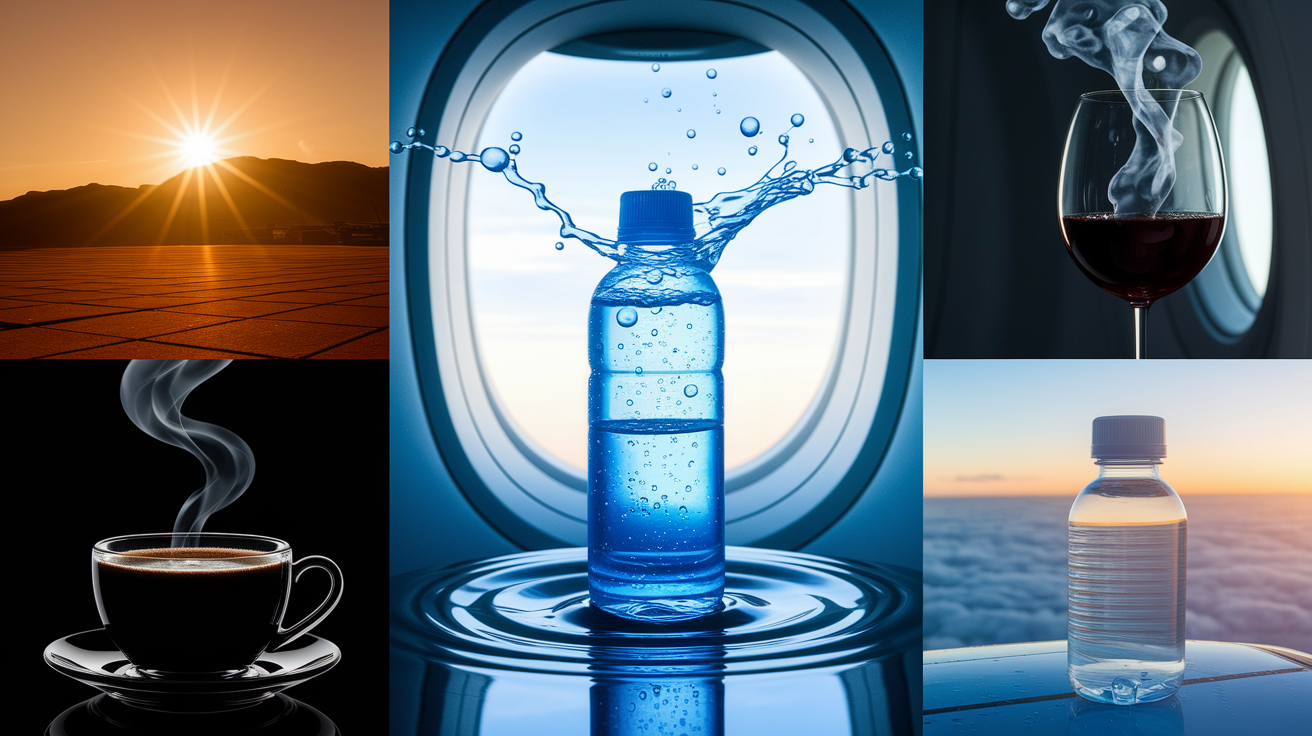
Environmental factors are some of the fastest routes to dehydration. Hot weather, dry climates, and high altitude all increase the rate at which your body loses water through sweat and respiration. You might not feel like you’re sweating heavily in a dry environment, but fluid evaporates so quickly that thirst lags behind the actual loss. Even a few hours outdoors without a water bottle can tip you into headache territory, especially if you’re moving around or talking frequently.
Dietary choices and medications also play a central role. Alcohol is a diuretic, meaning it prompts your kidneys to flush out more water than you take in. A hangover headache is often a dehydration headache in disguise. Caffeine has a mild diuretic effect as well, and while moderate amounts are usually fine, high intake without extra water can contribute to fluid loss. Some prescription medications (especially diuretics used for blood pressure or heart conditions) are designed to increase urine output, so anyone taking them needs to stay ahead of their fluid needs.
Illness related fluid loss is often the most dramatic. Vomiting and diarrhea from gastroenteritis or food poisoning can deplete fluid and electrolytes in a matter of hours. Fever raises your metabolic rate and sweat production, accelerating water loss even when you’re resting in bed. Respiratory infections can also increase fluid needs as your body works to thin mucus and support immune function. If you’re sick and notice a headache developing alongside these symptoms, rehydration should be a top priority.
Common daily habits and conditions that increase fluid loss:
- Heavy exercise or physical labor
- Spending extended time in air conditioned or heated indoor spaces
- Skipping meals, which often means skipping fluids too
- Traveling by plane, where cabin air is extremely dry
- Breastfeeding or pregnancy, which raise baseline fluid requirements
- Taking over the counter cold medications that contain decongestants
- Eating a high sodium or high protein diet without adjusting water intake
- Chronic conditions like diabetes that affect fluid balance
Prevention Strategies to Reduce Dehydration Linked Headaches
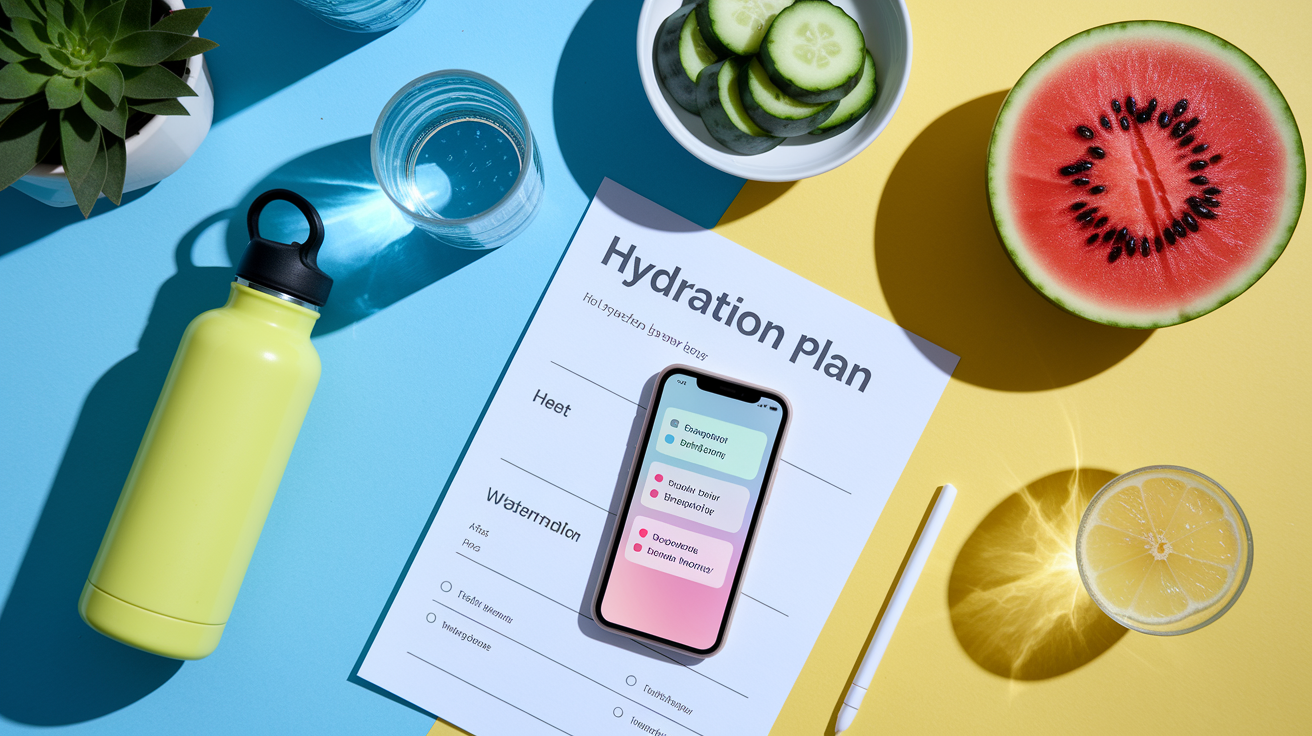
Building a daily hydration routine is the simplest prevention step. Aim for at least 64 ounces of fluid each day. That’s about eight 8 ounce glasses, or roughly 15 cups if you’re measuring by volume. Spread that intake across the day rather than trying to drink it all at once. Keep a reusable water bottle at your desk, in your car, or next to your bed so you have a visual reminder. If plain water feels boring, add a slice of lemon, cucumber, or a handful of berries to make it more appealing without adding sugar or artificial ingredients.
Exercise and heat exposure require extra planning. Drink 8 to 16 ounces of water about an hour before you start sweating, then sip another 4 to 8 ounces every 15 to 20 minutes while you’re active. After your workout or outdoor session, replace any additional fluid you lost. A quick weight check before and after can help you estimate how much you need (every pound lost is roughly 16 ounces of fluid). If you’re sweating heavily for more than an hour, switch to an electrolyte drink or coconut water to replace sodium and potassium alongside fluid. Sports drinks work, but check the label for added sugar and choose lower sugar options when possible.
Limiting alcohol and caffeine makes a real difference. You don’t have to cut them out entirely, but pair each caffeinated beverage or alcoholic drink with an equal or larger amount of water. If you’re having a glass of wine at dinner, follow it with a glass of water before bed. The same goes for coffee. Match your morning cup with water throughout the morning to keep your fluid balance steady. If you take a diuretic medication, talk to your doctor about how much extra fluid you should be drinking daily.
Six practical everyday hydration habits that help prevent dehydration headaches:
- Start your day with a glass of water before coffee or tea
- Set hourly reminders on your phone to take a few sips
- Eat water rich foods like cucumbers, watermelon, oranges, and broth based soups
- Carry a refillable bottle whenever you leave the house
- Drink a full glass of water with each meal
- Check your urine color. Pale yellow means you’re on track, dark yellow means you need more fluid
Safe and Effective Treatments for Dehydration Headaches
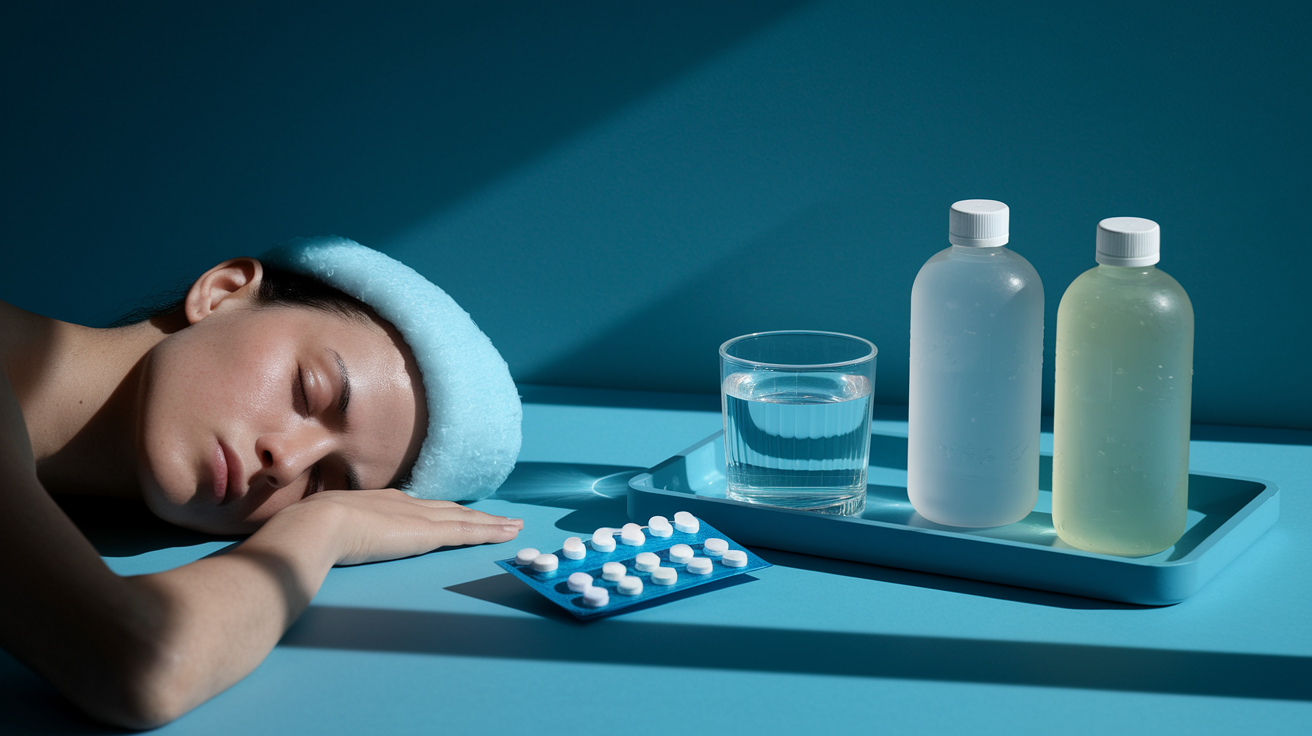
The most effective treatment is gradual rehydration. Sip water slowly rather than gulping large amounts at once. Drinking too fast can overwhelm your stomach and trigger nausea, which makes it harder to keep fluids down. Ice chips or small sips of cold water can feel more manageable if your stomach is upset. If you’ve lost a significant amount of fluid through vomiting, diarrhea, or heavy sweating, reach for an electrolyte drink or oral rehydration solution to replace sodium, potassium, and other minerals alongside water. Sports drinks, coconut water, and pediatric electrolyte solutions all work, though homemade options (water, a pinch of salt, and a small amount of honey or juice) are just as effective.
Key treatment steps for dehydration headaches:
- Drink small sips of water or suck on ice chips every few minutes
- Use an electrolyte drink if fluid loss was heavy or prolonged
- Rest in a cool, shaded, or air conditioned space to reduce ongoing fluid loss
- Apply a cold compress or ice pack to your forehead for 10 to 15 minutes
- Take an over the counter pain reliever like ibuprofen (Advil, Motrin IB), acetaminophen (Tylenol), or aspirin. Avoid pain relievers that contain caffeine, which can worsen dehydration
- Seek IV fluids from a hospital, clinic, or qualified professional if you can’t keep fluids down or symptoms are severe
Pain relievers can help while you wait for rehydration to take full effect, but they won’t fix the underlying fluid deficit. Ibuprofen and aspirin reduce inflammation, while acetaminophen blocks pain signals in the brain. Choose one and follow the dosing instructions on the package. Don’t combine multiple pain relievers unless your doctor advises it. If the headache doesn’t improve within a few hours of steady fluid intake and rest, or if it gets worse, that’s a sign to escalate care.
Severe dehydration requires medical treatment. If you’re unable to drink, keep vomiting, or notice signs of confusion, extreme dizziness, or very dark urine (or no urine at all), IV fluids are the fastest way to restore volume and electrolytes. A healthcare provider can administer fluids in a hospital, urgent care clinic, or mobile hydration service, delivering the exact balance your body needs directly into your bloodstream.
When a Dehydration Headache Requires Medical Attention

Most dehydration headaches resolve with water, rest, and time, but some situations need professional evaluation. If your headache is severe (meaning it’s the worst headache you’ve ever had, or it’s interfering with your ability to think clearly or function) don’t wait. Seek help if the pain persists despite rehydration, or if it’s accompanied by other worrying symptoms like high fever, stiff neck, vision changes, or slurred speech. These can signal a different underlying condition that needs immediate diagnosis.
Certain groups face higher risk and should lower the threshold for seeking care. Babies and young children can become dehydrated much faster than adults, and they can’t always communicate how they feel. Elderly individuals often have a reduced sense of thirst and may not recognize dehydration until symptoms are advanced. People with chronic illnesses like diabetes, kidney disease, or heart conditions are more vulnerable to complications from even mild fluid loss, so any persistent headache paired with dehydration signs warrants a check in with a doctor.
Signs that indicate you need medical attention:
- Confusion, disorientation, or difficulty staying awake
- Dizziness severe enough to cause fainting or near fainting
- Inability to keep any fluids down for more than a few hours
- Little to no urine output, or urine that’s extremely dark
- High fever (above 101°F) alongside the headache
- Rapid heart rate or very low blood pressure
- No improvement in headache or other symptoms after several hours of steady rehydration
Final Words
You now have a clear answer: dehydration can cause headaches because losing fluids shifts pressure and comfort in the head, often making pain feel dull or throbbing.
Common triggers include heavy sweating, alcohol, or illness, and signs to watch for are extreme thirst, dry mouth, and dark urine. Most people start to feel better once they sip water or an electrolyte drink.
If you’re wondering does dehydration cause headaches, try slow rehydration and rest — you’ll usually notice improvement within a few hours.
FAQ
Q: How to get rid of a dehydration headache? / What is the fastest way to fix dehydration?
A: To get rid of a dehydration headache and fix dehydration quickly, sip water slowly, take an electrolyte drink, rest in a cool place, avoid caffeine or alcohol, and expect improvement within 30–60 minutes.
Q: What are the top 3 causes of headaches?
A: The top three causes of headaches are tension-type pain from stress or poor posture, migraine-related neurological triggers like light or hormones, and dehydration or poor sleep that affect head comfort and blood flow.
Q: What are 10 signs and symptoms of dehydration?
A: The ten signs and symptoms of dehydration are dry sticky mouth, dark urine, low urine output, extreme thirst, dizziness, nausea, muscle cramps, cool dry skin, pulsing head pain, and worse pain with movement.