

What if a small pouch could stop your afternoon spiral? If you often feel scattered, low on energy, or one skipped meal away from a meltdown, a wellness kit gives you simple, grab-and-go tools to steady your body and mind. This post breaks down the must-haves—grounding items, a hydration setup, comfort pieces, compact first aid, and travel-friendly swaps—so you can build a kit that fits your day and actually works. Here’s how to pack smart and start using it in the next week.
Core Wellness Kit Essentials for Everyday Support

A wellness kit works best when it covers a few foundational areas: grounding tools, basic hydration setup, comfort items, and core first aid basics. Research on self-care kits shows that sensory tools and journals help regulate emotions when stress or fatigue make it hard to remember coping skills. The kit acts as a physical reminder of the actions that calm or ground you, so you don’t have to think your way through a rough moment.
Portability matters. You might keep a box at home, carry a small pouch in your backpack, or stash a few items in your car. Tailor your kit to your environment. If you spend most of your day at a desk, stock your drawer with quick access basics. If you travel often, choose compact versions that fit a carry on or purse. The goal is to have what you need where you actually are when you need it.
Here are 10 universal categories to consider when building your kit:
Grounding tool (something to hold or manipulate when you feel scattered)
Hydration container (reusable water bottle or insulated cup)
Comfort item (warmth, softness, or texture that feels soothing)
Journal (blank pages or prompts for tracking thoughts or patterns)
Compact first aid basics (bandages, pain reliever, antiseptic wipes)
Hygiene essentials (tissues, hand sanitizer, lip balm)
Temperature regulation item (hand warmers, cooling pack, or eye mask)
Quick energy option (snack or electrolyte)
Sensory calming tool (fidget item, essential oil roller, or noise blocking)
Organizational pouch (small bag or zippered case to hold everything)
Stress Relief and Mental Wellness Items to Include in a Wellness Kit
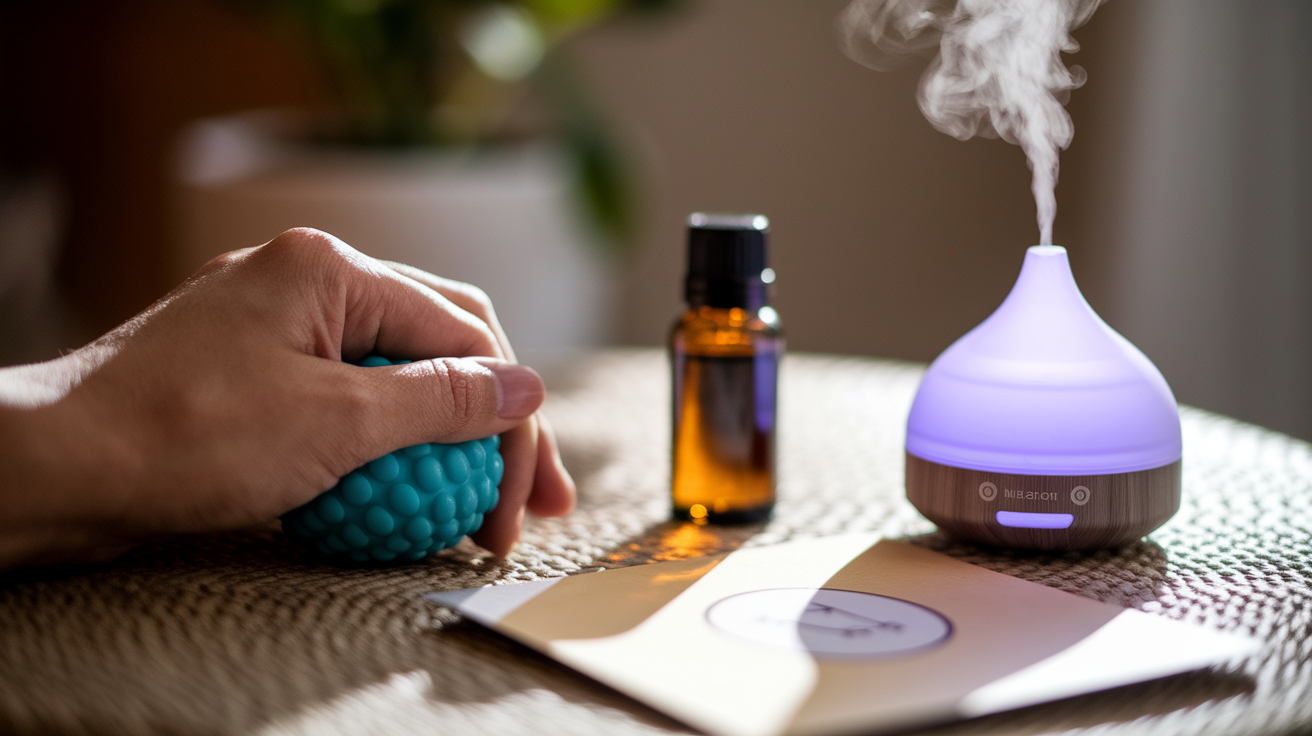
Fidget and sensory items help manage anxiety by giving your hands and mind something concrete to focus on. Tools like acupressure rings, silly putty, elastic hair bands, and fidget spinners provide grounding when thoughts start to spiral. Research supports the use of these objects to prevent destructive behaviors and redirect nervous energy. They’re discreet enough to use during meetings, commutes, or waiting rooms.
Essential oils, auditory tools, and breathing aids also reduce stress. Lavender helps calm the nervous system, while citrus oils like peppermint or orange can ground and uplift. Noise cancelling headphones or calming playlists block overstimulation in public spaces. Blowing bubbles guides deep, controlled breathing without calling attention to yourself. Inhale slowly, then exhale through the bubble wand.
Here are five stress relief additions to include:
Stress ball or putty (for hand manipulation and tactile grounding)
Lavender calming oil (a few drops on a tissue or in a diffuser)
Portable essential oil roller (pre-diluted blend for wrists or temples)
Headphones (noise cancelling or wireless earbuds to manage sensory input)
Guided breathing card (laminated index card with a simple 4-7-8 or box breathing pattern)
Physical Health and First Aid Supplies for a Complete Wellness Kit
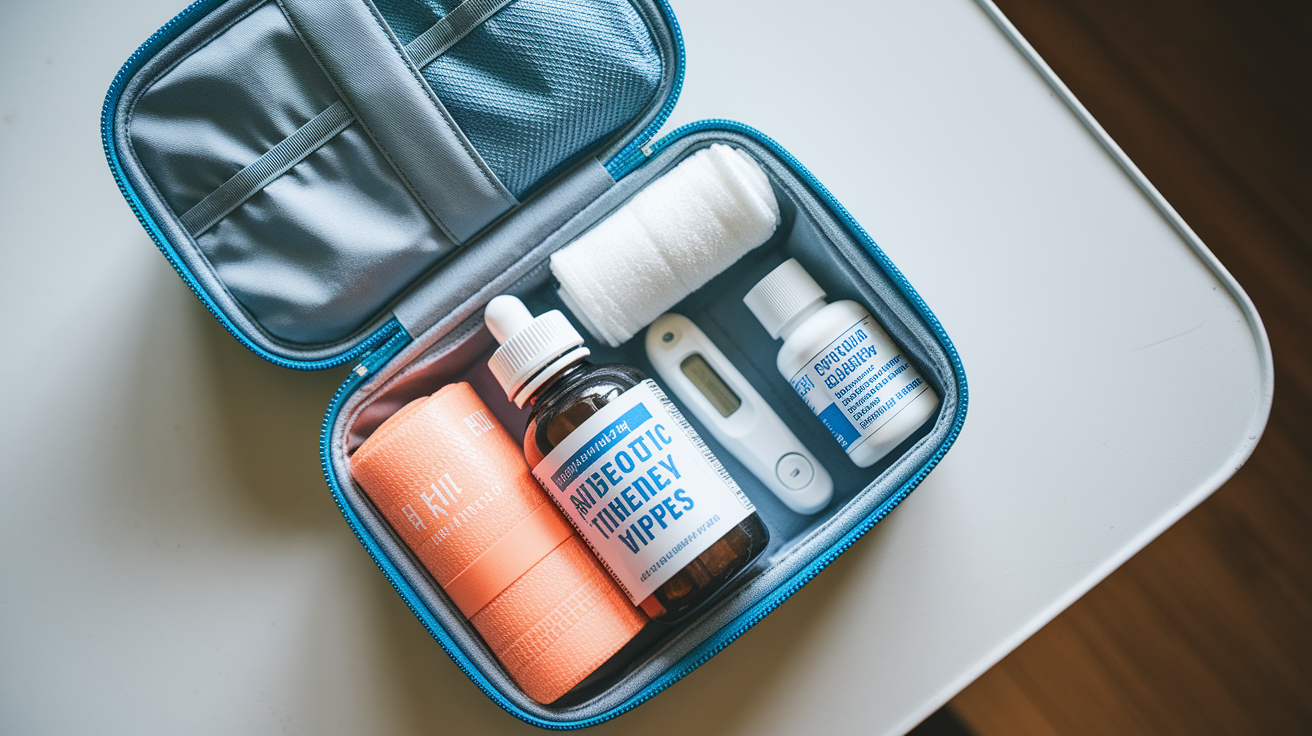
Every wellness kit benefits from basic first aid elements. Even minor cuts, headaches, or blisters can derail your day if you don’t have simple supplies on hand. A compact first aid kit with adhesive bandages, antiseptic wipes, and gauze covers most small injuries. Add a digital thermometer if you want to track fever, especially during cold and flu season.
Medications and symptom specific support make a difference. Include over the counter pain relievers (acetaminophen or ibuprofen), a fever reducer, and an antihistamine for allergic reactions or sinus pressure. Keep quantities small. Travel sized bottles or blister packs work well and won’t take up much space. If you take prescription medications regularly, keep a one or two day backup in your kit.
Optional topical additions include antibiotic ointment for cuts, aloe gel for burns or skin irritation, and a cold pack for swelling or bruises. These items help you respond immediately without needing to stop at a pharmacy.
| Item | Purpose |
|---|---|
| Adhesive bandages and gauze | Cover small cuts, blisters, or scrapes |
| Antiseptic wipes | Clean wounds and reduce infection risk |
| Pain reliever (ibuprofen or acetaminophen) | Ease headaches, muscle aches, or fever |
| Antibiotic ointment | Support healing and prevent minor infection |
Nutrition, Hydration, and Energy Support Items for a Wellness Kit
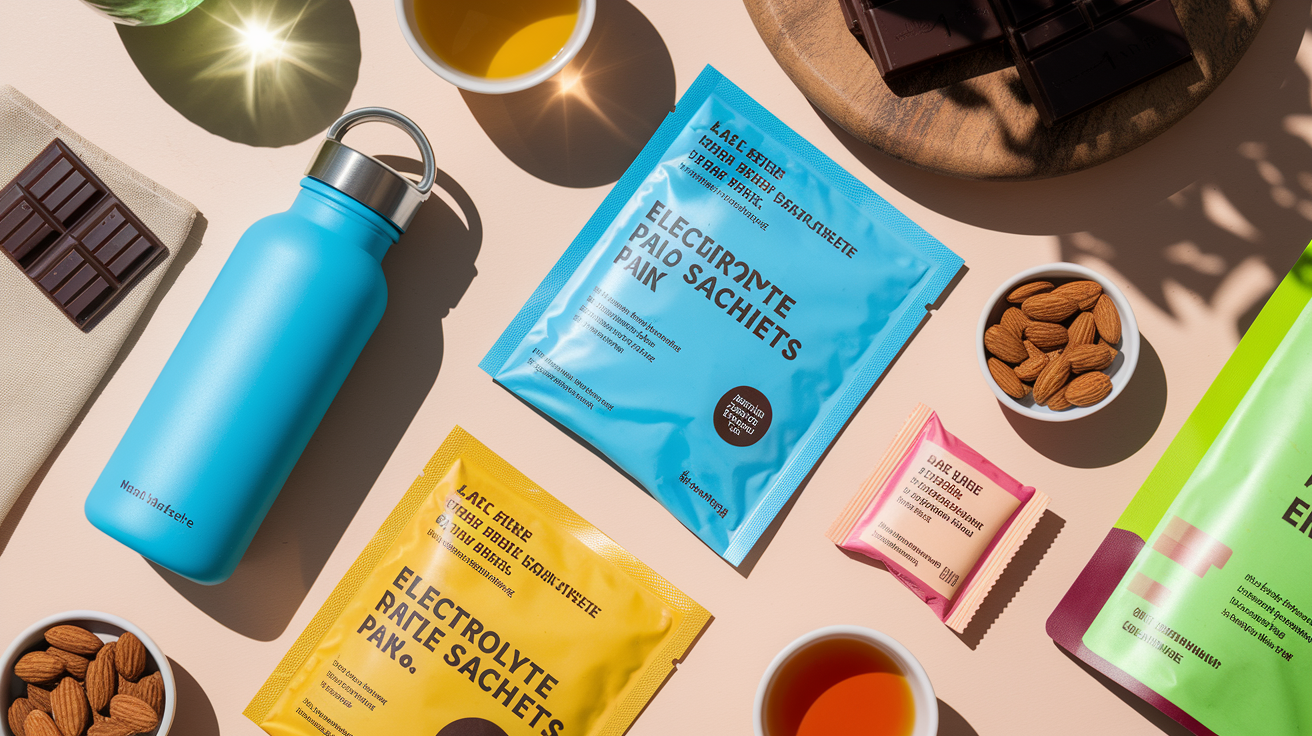
Hydration is foundational. A reusable water bottle keeps water accessible throughout the day, and adding electrolyte packets helps when you’re sweating, tired, or dehydrated from travel or stress. Electrolytes (minerals that help your body hold onto water) support energy and mental clarity. Aim to sip water steadily rather than chugging all at once.
Simple nutrition supports include snacks, teas, and supplements. Herbal tea sachets (chamomile, peppermint, or ginger) offer warmth and digestive comfort without caffeine. Nutrient dense snacks like nuts, dried fruit, or protein bars give you quick energy when meals are delayed. A mini multivitamin pack or vitamin D supplement can fill nutritional gaps, especially during winter or busy weeks when fresh food feels hard to manage.
Herbal tea sachets (single serving bags for calming or digestive support)
Nutrient dense snacks (almonds, trail mix, or dark chocolate for steady energy)
Electrolyte packets (single serve powder to mix with water)
Mini multivitamin pack (individually wrapped daily doses for travel or backup)
Comfort, Sensory, and Self Care Items for a Home or Office Wellness Kit
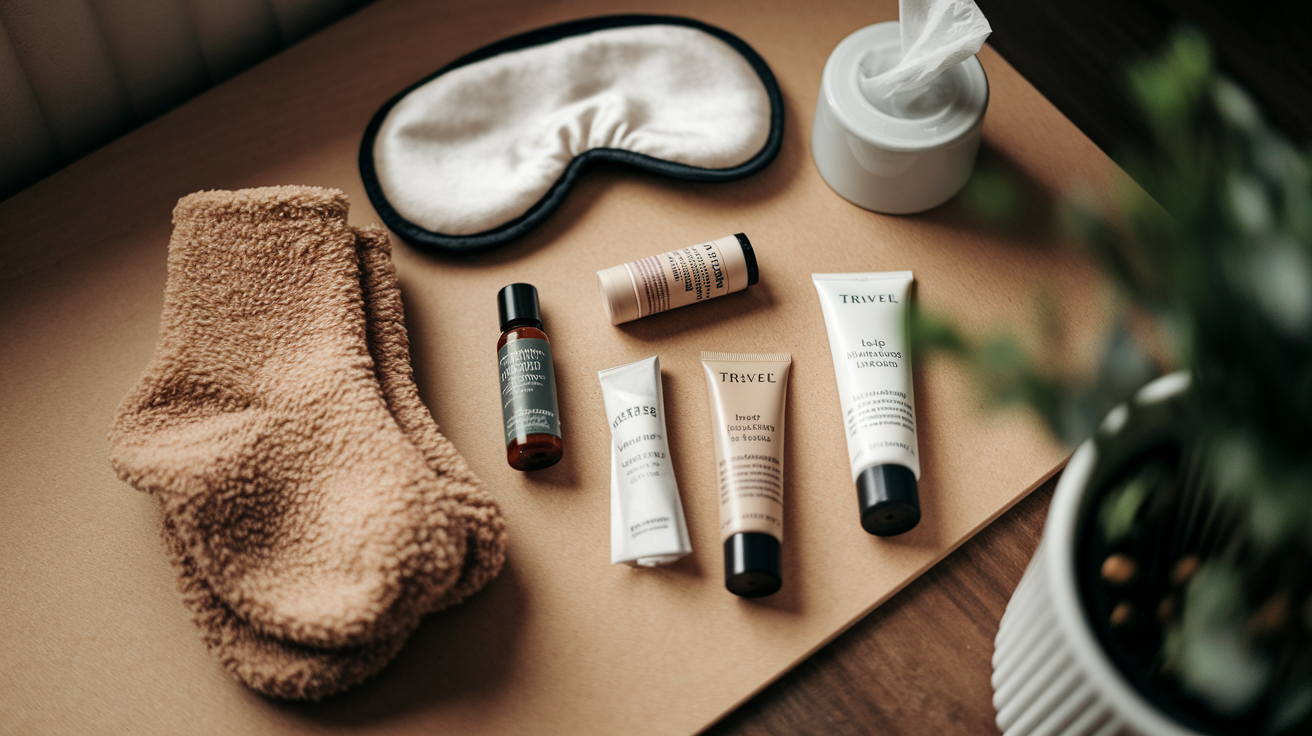
Warmth and comfort items make a big difference when you’re feeling off. Fuzzy socks, a soft eye mask, or a small weighted item (like a lap pad or mini blanket) help regulate your nervous system. These additions work well in a home kit or tucked into a desk drawer at the office. A microwaveable eye mask or a hot water bottle can ease tension headaches or sore muscles.
Skincare and dryness relief tools address the daily irritations that pile up. Hand cream, lip balm, and a small bottle of lotion prevent chapped skin, especially in winter or dry climates. Look for ingredients like shea butter, glycerin, or hyaluronic acid in moisturizers. Lip balm with SPF protects against sun and wind. Keep travel sized versions so you can reapply throughout the day.
Hygiene basics are practical for daily use and often overlooked. A pack of travel tissues, wet wipes, or a washcloth can help you feel fresh when a full shower isn’t an option. Dry shampoo, a small face scrub, or a bar of gentle soap count as valid self care. These “boring” items encourage basic self maintenance when motivation is low.
Travel Friendly Wellness Kit Items for On the Go Support
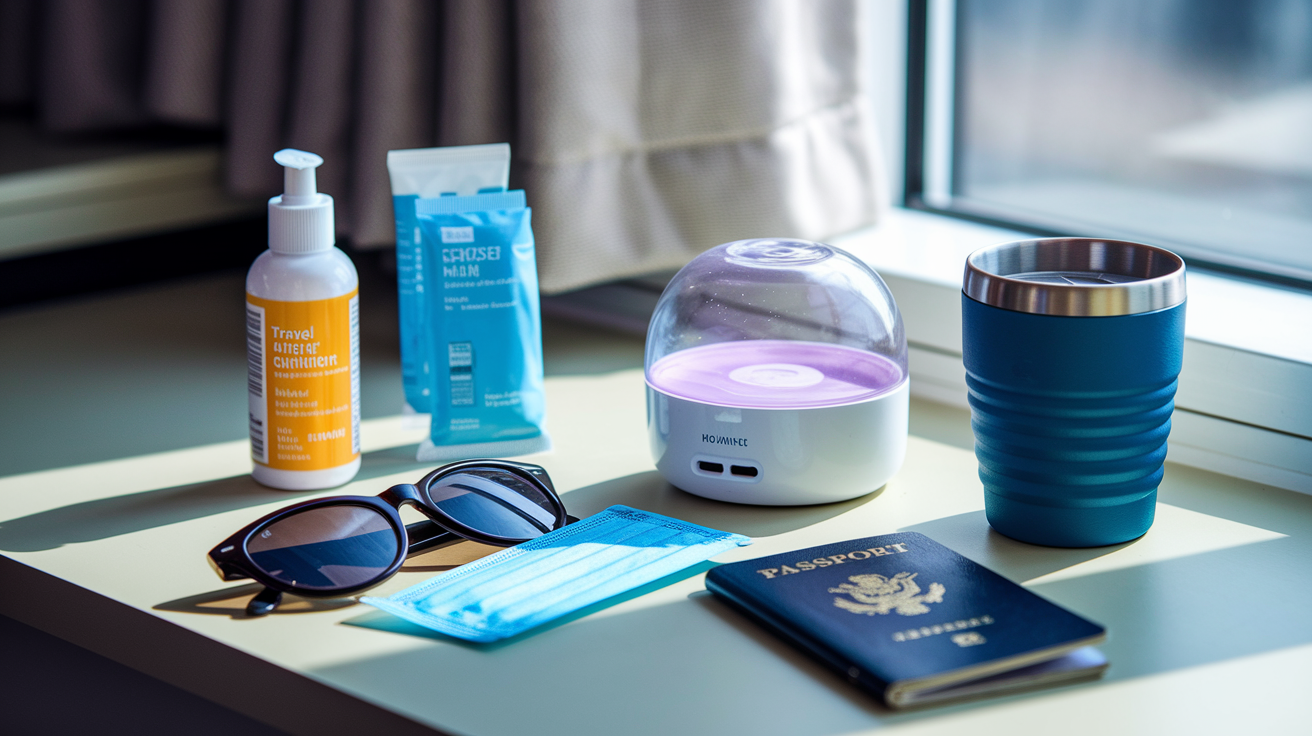
Travel creates unique needs: dry air in planes and hotels, sun exposure from windows and snow reflection, and close contact with germs in transit hubs. A travel specific wellness kit addresses these without duplicating your core home kit. Compact items that serve multiple purposes save space and weight.
Start with sun and air protection. Travel size sunscreen with at least SPF 30 prevents burns even in winter. Compact sunglasses reduce glare and eye strain. Disposable masks or a cloth mask protect against airborne illness in crowded spaces. Sanitizer wipes clean hands and surfaces (tray tables, armrests) quickly. A mini humidifier helps counteract dry heated air in hotel rooms and supports your respiratory system while you sleep.
Travel size sunscreen (SPF 30 or higher, under 3.4 oz for carry on)
Compact sunglasses (foldable or with a hard case)
Sanitizer wipes (individually wrapped or a small pack)
Disposable masks (a few extras in a zippered pouch)
Mini humidifier (USB powered or battery operated for hotel rooms)
Thermal insulated mug (collapsible or slim design for hot drinks on the go)
Budget Friendly, Themed, and DIY Wellness Kit Variations
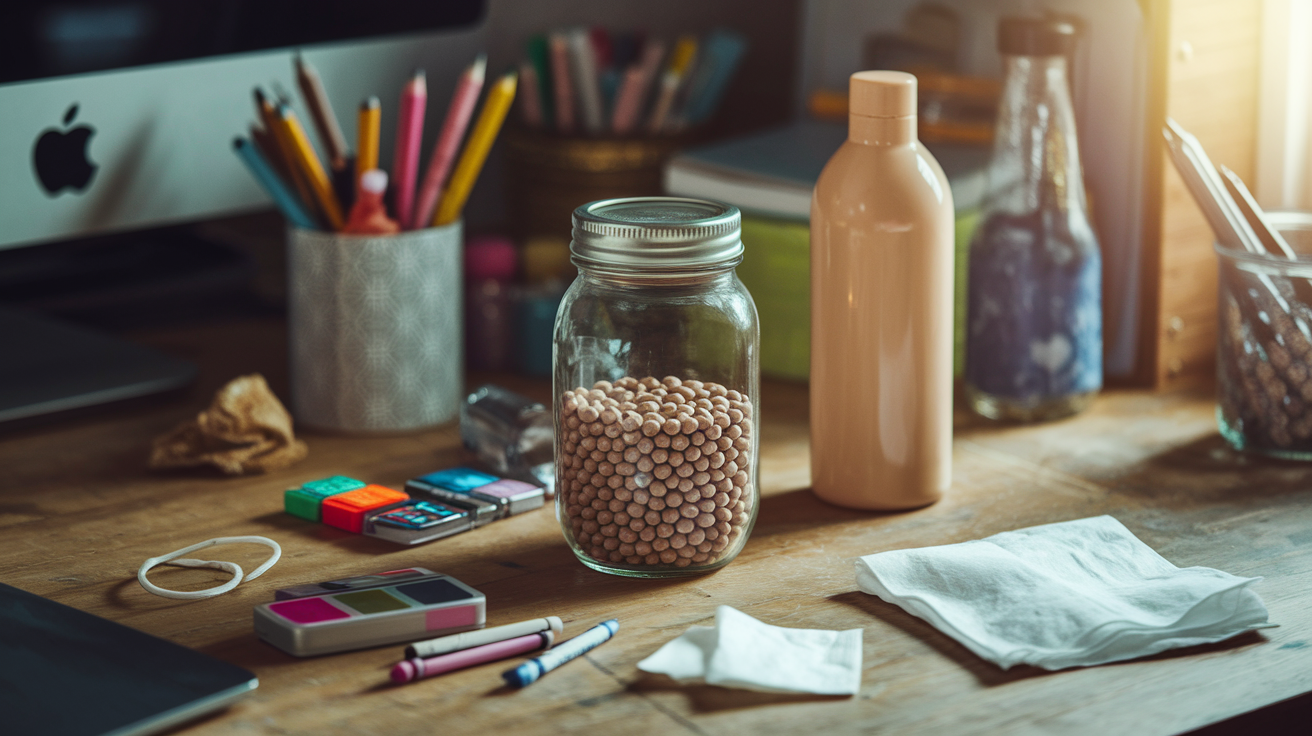
You don’t need expensive tools to build a functional kit. Low budget substitutions work just as well. Use a mason jar filled with dry pinto beans for a calming tactile tool. Elastic hair bands, a small pack of crayons, or a bubble wand cost a few dollars and provide sensory grounding. A 24 pack of washcloths or a surprise 10 piece nail polish set can cover hygiene and self care for under twenty dollars. Check dollar stores or bulk discount sections for travel tissues, hand sanitizer, and snack packs.
Eco friendly swaps reduce waste and often save money over time. Choose reusable bottles instead of single use plastic. Refill small containers (lip balm tins, travel spray bottles) with products you already own. Cloth napkins or handkerchiefs replace disposable tissues. Bar soap in a metal tin lasts longer than liquid and eliminates plastic bottles. Look for items you can wash and reuse rather than toss.
Themed kits target specific needs. A sleep kit might include chamomile tea, lavender oil, an eye mask, and a small journal for a pre bed brain dump. A stress relief kit could hold putty, a breathing card, headphones, and a favorite photo. An immune support kit might feature vitamin D, herbal tea, tissues, and throat lozenges. Build the kit around the problem you face most often.
DIY Assembly Tips
Start by selecting a container that fits your lifestyle. A pencil pouch, zippered makeup bag, or small plastic bin works well. Add labeled mini bottles for oils or lotions so you know what’s inside without opening each one. Reuse jars from spices or baby food for dry items like tea or snacks. Write ingredient names and dates on every homemade item. This saves time when you’re sick and can’t remember what you mixed.
Include handwritten notes or screenshots of supportive messages. Tuck an index card with affirmations or reminders of past wins into the kit. When stress makes it hard to think clearly, reading “You’ve handled this before” or “Breathe, then decide” can reset your mindset. Personalize with photos, favorite quotes, or a safety plan if you manage chronic health conditions.
Storage, Rotation, and Safety Considerations for Any Wellness Kit
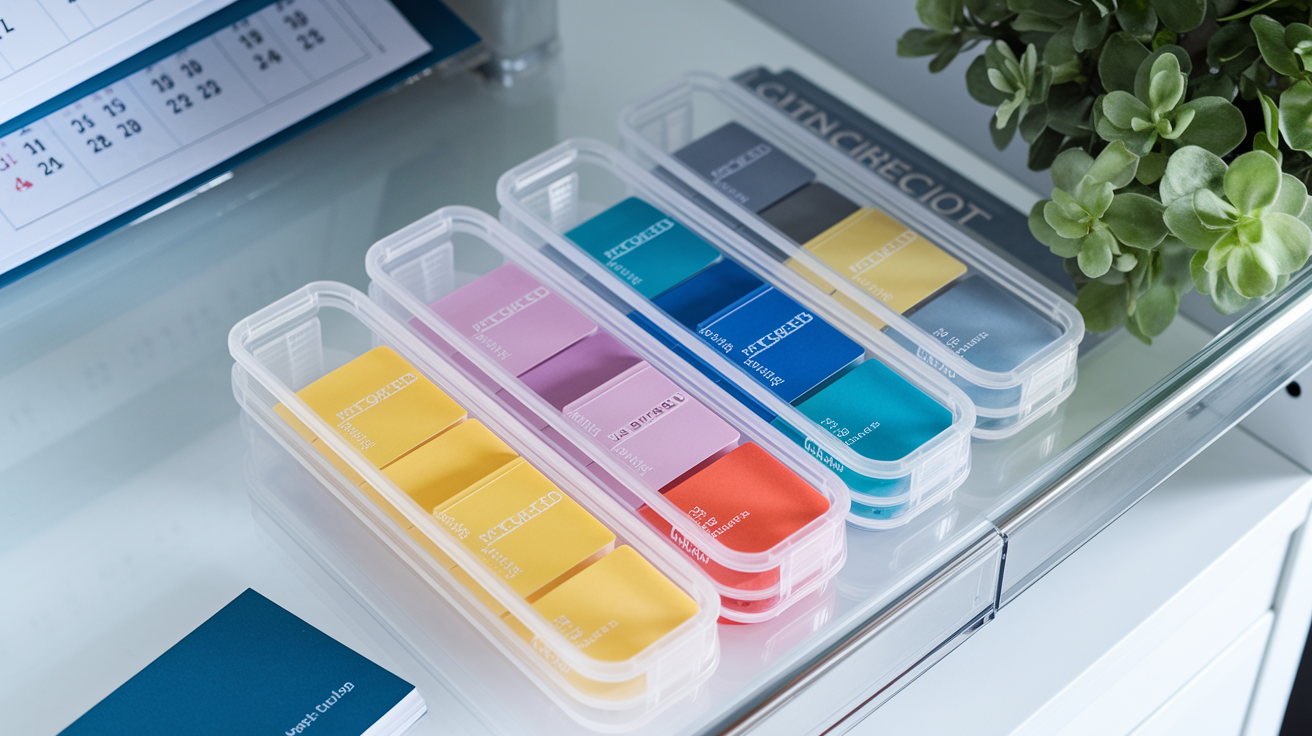
Choose containers based on where you’ll keep the kit. A hard sided plastic bin protects items in a car trunk. A soft zippered pouch fits a purse or backpack. Label the outside of the container with contents and a “last checked” date so you remember to rotate items. Use color codes or symbols if you keep multiple kits (red for first aid, blue for stress relief, green for travel).
Check expiration dates every three to six months. Pain relievers, antihistamines, lip balm with SPF, and sunscreen all lose effectiveness over time. Rotate snacks and supplements before they go stale. Replace any item you’ve used so the kit stays fully stocked. Keep ready to use forms (tinctures, pre-made blends, single serving packets) rather than bulk ingredients that require prep when you’re already feeling rough.
Address safety considerations, especially if you store medications or essential oils. Keep kits out of reach of children and pets. Avoid leaving items in hot cars. Heat degrades sunscreen, lip balm, and some supplements. If you include homemade herbal preparations, label contraindications clearly and store higher risk items separately to prevent accidental misuse. Run a quick scenario drill every few months: imagine a headache, a cut, or a long trip, and check whether your kit has what you’d actually need.
| Storage Type | Best Use Case |
|---|---|
| Hard plastic bin | Car trunk or home closet (protects against temperature swings) |
| Soft zippered pouch | Purse, backpack, or desk drawer (portable and flexible) |
| Clear divided organizer | Bathroom or office (easy to see contents at a glance) |
Final Words
You now have a clear, usable list: core kit categories, stress-relief tools, basic first-aid, nutrition and travel items, plus storage and DIY options.
The post explains why each category helps and gives practical, portable choices so you can build a kit that fits home, work, or travel. A quick next step is to pick a pouch and add three items you’ll actually use.
If you’re wondering what to include in a wellness kit, start with a grounding tool, a refillable bottle, a compact first-aid set, a quick snack, and a comforting item. Small steps matter. You’ll feel steadier fast.
FAQ
Q: What to put in a wellness kit? / What to include in a wellness package?
A: A wellness kit or package should include grounding tools (journal, small fidget), a refillable water bottle or tea, a comfort item (socks, heat pack), basic first‑aid, healthy snacks, hygiene basics, and an organizer pouch.
Q: What are the 10 essential survival kit items?
A: The 10 essential survival kit items are drinking water, nonperishable food, a water purifier or purification tablets, flashlight, extra batteries, a multi‑tool, first‑aid kit, fire starter, emergency blanket, and a whistle for signaling.
Q: What to put in an emergency kit for a tornado?
A: A tornado emergency kit should include at least three days of water, nonperishable food, a battery or crank radio, flashlight and spare batteries, first‑aid, medications, sturdy shoes, copies of documents, and a portable charger.